The Primary Care Dermatology Society Logo
THE LEADING DERMATOLOGICAL SOCIETY FOR GPS PCDS on Twitter follow @PCDSUK Contact Us
Website author – Dr Tim Cunliffe (read more)
  • PCDS home
  • About the PCDS
  • Dermatology dictionary
  • Dermatology: the basics
  • Diagnostic tables
  • Dermoscopy
  • Investigations
  • A-Z of clinical guidance
    • A-Z list
  • Self-examination of moles
  • Leg dressings and other bandaging techniques
  • Skin surgery and cryosurgery
  • Other guidelines
  • Quality of Life Measures
  • Research - keep up to date
  • GPwSI & service development
  • PCDS educational events
  • Diplomas and other educational programmes
  • Resources - websites and books
  • Latest news and bulletins
  • Image library
  • Patient information leaflets
  • Patient support groups
  • Fundraising - the BSF
  • Ethical dermatology
  • PCDS website poster
  • Affiliated societies
  • Acknowledgements

Porokeratosis

Created: 10th May 2013   |   Last Updated: 8th November 2016

Introduction

The term porokeratosis refers to skin lesions with a thinned centre surrounded by a ridge-like border called the cornoid lamella. They arise from clones of cells with varying degrees of dysplasia. There are a number of different types of porokeratoses, those best defined are described below.

This chapter is set out as follows:

  • Clinical findings
  • Images
  • Investigations
  • Management

Clinical findings

  • Distribution - depends on the type
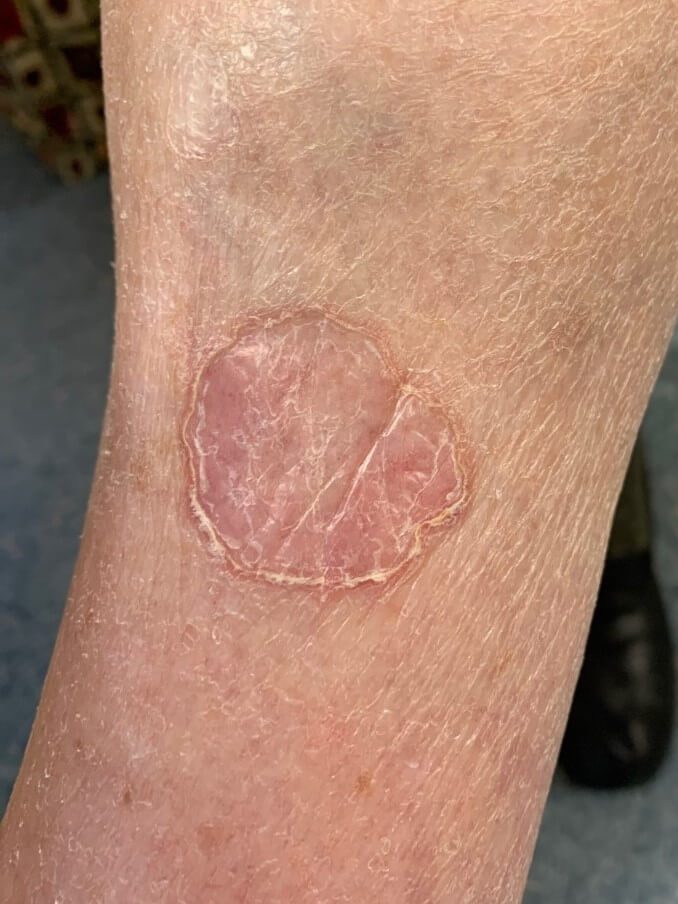
    • Isolated lesions (syn. porokeratosis of Mibelli)
      • ​Familial lesions are autosomal dominant in inheritance and arise in childhood, sporadic lesions have a later onset
      • Lesions are single or a few in number and can be large
      • They are most common on the limbs, especially acral, but can affect any body site
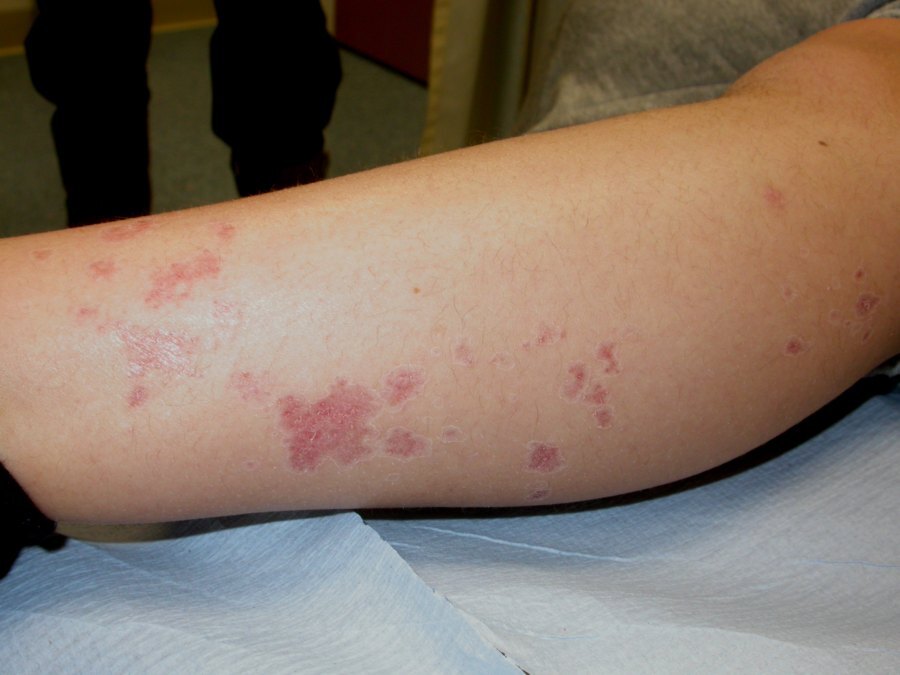
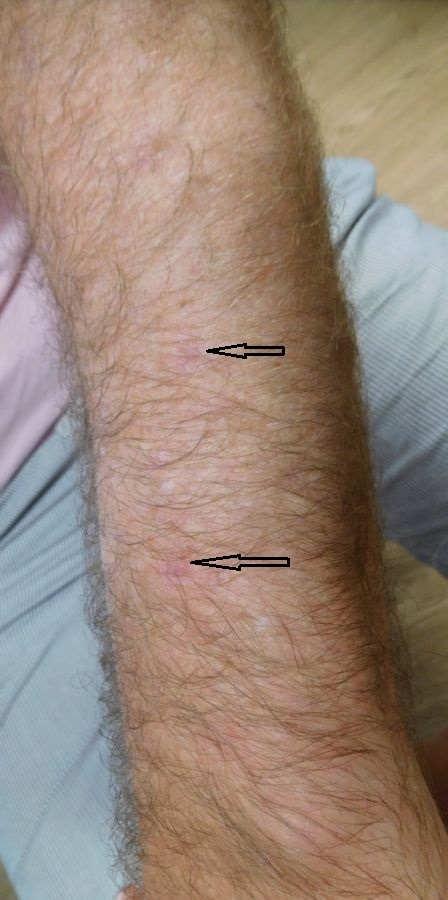
    • Linear porokeratosis
      • ​Usually presents at birth or in childhood
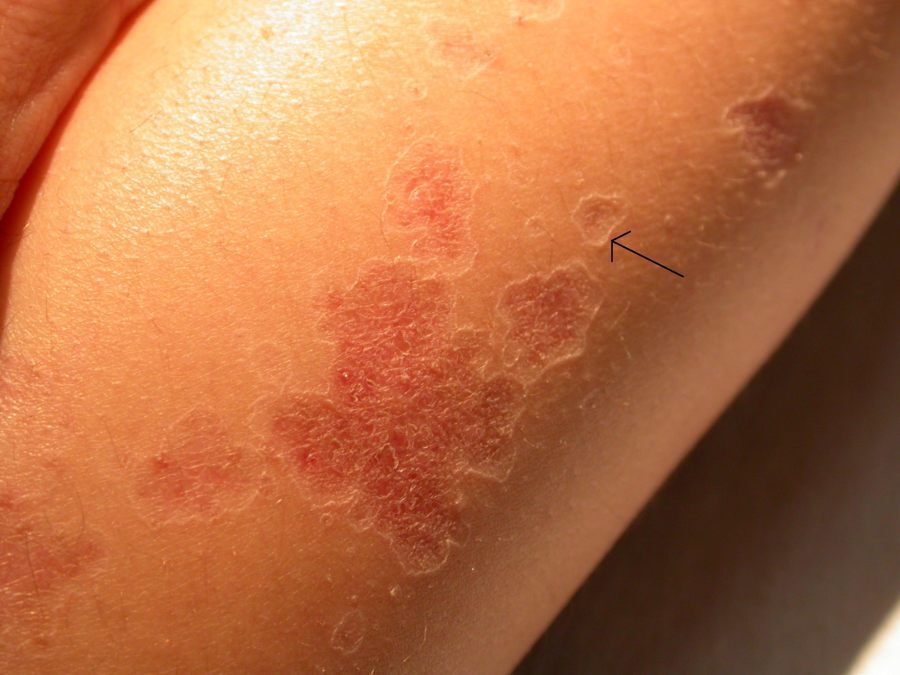
      • Multiple lesions arise in a linear fashion along the lines of Blaschko, most commonly along a limb or one side of the trunk or head and neck 
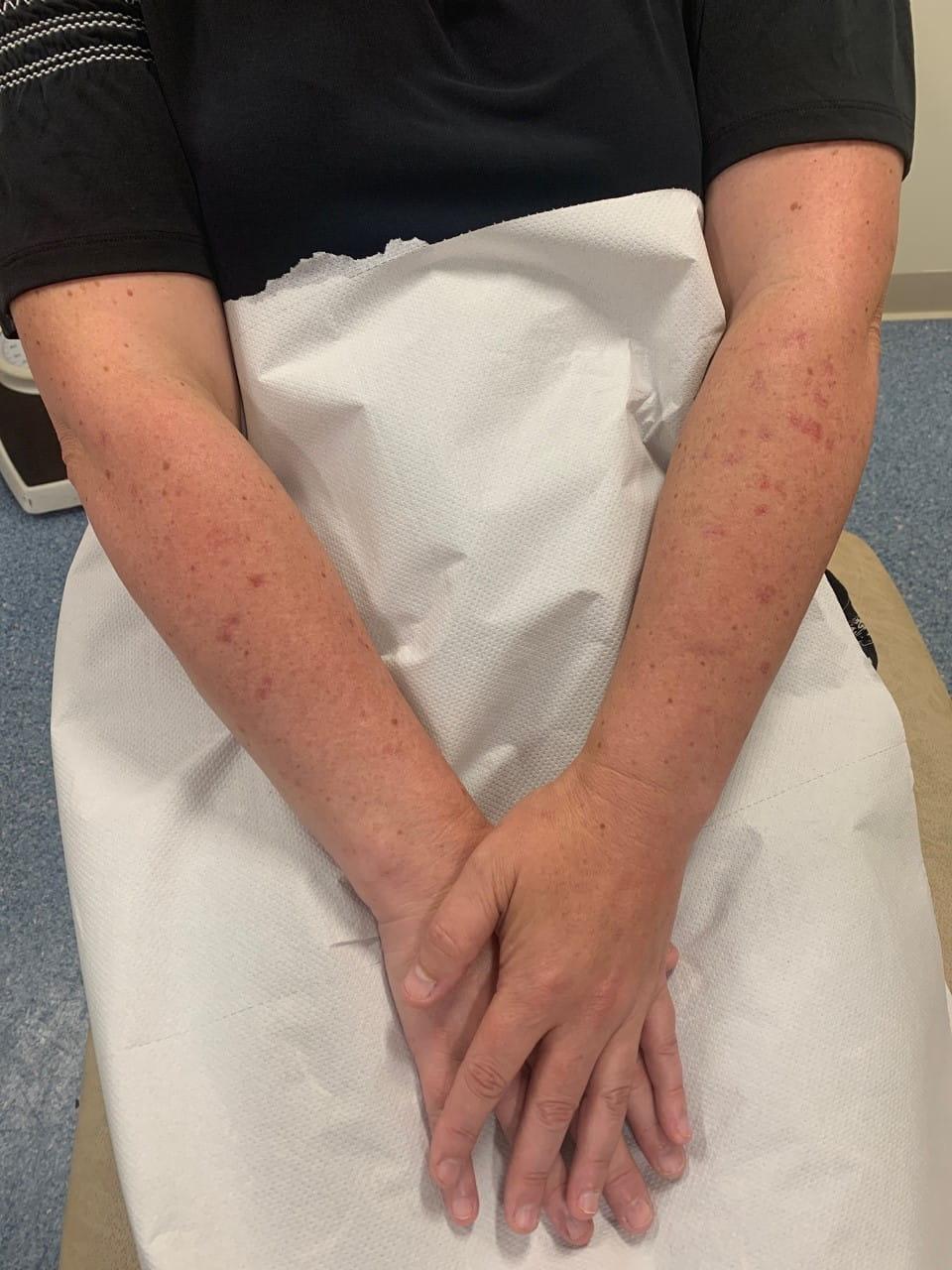
    •  Disseminated superficial actinic porokeratosis (DSAP)
      • ​This is the most common variety and arises in middle-aged individuals
      • It is an autosomal dominant condition, but a history of chronic UV exposure also appears to be needed
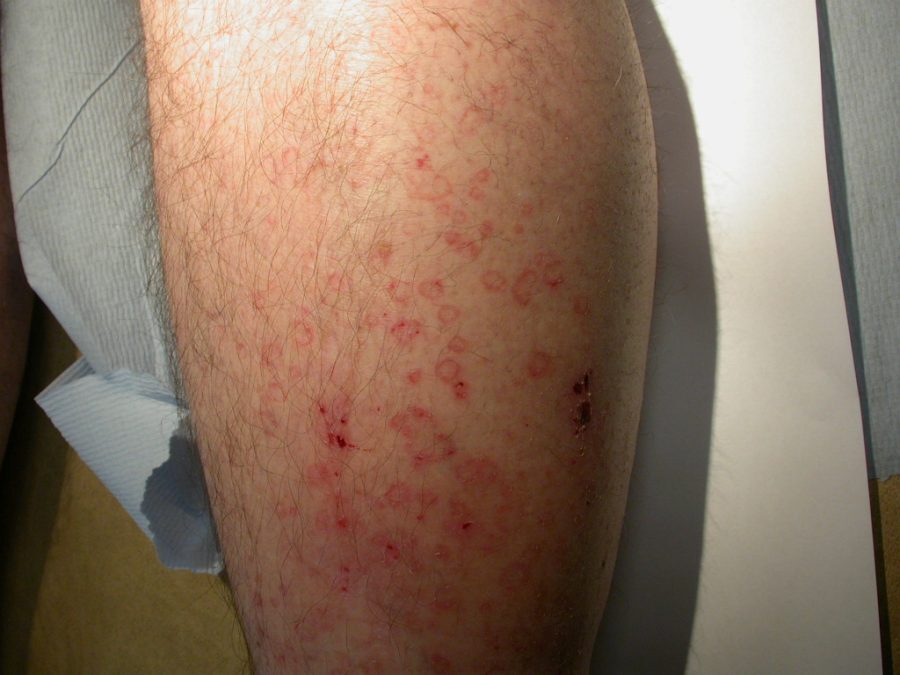
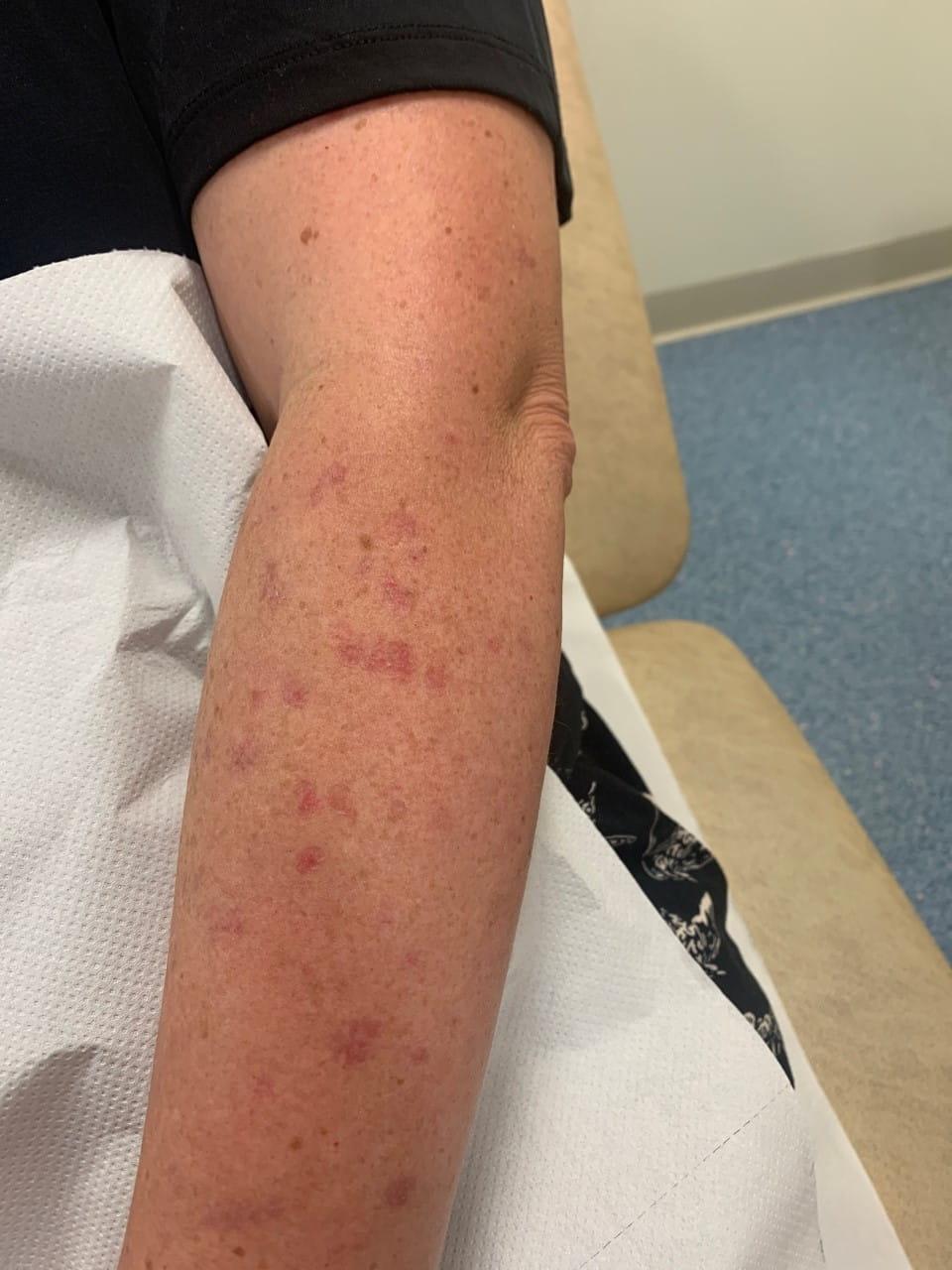
      • Lesions are predominantly found on sun-exposed areas of the legs, and less so the arms
  • Morphology
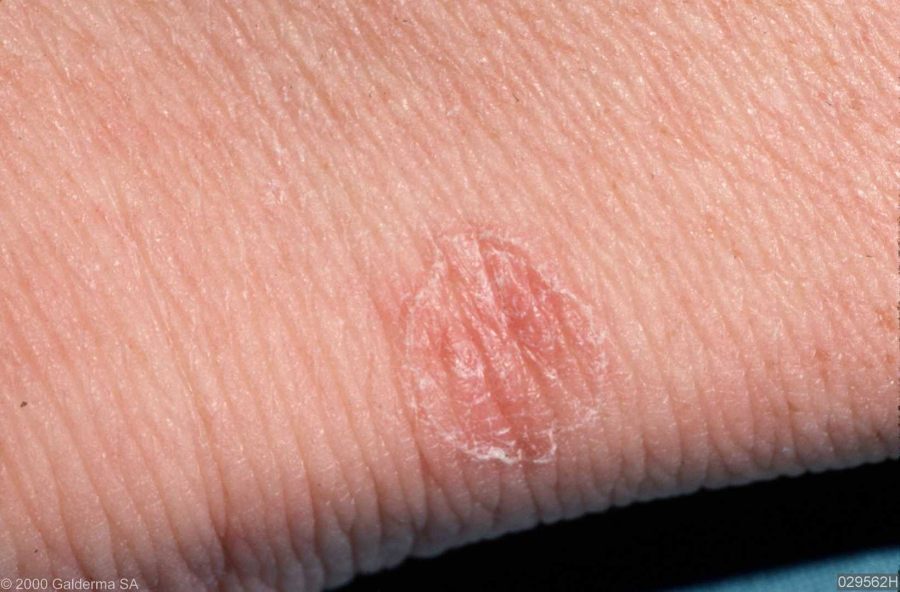
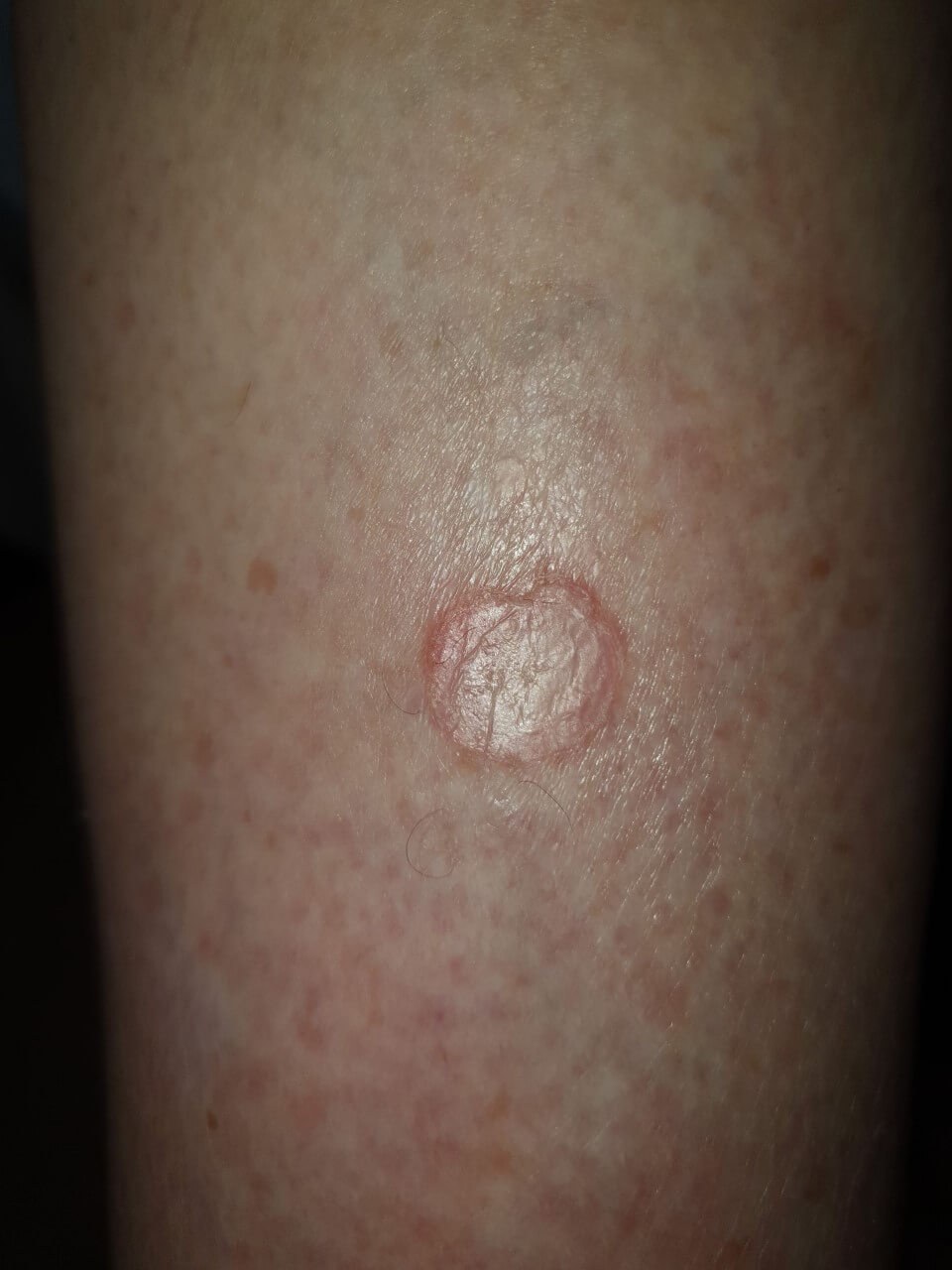
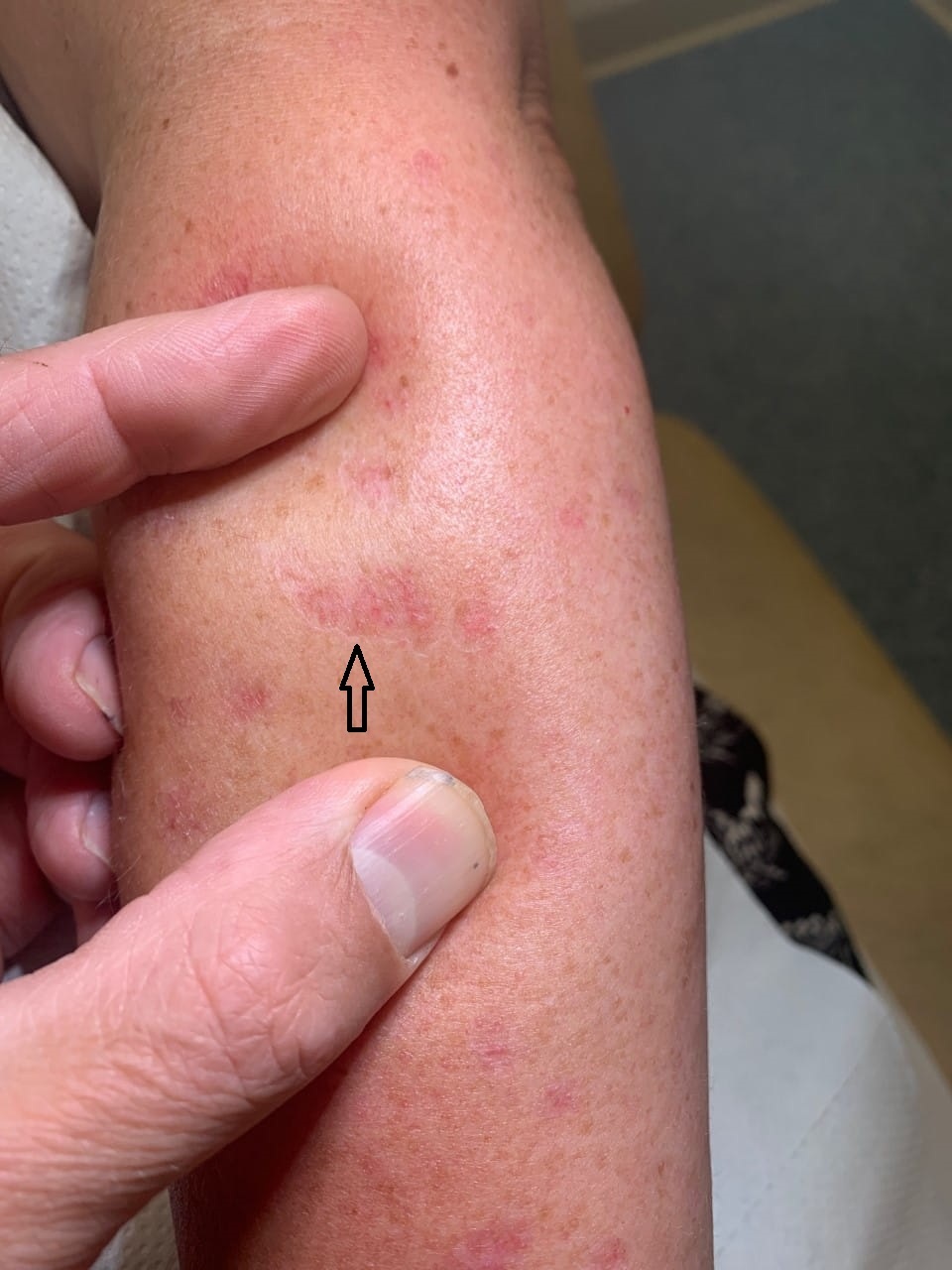
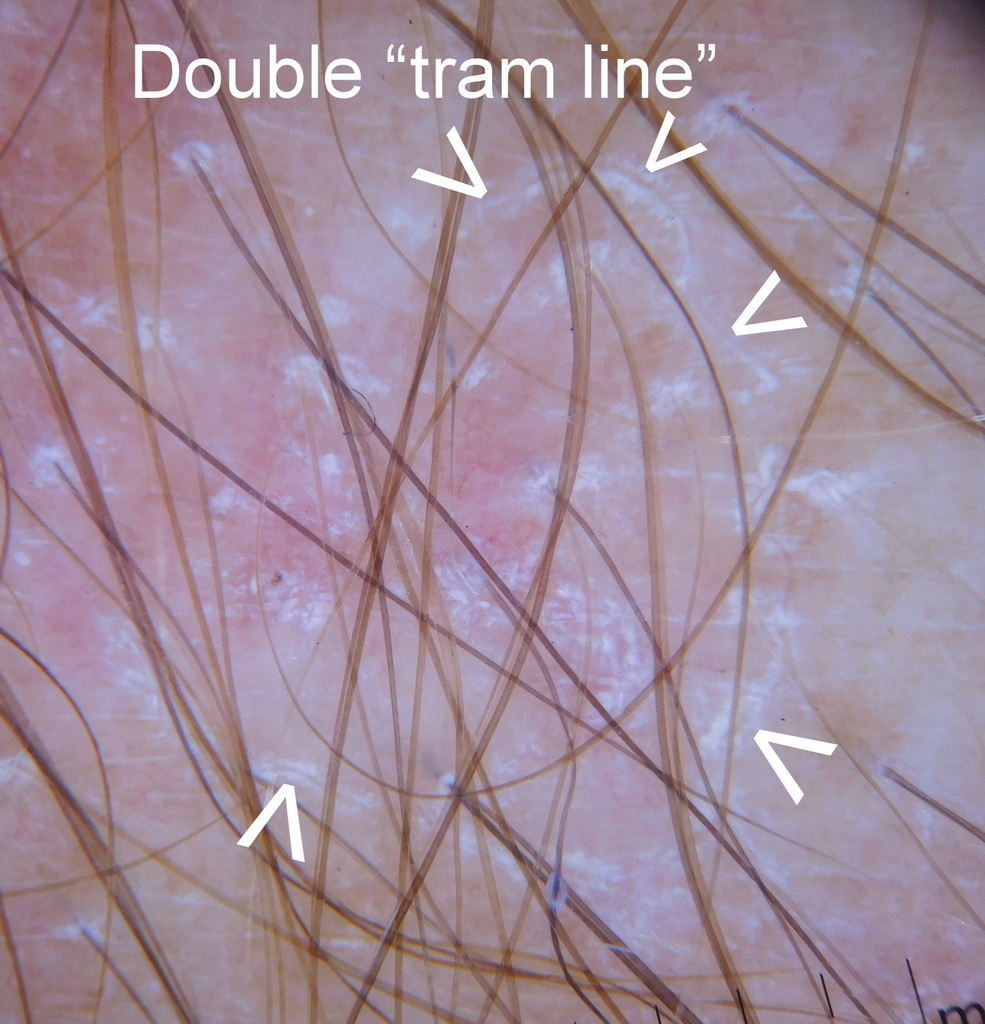
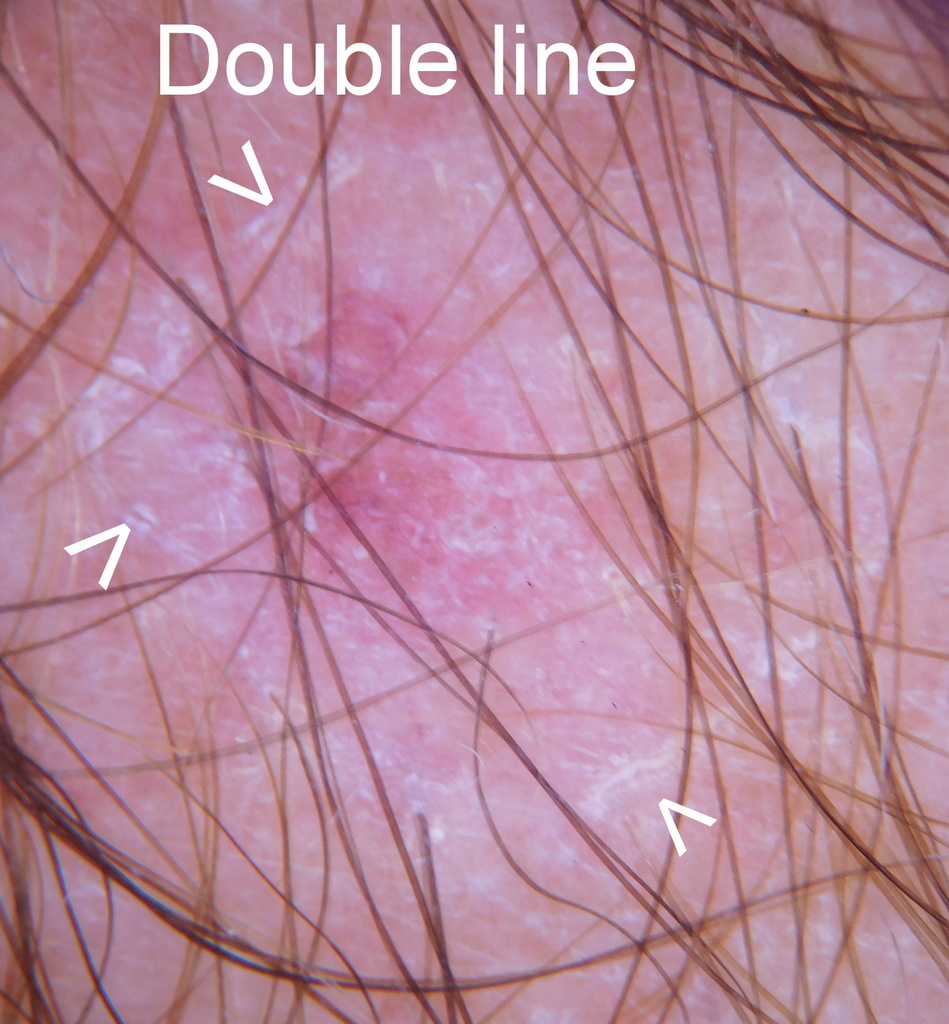
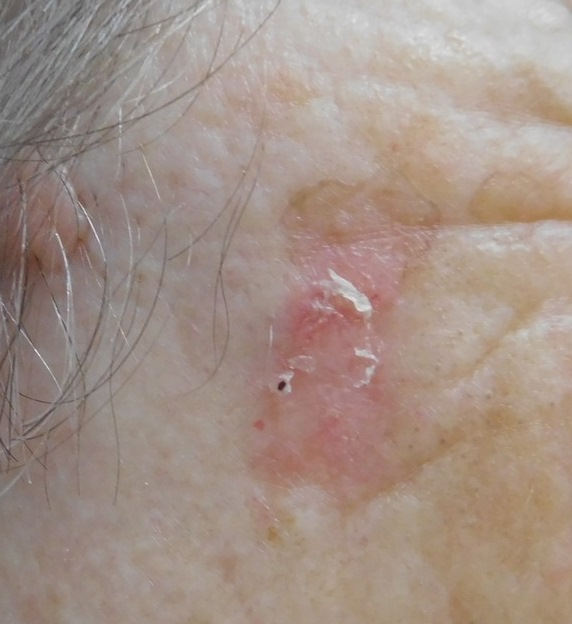
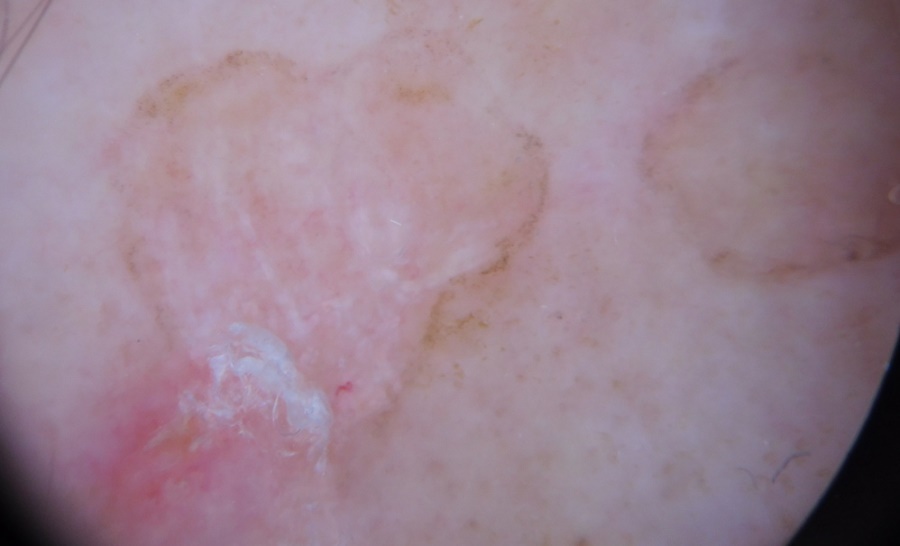
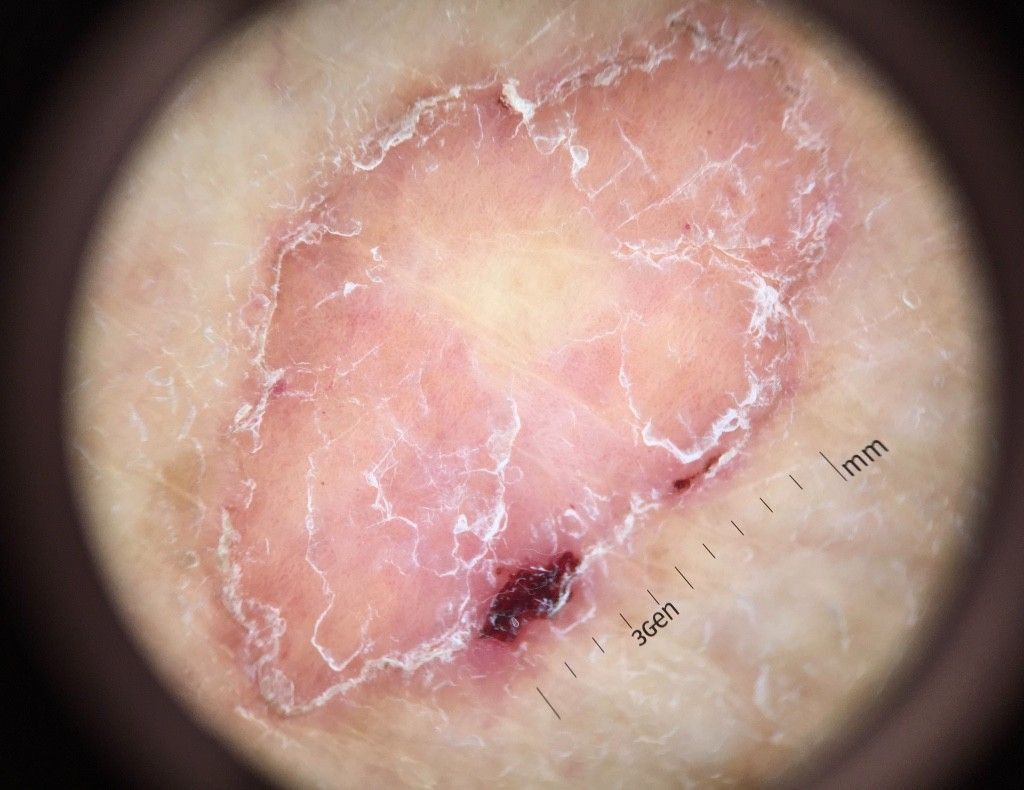
    • Lesions are annular with a well-demarcated, slightly raised keratotic rim known as a cornoid lamella. The centre may be scaly or thin and atrophic
    • They grow gradually to between 3-10 mm. Grouped lesions will appear larger. Rarely, lesions of porokeratosis of Mibelli can be very large and are termed ‘giant’

Images

Please click on images to enlarge, or choose to download. Images must only be used for teaching purposes and are not for commercial use. Notice and credit must be given to the PCDS and any other named contributor.

Download

Figure: 1

Porokeratosis of Mibelli - above the heel

Download

Figure: 2

DSAP

Download

Figure: 3

Linear porokeratosis

Download

Figure: 4

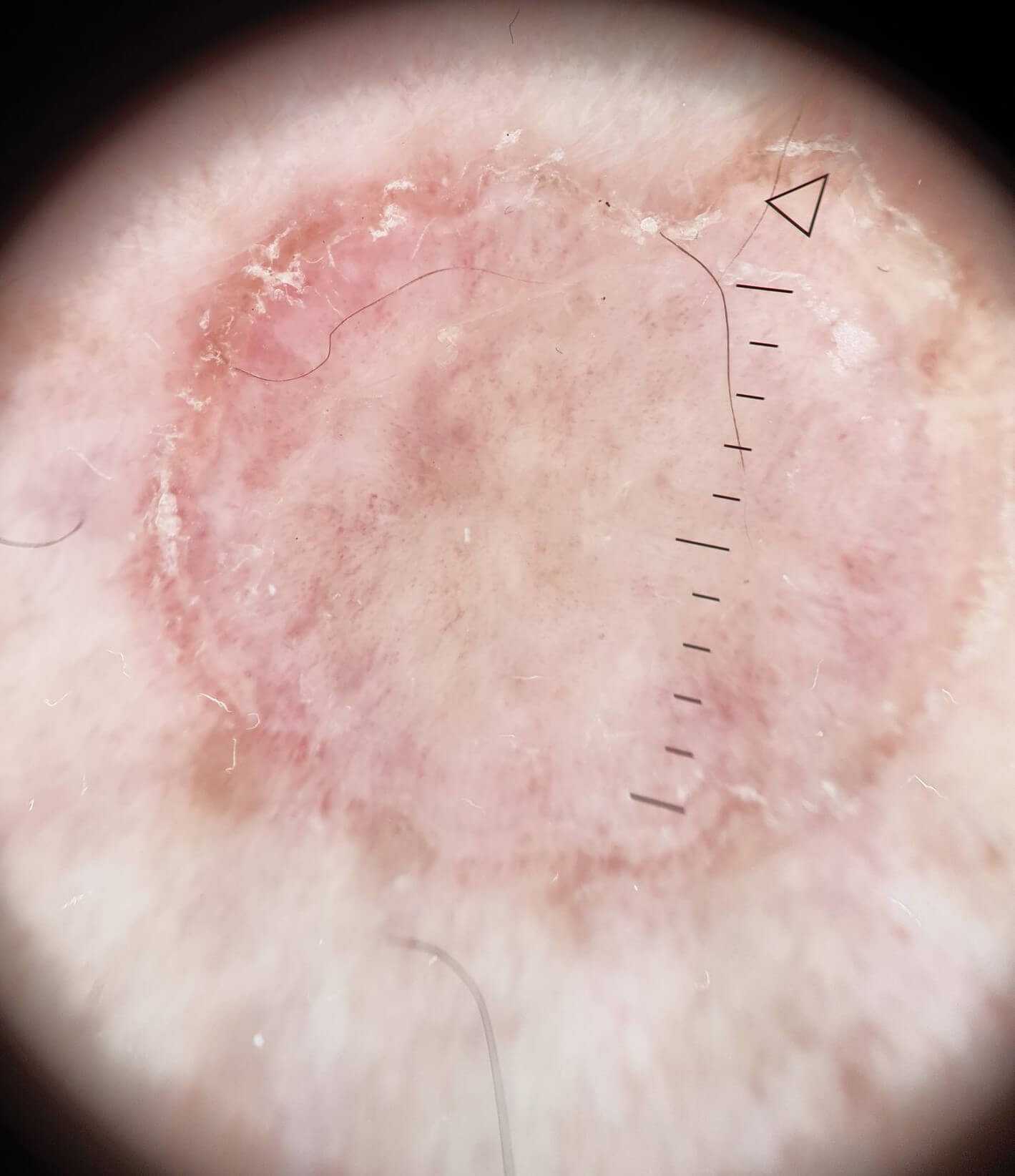
Close-up of figure 3

Arrow denotes the cornoid lamella


Investigations

  • The diagnosis is normally clinical
  • Histological confirmation is occasionally needed - the biopsy needs to be taken from the scaly edge of the lesion and demonstrates the presence of the cornoid lamellae

Management

  • General
    • There appears to be no effective treatment, many have been tried
    • For DSAP:
      • Provide a patient information leaflet
      • UV protection - although half of the children of affected individuals will have a tendency to develop DSAP, only some will go on to develop the condition, the risk is likely to be less for those with better UV protection
         
  • Risk of malignant transformation
    • Patients with DSAP appear to have a very low risk of malignant transformation
    • Large lesions are said to have the highest malignant potential, and malignant change has also been reported in linear forms. SCC is the most common tumour
    • Patients should be advised on UV protection and asked to report any changes or any new skin lesion that they do not recognise as normal 

  • PCDS Corporate Sponsors (View all sponsors)
  • Contact Us
  • Site Map
  • Disclaimer

Copyright © 1994 - 2017 The Primary Care Dermatology Society. All rights reserved. Charity No. 1109376
Lead Author - Dr Tim Cunliffe. Web Design - Mode Ten Designs.


2nd Floor, Titan Court, 3 Bishop Square, Hatfield, AL10 9NA. UK
Tel: 01707 226024 Email: pcds@pcds.org.uk

PCDS Latest News & Bulletins

PCDS Bulletin Summer 2017  |  06.06.2017
PCDS Bulletin Winter 2016  |  30.11.2016
PCDS Bulletin Summer 2016  |  13.06.2016