Acanthosis nigricans
LAST UPDATED: Mar 20, 2025
Introduction
Acanthosis nigricans (AN) is characterised by hyperpigmentation and a velvety thickening of skin predominantly affecting the neck and flexures. In most individuals the condition is regarded as benign; rarely it is associated with internal malignancy (malignant acanthosis nigricans), especially of the stomach.
This chapter is set out as follows:
Aetiology
Background
- AN has a number of aetiologies whose likely common mechanism is stimulation of tyrosine kinase growth factor receptor signalling pathways in the epidermis. In insulin resistance syndromes high levels of circulating insulin activate the insulin-like growth factor 1 receptor
- AN is more common in patients with skin of colour. In one study AN was observed in 1% of white people, 5.5% of people living in a rural, tropical area of Brazil or another country in Latin America, and 13.3% in African American populations
Causal factors
There are numerous causes of AN, which may occur in isolation or in combination:
- Insulin resistance secondary to obesity is the most common cause of AN. The changes are weight dependent; lesions may completely regress with weight reduction. Other causes of insulin resistance include PCOS
- Hereditary AN can be inherited as an autosomal dominant trait
- Drugs appear to be an uncommon cause, associated medications include systemic corticosteroids, nicotinic acid, and stilboestrol
- Acral AN, in which lesions are most prominent over the dorsal surface of hands and feet, are much more common in skin of colour
- Malignant acanthosis nigricans is associated with internal malignancy, usually a gastric adenocarcinoma; many other carcinomata have been associated
History
-
The age at which AN presents depends on the cause:
-
In many cases the condition presents in adults
-
In hereditary forms, AN tends to arise in childhood
-
Malignant AN tends to develop in middle-aged and elderly patients, and is more abrupt in presentation
-
The skin changes of AN tend to be asymptomatic, except in malignant AN
Clinical findings
Distribution
- Symmetrical
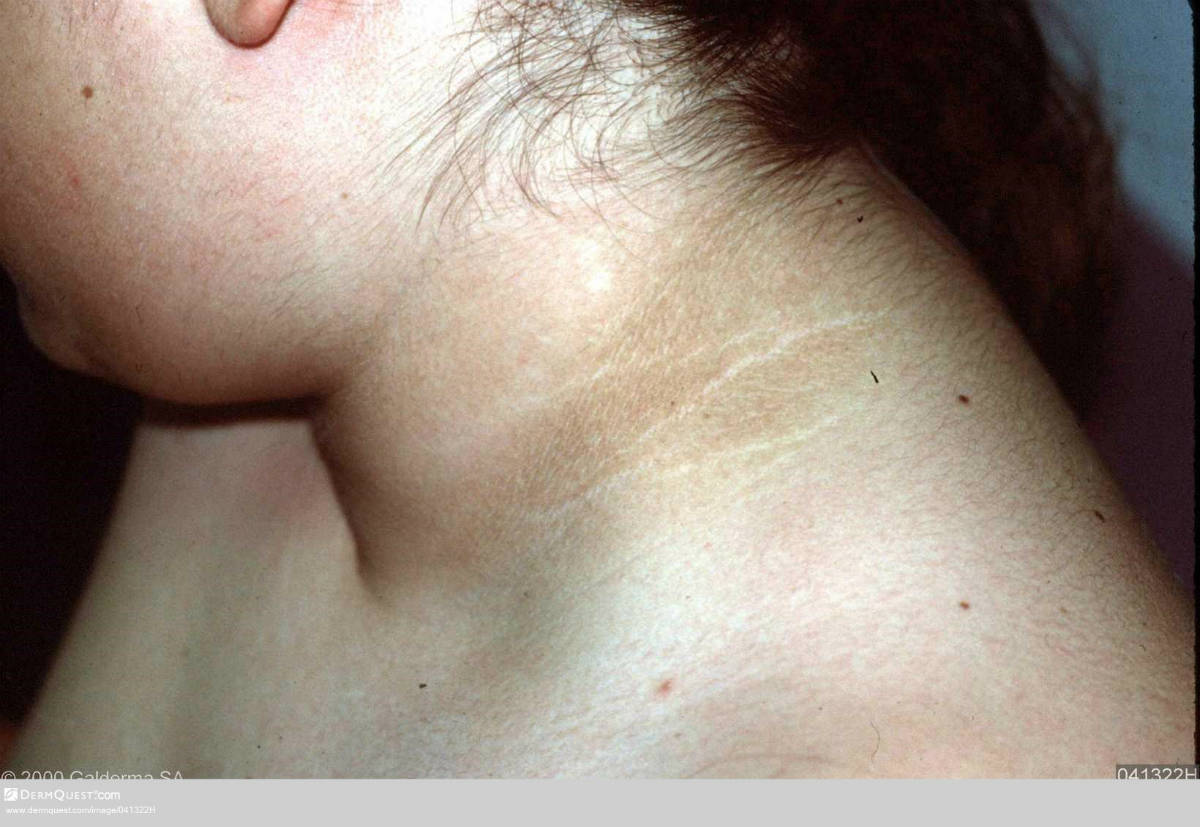
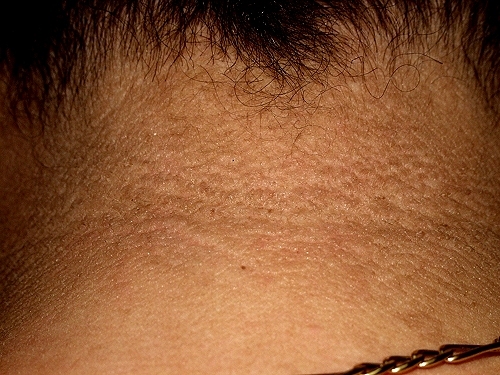
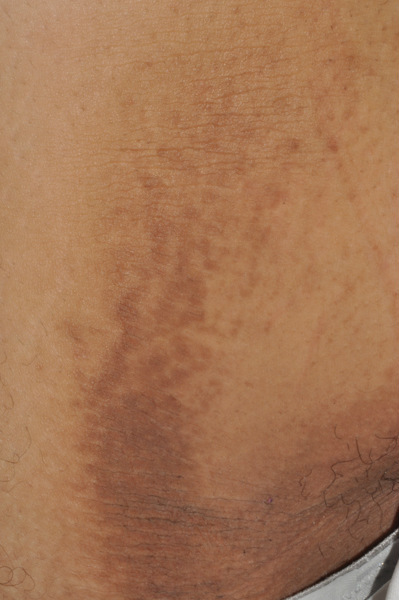
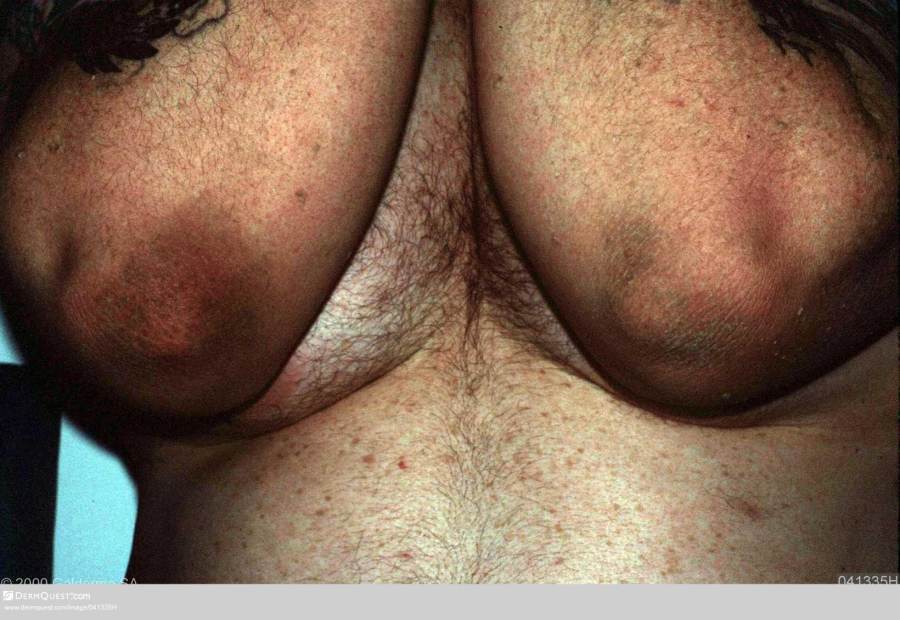
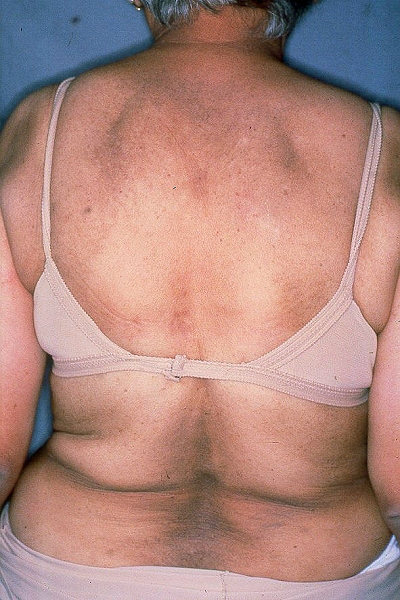
- The most common sites are the intertriginous areas of the axilla, groin, anogenital region, and the back and sides of the neck. The neck is the most commonly affected site in children
- The dorsal surfaces of the hands, feet, elbows and knees are involved in acral AN
- Other sites may be affected, and occasionally AN can be widespread
Morphology
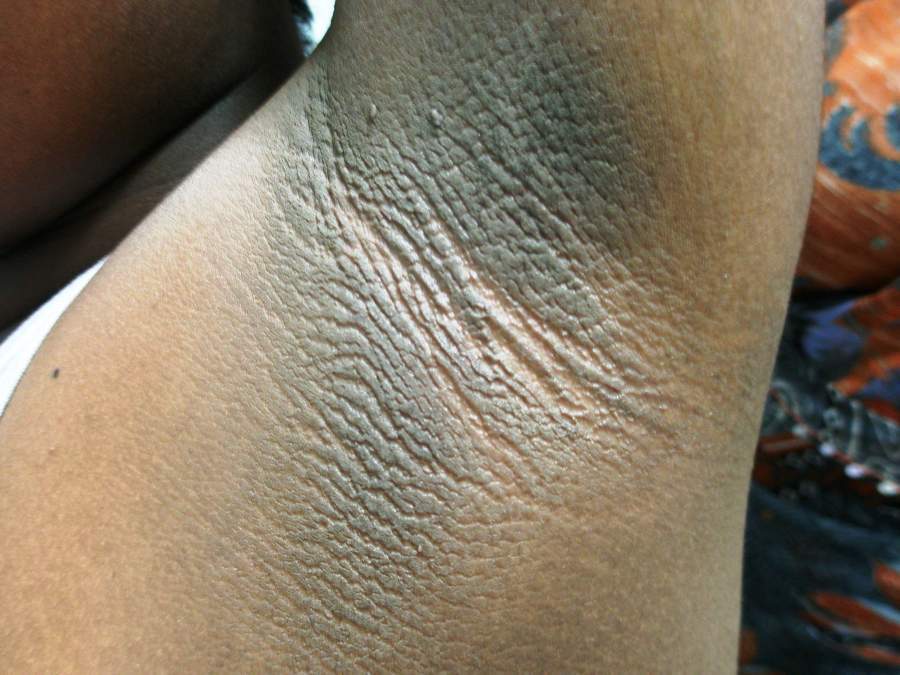
- Lesions begin as hyperpigmented patches, which thicken with a velvety texture
- Many small, papillomatous lesions develop within affected areas
Malignant AN
- Itch / irritation is common
- Lesions arise more suddenly, are more extensive and severe
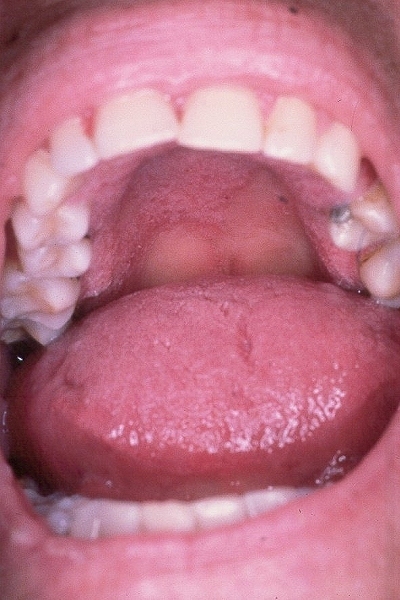
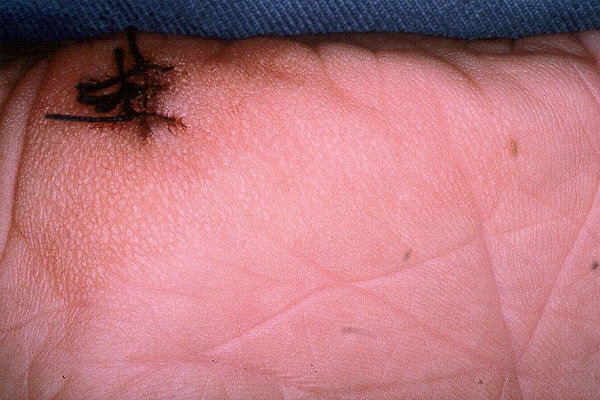
- The mucosa, palms and soles are much more frequently involved, and papillomatous thickenings around the lips and eyes may be the presenting feature
- The vast majority of cases of malignant AN are secondary to adenocarinoma of the stomach, but other malignancies sometimes found include other GI tract tumours, lung, uterus, ovaries, and urinary tract
- Additional features that should increase the level of suspicion are:
- Tripe palms, which denotes velvety, rugose thickening of the palms, and is nearly always associated with internal malignancy, usually the stomach or lungs
- The Leser-Trélat sign, characterised by the abrupt appearance of multiple, and sometimes itchy, seborrhoeic keratoses that rapidly increase in their size and number, is also associated with malignancy, usually of the stomach or colon
- Florid cutaneous papillomatosis (FCP), characterised by the rapid onset of numerous warty papules on the trunk and the extremities that are clinically indistinguishable from viral warts, is usually associated with gastric adenocarcinoma
Clinical Images
Please refer to notes on image rights at bottom of the page with regards to individual image
ownership.
Investigations
- Diagnosis is usually clinical. If a diagnostic biopsy is required histology shows hyperkeratosis and papillomatosis with finger‐like upward projections of dermal papillae
- In the majority of patients it is important to test for diabetes mellitus; in women also consider hyperandrogenism
Management
- There is no reliably effective treatment
- The primary aim is to correct the underlying cause, which, if possible can lead to an improvement in symptoms:
- Weight loss
- Where appropriate, correct hyperinsulinaemia through diet and medication including metformin
- If possible, stop causal medication in drug-induced AN
- Other treatments
- Topical calcipotriol or retinoids might be helpful in some cases
- Laser can be used for papillomatous areas
- Patients with suspected malignant AN need an urgent referral. Such patients need a thorough workup for underlying malignancy, although occasionally malignant AN can precede internal manifestations
Disclaimer - the author PCDS cannot accept responsibility for any misleading or incorrect statements, and the management of individual patients remains the direct responsibility of the individual doctor. We do however hope that visitors to this site can contact us regarding comments that are considered misleading or incorrect so that we can continue to improve the site.
Image Rights - The PCDS would like to thank Dermatoweb, DermQuest (Galderma), and others who have contributed images. All named individuals and organisations maintain copyright for the relevant images.