Atrophoderma of Pasini and Pierini

LAST UPDATED: Nov 21, 2021
Introduction

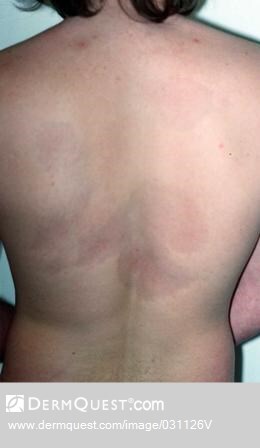
Atrophoderma of Pasini and Pierini is a rare disorder of dermal atrophy described by Pasini in 1923 and Pierini & Vivoli in 1936. The typical presentation is of single or multiple sharply demarcated, mildly depressed, hyperpigmented lesions on the trunk. It is believed to be a distinct entity from morphoea.

This chapter is set out as follows:


Aetiology

  • The cause is unknown 

History

  • It is more common in Caucasian's, and has a female to male ratio of 6:1
  • Lesions can arise at any age, but most commonly in the second and third decades 

Clinical findings

Distribution

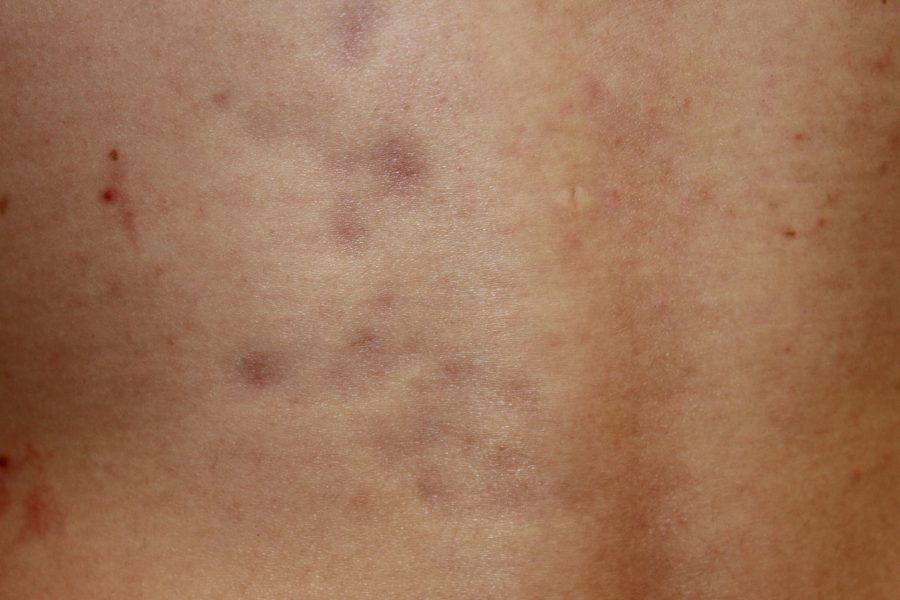
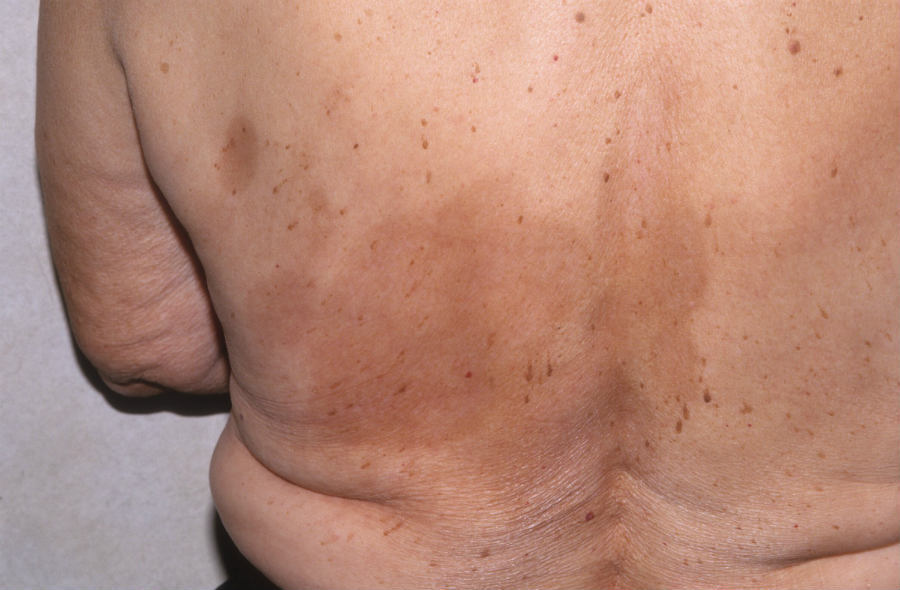
  • ​Most commonly, lesions are distributed symmetrically on the trunk, particularly on the back, and to a lesser extent on the extremities, with a few displaying a unilateral and zosteriform pattern

Morphology

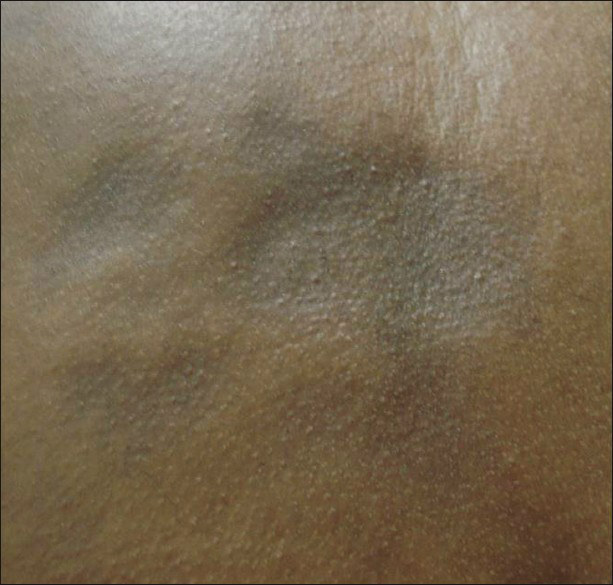
  • Single or multiple sharply demarcated, round to oval, hyperpigmented, mildly depressed patches ranging in size from a few mm to several cm. Hypopigmented lesions have been reported 
  • The distinct edge is described as having a “cliff-drop border'' 
  • The lesions may be discrete or confluent, increase in size very slowly, and eventually lighten before remaining stable for 10-20 years 
  • The skin surface feels normal, unlike in morphoea where the skin is firm 

Clinical Images

Please refer to notes on image rights at bottom of the page with regards to individual image ownership.

Investigations

  • Histology
    • ​Histopathological changes are often minimal and non-diagnostic
    • The epidermis - is usually normal or slightly atrophic, and there may be a decrease in the size of the dermal papillae with flattening of the rete pegs. Melanin may be increased in the basal layer
    • The dermis - the dermal thickness is reduced and collagen bundles show varying degrees of homogenisation and clumping in the mid and reticular dermis. There may be a mild perivascular infiltrate consisting of lymphocytes and histiocytes 

Management

  • Although often persistent, the condition is self-limiting
  • No treatment has been shown to be reliably effective 

Disclaimer - the author PCDS cannot accept responsibility for any misleading or incorrect statements, and the management of individual patients remains the direct responsibility of the individual doctor. We do however hope that visitors to this site can contact us regarding comments that are considered misleading or incorrect so that we can continue to improve the site.

Image Rights - The PCDS would like to thank Dermatoweb, DermQuest (Galderma), and others who have contributed images. All named individuals and organisations maintain copyright for the relevant images.

Quick Links

The following pharmaceutical companies have had no involvement in the content of this website or in our conference programmes


Almirall
Galderma
Glenmark
Johnson & Johnson
La Roche-Posay
LEO Pharma
Pierre Fabre
Schuco