Drug rashes: severe
LAST UPDATED: Sept 23, 2022
Introduction
Serious adverse cutaneous drug reactions are sometimes referred to as SCAR (serious cutaneous adverse reactions). This chapter is set out as follows:
Clinical findings
Serious / potentially serious adverse cutaneous drug reactions (ACDR) include:
-
Urticaria - angioedema - anaphylaxis
-
Stevens-Johnson syndrome / Toxic epidermal necrolysis
-
Drug Hypersensitivity syndrome (syn. Drug
Rash with Eosinophilia and Systemic Symptoms or DRESS syndrome)
-
Erythroderma (syn. generalised exfoliative dermatitis)
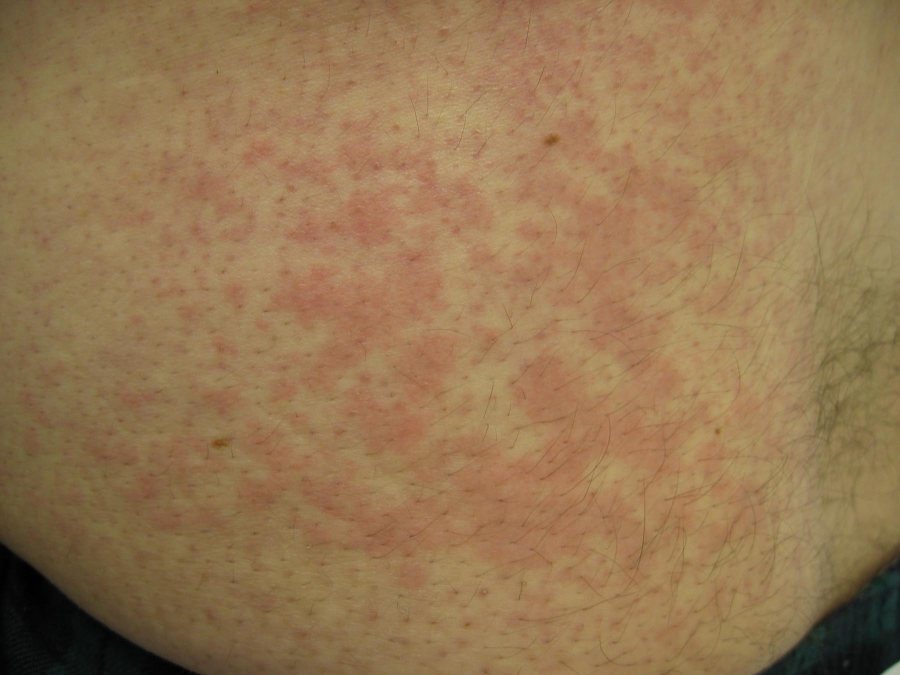
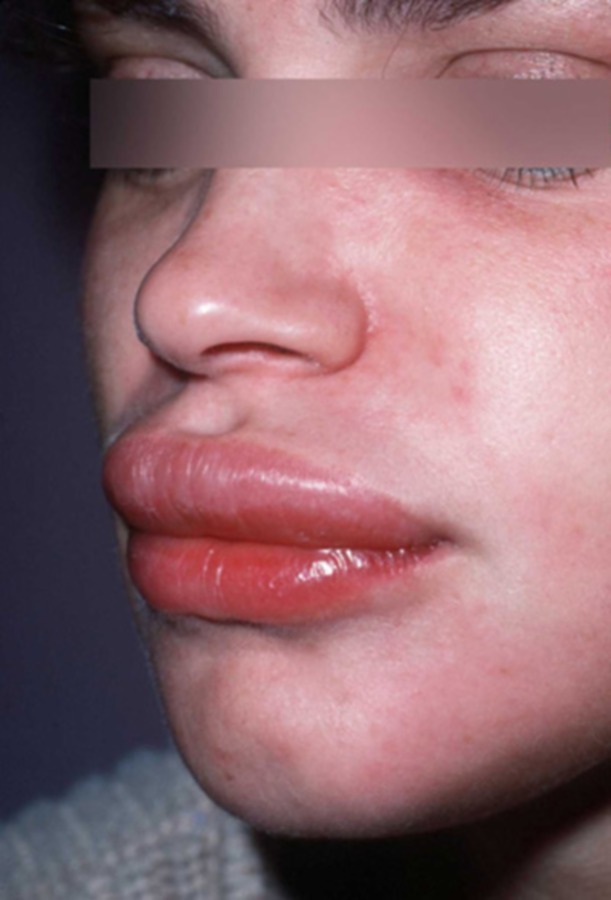
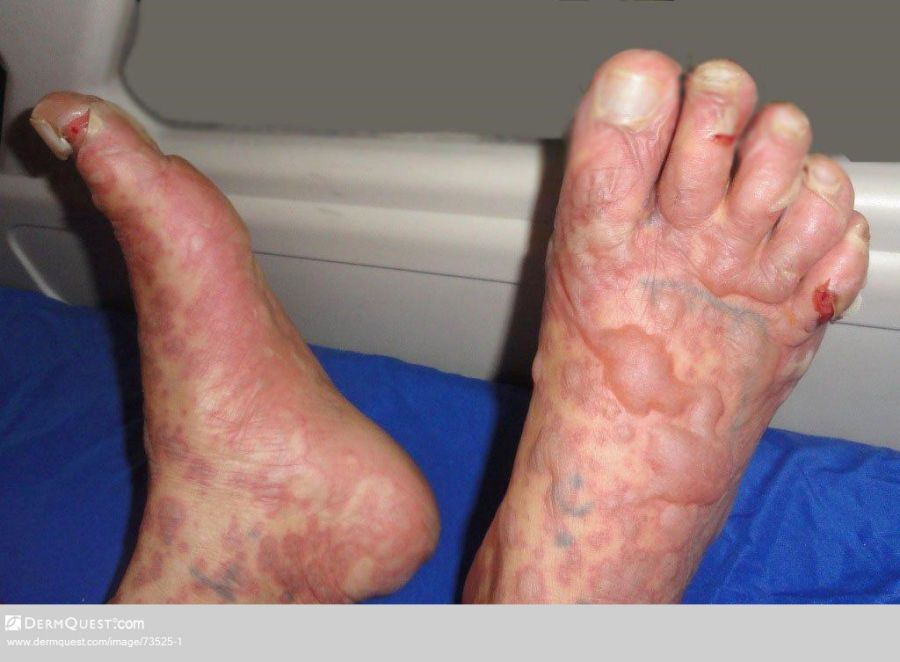
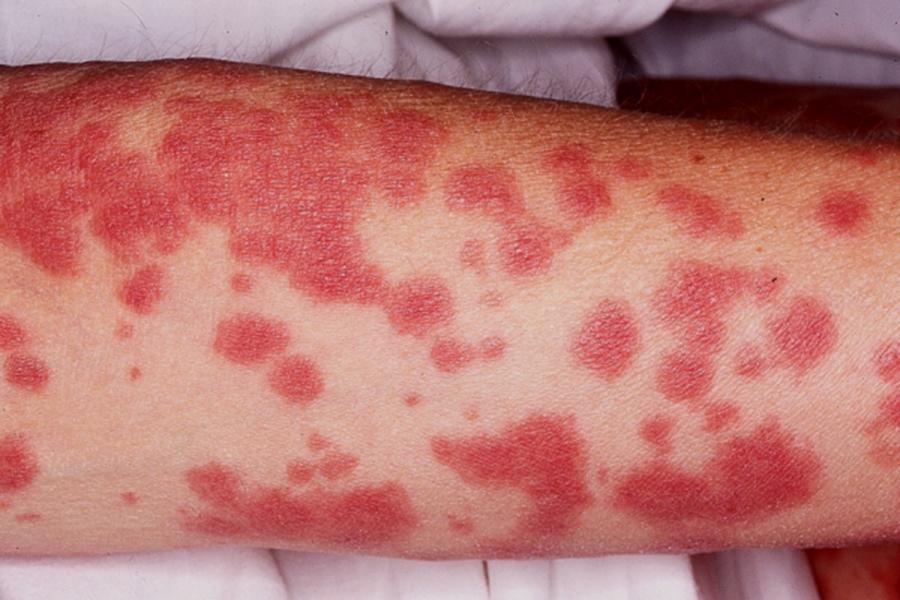
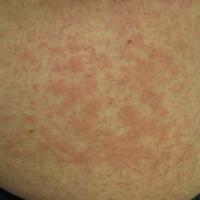
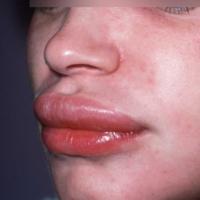
Urticaria – angioedema – anaphylaxis and serum sickness (figures 1-2)
-
These are the second most common ACDR
-
Chronology - rapid, often minutes-hours after taking the medication
-
Most commonly associated drugs - antibiotics (especially penicillin but also cephalosporins, sulphonamides, aminoglycosides, tetracyclines), aspirin and other NSAID, vaccines containing egg protein and radiographic contrast material
-
ACEI are well known to cause angioedema without urticaria - can occur months to years after the patient has been on the drug. Most serious reactions occur in black African patients with fatalities related to massive oedema of the tongue and pharynx. Some (but not all) patients sensitive to ACEI are also allergic to Angiotensin II receptor blockers (ARBs), as such they should be avoided
-
Serum sickness combines urticaria and angioedema with fever, arthralgia, lymphadenopathy and occasionally internal involvement. It occurs between one and three weeks after initiation of the drug
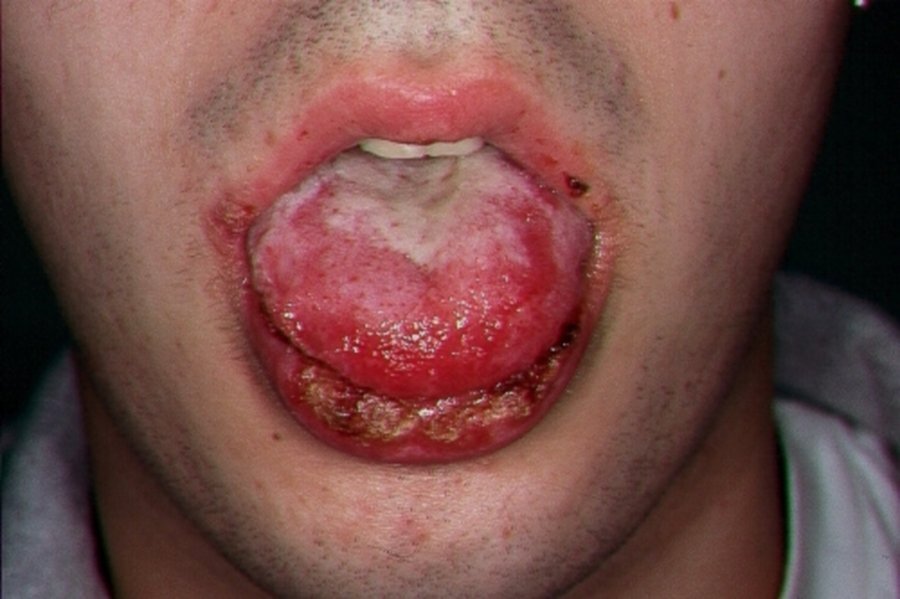
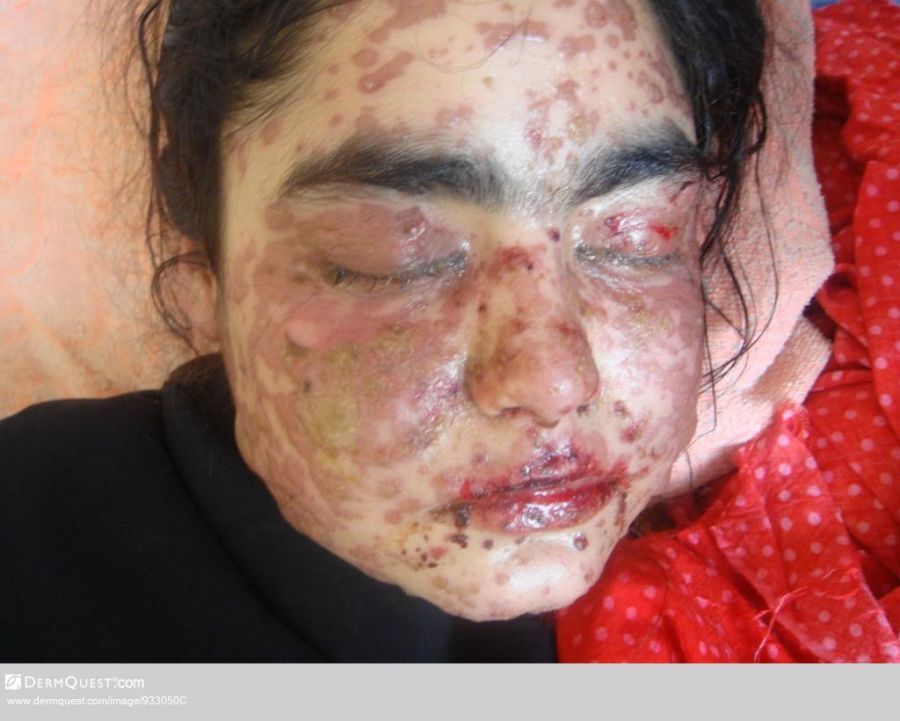
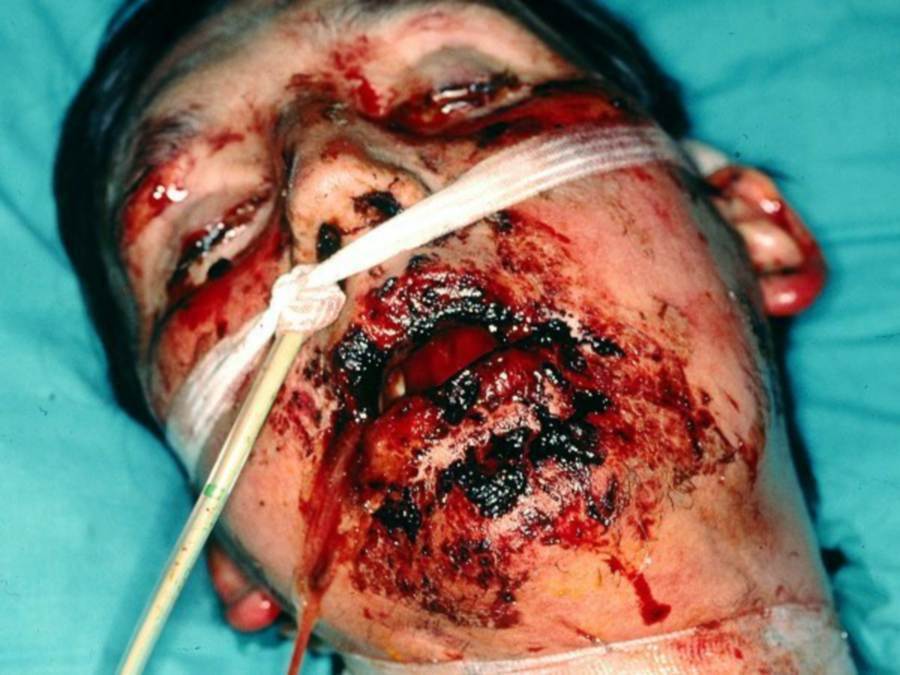
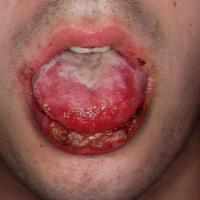
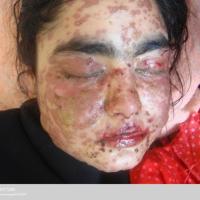
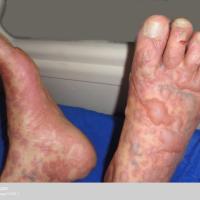
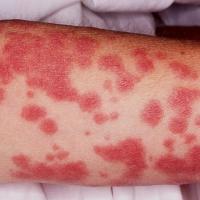
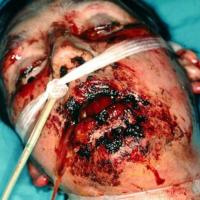
Stevens-Johnson syndrome / Toxic epidermal necrolysis (figures 3-7)
-
Stevens Johnson syndrome (SJS) and toxic epidermal necrolysis (TEN) are variants of the same condition and distinct from erythema multiforme
-
The term SJS is used when the disease involves less than 10% of the total body surface area. TEN is used when the disease involves more than 30% of the body surface area. Patients whose disease involves 10-30% of their body surface area are said to have SJS / TEN overlap
-
Although rare it is very serious and mortality rates increase as the percentage of involved body surface increases. The mortality rate is up to 10% for SJS and 25-40% for TEN
-
They are normally caused by medications, more than 200 have been reported. SJS / TENS is more common in association with HIV
-
Most commonly associated drugs - allopurinol, the antibiotic sulfa drugs especially Septin ® (refer to the chapter on mild-moderate rashes for more information on sulfa drugs), certain anticonvulsants (carbamazepine, lamotrigine, phenytoin, phenobarbital), and the oxicam NSAID eg piroxicam and meloxicam
- Occasionally SJS / TEN is caused by herpes simplex (especially in children) and mycoplasma pneumonia
-
Clinical features
-
History - symptoms often start within a few days of the drug being commenced although it can take a little longer with anticonvulsants. Patients have fever, malaise, myalgia and arthralgia
-
Painful / tender erythema with local erosions and blisters - quickly progresses to areas of confluent erythema with sheet-like skin loss
-
Mucosal involvement includes the eyes, lips/mouth, oesophagus, upper respiratory tract (causing cough and respiratory distress), genitalia and gastrointestinal tract resulting in diarrhoea
-
Differential diagnosis - staphylococcal scalded skin syndrome (no mucosal involvement, more superficial) and pemphigus
-
Management
-
Patients need immediate assessment by a dermatologist - if the offending drug can be stopped at a very early stage patients have a better chance of survival
-
Patients are best cared for in an intensive care and/or burns unit
-
The role of systemic steroids and other drug therapy is controversial
-
Family members are more at risk of severe ACDR
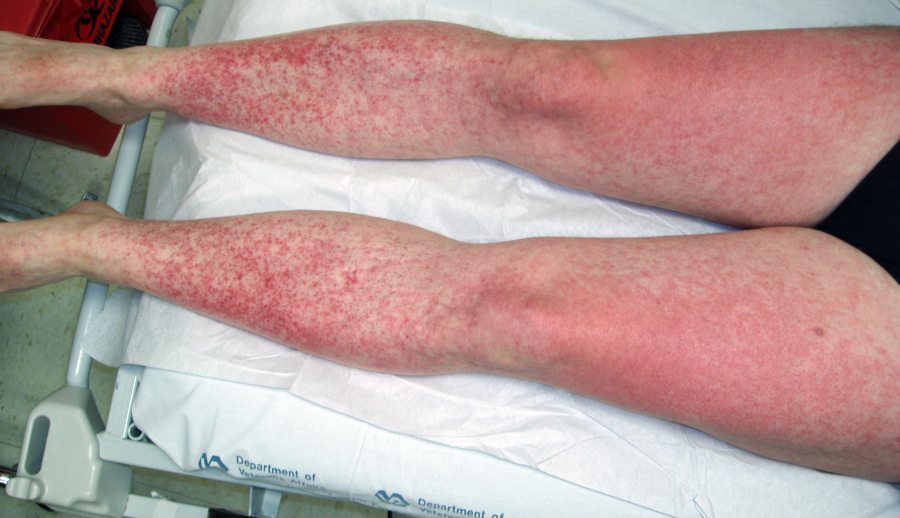
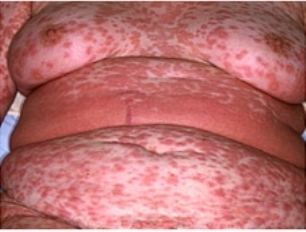
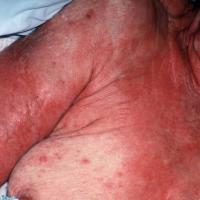
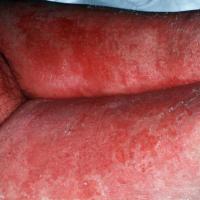
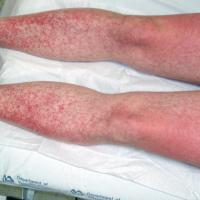
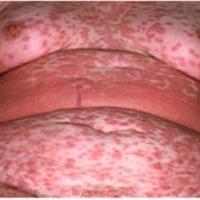
Drug Hypersensitivity syndrome (syn. Drug Rash with Eosinophilia and Systemic Symptoms or DRESS syndrome) (figures 8-9)
-
Chronology - generally three to six weeks after the medication was commenced, although dapsone can cause a much quicker reaction
-
Clinical features
-
Systemic upset such as malaise and fever
-
A rash of variable appearance - widespread papules and plaques is the most common presentation followed by a measles type rash. Other morphologies have been reported including an urticated papular erythema characterised by widespread itchy papules and plaques
-
Haematological changes, especially eosinophilia
-
Usually solid‐organ disturbances - hepatitis 50%, nephritis 10%, pneumonitis 10%
-
Lymphadenopathy (especially cervical) is common, as is oedema of the head and neck
-
Medications most commonly associated - the aromatic anticonvulsants eg phenytoin and carbamazepine. Cross reaction is also possible for patients also taking non-aromatics such as valproic acid. Other more commonly implicated medications include allopurinol, minocycline and sulphasalazine
- Coexistent herpes simplex infection can exacerbate the Drug Hypersensitivy syndrome
-
Management
-
Stop the offending drug
-
Discuss with on-call dermatologist
-
Investigations - FBC, U+E, LFT. CXR if respiratory symptoms. Check TFT on recovery
-
Prednisolone 0.5 -1 mg/kg/day for two months
-
Family members at increased risk of ACDR
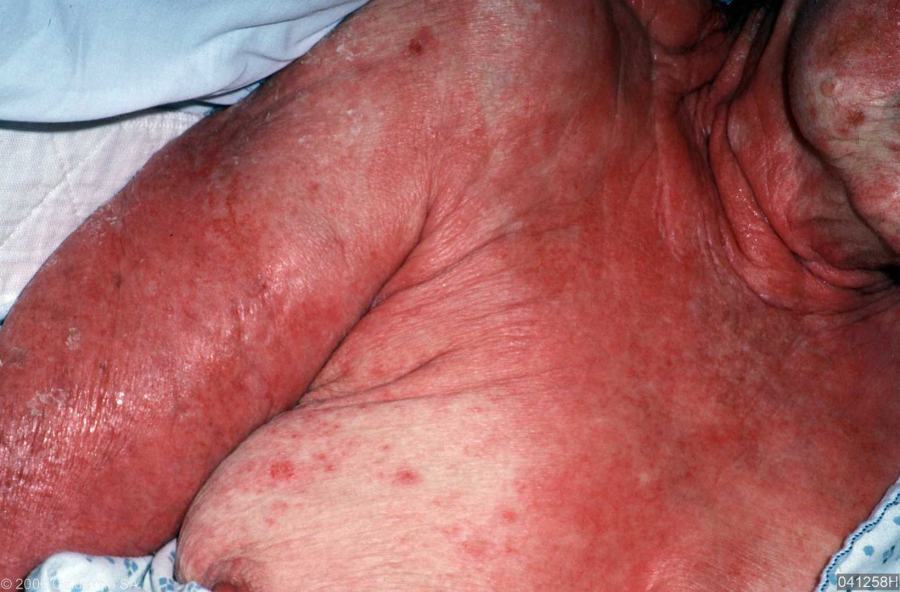
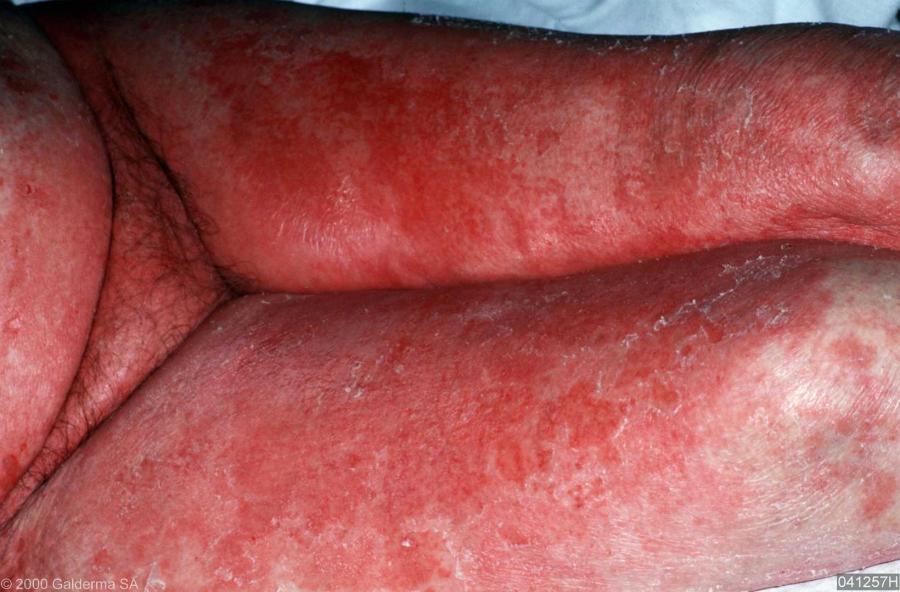
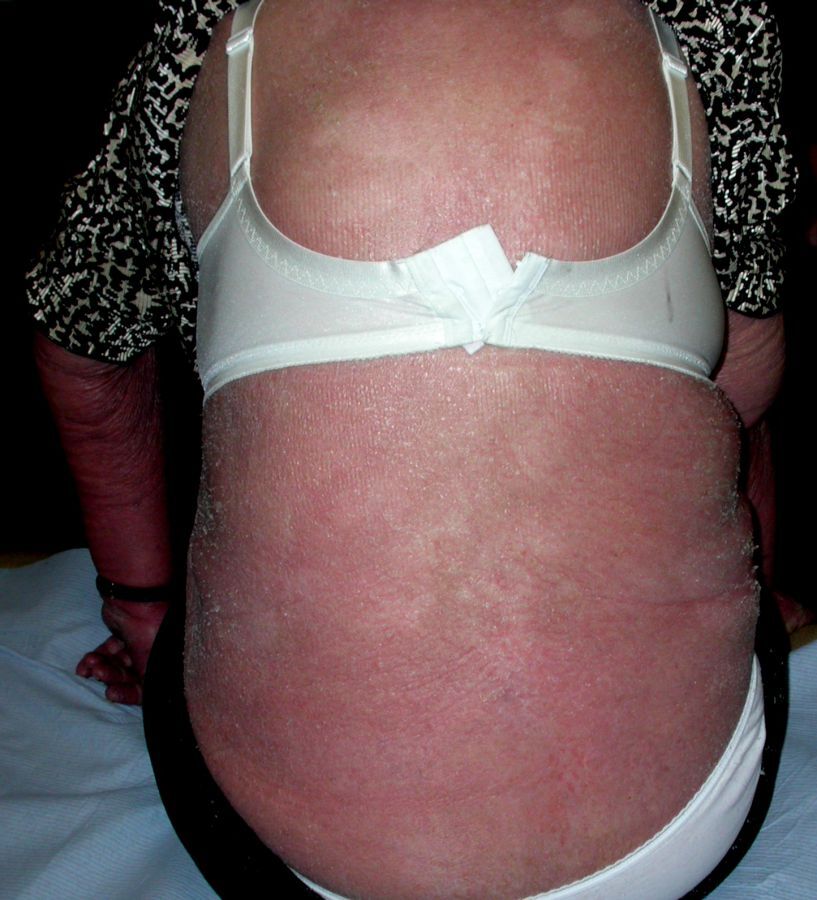
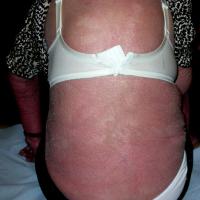
Erythroderma (syn. generalised exfoliative dermatitis) (figures 10-11)
-
Only occasionally caused by a drug - refer to the chapter Eythroderma for other causes
-
Chronology - symptoms can start several weeks after the medication was commenced
-
Morphology - a red scaly rash affecting 90% or more of the skin surface
-
Associations - it can also be part of the Drug Hypersensitivity syndrome
-
The most commonly associated drugs include - sulphonamides, isoniazid, penicillin, antimalarials, phenytoin, captopril and cimetidine
Clinical Images
Please refer to notes on image rights at bottom of the page with regards to individual image
ownership.
1
2
3
4
5
6
7
8
9
10
11
12
Management
-
Refer to the section on clinical findings
Disclaimer - the author PCDS cannot accept responsibility for any misleading or incorrect statements, and the management of individual patients remains the direct responsibility of the individual doctor. We do however hope that visitors to this site can contact us regarding comments that are considered misleading or incorrect so that we can continue to improve the site.
Image Rights - The PCDS would like to thank Dermatoweb, DermQuest (Galderma), and others who have contributed images. All named individuals and organisations maintain copyright for the relevant images.