Photodermatoses: drug / chemical-induced

LAST UPDATED: Jan 13, 2022

Introduction

A wide range of medications, predominantly systemic treatments, as well as other chemicals and plants can cause photosensitive reactions.

This chapter is set out as follows:


Aetiology

The mechanisms of drug-induced photodermatoses can be:

  • Phototoxic (non-allergic) - these are drugs which in nearly all patients will cause photosensitivity when used
  • Photoallergic - these will only cause photosensitivity in a few of those, who are allergic, taking the drug

History

  • The rash can be painful or eczematous
  • The length of time between when the drug is first taken to the development of the rash is very variable. Symptoms can come on within weeks, although sometimes it can take years, eg quinine

Clinical findings

Distribution

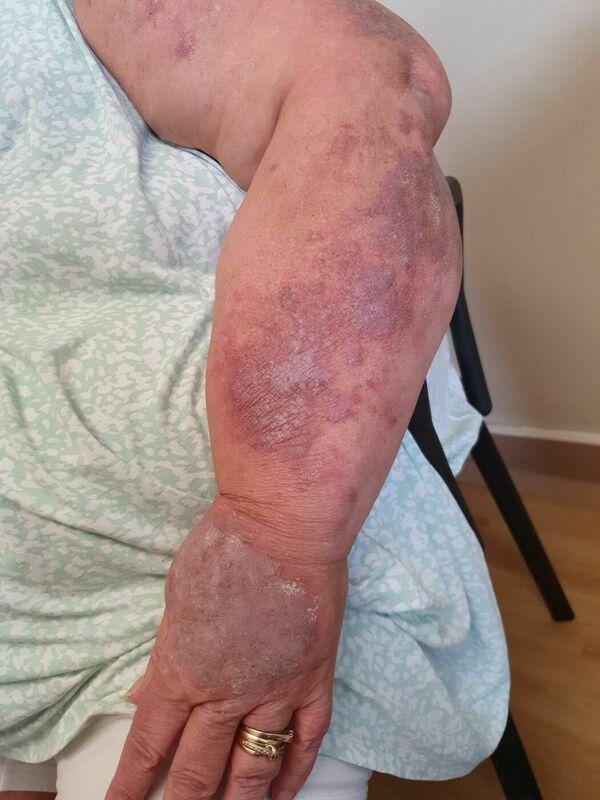
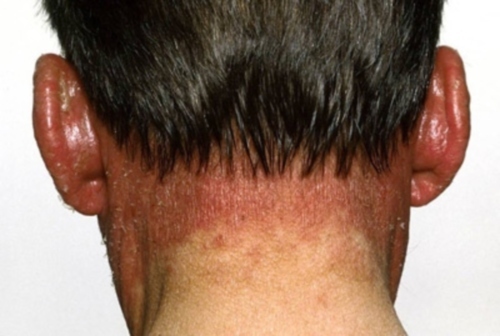
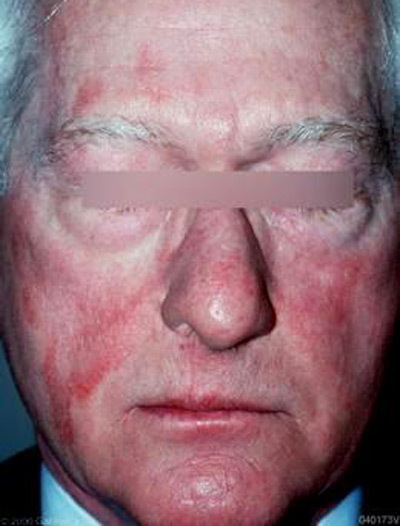
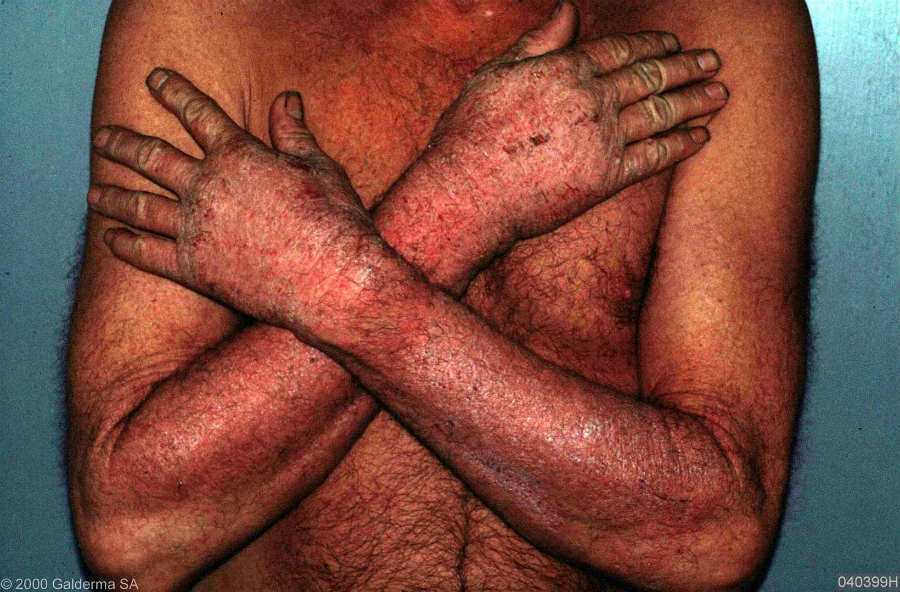
  • ​Predominantly sun-exposed parts of body

Clinical features can include the following:

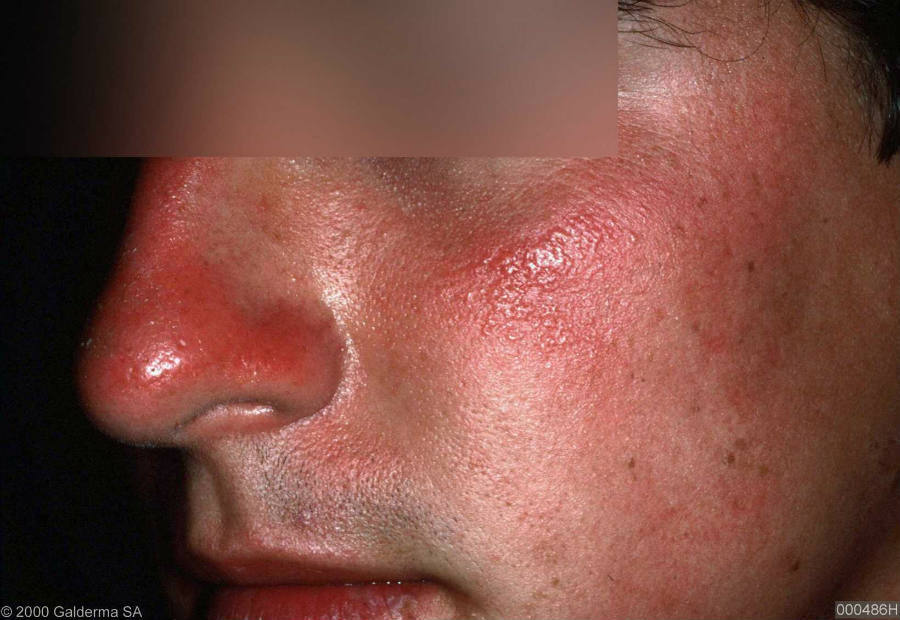
  • Acute sunburn-like reactions
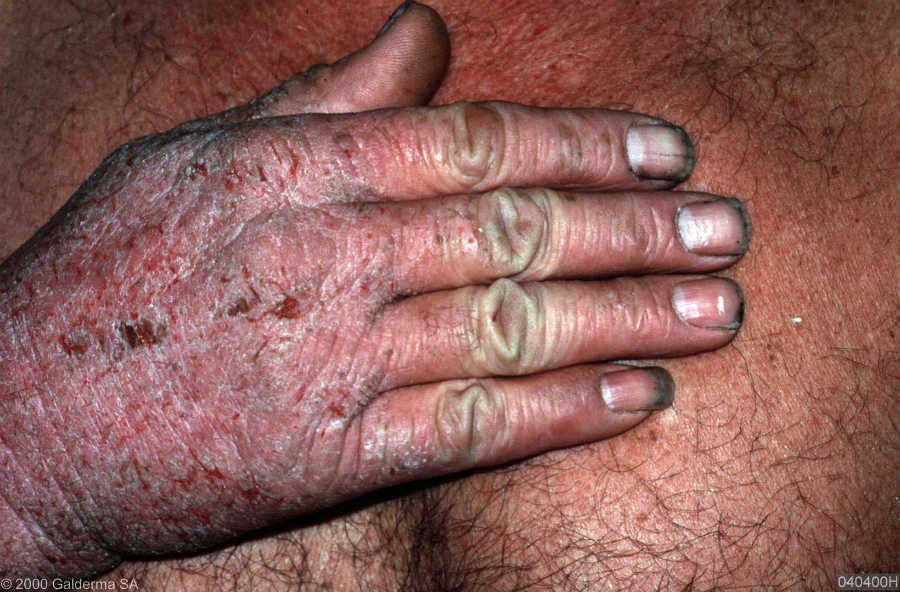
  • Eczematous changes with erythema and scaling 
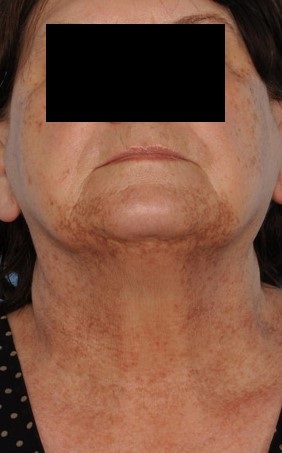
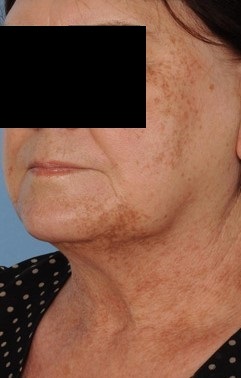
  • Hyperpigmentation 
  • Lichenoid reactions 
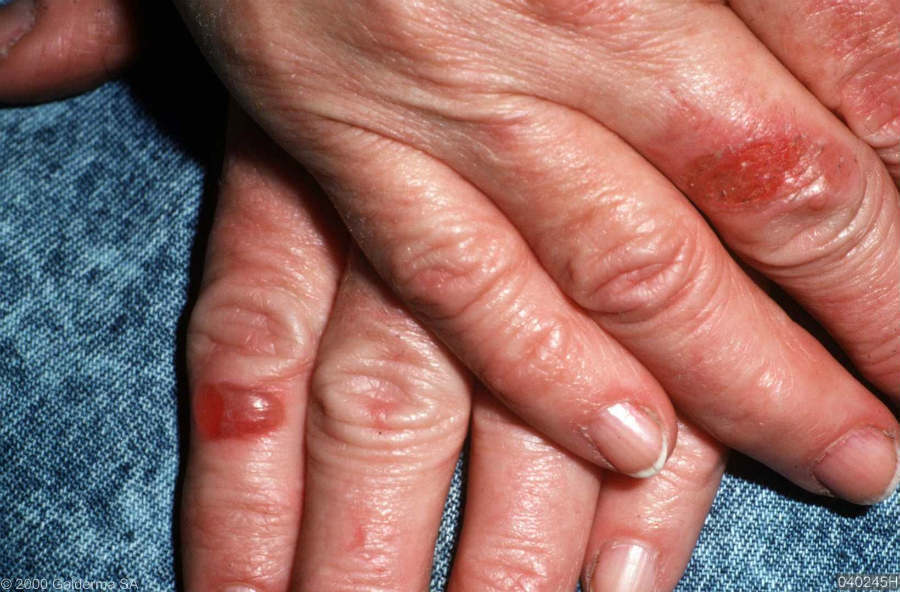
  • Pseudoporphyria - presenting as blistering / skin fragility, often on the backs of hands.The most commonly associated drugs are the NSAIDs, for more information refer to the chapter Porphyria
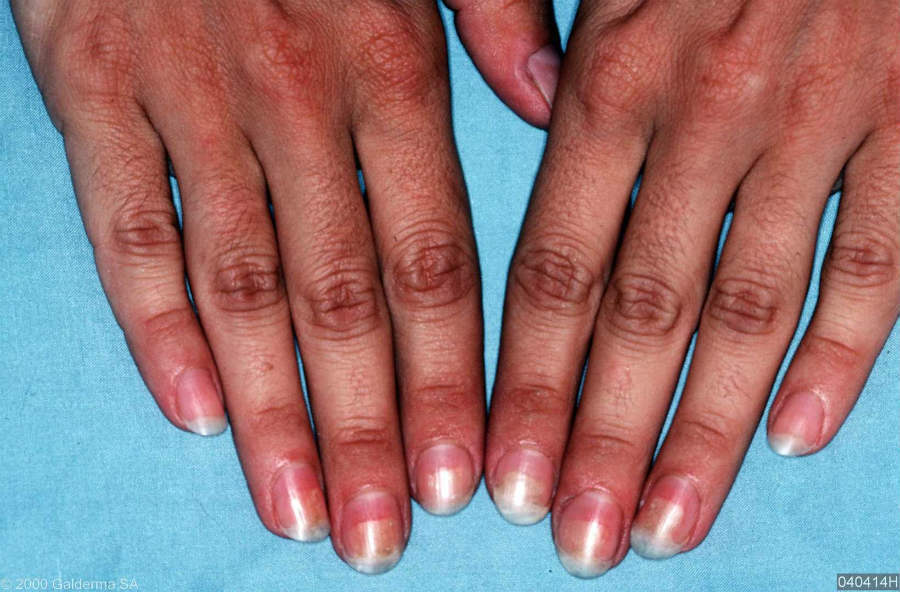
  • Photo-onycholysis mainly secondary to the tetracyclines, ofloxacin and following PUVA 
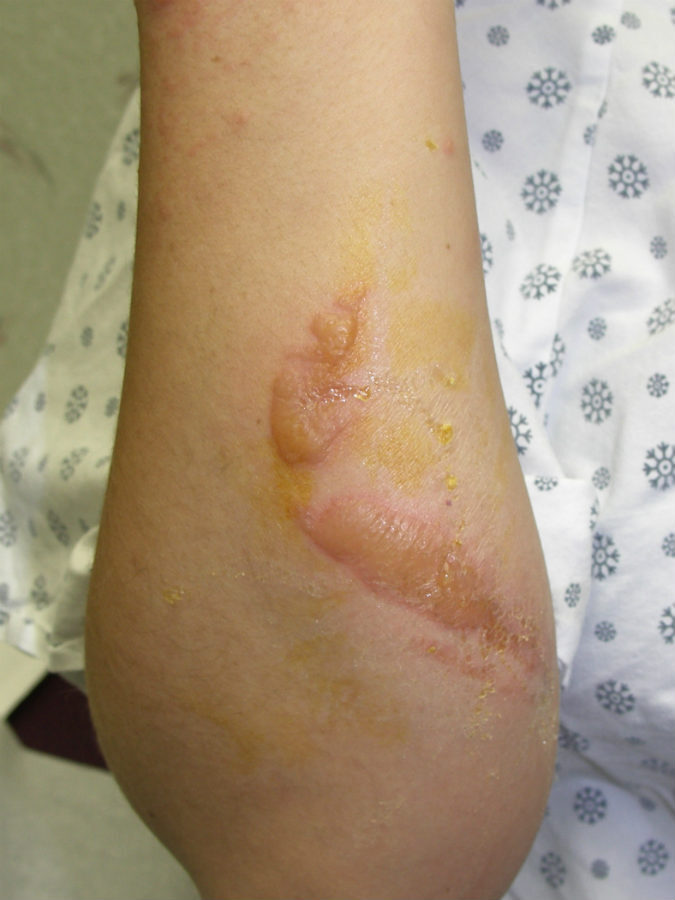
  • Phytophotodermatitis - is a bullous reaction caused by contact with naturally occurring plant psoralens. Some of the more common plants are the common hogweed, giant hogweed, cow parsnip, common rue, parsley and celery as well as lime, lemon and fig. Symptoms start about 24 hours after exposure and get worse over 1-3 days, before then improving
  • Several non-drug related conditions can cause a similar appearance - refer to the chapter Photodermatoses: an overview for more information

Clinical Images

Please refer to notes on image rights at bottom of the page with regards to individual image ownership.
Management

  • The most important aspect of management is to try and find out which drug is responsible. However, even after discontinuing the culprit drug it can sometimes take many months for the symptoms to improve
  • Phototoxic reactions - the most commonly associated drugs are psoralens (PUVA therapy, plants), amiodarone, ciprofloxacin and other quinolones, doxycycline, and nalidixic acid
  • Photoallergic reactions are rare but important - the most commonly associated drugs are quinine, thiazides, carbamazepine, naproxen and other NSAID
  • The other group to be aware of are those allergic to sunscreens or topical NSAID, which can cause a photocontact allergic dermatitis. Where suspected, refer for photo-patch testing. It is important to remember that sunscreen can be found in a number of face creams and hair products

Disclaimer - the author PCDS cannot accept responsibility for any misleading or incorrect statements, and the management of individual patients remains the direct responsibility of the individual doctor. We do however hope that visitors to this site can contact us regarding comments that are considered misleading or incorrect so that we can continue to improve the site.

Image Rights - The PCDS would like to thank Dermatoweb, DermQuest (Galderma), and others who have contributed images. All named individuals and organisations maintain copyright for the relevant images.

Quick Links

The following pharmaceutical companies have had no involvement in the content of this website or in our conference programmes


Almirall
Galderma
Glenmark
Johnson & Johnson
La Roche-Posay
LEO Pharma
Pierre Fabre
Schuco