Ehlers-Danlos syndrome

LAST UPDATED: Aug 08, 2023
Introduction

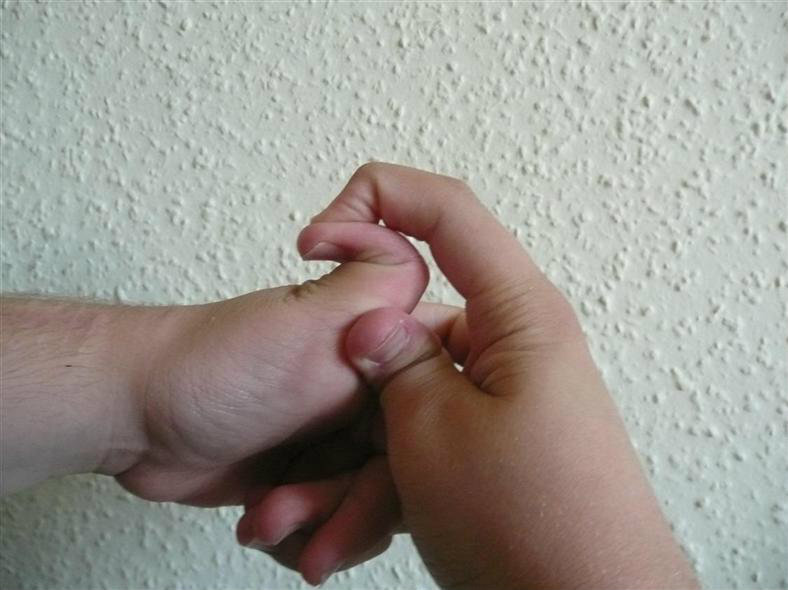
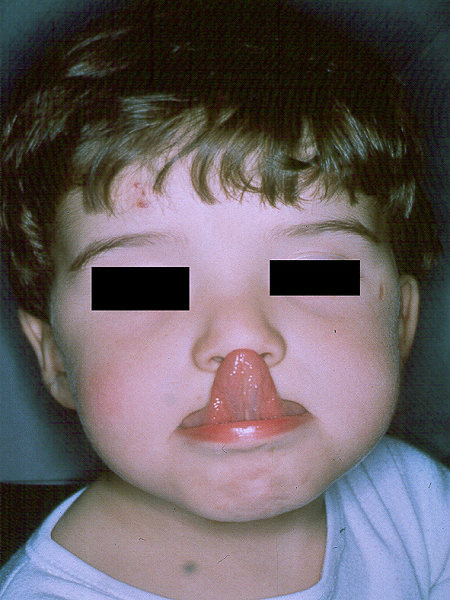
Ehlers–Danlos syndrome (EDS) is a heterogeneous group of inherited disorders of connective tissue that variably impairs the structure and function of the skin, joints, eyes and internal organs. It is characterised by joint hypermobility, skin hyperextensibililty and tissue fragility.

This chapter, which is set out as below, provides a very brief overview of this condition. 


History

  • Whilst features may present at birth, most patients present later in childhood
  • There is no sex predilection although more females present with the hypermobility type of EDS
  • Reported co-morbidities include chronic fatigue, chronic pain, and chronic headache 

Clinical findings

  • There are several subtypes of EDS classified according to the clinical features
     
  • A diagnosis of EDS should be considered in anyone with the cardinal manifestations of the following:
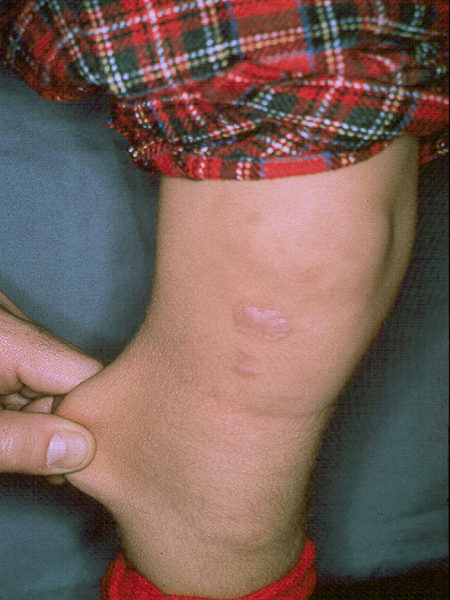
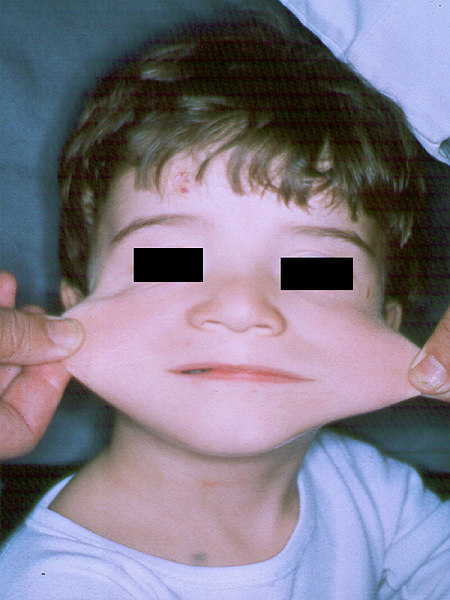
    • Skin hyperextensibility - it is easy to pull the skin away from the body, but it retains its normal recoil so once released it retracts to its original state. The skin is not usually otherwise lax until later in life, when redundant folds occur on the eyelids, face and limbs. Stretch marks are more common 
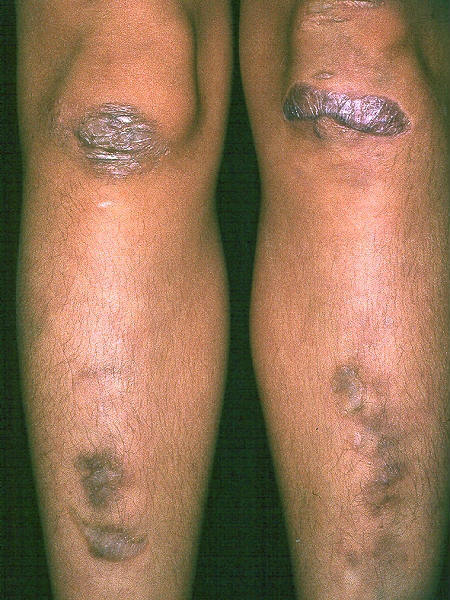
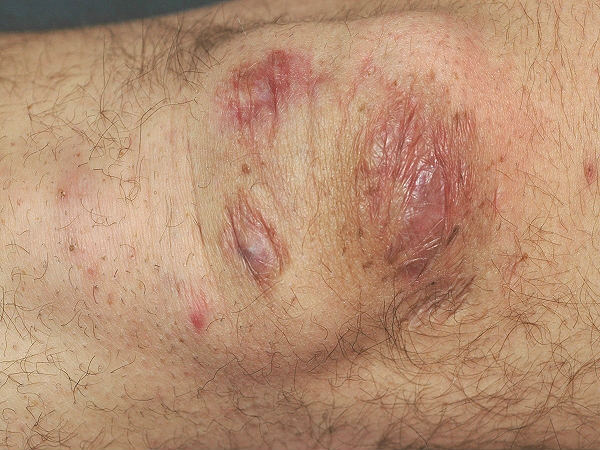
    • Skin fragility - the skin easily splits and wounds are very slow to heal, even trivial lacerations can leave broad, atrophic ‘cigarette paper’ scars
    • Easy bruising
    • Joint hypermobility - the fingers are most often affected but all joints can be involved. Walking can be impaired, especially during pregnancy. Subluxation of the large joints may occur
  • Other features include - poor response to local anaesthetic and reduced awareness of joint position (proprioception)
  • Most patients with EDS have a normal life expectancy, however, the vascular type (Ehlers-Danlos syndrome IV) is associated with major complications that arise following spontaneous rupture of large arteries, as well as the colon and gravid uterus

Clinical Images

Please refer to notes on image rights at bottom of the page with regards to individual image ownership.
Management

  • A multidisciplinary team approach is required with involvement of appropriate specialists
  • Patients should receive genetic counselling

Disclaimer - the author PCDS cannot accept responsibility for any misleading or incorrect statements, and the management of individual patients remains the direct responsibility of the individual doctor. We do however hope that visitors to this site can contact us regarding comments that are considered misleading or incorrect so that we can continue to improve the site.

Image Rights - The PCDS would like to thank Dermatoweb, DermQuest (Galderma), and others who have contributed images. All named individuals and organisations maintain copyright for the relevant images.

Quick Links

The following pharmaceutical companies have had no involvement in the content of this website or in our conference programmes


Almirall
Galderma
Glenmark
Johnson & Johnson
La Roche-Posay
LEO Pharma
Pierre Fabre
Schuco