Foreign bodies (including penetrating injuries and tattoos)
LAST UPDATED: Jul 12, 2021
Introduction
A foreign body reaction is a term used to define the pathological response to extraneous materials that become deposited in the skin or deeper tissues.
This chapter is set out as follows:
History
-
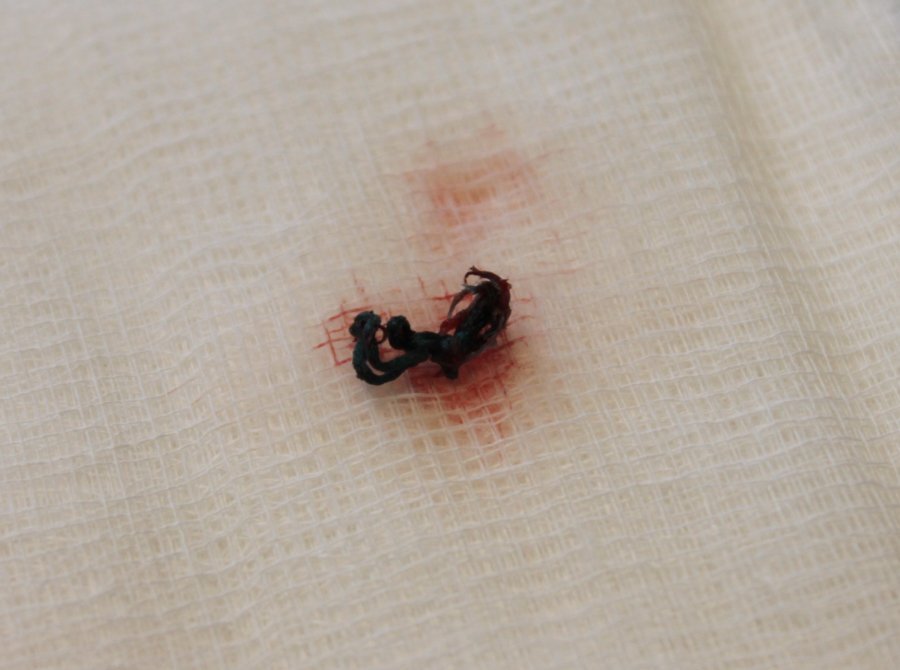
A foreign body reaction can result from treatment (eg a retained suture, the use of fillers), from an injury, from tattoos or by other means
-
If the patient has a history of a penetrating injury it is important to try and find out what the material was
Clinical findings
There are numerous clinical presentations including the following:
-
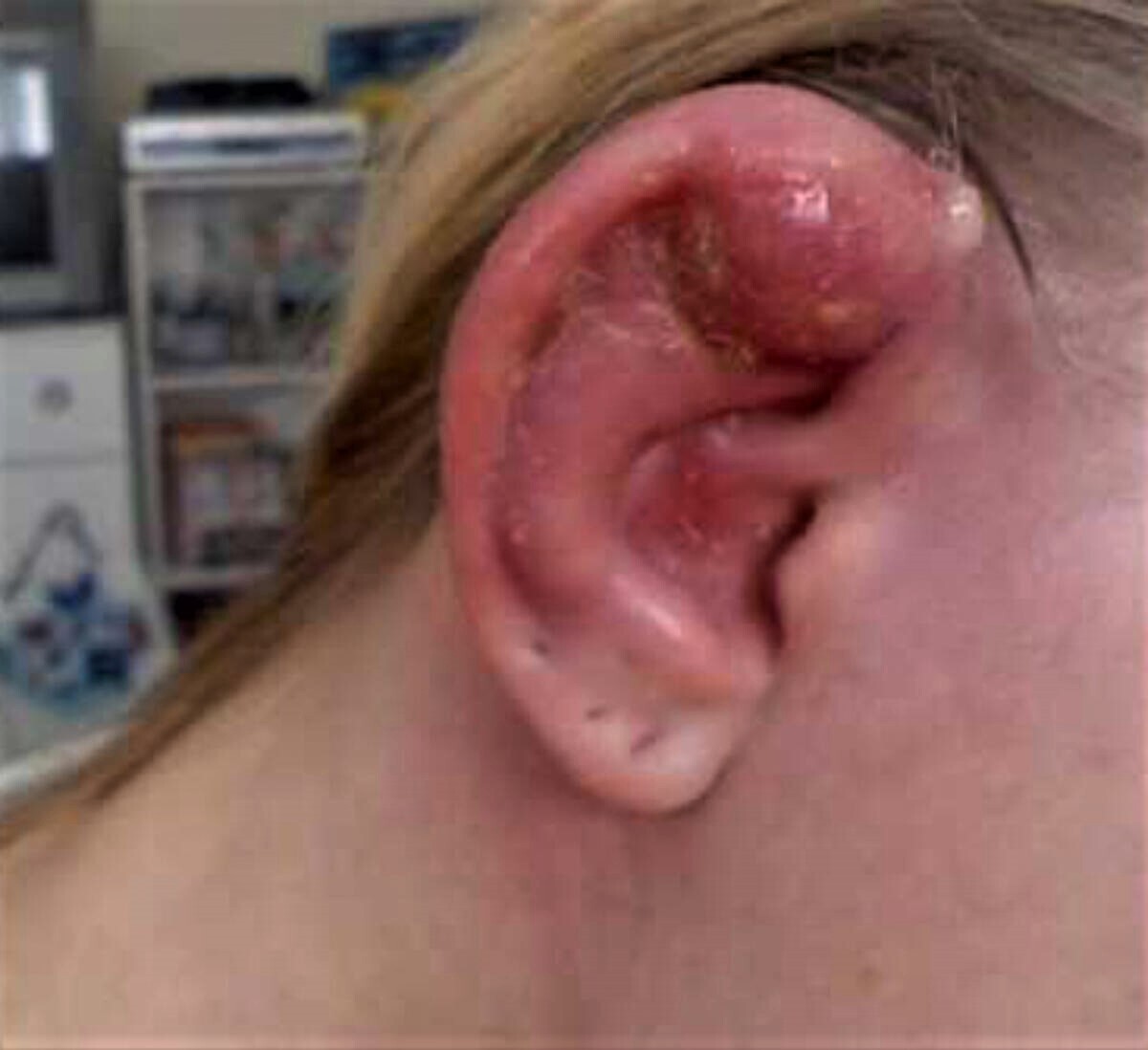
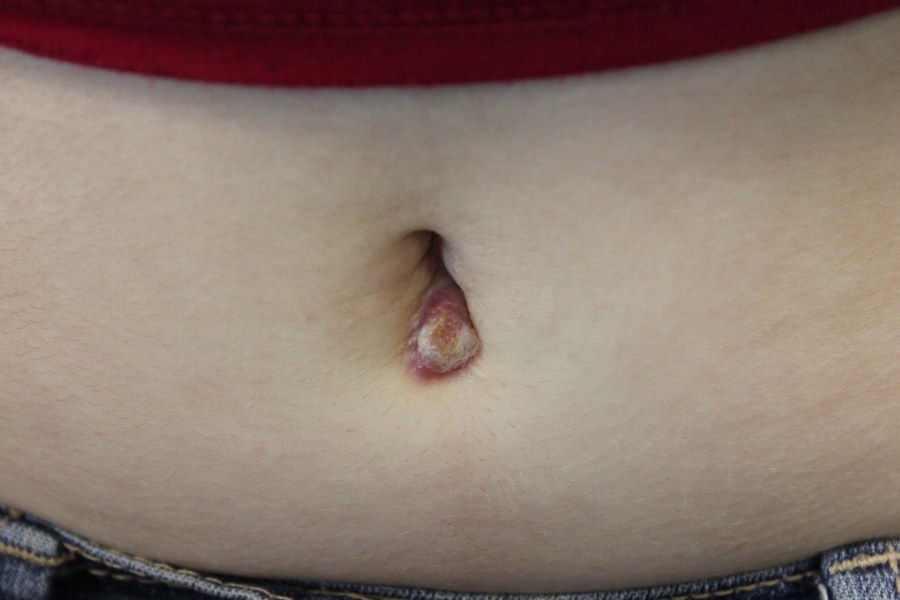
A wound that fails to heal, continues to cause pain or has a persistent purulent discharge
-
Soft tissue infections such as an abscess or cellulitis
-
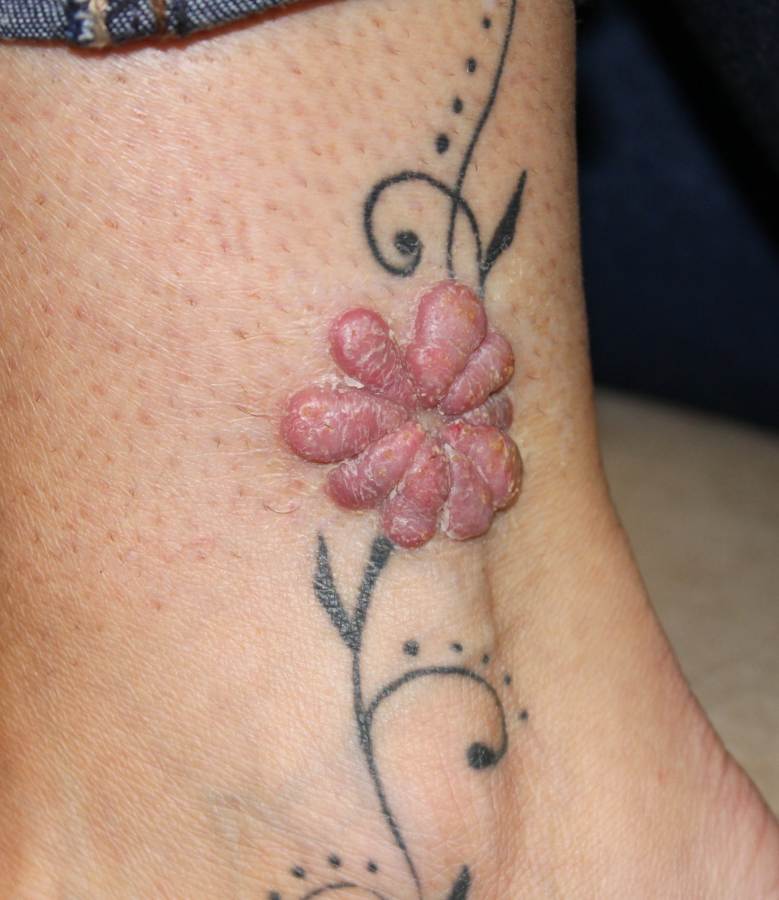
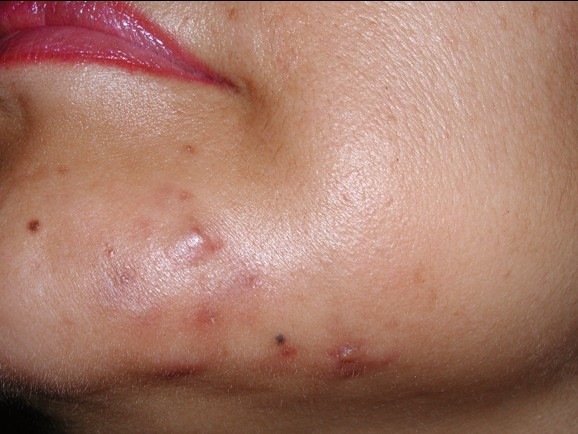
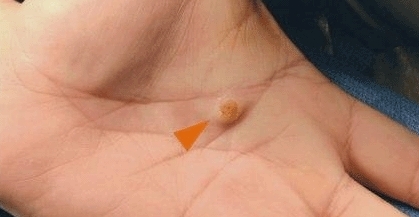
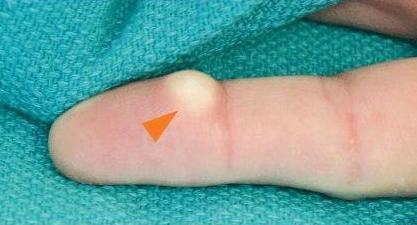
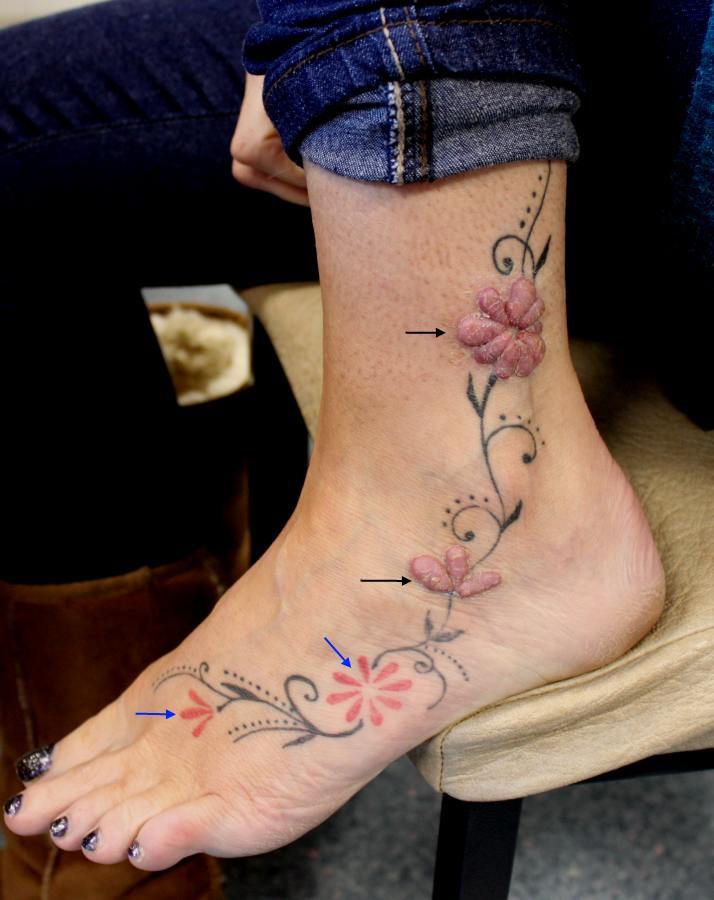
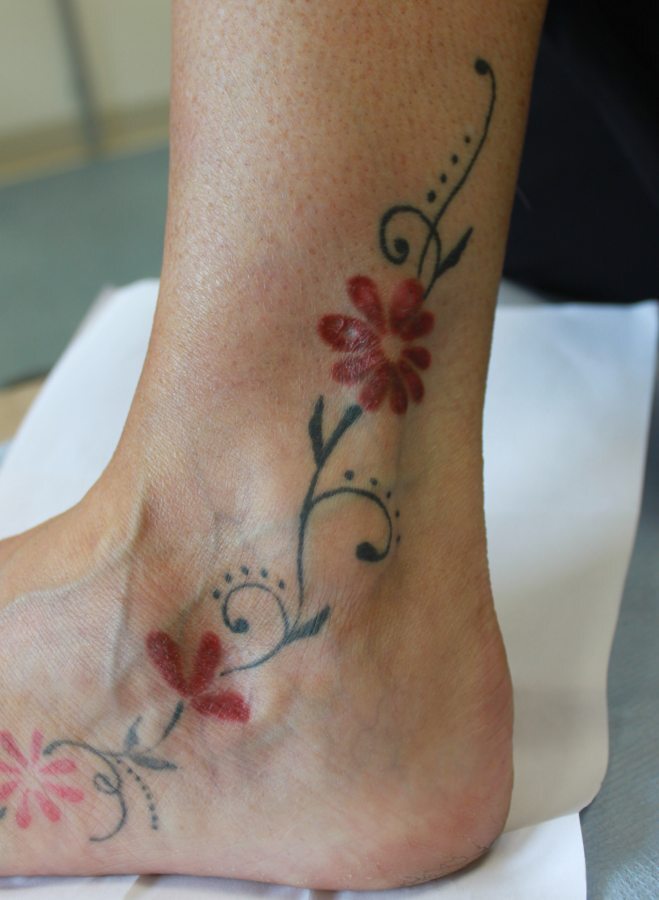
Many types of foreign body form a granulomatous reaction, with the development of erythematous-brown papules, nodules or plaques. One such example is an ‘immunisation granuloma’, which arises at the site of immunisation
-
An epidermoid inclusion cyst resulting from pieces of the epidermis being carried in by the foreign body
-
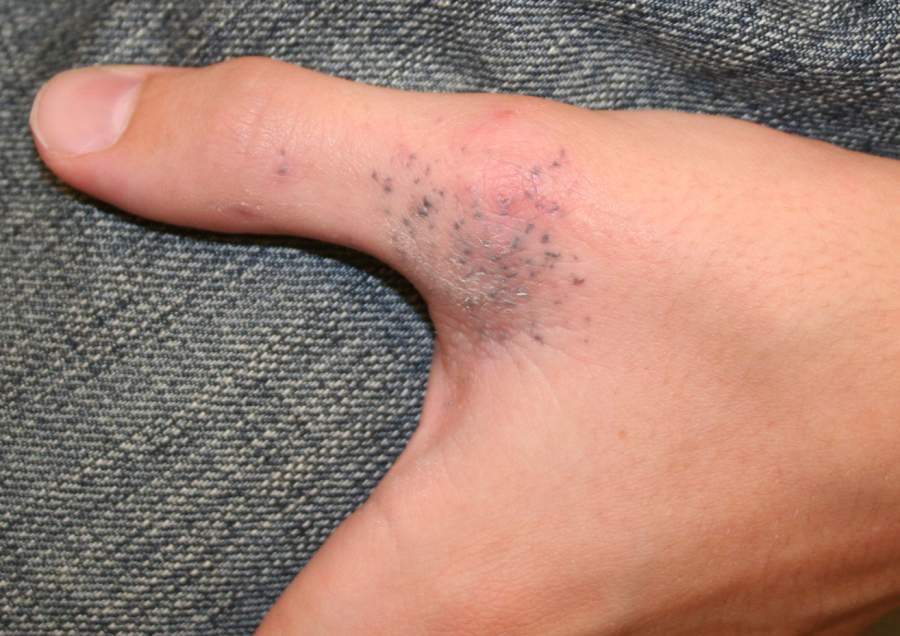
Pigmentary changes that are tattoo-like with a blue-black colour
Clinical Images
Please refer to notes on image rights at bottom of the page with regards to individual image
ownership.
Investigations
-
Are not always needed
-
A plain X-ray will detect radio-opaque objects (eg metal, bone, teeth, pencil graphite, gravel, some glass and some plastics) unless they sit over a radiologically dense background such as bone
-
With regards to glass, its radio-opacity depends on the lead content, so it can be helpful to present an example of the offending glass to be x-rayed to see if it can be detected
-
Many organic foreign bodies are not visible on X-ray, especially after 48 hours, and so an U/S or CT / MRI scan may be needed
Management
Penetrating injuries
-
It can be a difficult decision as to whether or not to remove a foreign body. The following indications would generally favour removal:
-
Reactive material eg thorns and spines, as they are more likely to provoke infection / inflammation
-
Objects more likely to have a heavy bacterial infection eg teeth, soil
-
Toxins eg heavy metals
-
Location - proximity to tendons, vessels or nerves or other important anatomical structures. An intra-articular location
-
Causing impairment of mechanical function
-
Persistent pain, inflammation or infection
-
Associated cosmetic or psychological problems
-
The individual removing the foreign body should have the skills necessary for that particular circumstance eg some foreign bodies may be easy to remove whereas others are much more difficult eg a foreign body lying close to tendons in the hand should be removed by a hand surgeon
Disclaimer - the author PCDS cannot accept responsibility for any misleading or incorrect statements, and the management of individual patients remains the direct responsibility of the individual doctor. We do however hope that visitors to this site can contact us regarding comments that are considered misleading or incorrect so that we can continue to improve the site.
Image Rights - The PCDS would like to thank Dermatoweb, DermQuest (Galderma), and others who have contributed images. All named individuals and organisations maintain copyright for the relevant images.