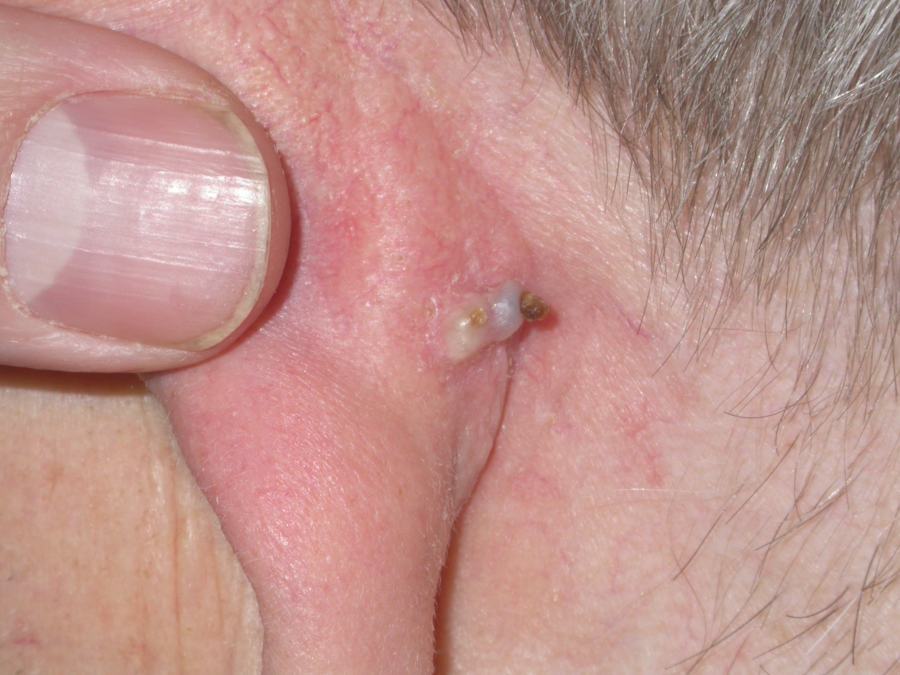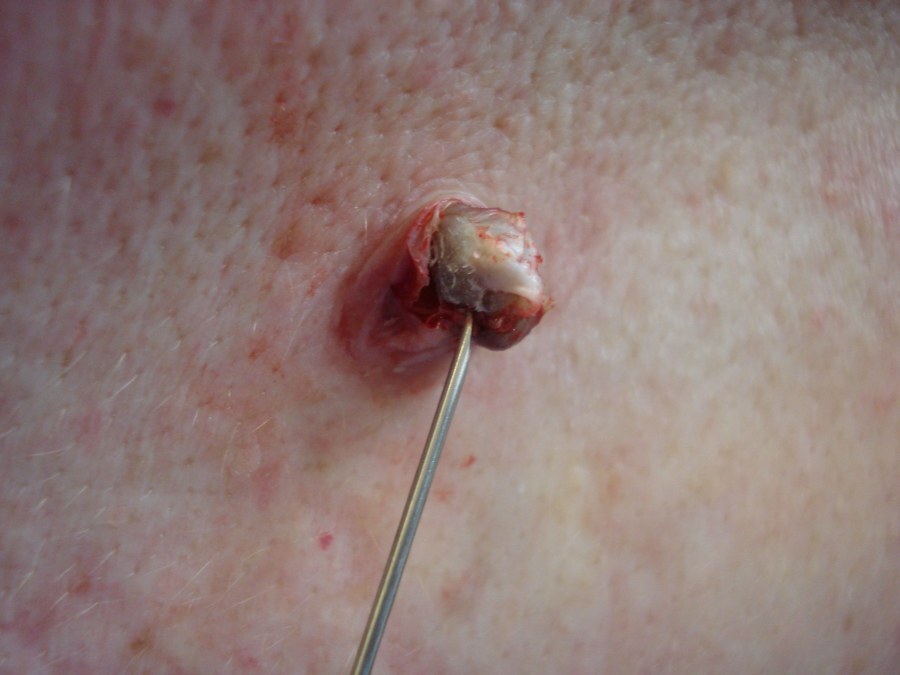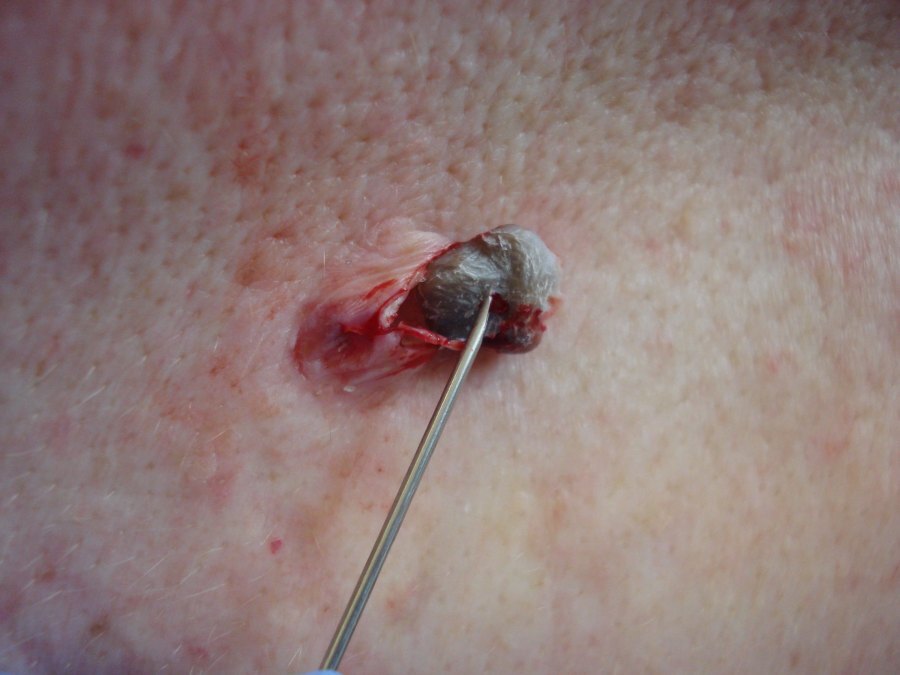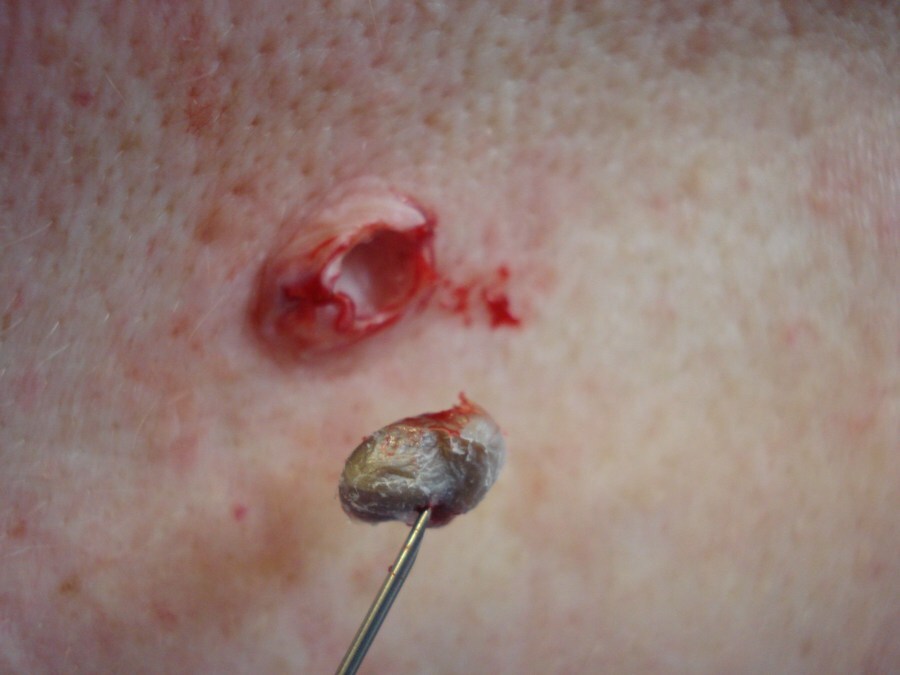
Giant comedone

LAST UPDATED: Nov 18, 2021
Introduction

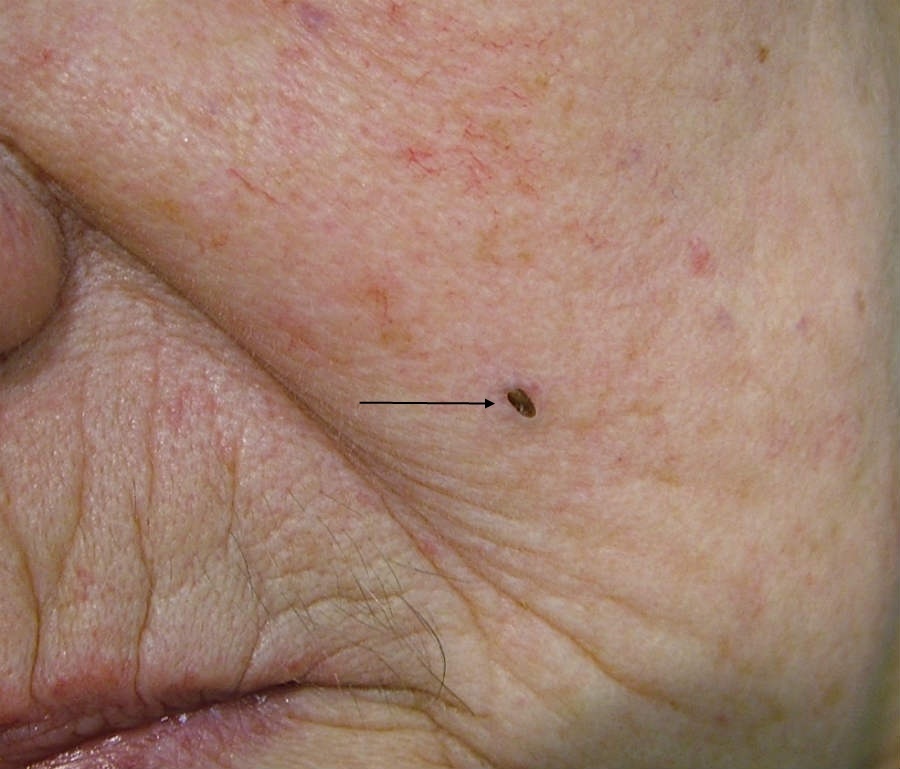
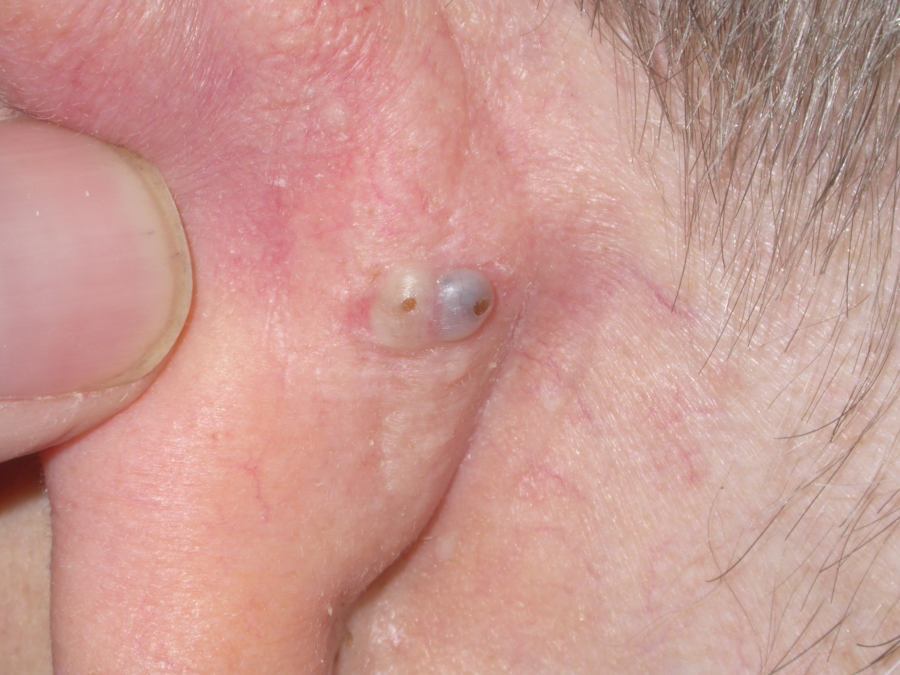
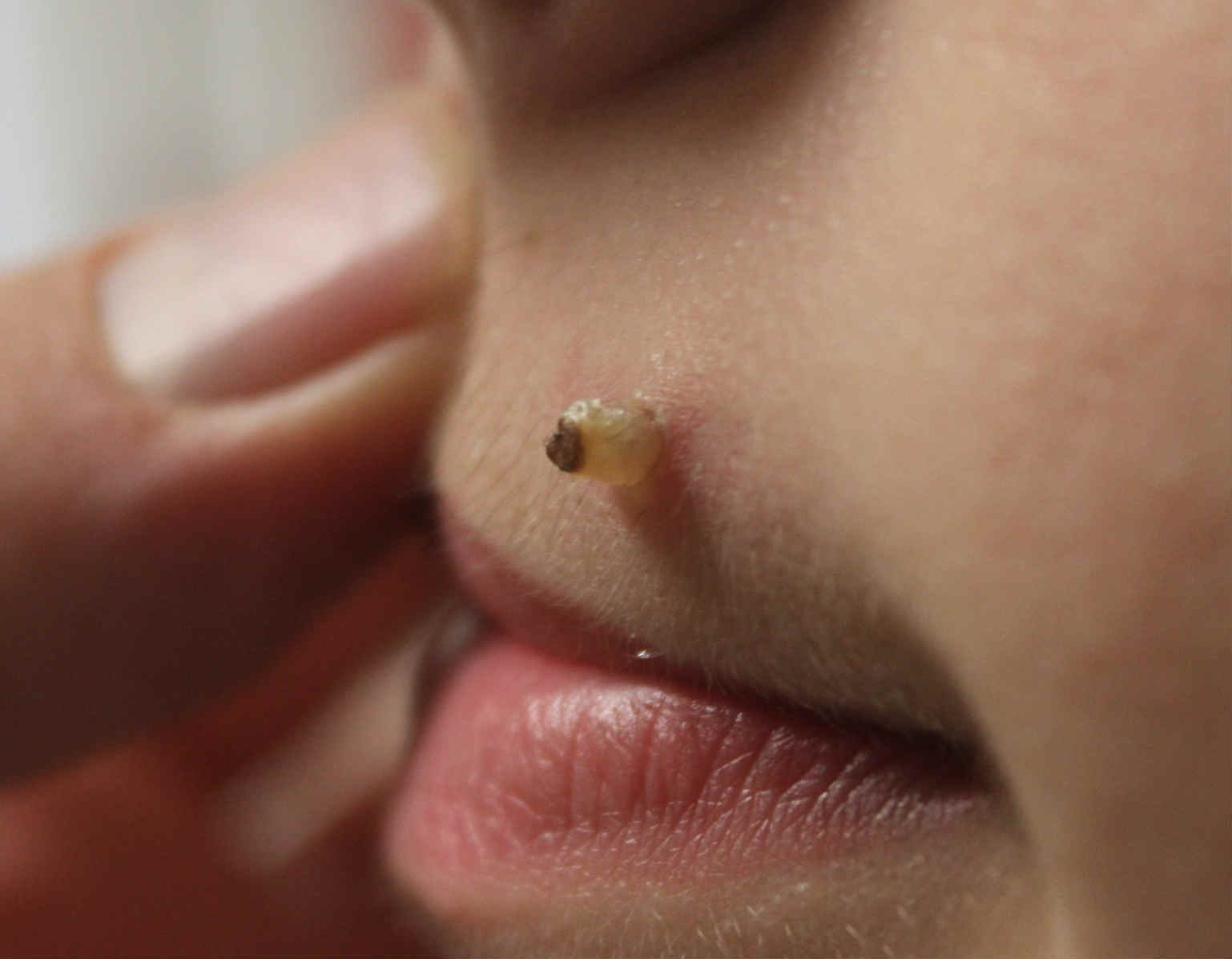
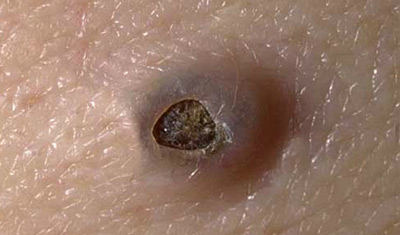
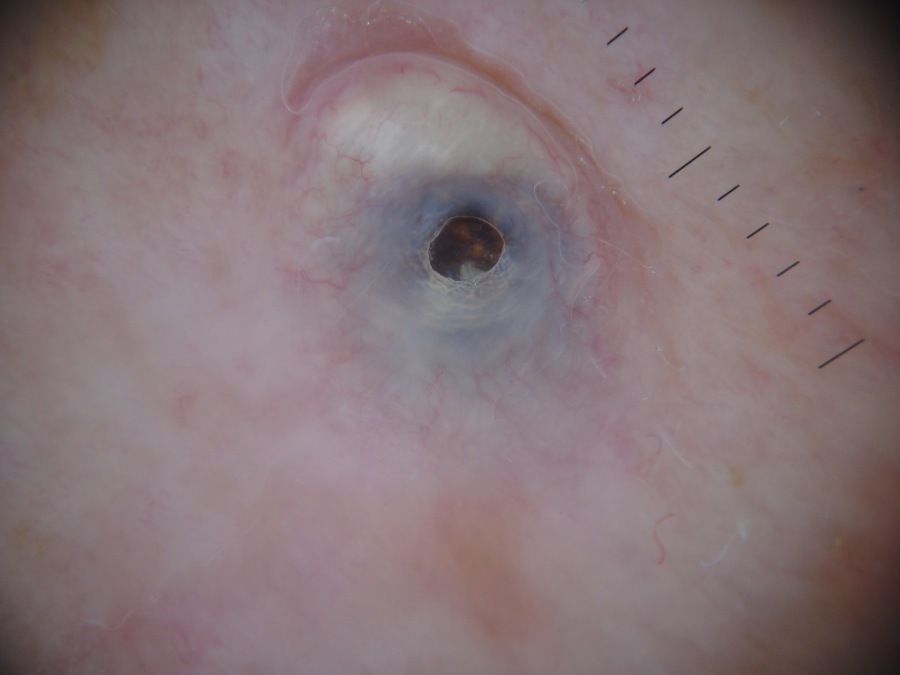
A giant comedone is an exceptionally large blackhead.

This chapter is set out as follows:


Aetiology

  • The abnormalities that arise could be due to either an increased production of the corneocytes lining the duct and, or an associated decrease in the rate at which the ductal corneocytes separate - but there is no data to confirm either of these suggestion

History

  • Usually single but occasionally several can be found
  • People who have very bad acne and atrophic scars are much more prone to developing giant comedo, however they frequently occur in the absence of previous acne
  • Age - occur more in the middle-aged and elderly age groups

Clinical findings

Distribution

  • Can arise on most parts of the body but especially on areas which are rich in sebaceous glands such as the face, back and chest
  • They are occasionally found where there are apocrine glands, as in the axillae, groins, perianal areas and scrotum

Morphology

  • Size - lesions are between several mm and 2 cm in diameter
  • The diagnosis is usually obvious with the comedone clearly visible underneath normal stretched skin 

Clinical Images

Please refer to notes on image rights at bottom of the page with regards to individual image ownership.
Management

  • The diagnosis is usually straightforward as it is normally very easy to squeeze out the contents of the much distended duct. This is best done by placing a little piece of gauze either side of the comedone and pressing gently
  • The problem is that in most instances the follicular ducts refill over a period of two to three months. Cautery of the residual duct, having evacuated the contents does not seem a very successful procedure. If the comedone is problematic it may be worth a trial of topical retinoids but no study has ever looked at this treatment

Disclaimer - the author PCDS cannot accept responsibility for any misleading or incorrect statements, and the management of individual patients remains the direct responsibility of the individual doctor. We do however hope that visitors to this site can contact us regarding comments that are considered misleading or incorrect so that we can continue to improve the site.

Image Rights - The PCDS would like to thank Dermatoweb, DermQuest (Galderma), and others who have contributed images. All named individuals and organisations maintain copyright for the relevant images.

Quick Links

The following pharmaceutical companies have had no involvement in the content of this website or in our conference programmes


Almirall
Galderma
Glenmark
Johnson & Johnson
La Roche-Posay
LEO Pharma
Pierre Fabre
Schuco