Lichen spinulosus (syn. keratosis spinulosa)
LAST UPDATED: Aug 09, 2021
Introduction
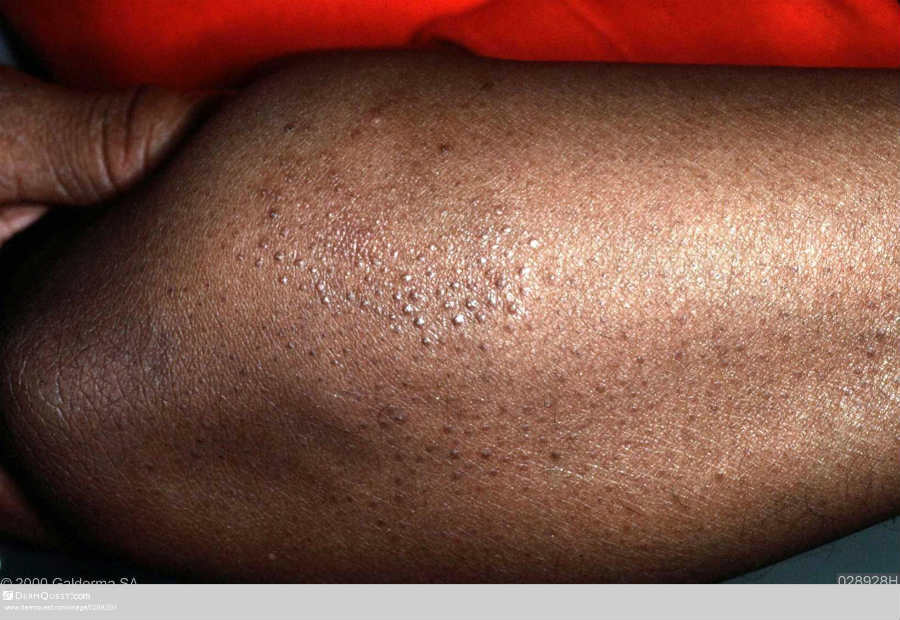
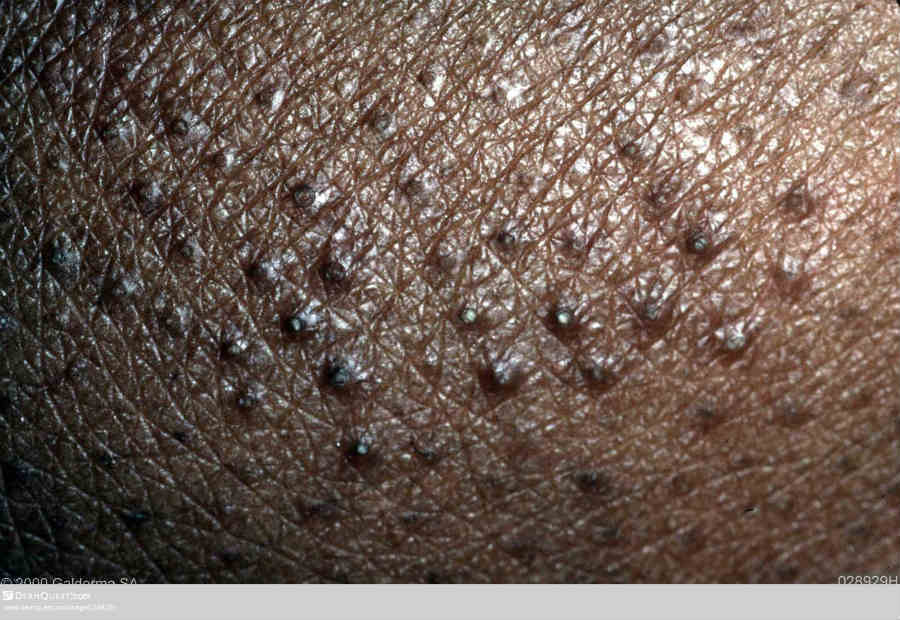
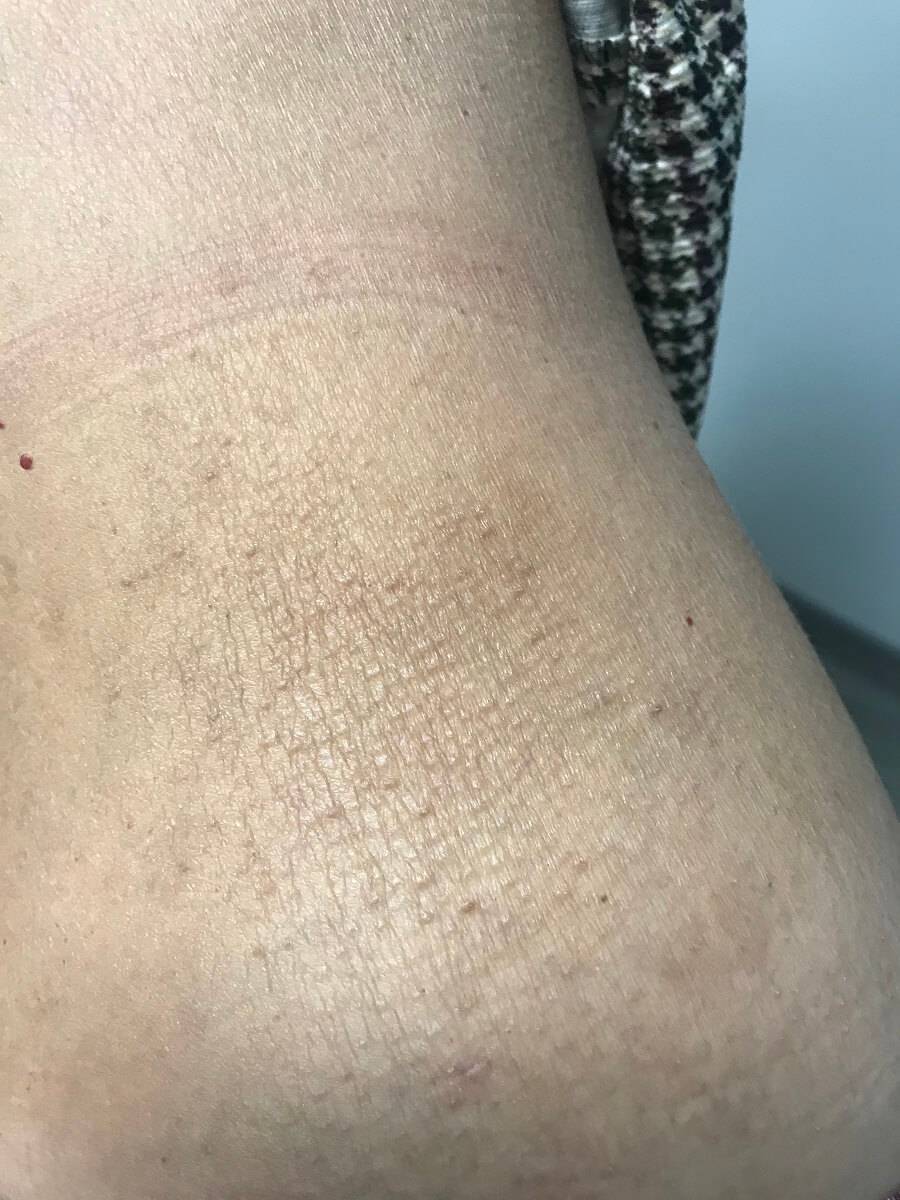
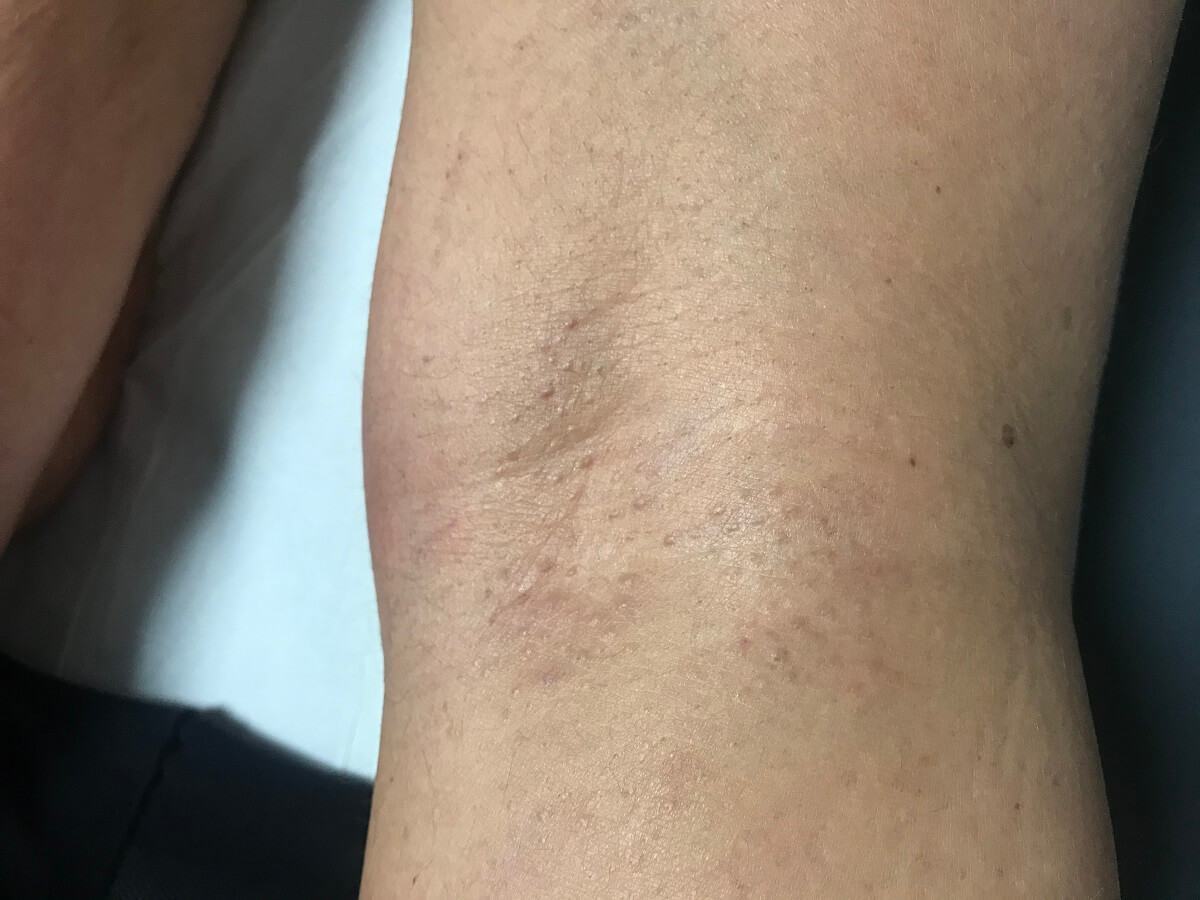
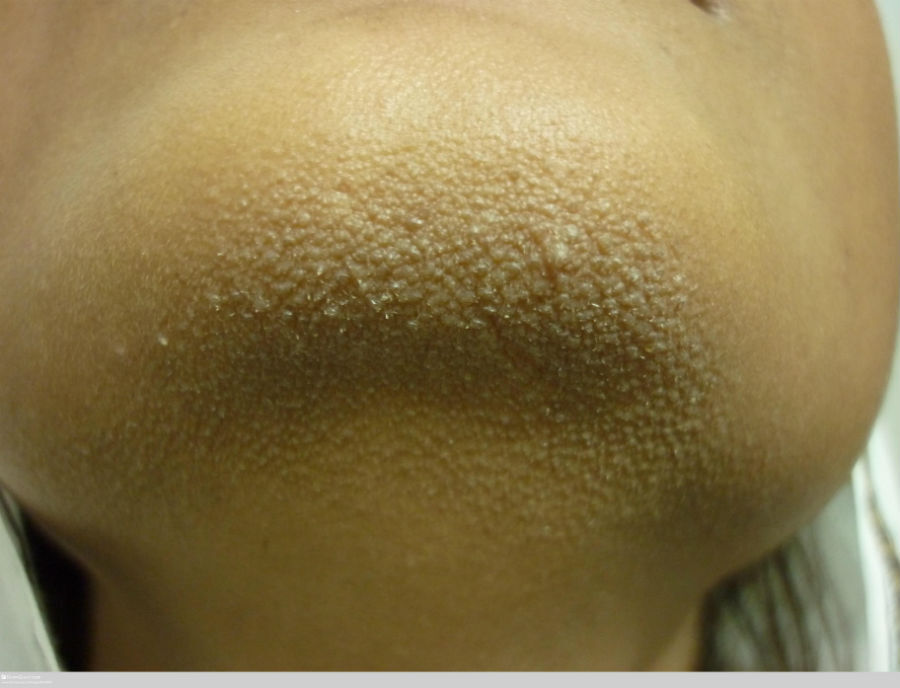
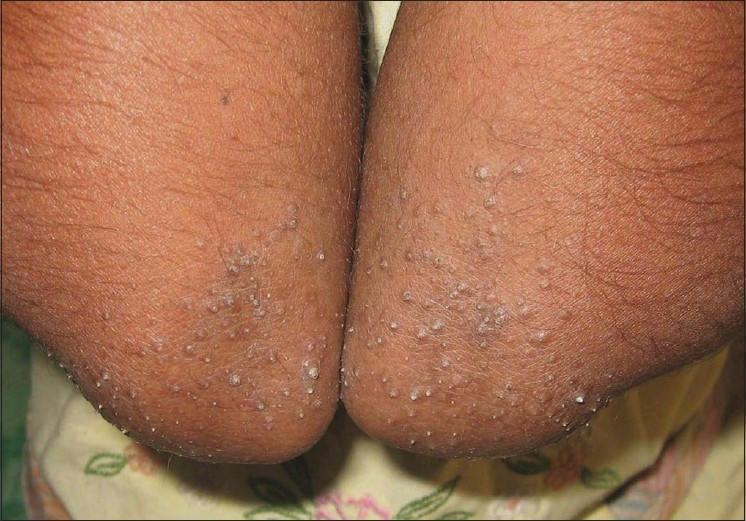
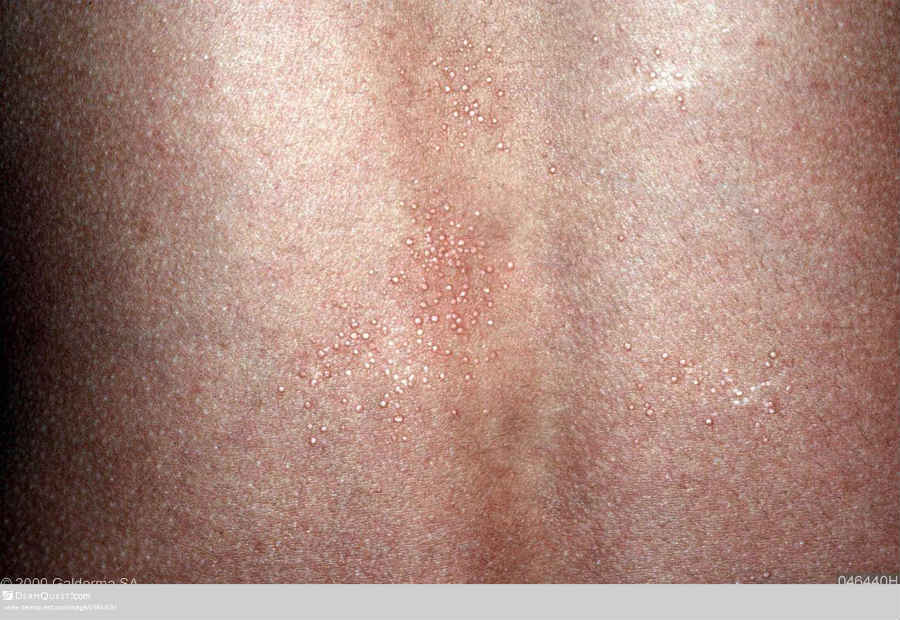
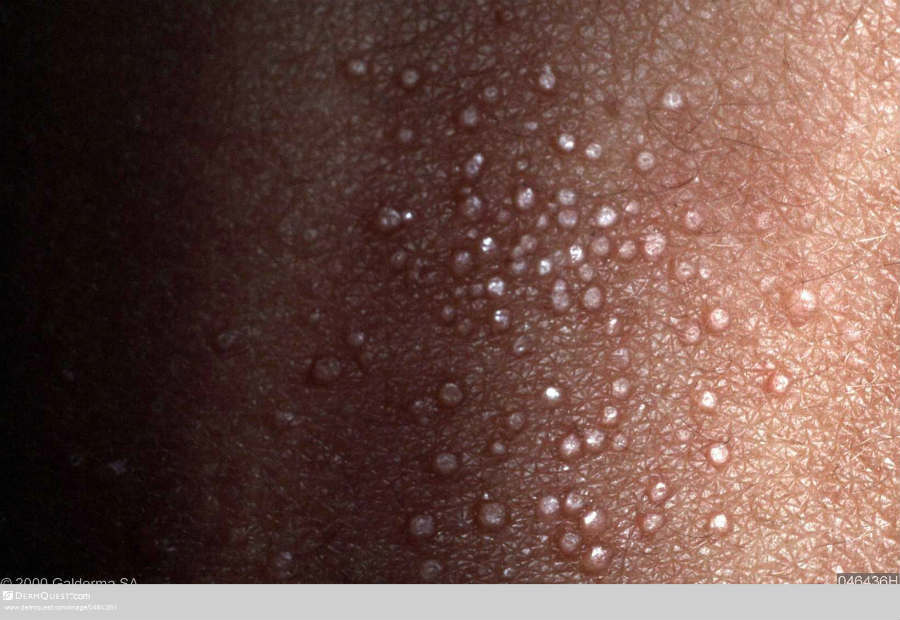
Lichen spinulosus is an uncommon condition, usually presenting in childhood, which is characterised by multiple rough, spiny papules that are grouped together in patches or plaques.
This chapter is set out as follows:
Aetiology
History
-
Lichen spinulosus arises predominantly in childhood, often quite abruptly
Clinical findings
Distribution
- Patches predominantly affect the neck, extensor surfaces of the arms, abdomen, thighs, and knees
Morphology
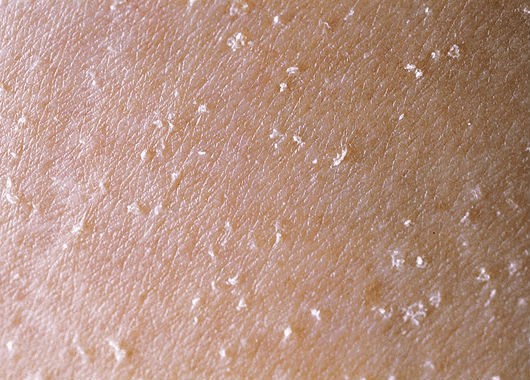
- Multiple papules sit within the patches and plaques, which have a diameter of 2-5 cm
- The papules are 1-3 mm in diameter, with a central, rough, horny projection
Differential diagnosis
- Phrynoderma results from a variety of nutritional deficiencies such as Vitamin A, and Vitamin B-complex. It is rare in developed countries. Phrynoderma is characterised by red-brown follicular papules with a central keratotic spinous plug. Lesions tend to be distributed symmetrically and are often localised to the elbows, knees, extensor extremities, and/or buttocks
- Multiple minute digitate hyperkeratosis (syn. spiny hyperkeratosis) is a very rare non-follicular digitate keratosis affecting the trunk and limbs. Lesions, which are usually very numerous, are thin, white-yellow, spiny keratotic projections. Occasionally flat-topped, dome-shaped, or crateriform papules are also seen
Clinical Images
Please refer to notes on image rights at bottom of the page with regards to individual image
ownership.
Investigations
-
Diagnosis is usually clinical. If a diagnostic biopsy is required histology shows dilated hair follicles with a thick keratinous plug, surrounded by a mild to moderate chronic inflammatory infiltrate (reference: Rook's Textbook of Dermatology)
Management
-
Most cases resolve spontaneously within 1–2 years, although occasionally lichen spinulosus can be very persistent
-
There is no known effective treatment. A urea-based moisturiser, such as Calmurid ® cream, may help make the skin feel smoother
Disclaimer - the author PCDS cannot accept responsibility for any misleading or incorrect statements, and the management of individual patients remains the direct responsibility of the individual doctor. We do however hope that visitors to this site can contact us regarding comments that are considered misleading or incorrect so that we can continue to improve the site.
Image Rights - The PCDS would like to thank Dermatoweb, DermQuest (Galderma), and others who have contributed images. All named individuals and organisations maintain copyright for the relevant images.