Mucosal melanocytic macules

LAST UPDATED: Nov 25, 2021
Introduction

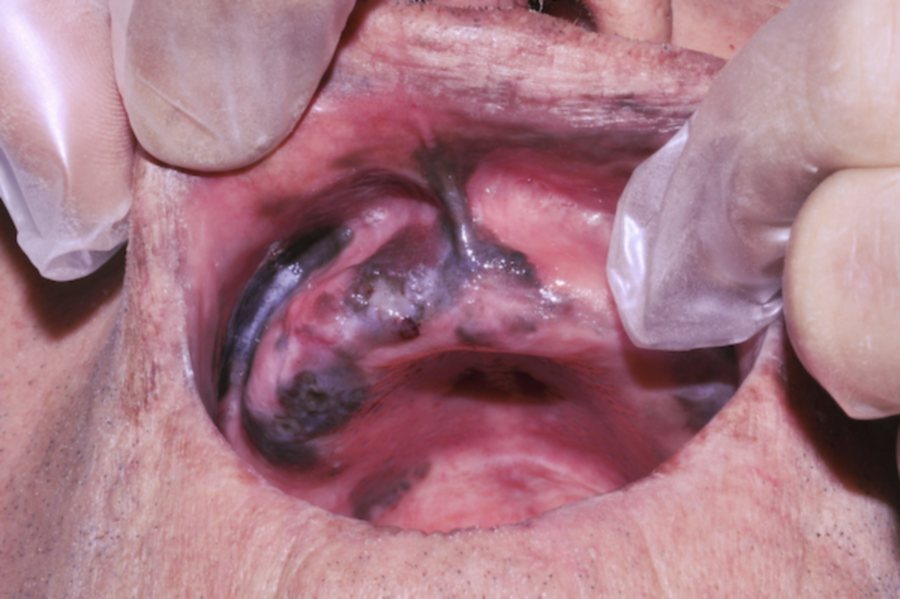
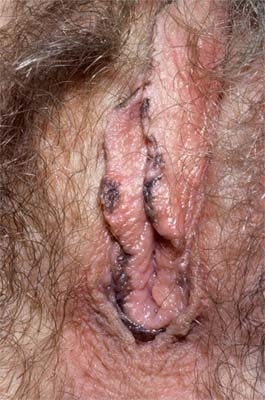
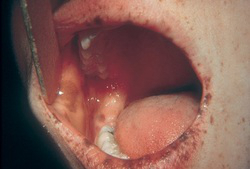
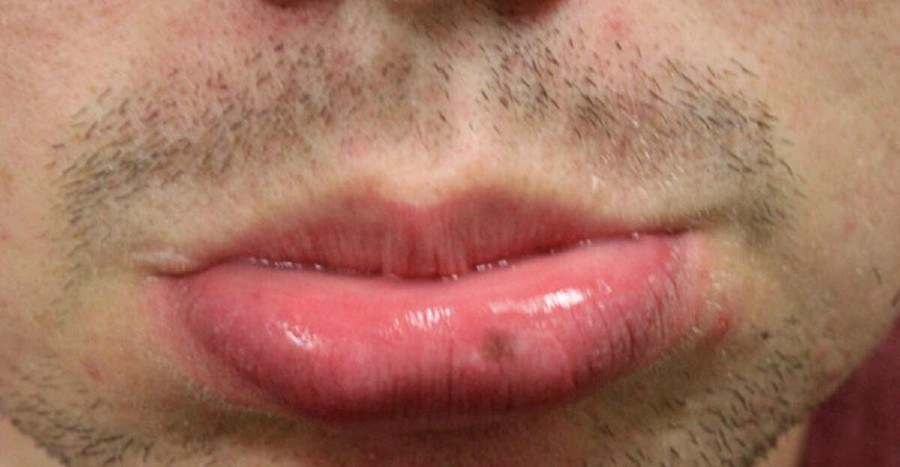
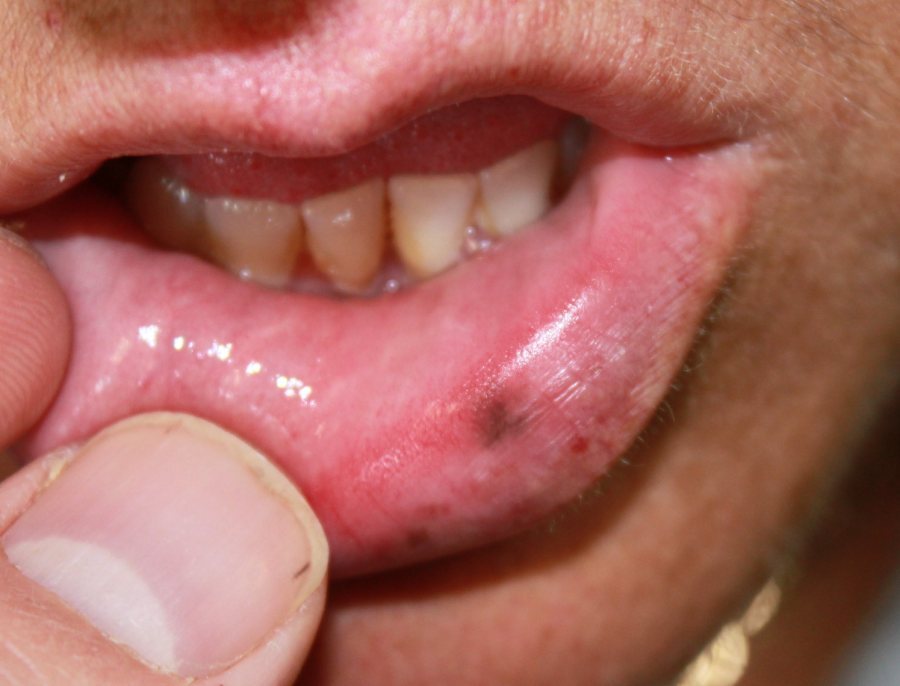
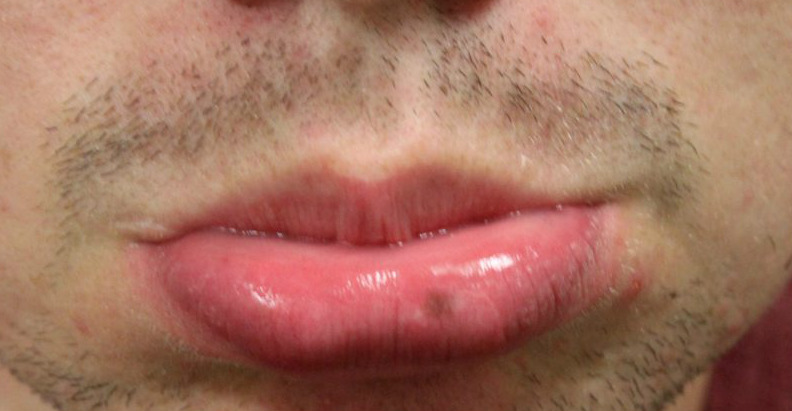
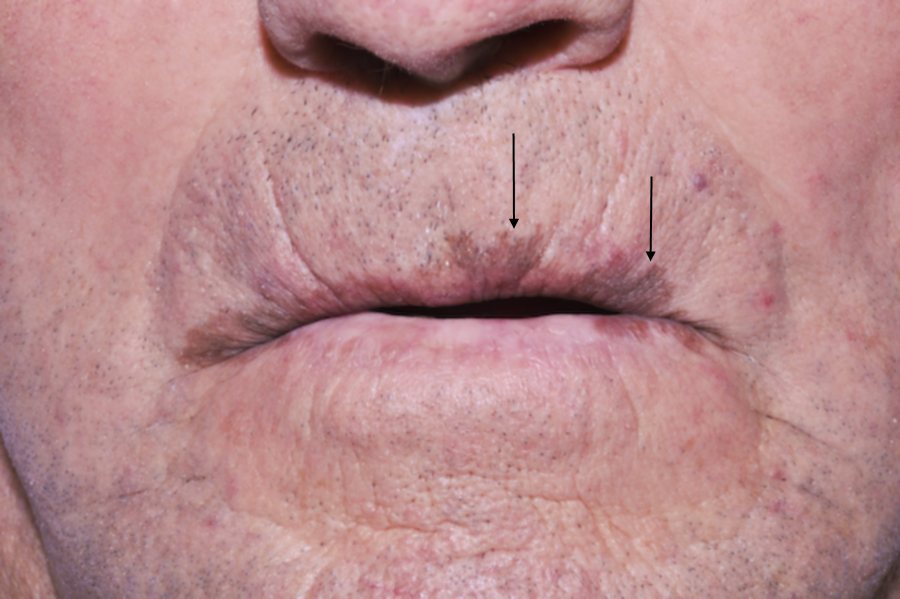
A mucosal melanocytic macule is a benign, well-defined, oval, brown to black, flat patch, which can be oral, labial or penile in distribution. 

This chapter is set out as follows:


History

  • Mucosal melanocytic macules are more common in women than men 
  • The age at onset is approximately 30 years

Clinical findings

Distribution

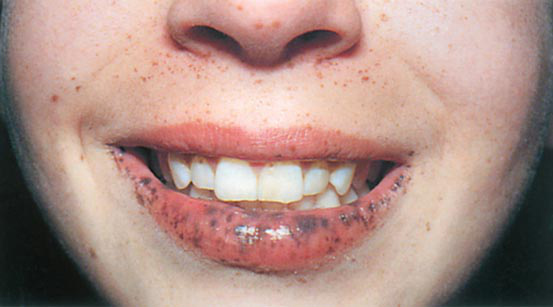
  • The lips are the most common site, especially the central third of the lower lip

Morphology

  • Lesions present as brown-black macules, and are usually solitary - several lesions should increase the suspicion of a systemic condition such as Peutz-Jeghers syndrome, Addison's disease and multiple lentiginoses (eg the Leopard syndrome)
  • Size - under 1 cm in diameter 
  • Once developed the lesions usually remain unchanged in size and colour

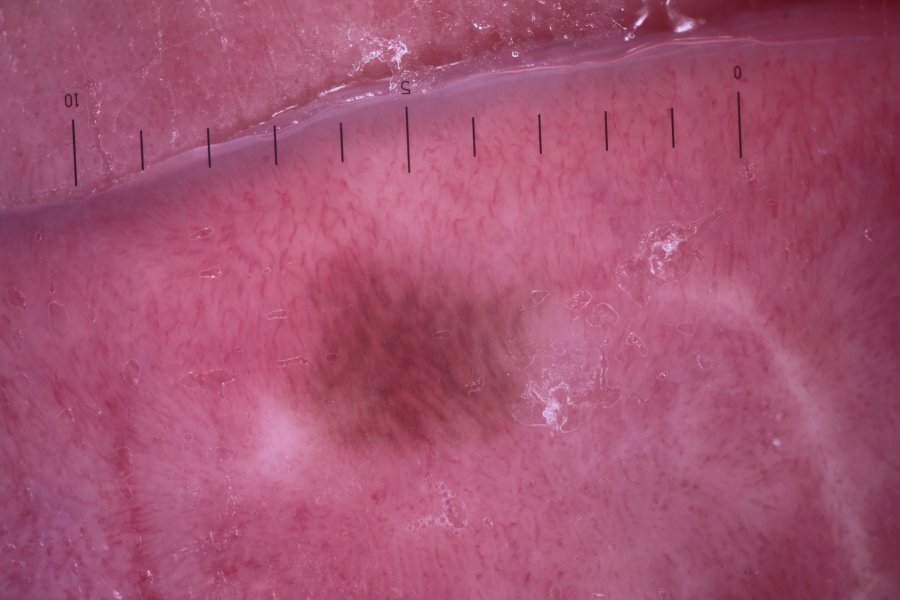
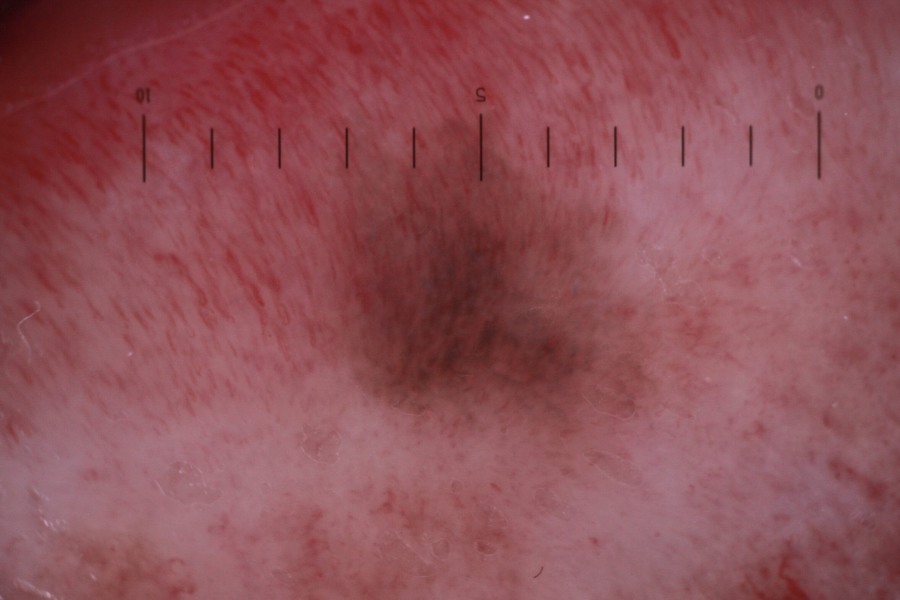
Dermoscopic examination of oral and genital lesions

  • Benign lesions - diffuse pigmentation with a peculiar parallel pattern of partially linear and partially curvilinear light-brown to dark-brown streaks
  • Melanoma - the combination of blue, grey, or white colour with structureless zones are the strongest indicators of mucosal melanoma 

Clinical Images

Please refer to notes on image rights at bottom of the page with regards to individual image ownership.
Management

  • Lesions with no suspicious clinical features, and which do not show signs of ongoing growth, require no treatment
  • Features suggestive of melanoma include:
    • Asymmetry of shape 
    • More than one colour
    • Persistent growth
    • Dermoscopy - the combination of blue, grey, or white colour with structureless zones
  • Patients with suspicious clinical or dermoscopic features should be referred urgently to Secondary Care (two-week wait)

Disclaimer - the author PCDS cannot accept responsibility for any misleading or incorrect statements, and the management of individual patients remains the direct responsibility of the individual doctor. We do however hope that visitors to this site can contact us regarding comments that are considered misleading or incorrect so that we can continue to improve the site.

Image Rights - The PCDS would like to thank Dermatoweb, DermQuest (Galderma), and others who have contributed images. All named individuals and organisations maintain copyright for the relevant images.

Quick Links

The following pharmaceutical companies have had no involvement in the content of this website or in our conference programmes

Almirall
Galderma
Glenmark
Johnson & Johnson
La Roche-Posay
LEO Pharma
Pierre Fabre
Schuco