Pitted keratolysis
LAST UPDATED: May 02, 2024
Acknowledgements: This chapter was kindly updated by Ivan Bristow PhD FRCPodM Fellow, Royal College of Podiatry.
Introduction
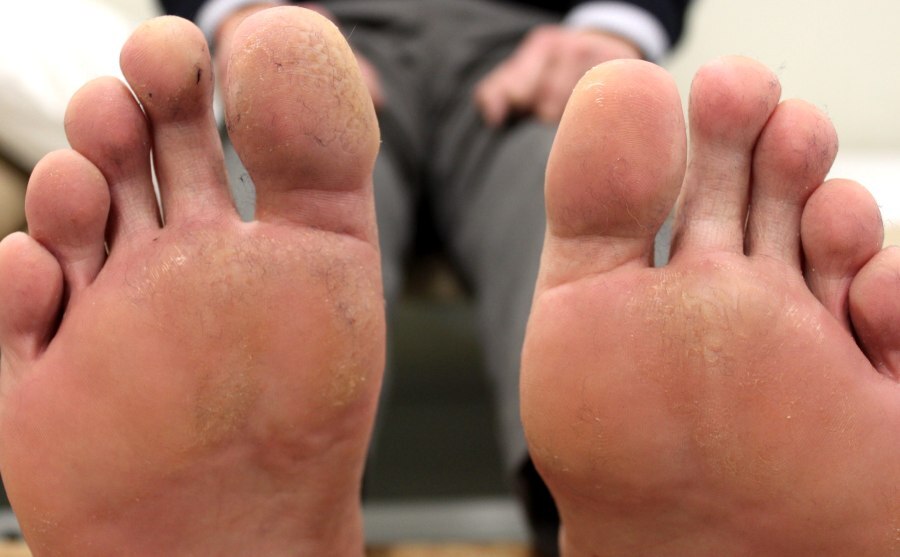
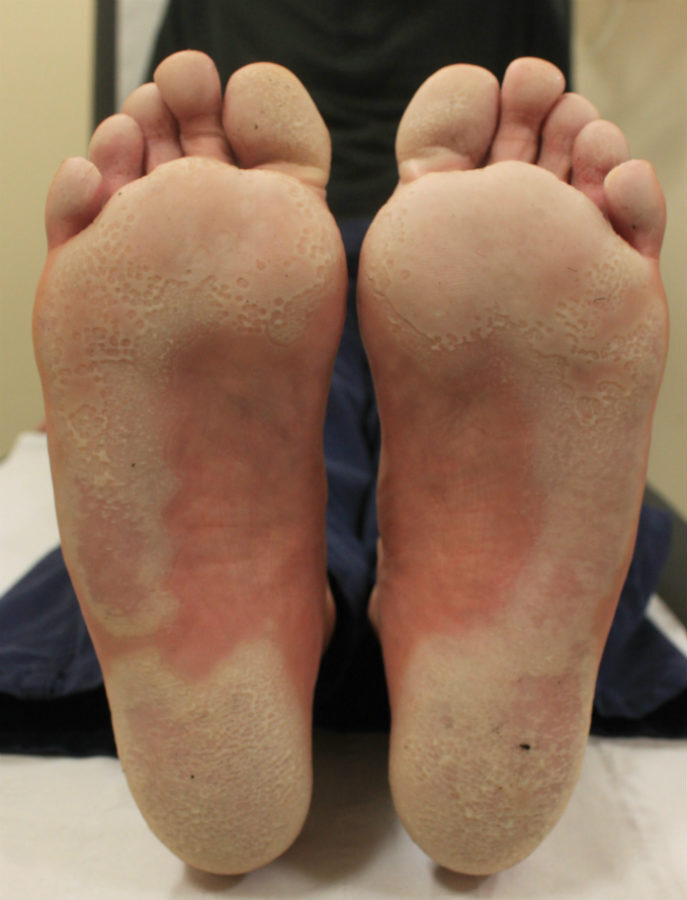
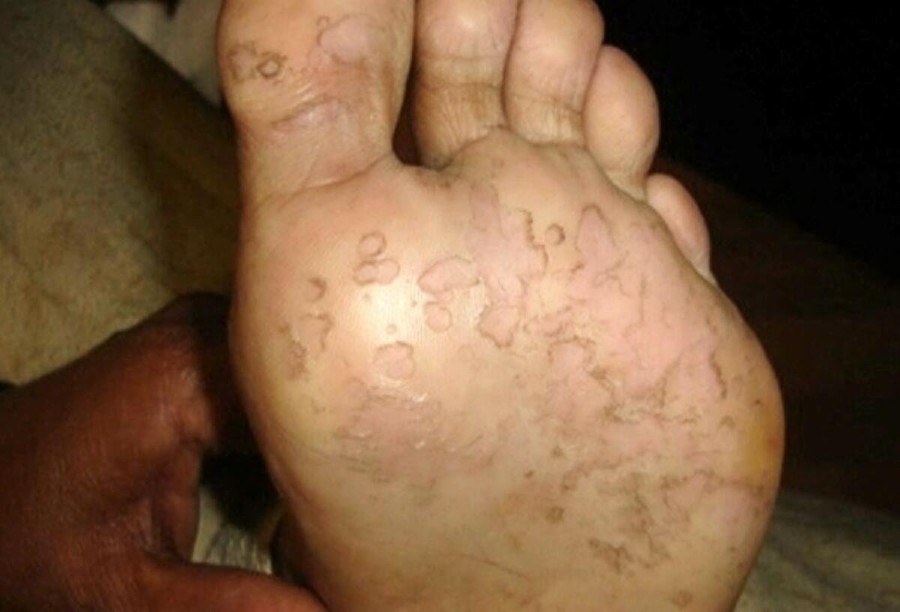
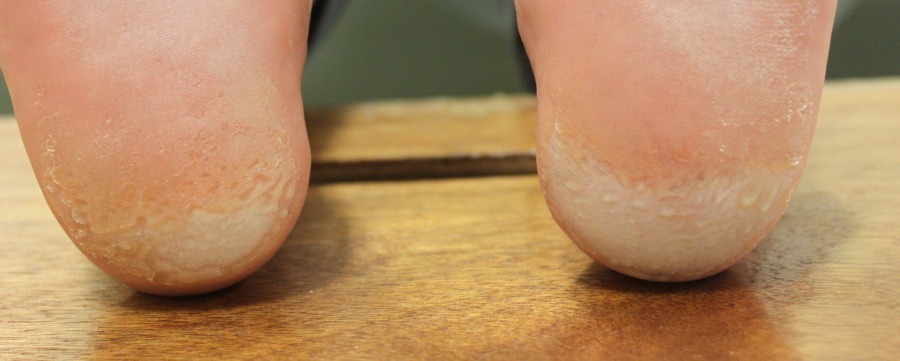
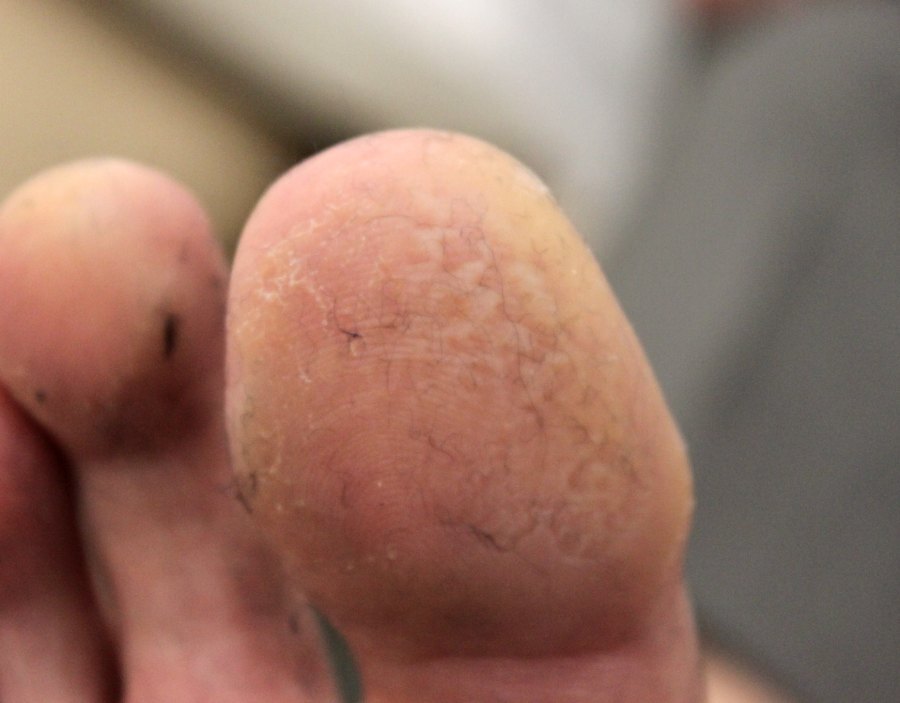
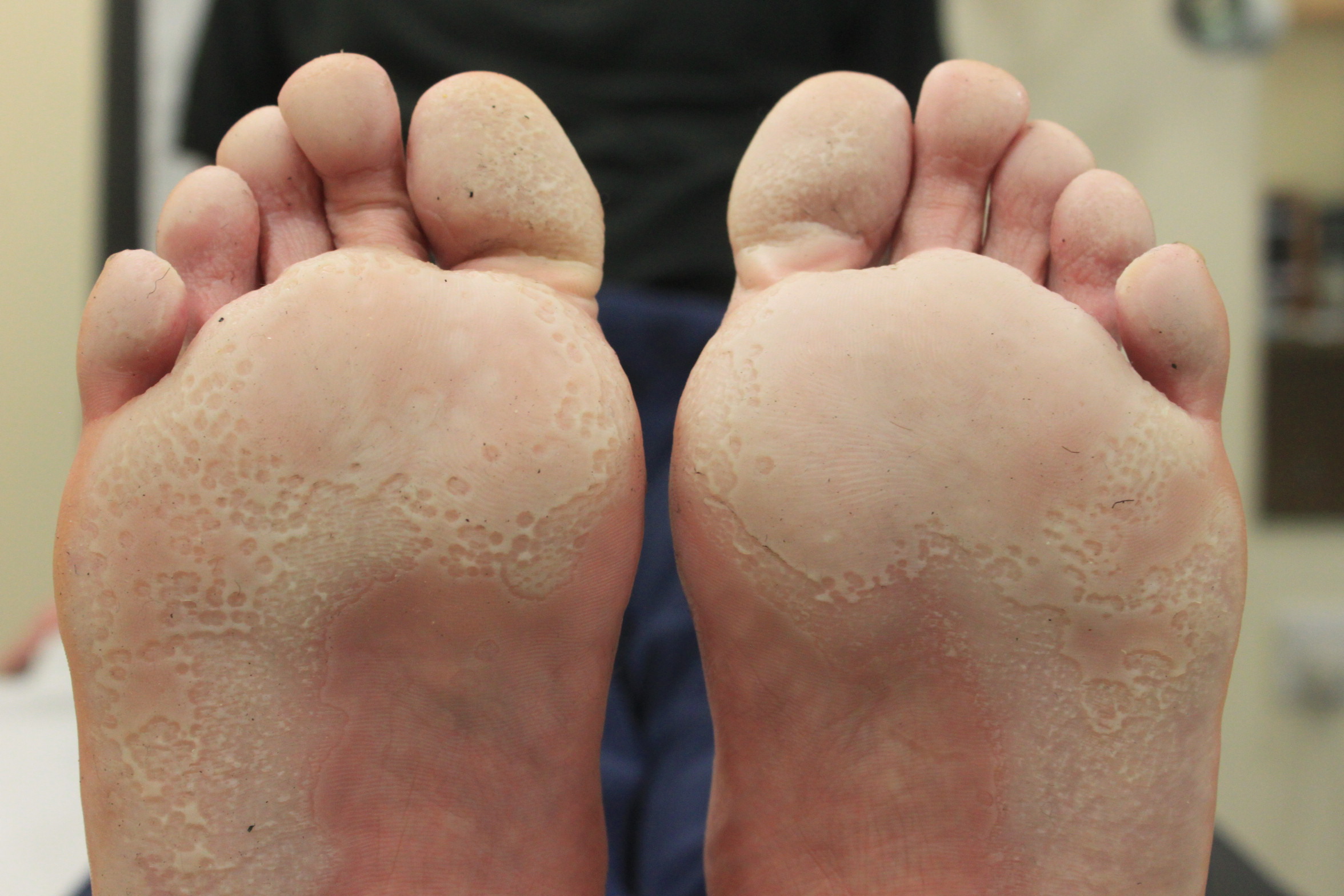
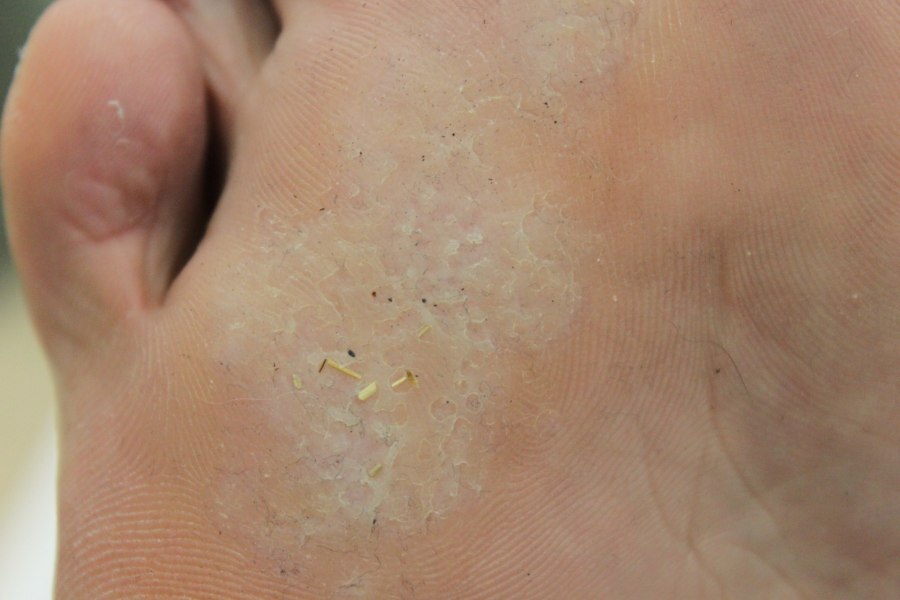
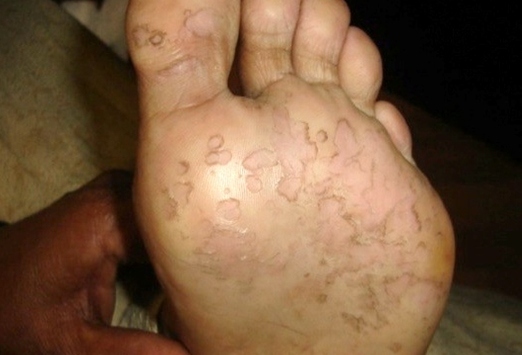
Pitted keratolysis is a superficial, and sometimes malodorous, infection of the soles of the feet, characterised clinically by crateriform pitting. It is commonly associated with sweaty feet.
This condition is set out as follows:
Aetiology
-
A superficial infection of the skin caused by a species of Corynebacterium, other organisms have been reported including Kytococcus sedentarius and Dermatophilus congolensis
-
The pitting is due to destruction of the stratum corneum by protease enzymes produced by the bacteria. The malodour is due to the release of butyric acid as the superficial keratin is degraded by bacterial enzymes
History
- Any age can be affected
- Risk factors include:
- Males
- A background of hyperhidrosis of the feet
- The use occlusive footwear for extended periods of time (farmers, kitchen staff) leading to a hot and humid shoe environment
-
A history of malodour is common
- Occasionally the condition can produce discomfort
Clinical findings
-
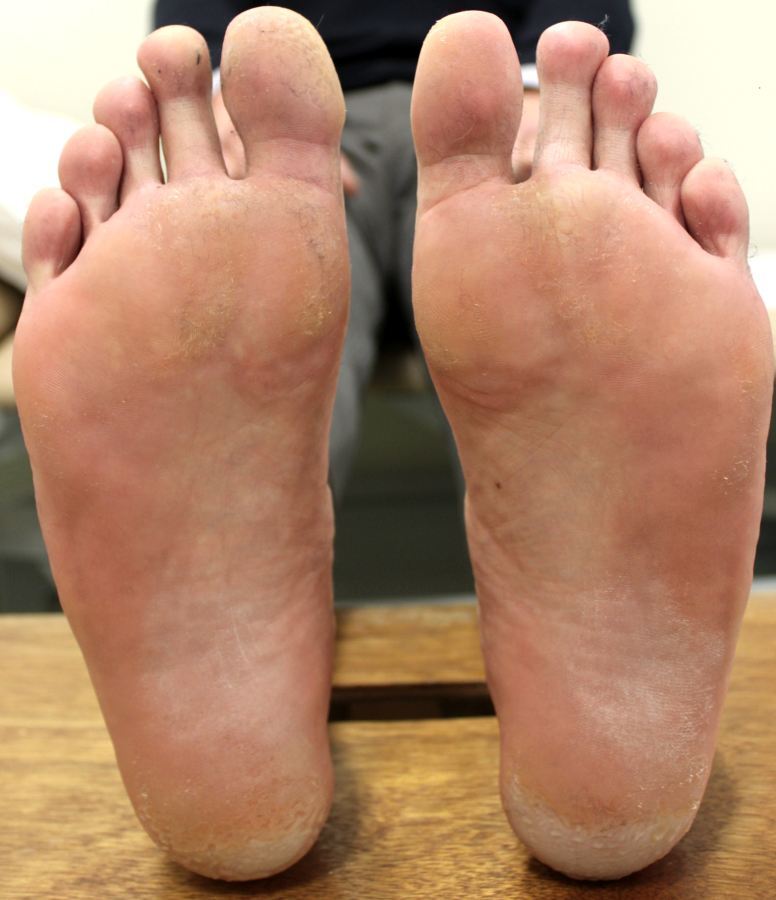
Numerous small pits in the skin of the pressure-bearing aspects of the plantar surfaces of the feet. There may be confluence of lesions producing irregular erosions. The condition being more visibly pronounced when the skin is wet or sweaty
- Woods light applied over lesions may produce a coral pink fluorescence although this is not a consistent finding
-
The palms of the hands have been reported, rarely, to be involved in some patients with pitted keratolysis of the feet. This is more common in certain professions eg those working in Paddy fields
Clinical Images
Please refer to notes on image rights at bottom of the page with regards to individual image
ownership.
Management
Step 1: general measures
-
Limit the use of occlusive footwear (if possible) and reduce skin friction by wearing properly fitted footwear
-
Wear cotton socks and change frequently
-
Use moisture absorbing innersoles (eg charcoal). Have at least two pairs and rotate every day to let the other pair dry
-
Let feet breathe when at home
-
Wash feet twice daily with soap, hamalis (witch hazel), or an antiseptic (e.g. Clinisept+ Skin) . Dry meticulously
- Antiperspirants applied to the feet can be helpful. Topical Benzoyl Peroxide has been shown to be effective
Step 2: topical antibiotics
-
Topical antibiotics, when used with the above measures, are often effective within 2-4 weeks
-
Use twice-daily applications of topical clindamycin, erythromycin, or Fucidin ® cream
Step 3: recalcitrant cases
-
Oral clarithromycin / erythromycin for 2 weeks
- Other options for very persistent sweating can be found in the related chapter Hyperhidrosis
Disclaimer - the author PCDS cannot accept responsibility for any misleading or incorrect statements, and the management of individual patients remains the direct responsibility of the individual doctor. We do however hope that visitors to this site can contact us regarding comments that are considered misleading or incorrect so that we can continue to improve the site.
Image Rights - The PCDS would like to thank Dermatoweb, DermQuest (Galderma), and others who have contributed images. All named individuals and organisations maintain copyright for the relevant images.