Pityriasis rubra pilaris
LAST UPDATED: Jul 29, 2021
Introduction
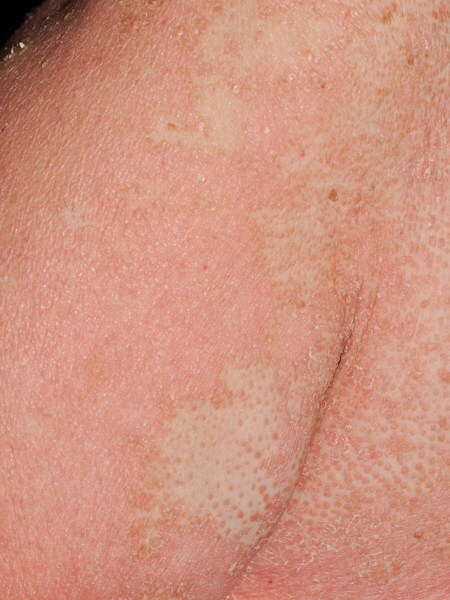
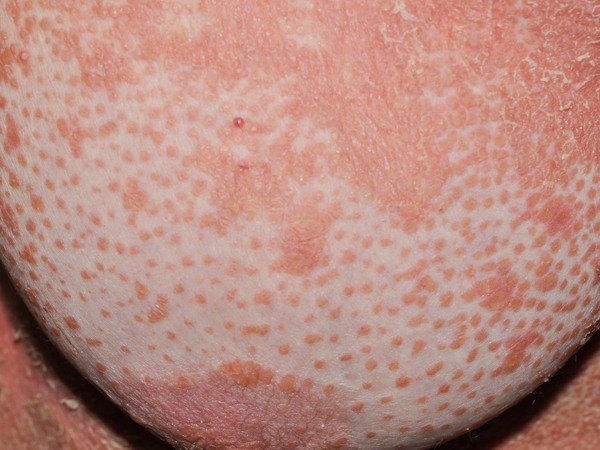
Pityriasis rubra pilaris (PRP) is the name given to a group of rare skin conditions characterised by orange-red erythema, scaly lesions, and palmoplantar keratoderma. It may be generalised of localised. PRP may progress to erythroderma with distinct areas of uninvolved skin, the so-called islands of sparing.
This chapter is set out as follows:
Aetiology
-
The aetiology is unknown
-
Although most cases are sporadic, a familial form exists with an autosomal dominant inheritance pattern
History
-
Males and females are equally affected
-
Pruritus may be present in the early stages
Clinical findings
Five types of PRP have been described:
Type I: Adult-onset classical
-
The most common type, accounting for 50% of all cases, presenting most commonly between the ages of 40-60 years. Males and females are affected equally
- There may be an insidious onset with erythematous macules
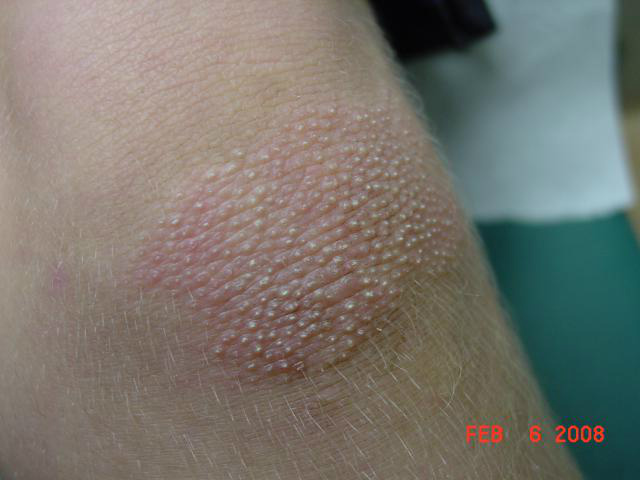
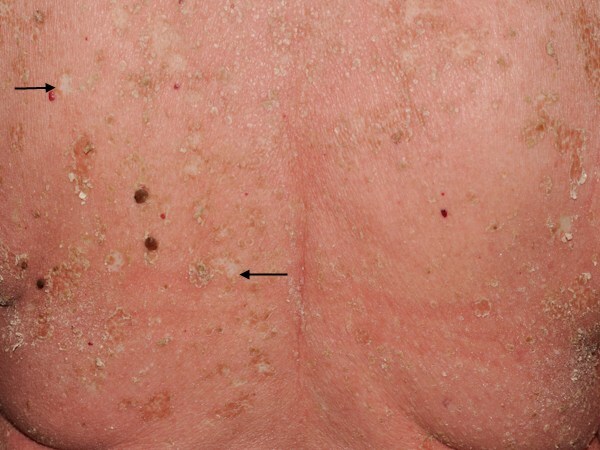
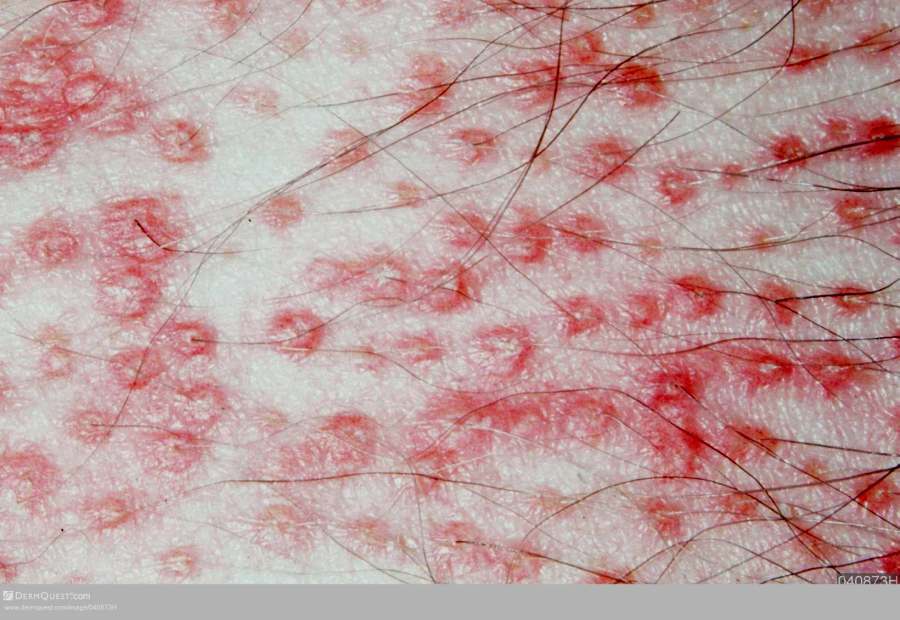
- Follicular papules then develop and start to coalesce to form sheets of erythema, that have an orange tinge
- The rash spreads from the head to the feet, with bran-like scaling of scalp
- There is uniform erythema of the face, but on the trunk and limbs there is sharply demarcated islands of unaffected skin
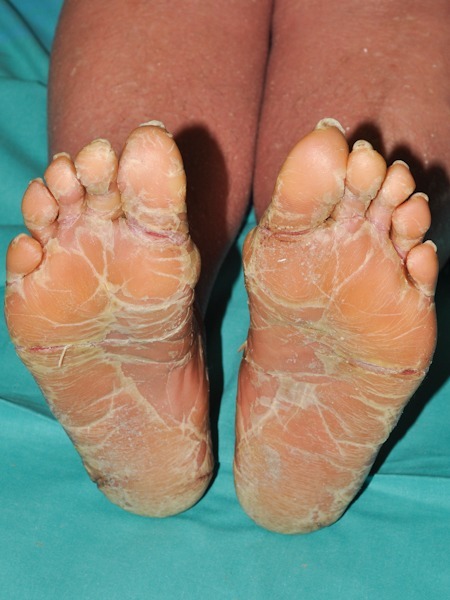
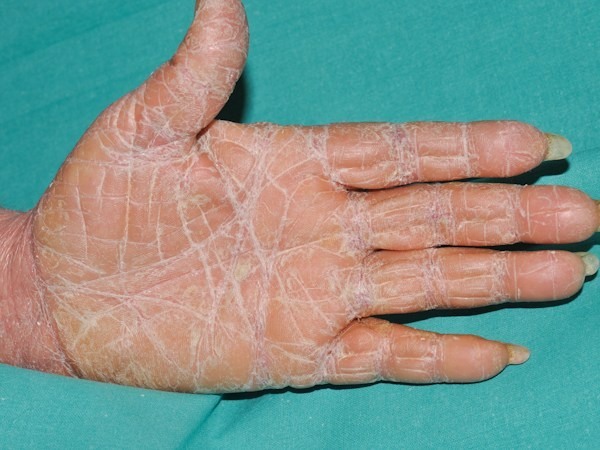
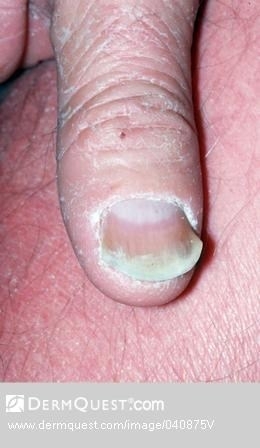
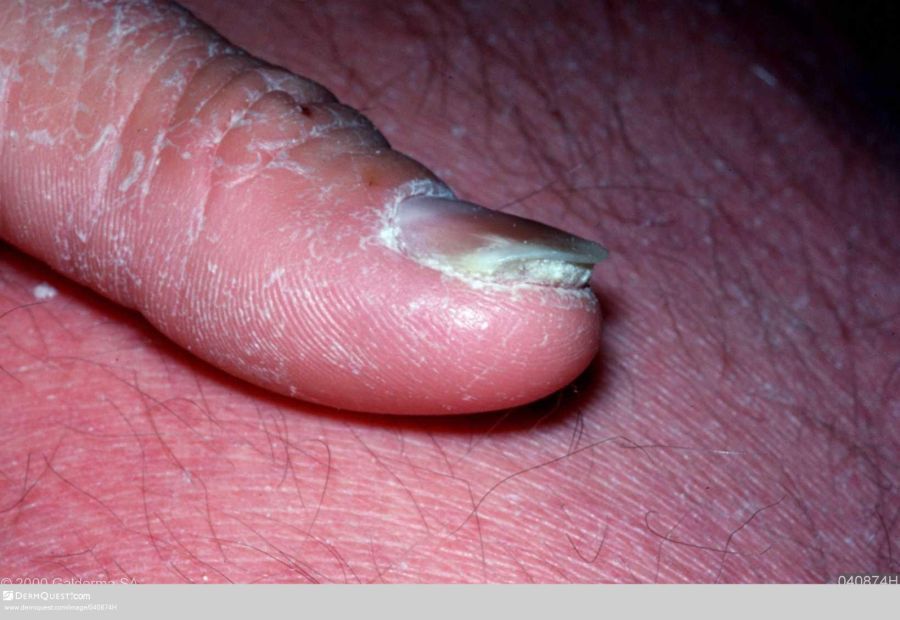
- The palms and soles become hyperkeratotic and orange-yellow, and the nails thickened. Rough, scaly papules (follicular hyperkeratosis) are commonly seen on the dorsal aspects of the proximal phalanges, the elbows, and the wrists
- Patients with extensive disease may develop ectropion
- Erythroderma develops within 2-3 months with widespread erythema and constitutional symptoms
-
60-80% have resolution within 1-3 years, and relapses are uncommon
Type II: Adult-onset atypical
-
Is characterised by ichthyosiform lesions, areas of eczematous change, alopecia, and long duration (often 20 years or more)
Type III: Juvenile-onset classical
-
Usually presents between the ages of 5-18 years
-
It may develop rapidly after an acute infection
-
The clinical pattern is very similar to type I
-
There tends to be spontaneous clearance around one year
Type IV: Juvenile-onset circumscribed
-
Is the second most common type of PRP, and usually presents under the age of 12 years
-
It presents with well-demarcated plaques of follicular plugging on the elbows and knees, and sometimes the palms and soles
-
The natural history is not well described, although it may improve in the late teens
Type V: Juvenile-onset atypical
-
This is sometimes inherited
-
There is erythema and hyperkeratosis from a young age, along with significant ichthyosis
-
It is generally very persistent
Clinical Images
Please refer to notes on image rights at bottom of the page with regards to individual image
ownership.
Management
-
Patients tend to be referred to a specialist for both diagnosis and treatment
-
Although no treatment is curative, emollients are helpful, and oral retinoids (most commonly acitretin) are usually a highly effective treatment
Disclaimer - the author PCDS cannot accept responsibility for any misleading or incorrect statements, and the management of individual patients remains the direct responsibility of the individual doctor. We do however hope that visitors to this site can contact us regarding comments that are considered misleading or incorrect so that we can continue to improve the site.
Image Rights - The PCDS would like to thank Dermatoweb, DermQuest (Galderma), and others who have contributed images. All named individuals and organisations maintain copyright for the relevant images.