Prurigo pigmentosa
LAST UPDATED: Feb 22, 2024
Introduction
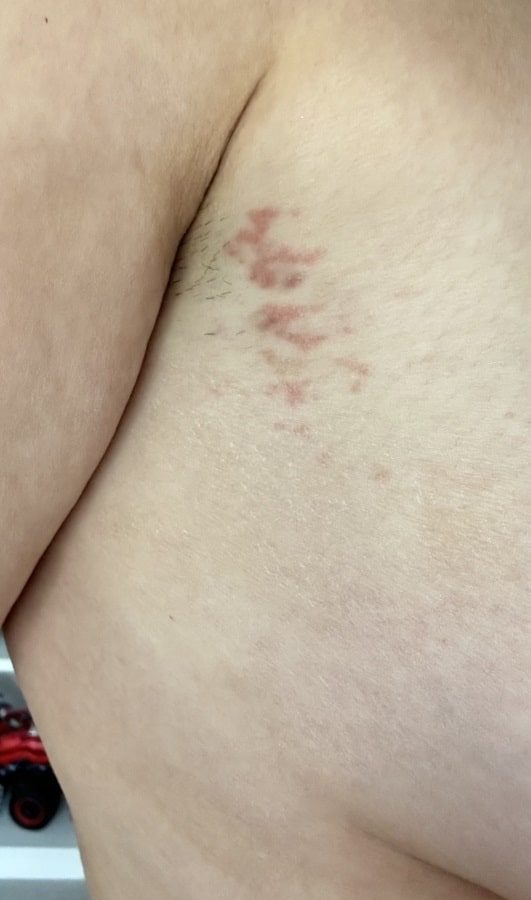
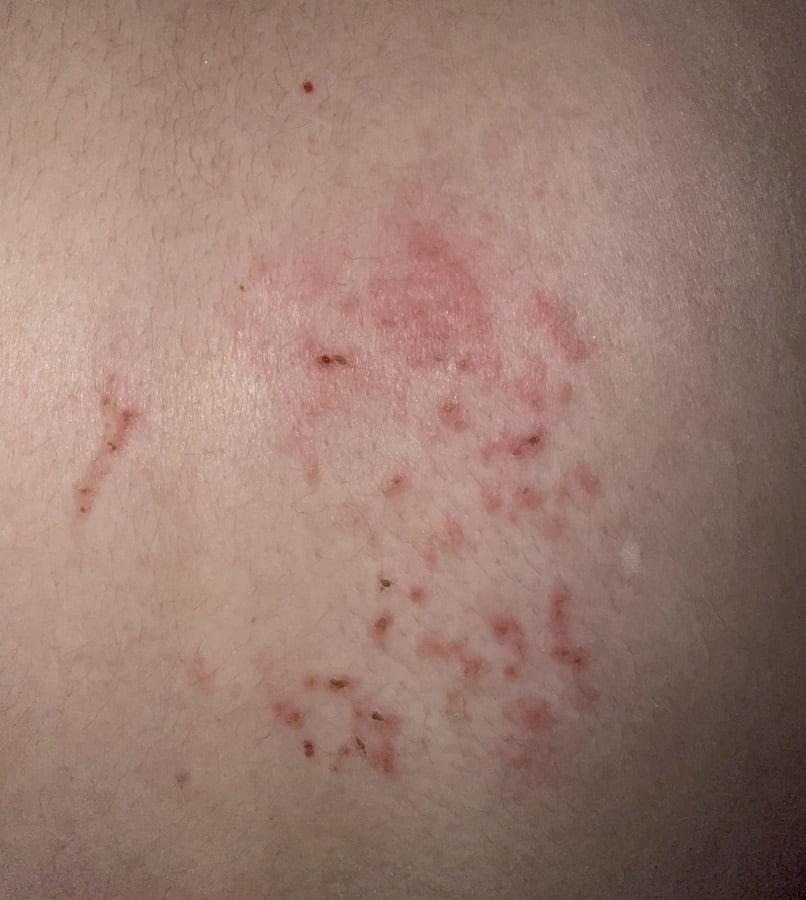
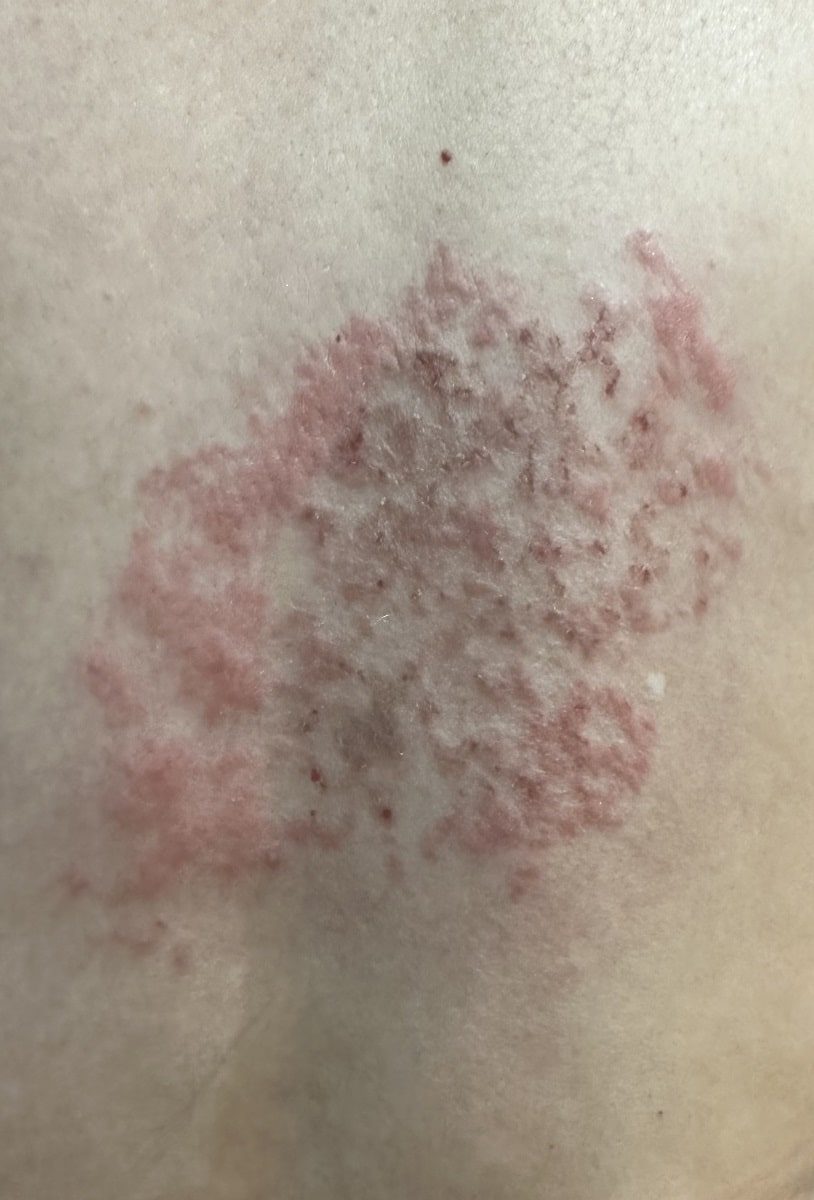
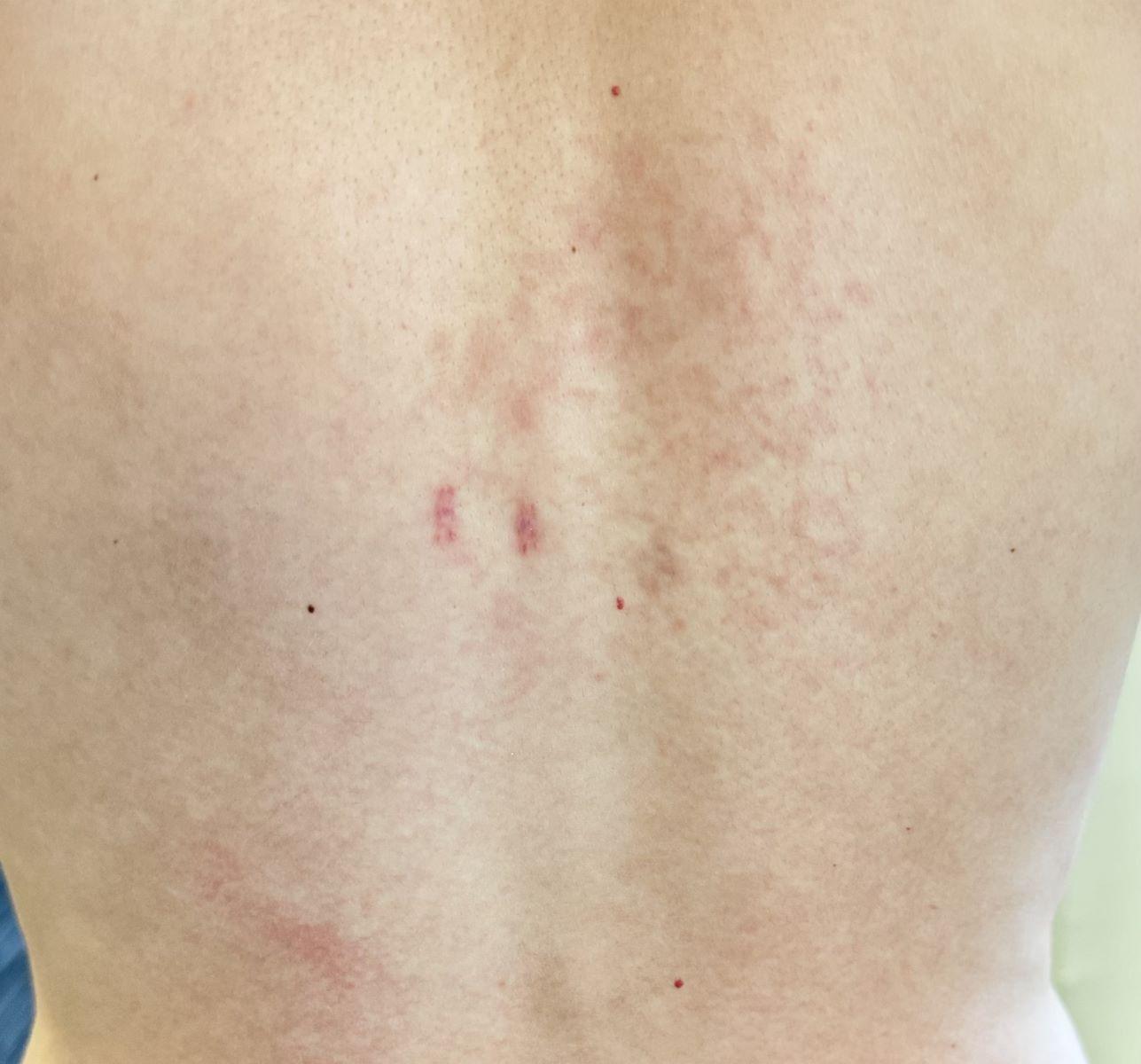
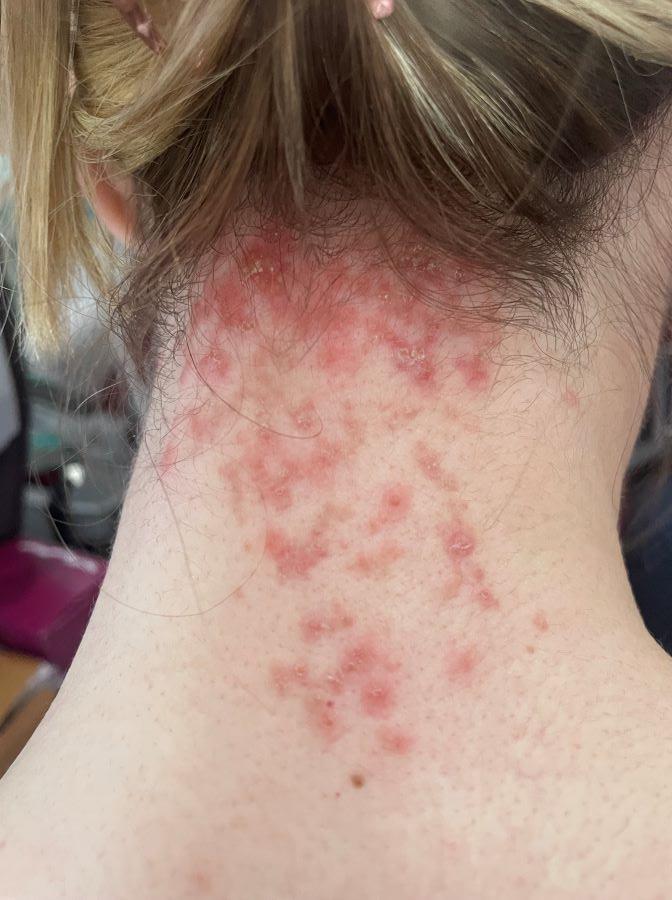
Prurigo pigmentosa (PP) is an uncommon condition consisting of a network of erythematous, pruritic papules evolving into reticulated hyperpigmentation with a specific predilection for the trunk. It is seen mostly in young adults, more often in women.
Aetiology
- While the exact pathogenesis is unknown, in many cases rapid weight loss appears to play an important role
- While PP has historically been reported primarily in Asia, with the rise in popularity of the ketogenic diet in recent years, there has been an emergence of PP cases worldwide. The ketogenic diet is a very low-carbohydrate, moderate-protein, high-fat diet that restricts carbohydrate intake to under 50 grams daily
- Anorexia nervosa, insulin-dependent diabetes mellitus, bariatric surgery, and other causes of rapid weight loss can also cause PP
- Possible triggers include sweating, friction from clothing, acupuncture, atopic dermatitis, and pregnancy
History
- In terms PP induced by a ketogenic diet a review of the literature from 2015-2021 identified 19 cases. Patient's age ranged from 16 to 43 years, with a mean age at diagnosis of 24 years. There was a strong female predominance (79%), which could be due to higher prevalence of dieting behaviours among young women compared to young men. On average, the rash presented 31 days after initiating the diet and subsided 18 days after diet cessation
Clinical findings
- PP progresses through several stages, commencing as erythematous macules which evolve to urticarial papules and papulovesicles. Subsequently, the lesions become crusted or scaly. A few weeks later, they spontaneously resolve, leaving behind reticulated pigmentation
Clinical Images
Please refer to notes on image rights at bottom of the page with regards to individual image
ownership.
Management
- In many cases the skin changes resolve as the ketosis diminishes
- Topical steroids may help pruritus but have little effect on the rash itself
- First-line therapy is with oral tetracycline antibiotics (lymecycline, doxycycline) or macrolides - a one-week course can be effective; some patients require a longer duration
- In recalcitrant cases dapsone has been used
- PP can be recurrent
Disclaimer - the author PCDS cannot accept responsibility for any misleading or incorrect statements, and the management of individual patients remains the direct responsibility of the individual doctor. We do however hope that visitors to this site can contact us regarding comments that are considered misleading or incorrect so that we can continue to improve the site.
Image Rights - The PCDS would like to thank Dermatoweb, DermQuest (Galderma), and others who have contributed images. All named individuals and organisations maintain copyright for the relevant images.