Reactive arthritis (syn. Reiters syndrome)

LAST UPDATED: Aug 10, 2021
Introduction

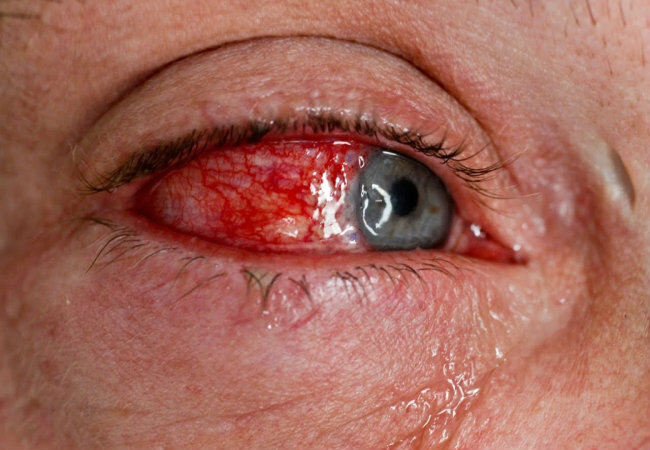
Reactive arthritis refers to the development of spondyloarthritis and ocular inflammation following a genitourinary or gastrointestinal infection, it is strongly linked with the HLA‐B27 allele.

The chapter, which is set out as below, provides a brief overview of reactive arthritis:


Aetiology

  • The exact cause of reactive arthritis remains unknown but it has been identified that people with a particular genetic type called HLA-B27 have an increased chance of developing the syndrome - about 80% of people with reactive arthritis carry this gene
  • Chlamydia trachomatis is the most commonly associated infection, although Neisseria gonorrhoea, salmonella, shigella, and campylobacter have all been associated

Clinical findings

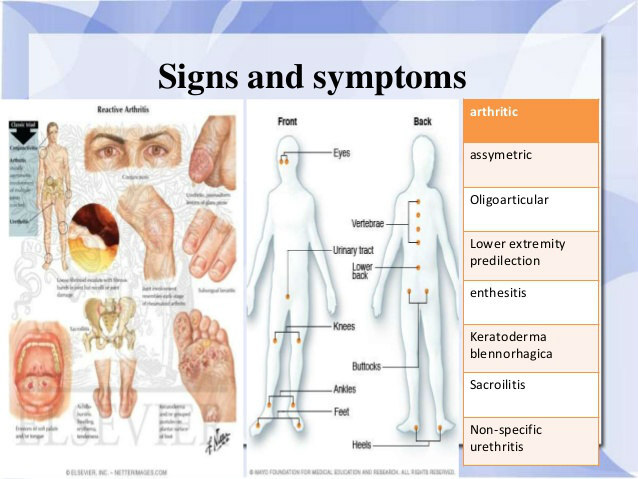
  • The classical clinical presentation comprises the triad of an asymmetrical large joint oligoarthritis with or without dactylitis, urethritis and ocular inflammation manifesting 1–6 weeks after the acute infection
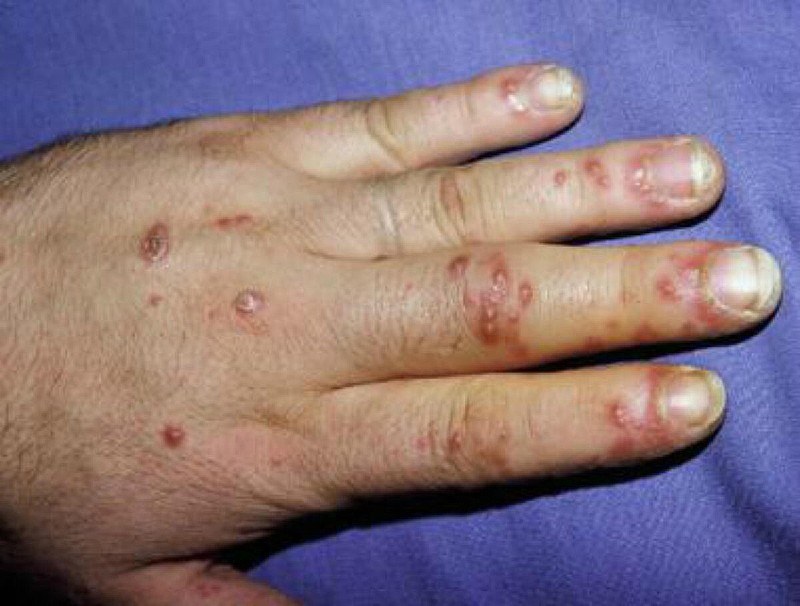
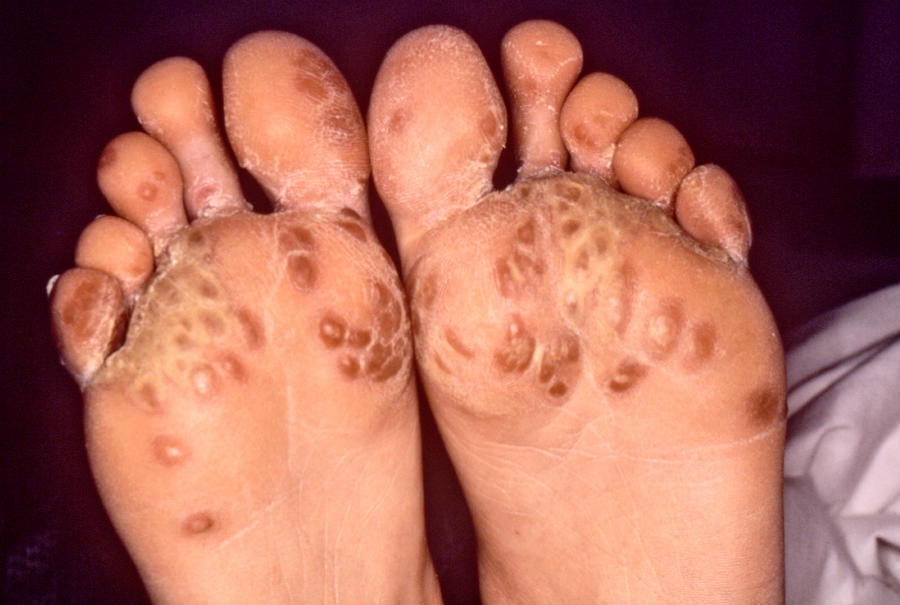
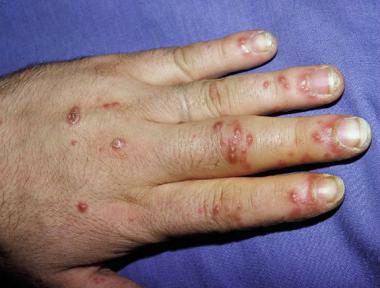
  • Skin lesions, most characteristically palmoplantar pustulosis (especially affecting the tips of the digits) and psoriasiform hyperkeratosis, develop in around 15% of men
  • Mouth erosions, geographic tongue and circinate balanitis are common features

Clinical Images

Please refer to notes on image rights at bottom of the page with regards to individual image ownership.
Management

  • There is no definitive treatment
  • Management during the acute phase may include antibiotics to eliminate the primary bacterial infection, especially if genitourinary, and NSAID to manage joint symptoms
  • Treatments, similar to those used in psoriasis, may be required for cutaneous features
  • Prognosis - although the condition is usually self‐limiting, often resolving over a period of six months, it can progress to a chronic arthritis in around 15–20% of patients

Disclaimer - the author PCDS cannot accept responsibility for any misleading or incorrect statements, and the management of individual patients remains the direct responsibility of the individual doctor. We do however hope that visitors to this site can contact us regarding comments that are considered misleading or incorrect so that we can continue to improve the site.

Image Rights - The PCDS would like to thank Dermatoweb, DermQuest (Galderma), and others who have contributed images. All named individuals and organisations maintain copyright for the relevant images.

Quick Links

The following pharmaceutical companies have had no involvement in the content of this website or in our conference programmes


Almirall
Galderma
Glenmark
Johnson & Johnson
La Roche-Posay
LEO Pharma
Pierre Fabre
Schuco