Sarcoid
LAST UPDATED: Nov 19, 2021
Introduction
Sarcoidosis is a rare multisystem granulomatous condition characterised histologically by the presence of non-caseating epithelioid granulomas. The lung and lymph nodes, followed by the skin, eyes, liver, spleen, salivary glands, the small bones of the hands and feet, and the heart are the most commonly affected sites.
This chapter is set out as follows:
Aetiology
History
-
Sarcoidosis is more common in Afro-Caribbeans, those of Irish descent living in England, and Puerto Ricans living in New York
-
It mainly affects people between 20-40 years of age, and is rare in young children
-
The risk is slightly higher in women than in men
Clinical findings
Although sarcoid can present in many ways, acute and chronic presentations have been described:
-
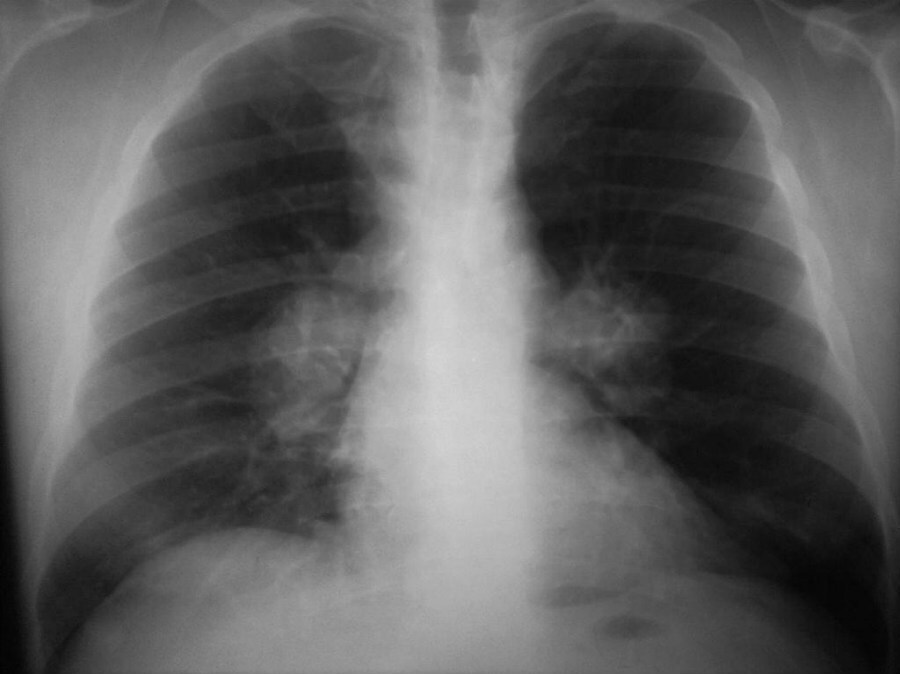
Acute - characterised by erythema nodosum, hilar lymphadenopathy, and uveitis
-
Chronic - showing more in the way of infiltrative, multisystem involvement
Cutaneous features
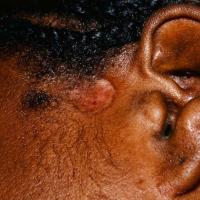
Approximately 20-35% of patients with systemic sarcoidosis have skin lesions, but cutaneous sarcoidosis can occur without systemic involvement. Cutaneous sarcoid is one of the great mimickers as it has a wide range of morphological features:
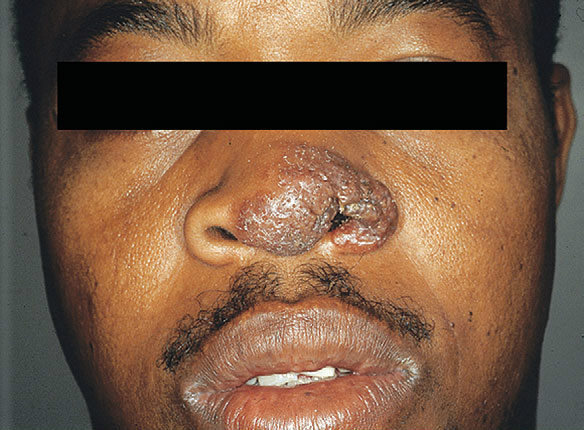
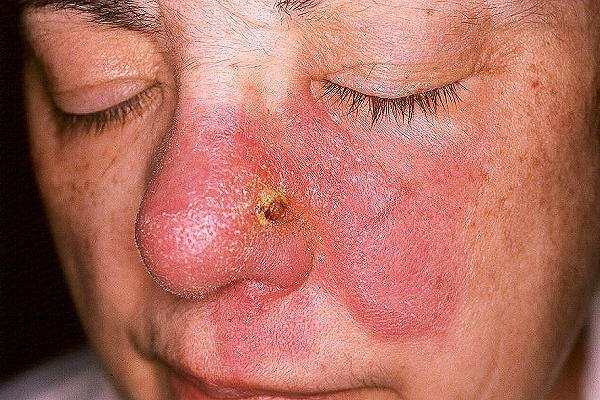
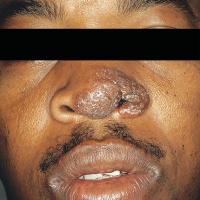
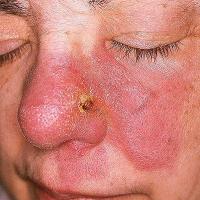
Lupus pernio
-
Large bluish-red-purple infiltrated nodules and plaques
-
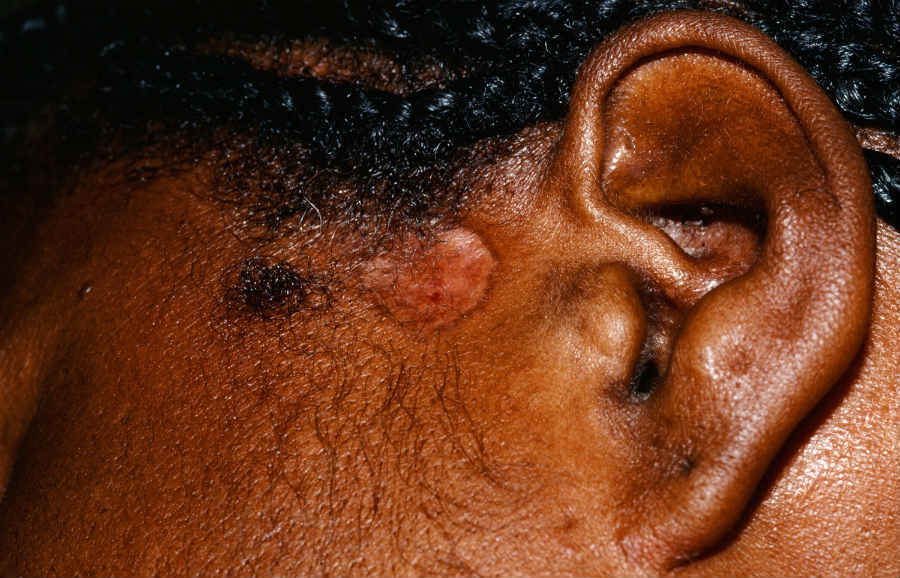
The most commonly affected sites are a roughly symmetrical involvement of the nose, cheeks, and ears. The hands, fingers and toes can also be affected
-
Nasal involvement is associated with oedema, crusting, or ulceration of the nasal vestibule, which can affect breathing
-
Lesions can be chronic and systemic involvement is common
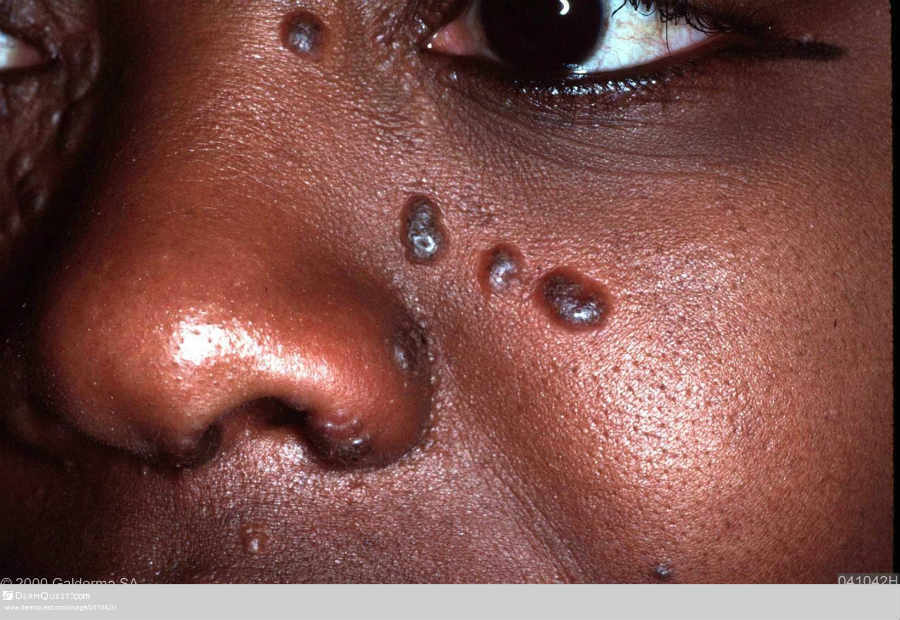
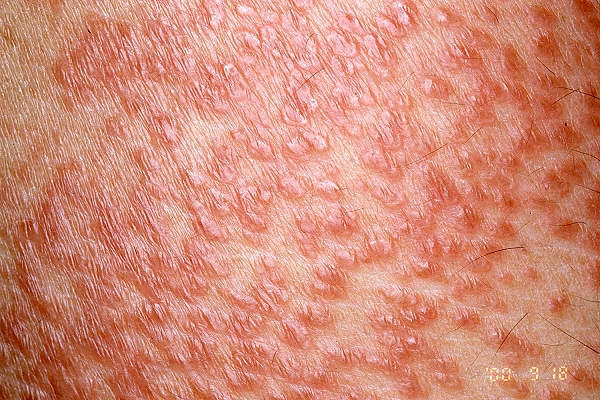
Maculopapular
-
Maculopapular sarcoidosis is the most common cutaneous finding, especially in black women
-
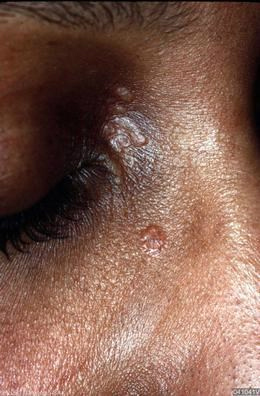
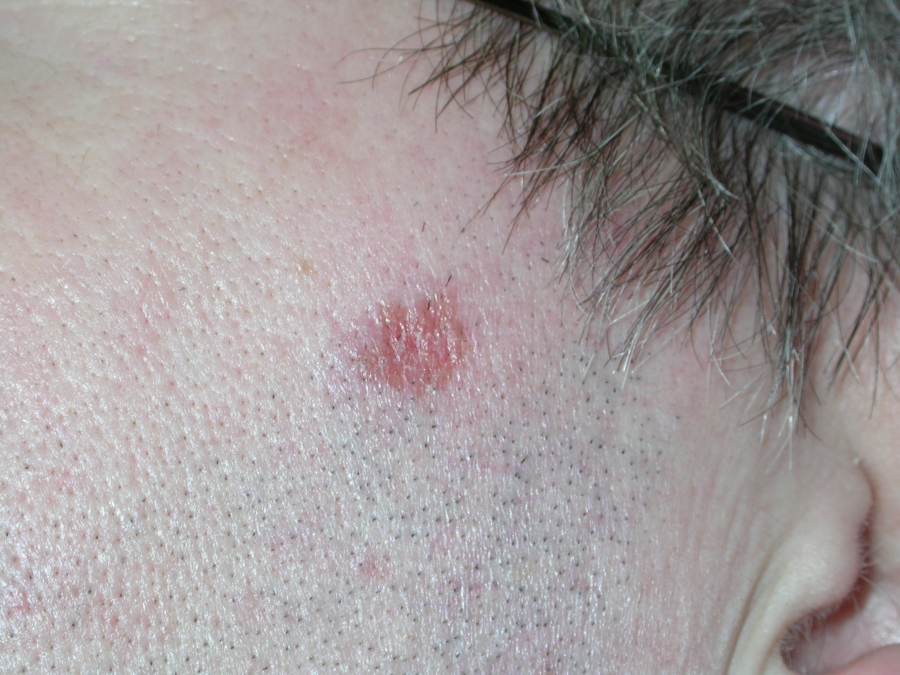
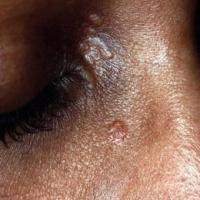
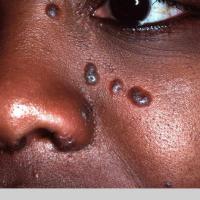
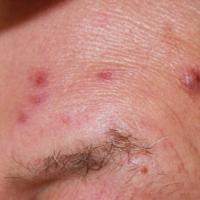
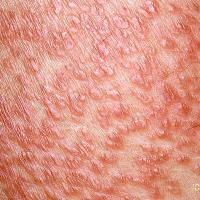
Usually, lesions are asymptomatic, red-brown macules and papules commonly involving the face, especially the periorbital areas and the nasolabial folds, and/or the extensor surfaces
-
Lesions usually resolve without scarring
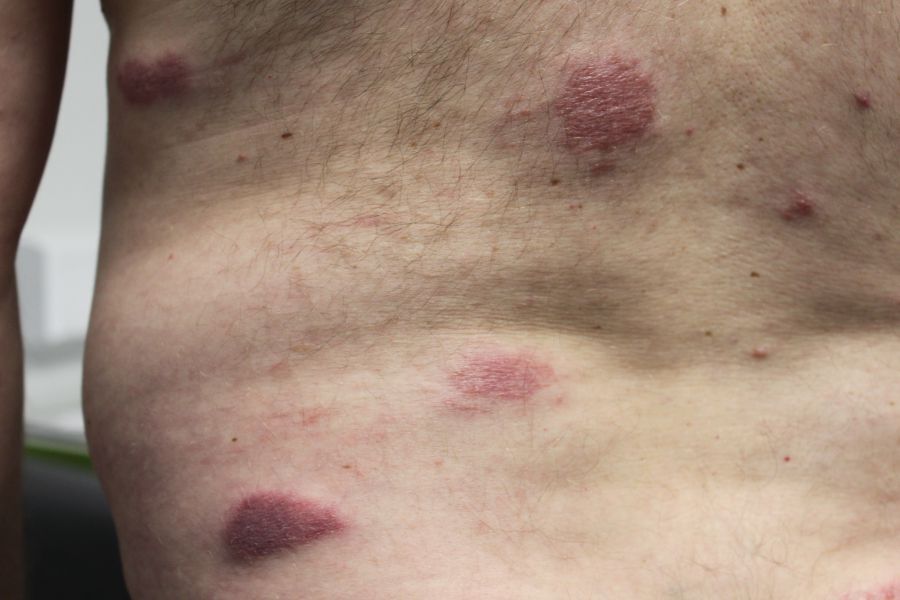
Papules and nodules
-
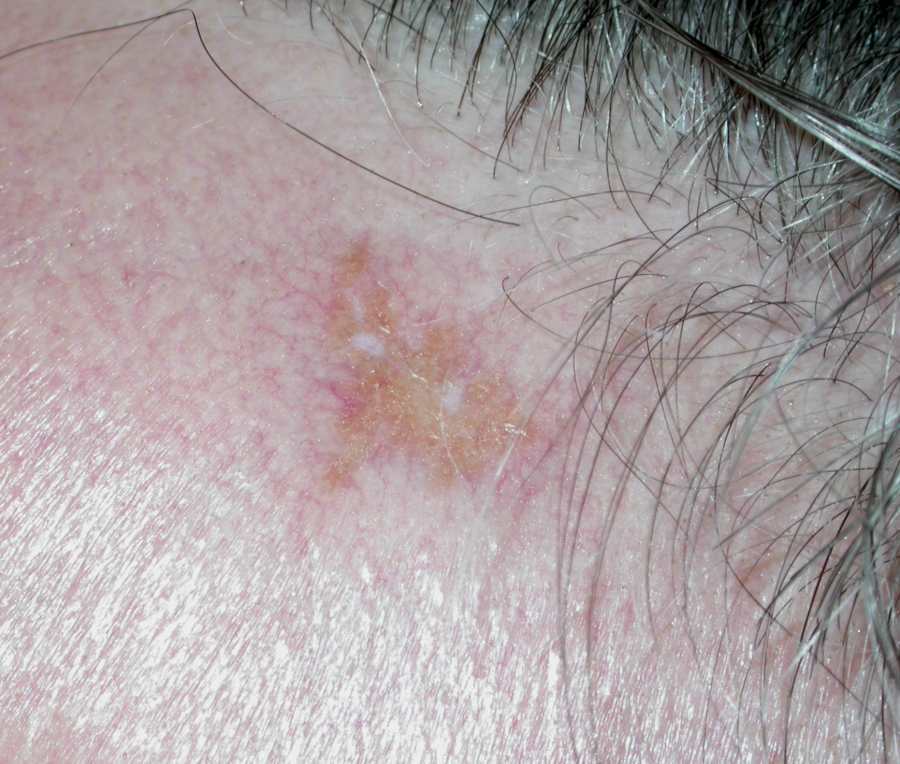
Lesions can be red-yellow or purple-brown
-
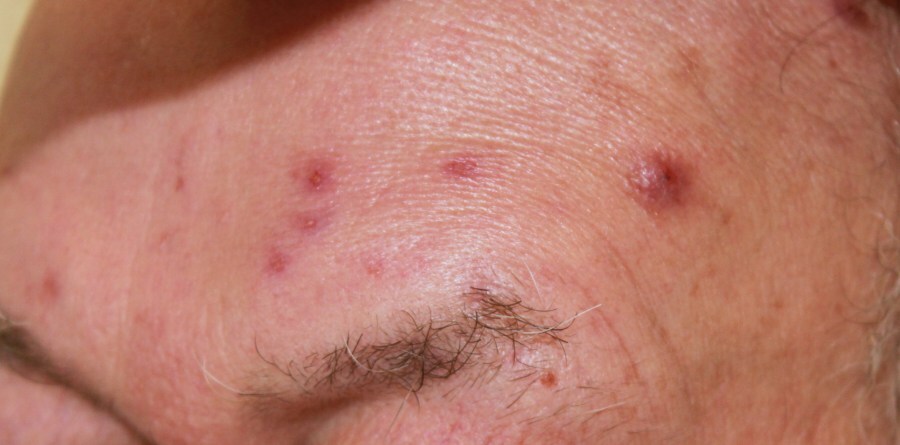
Papules - can be few or very many. Lesions arise in crops, mainly on the face and extensor aspects of the limbs. They generally carry a more favourable prognosis
-
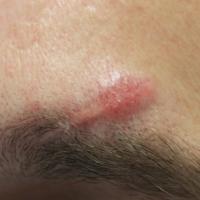
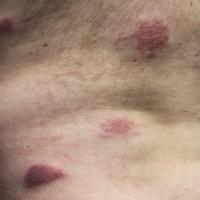
Nodules - are solitary or few. Lesions mainly affect the proximal limbs, trunk and face
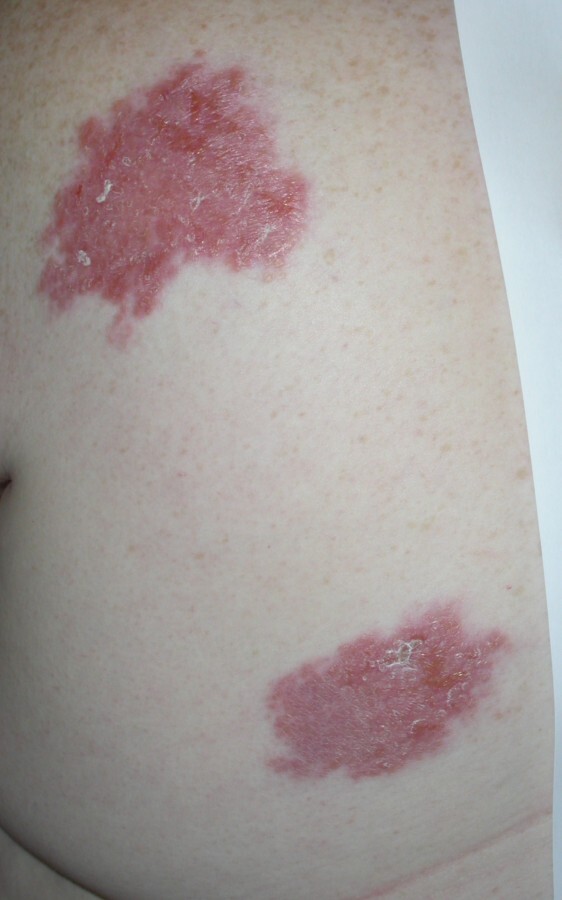
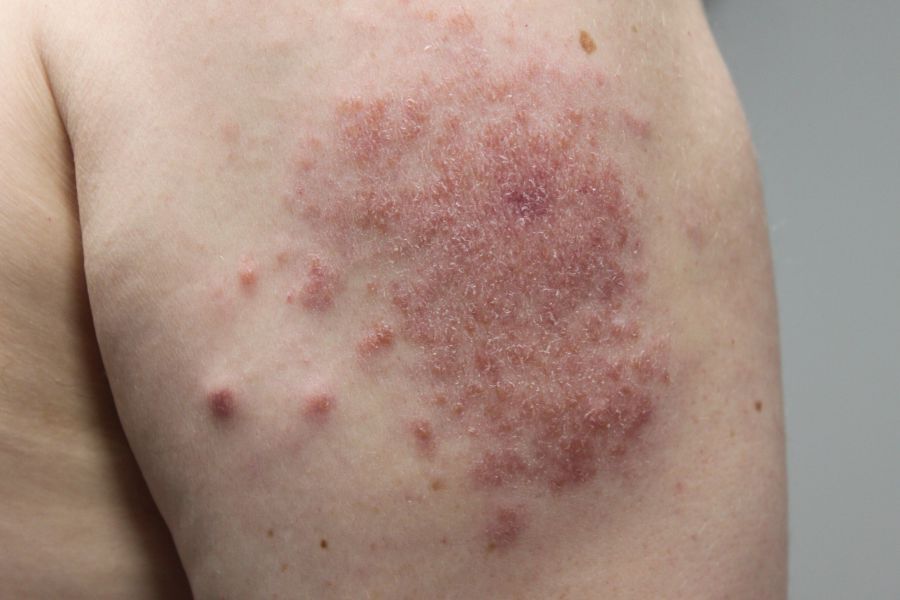
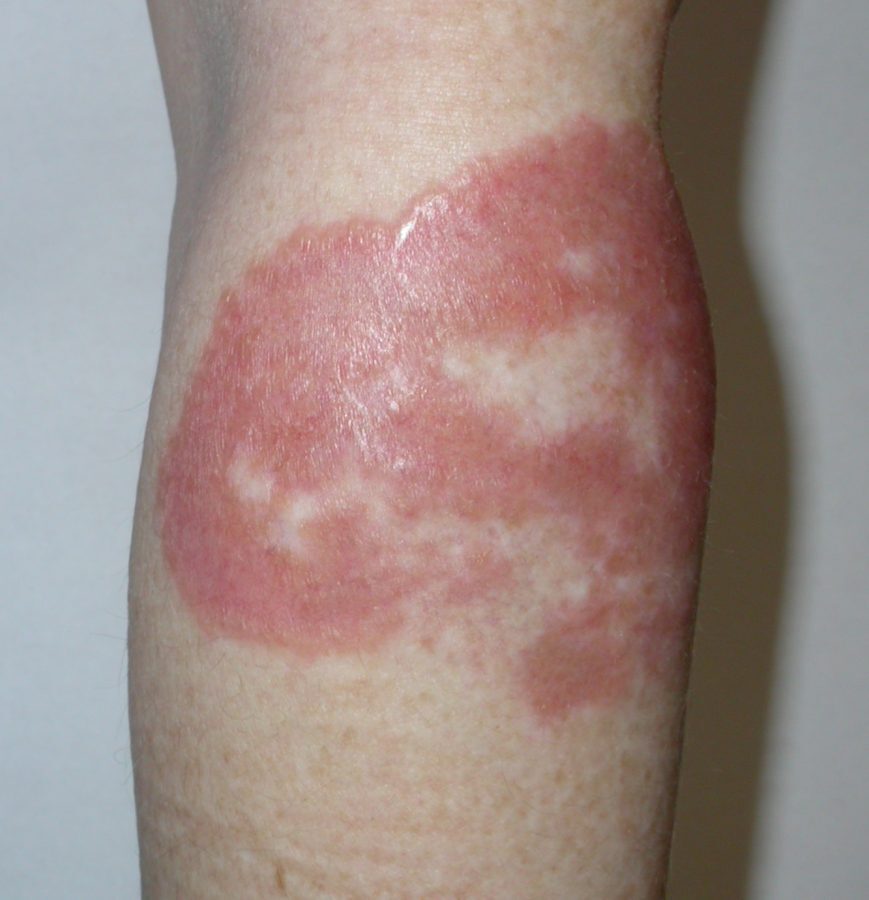
Plaques
-
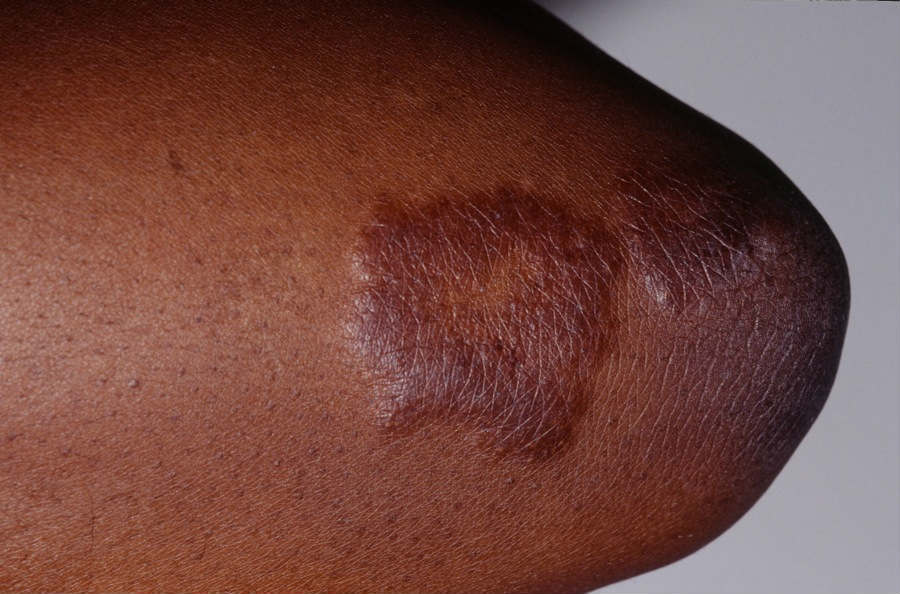
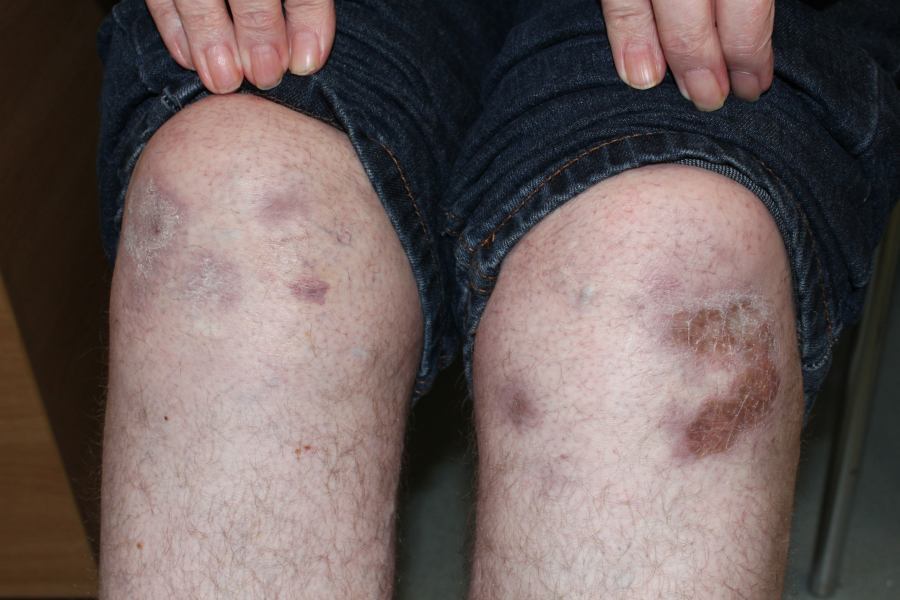
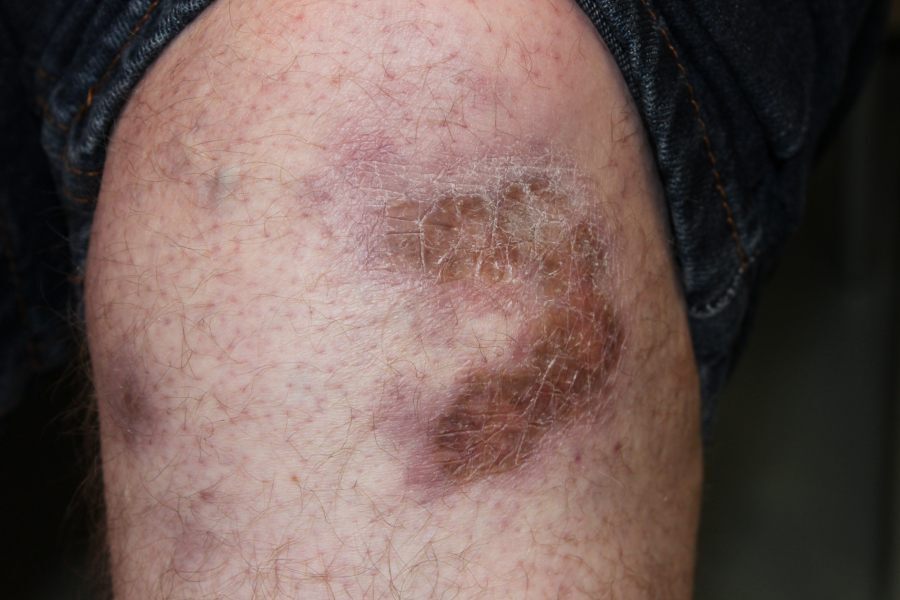
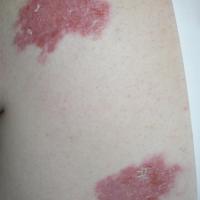
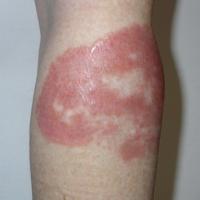
The limbs and buttocks are the most commonly affected sites
-
Lesions are red-purple-brown, diffuse, and can grow to many cm in diameter
Annular
-
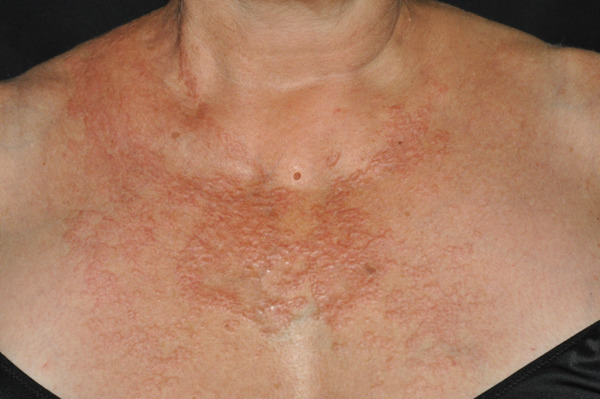
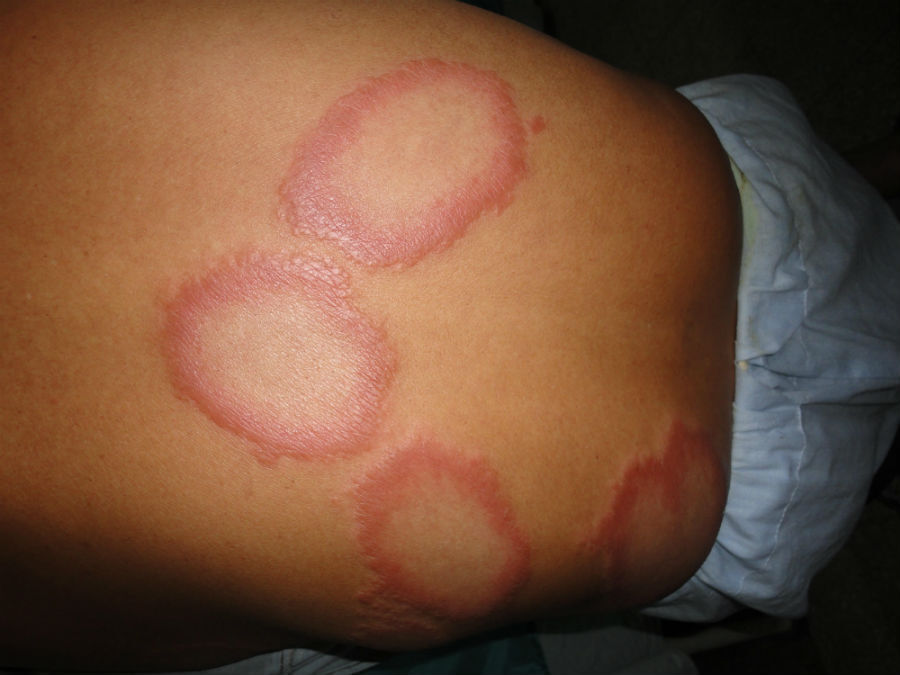
Annular lesions are most common on the face and neck, although other sites can be affected
-
Lesions have peripheral evolution and central clearing
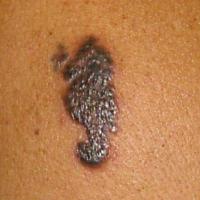
Scar sarcoidosis
-
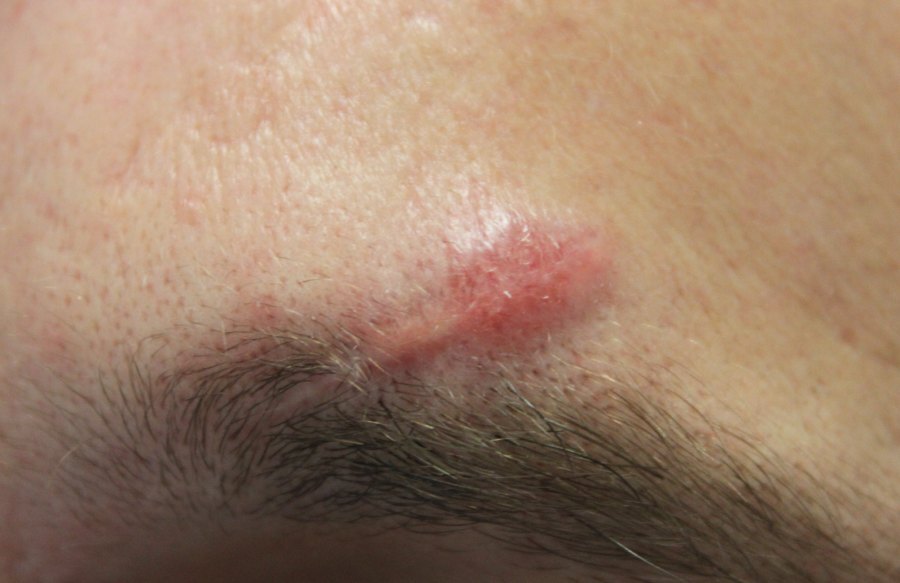
Sarcoid can cause thickening of old scars, which become red-purple-brown
-
This may be the only cutaneous feature
-
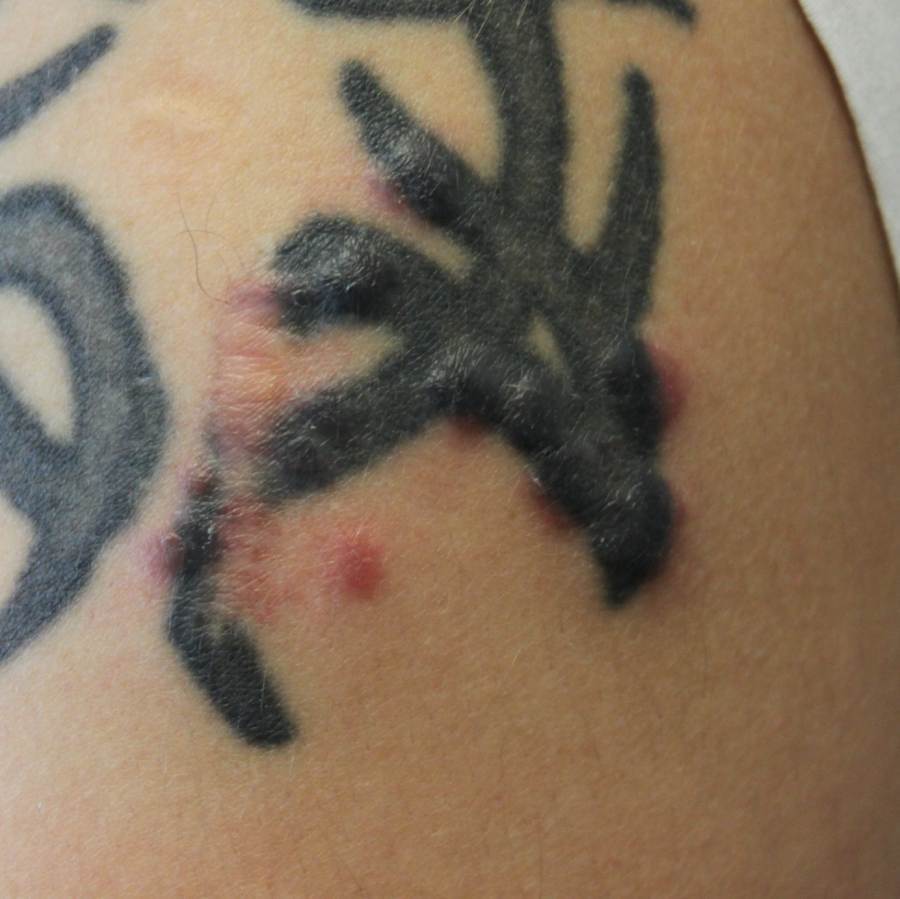
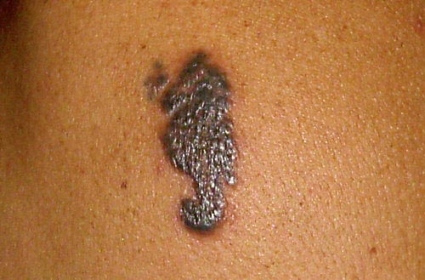
Sarcoid has also been seen in tattoos
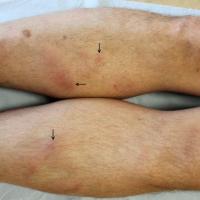
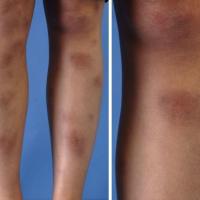
Erythema nodosum
-
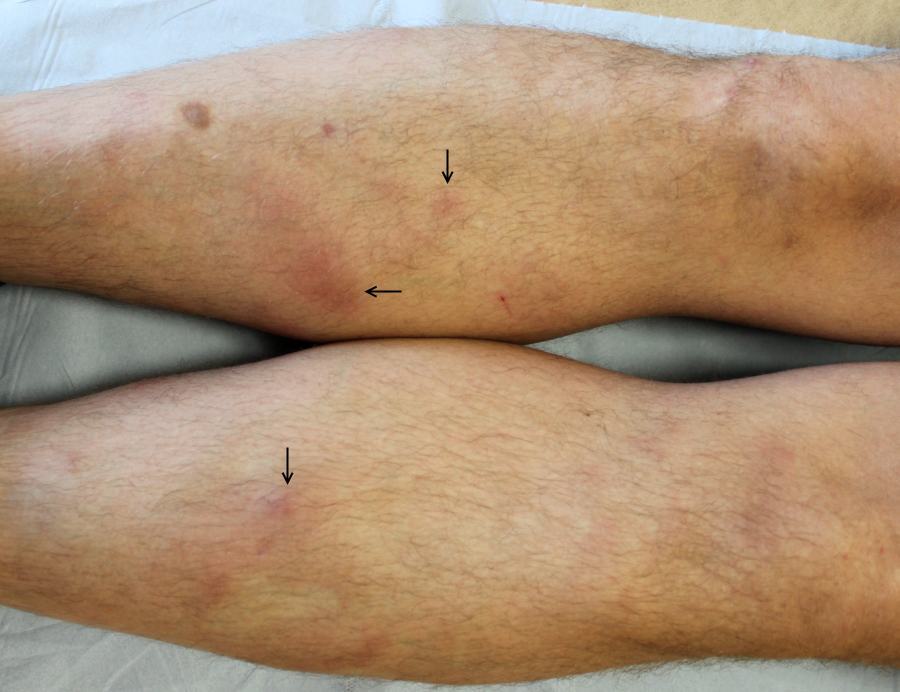
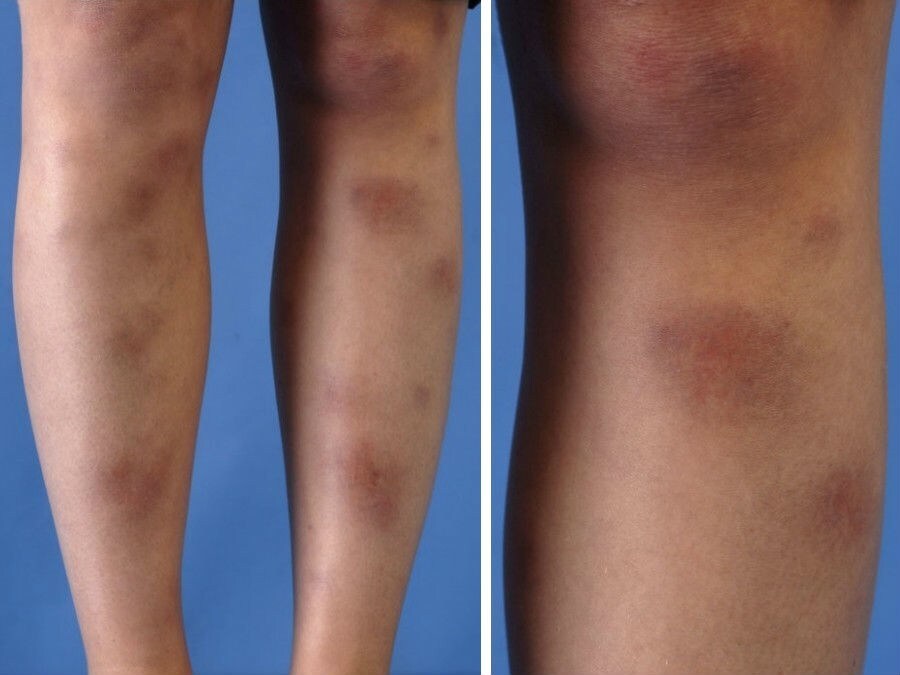
Mainly affects young women in patients with sarcoidosis
-
Is often associated with hilar lymphadenopathy, uveitis, and usually a good prognosis, with most cases resolving within two years
- Refer to the chapter Erythema nodosum
Sarcoid has many other cutaneous presentations including alopecia, hypopigmentation, and ichthyosiform sarcoidosis. It has also been associated with vasculitis, and necrobiosis lipoidica.
Systemic involvement
Approximately two-thirds of patients with cutaneous sarcoidosis have systemic involvement:
General features
-
Lethargy, arthralgia and weight loss
Respiratory
-
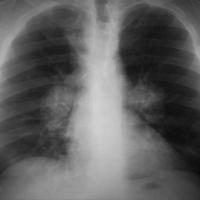
Cough and/or chest pain
-
Shortness of breath associated with lung fibrosis
-
Upper respiratory tract involvement produces hoarseness, nasal obstruction and recurrent or persistent sinusitis
Ocular
-
Most patients with ophthalmic sarcoidosis have evidence of systemic involvement at the time of presentation
-
Anterior uveitis is the most common ocular manifestation of sarcoidosis
-
Other features include lacrimal gland involvement causing dry eyes, conjunctivitis, cataracts, glaucoma and involvement of the orbital space associated with proptosis or ptosis
Bones and joints
-
Lysis and cystic changes of the small bones of the hands and feet
-
Acute polyarthralgia
-
Chronic polyarthritis
Cardiac
-
Heart block and sudden death may occur
-
The incidence of ventricular tachyarrhythmias requiring implantable cardioverter-defibrillator therapy is estimated to be 15% per year in those patients with cardiac involvement
Renal
-
Although the kidneys are infrequently involved in sarcoidosis, it can cause serious damage. Sarcoidosis may either involve the kidneys directly or cause renal failure secondary to hypercalcaemia, hypercalciuria and nephrocalcinosis
Other organ involvement
-
Includes the nervous system (optic nerve involvement, cranial nerve palsy, peripheral neuropathy), deranged LFT, diabetes insipidus, and myopathy
Clinical Images
Please refer to notes on image rights at bottom of the page with regards to individual image
ownership.
1
2
3
4
5
6
7
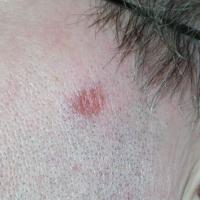
8
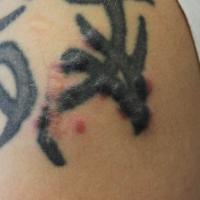
9
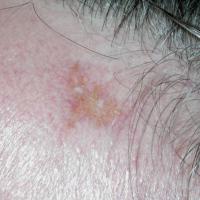
10
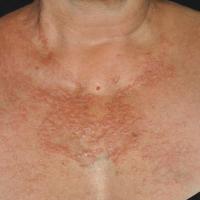
11
12

13
14
15
16
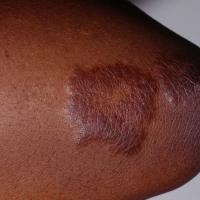
17
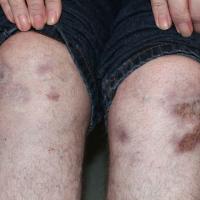
18
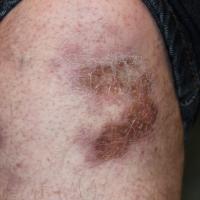
19
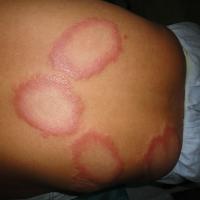
20
21
22
23
24
Investigations
-
Bloods
-
FBC can show a mild anaemia, lymphopenia and neutropenia
-
U+E and calcium levels checking for renal impairment and hypercalcaemia
-
LFT may be slightly elevated
-
ACE (angiotensin-converting enzyme) levels are raised in 60% of cases and may be useful in disease monitoring
- CXR (and possibly lung function tests)
-
ECG to look for heart block
-
Histopathology reveals aggregates of epithelioid cells with pale-staining nuclei, which form the characteristic discrete non-caseating granulomas. Multinucleate giant cells are usually, but not always, present
Management
-
Patients with suspected sarcoidosis should be referred to the appropriate specialist
-
Cutaneous lesions can be very recalcitrant to treatment. Topical treatments sometimes used include:
-
Potent or super-potent topical steroid creams/ointments
-
Intralesional steroids
-
Tacrolimus 0.1% ointment
-
Systemic treatments
-
May be required for systemic disease, and in turn may improve skin symptoms
-
Are not often used for patients with cutaneous involvement alone, unless the lesions are very problematic, eg involving the face or widespread, and not responding to topical treatments
-
Include oral corticosteroids, steroid-sparing agents such as methotrexate and mycophenolate mofetil, and the biologics. There have been case reports of patients responding to tetracyclines, and hydroxychloroquine, but not mepacrine
-
Prognosis
-
Cutaneous sarcoidosis often runs a prolonged course, with 10-15% of patients having active disease lasting many years
-
Papules and nodules tend to resolve over months or years, whilst plaques may be more persistent
-
Lupus pernio is often present in patients with chronic fibrotic sarcoidosis and is associated with involvement of the upper respiratory tract, advanced lung fibrosis, bone cysts and eye disease
-
20-30% of patients have some degree of permanent lung damage
-
In 5-10% of cases the disease can be fatal if either granulomas or fibrosis seriously affects vital organs such as the lungs, heart, nervous system, liver or kidneys
Disclaimer - the author PCDS cannot accept responsibility for any misleading or incorrect statements, and the management of individual patients remains the direct responsibility of the individual doctor. We do however hope that visitors to this site can contact us regarding comments that are considered misleading or incorrect so that we can continue to improve the site.
Image Rights - The PCDS would like to thank Dermatoweb, DermQuest (Galderma), and others who have contributed images. All named individuals and organisations maintain copyright for the relevant images.