Scars - hypertrophic and keloid
LAST UPDATED: May 28, 2022
Introduction
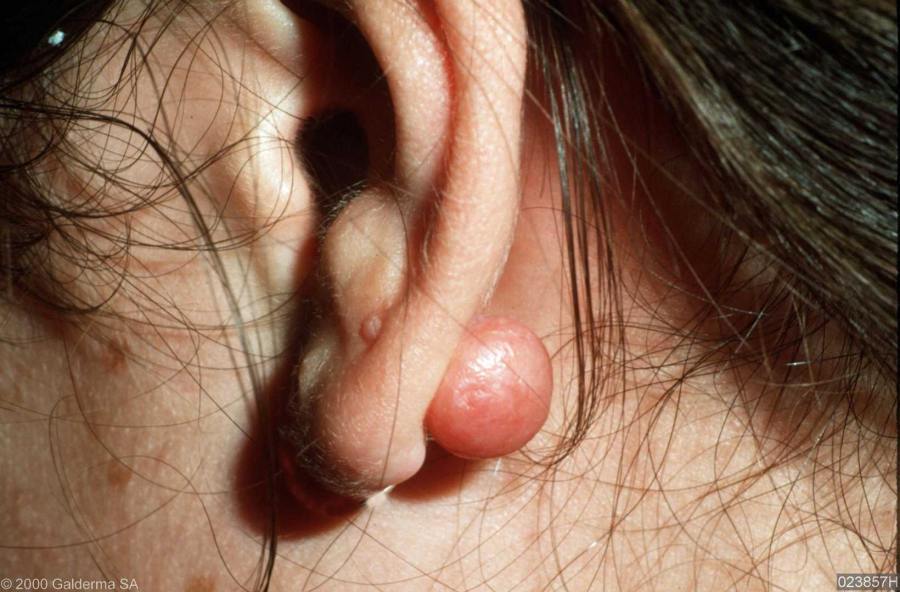
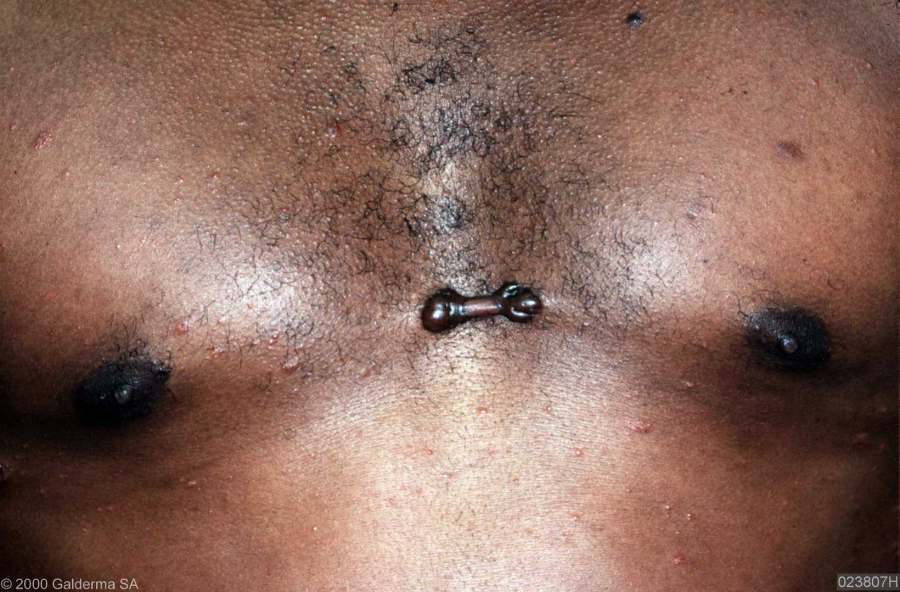
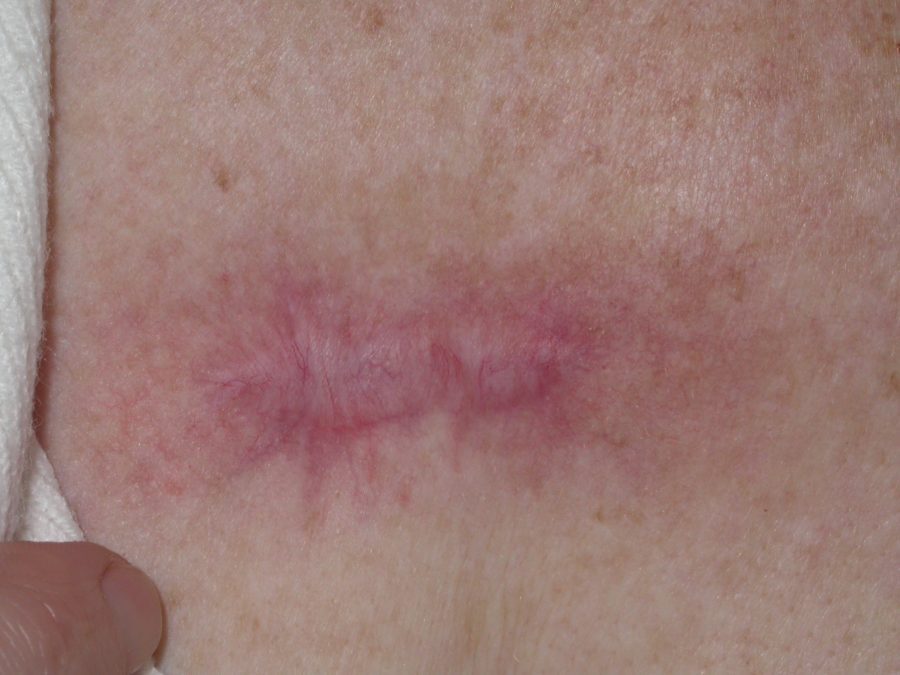
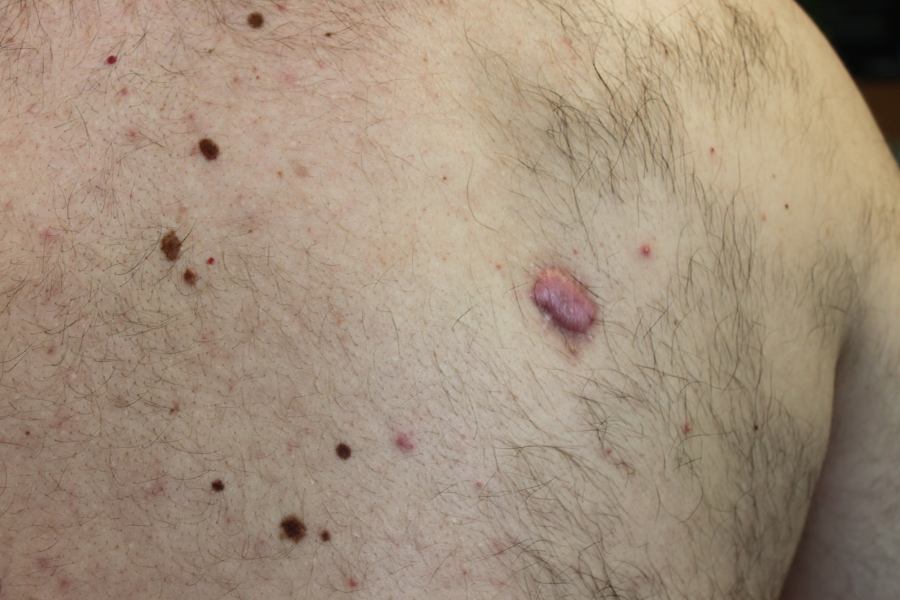
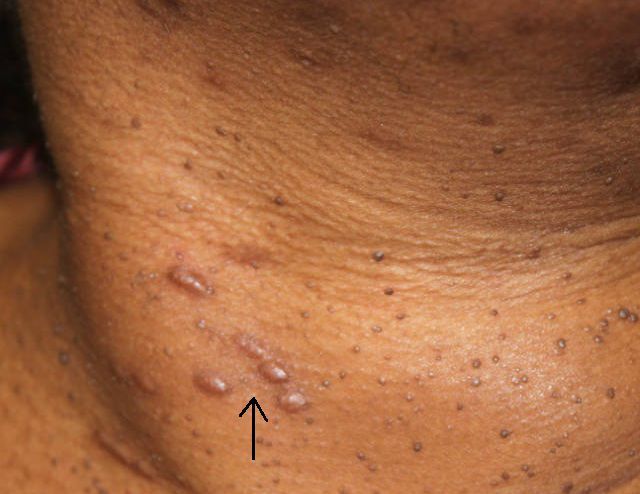
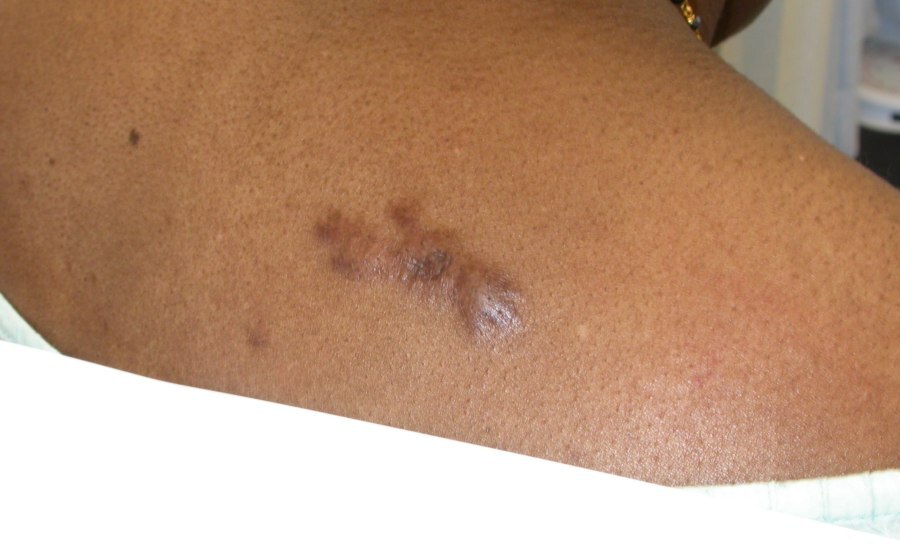
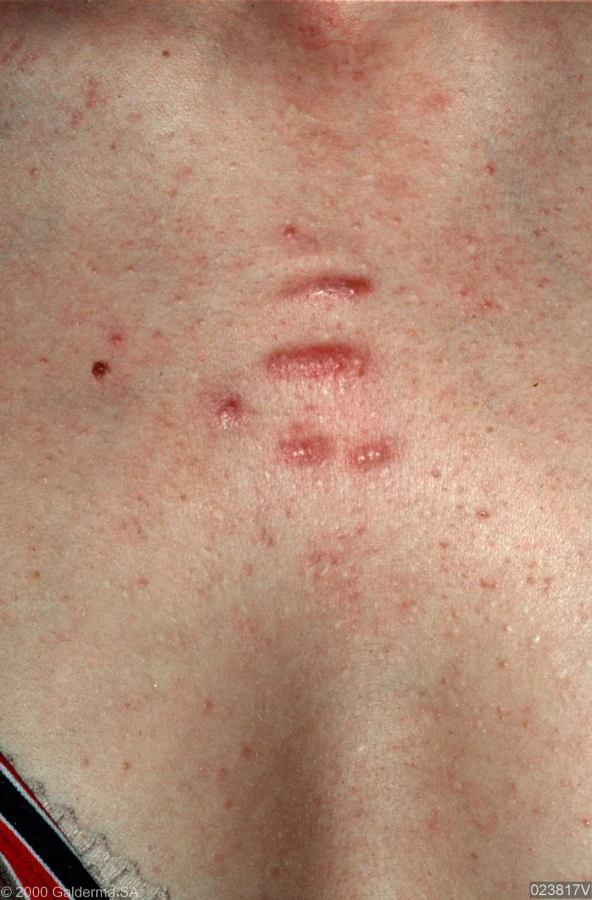
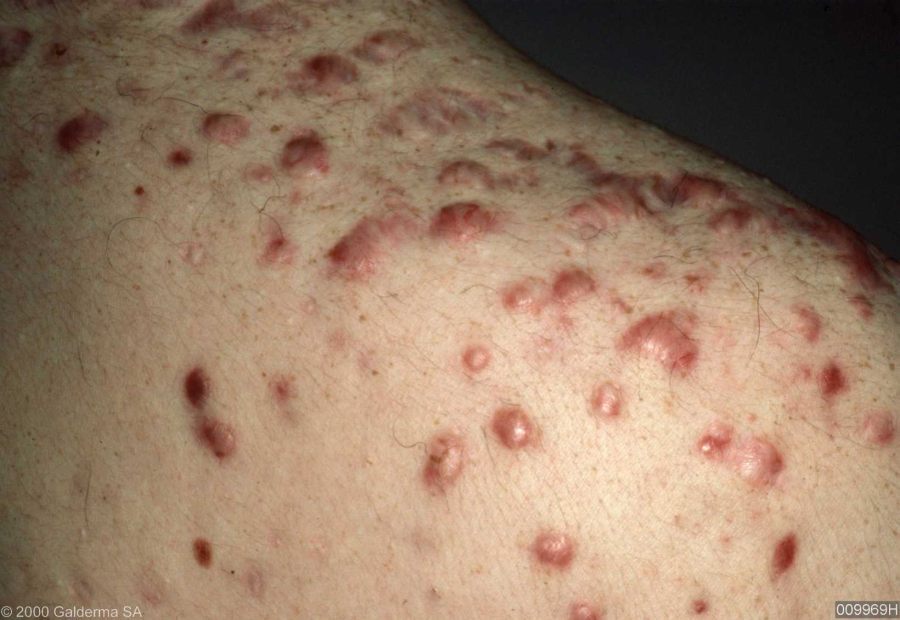
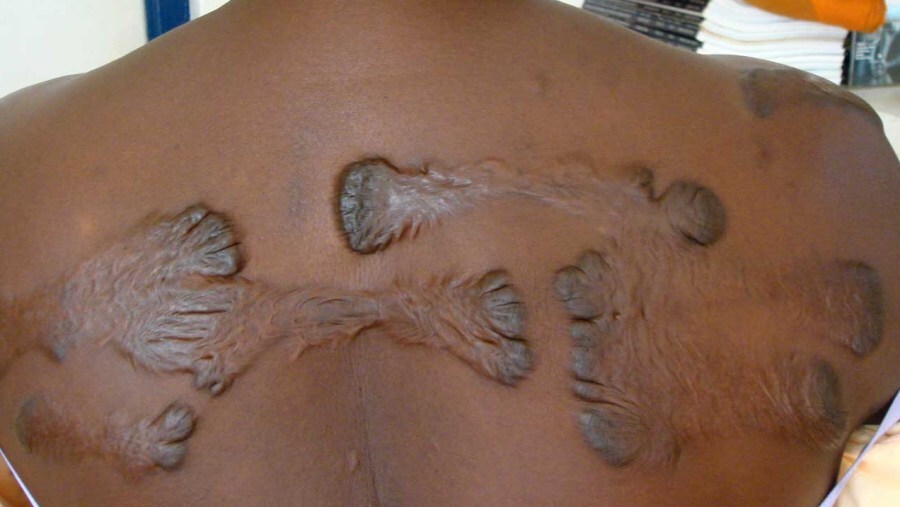
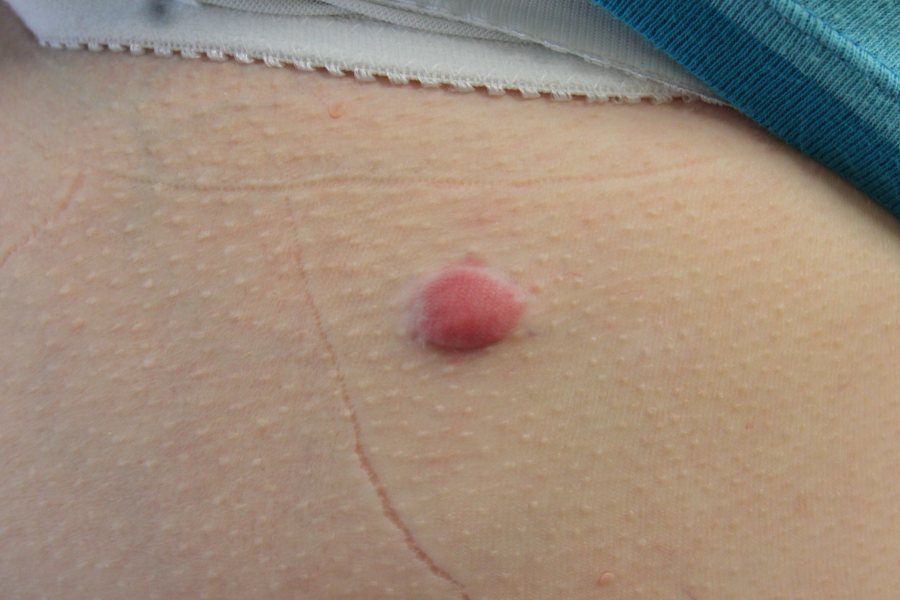
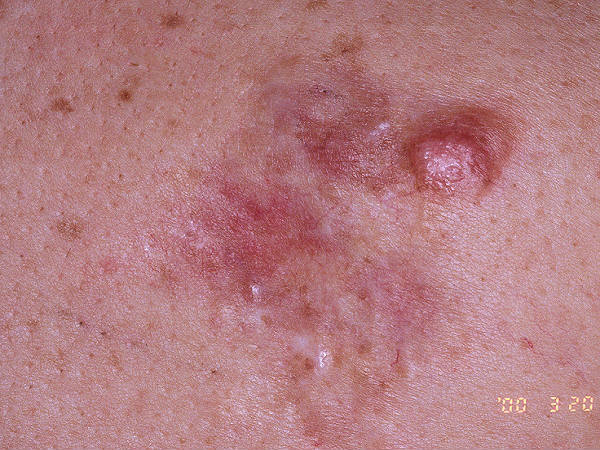
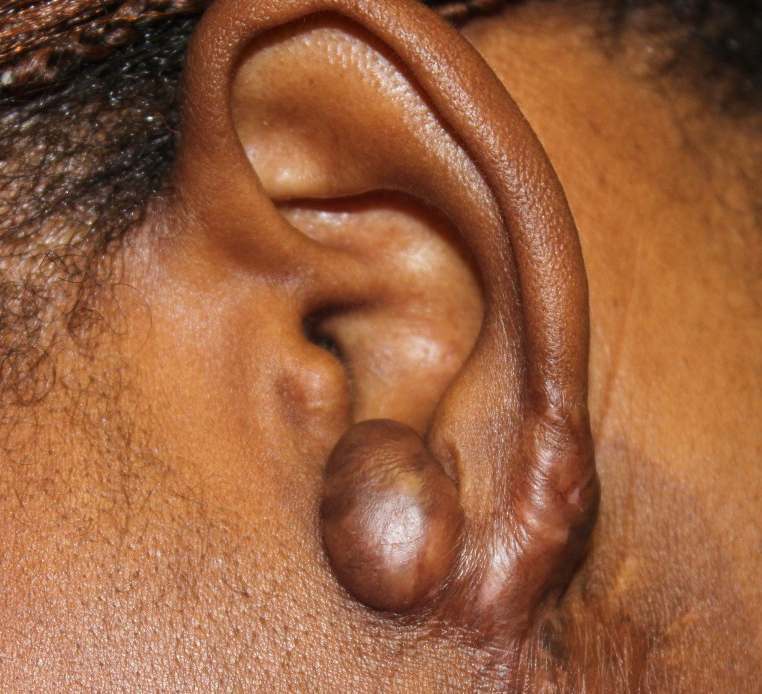
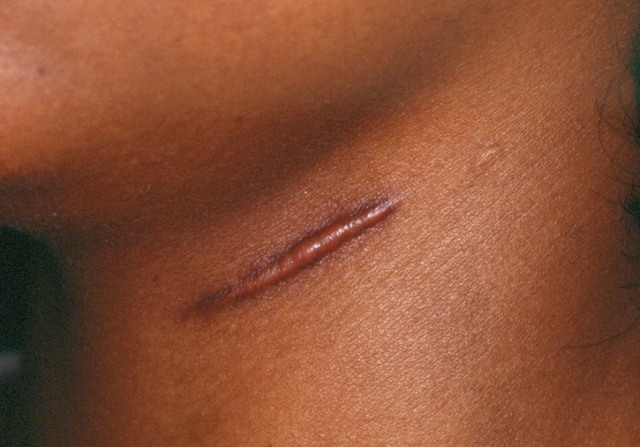
This chapter discusses keloid scars, which extend beyond the original defect/scar and persist for many years, and hypertrophic scars, which are smaller, remain confined to the initial defect/scar and tend to improve with time.
This chapter is set out as follows:
Aetiology
-
Hypertrophic and keloid scars represent an excessive connective tissue response:
- to an injury (eg accidental trauma, burn, piercing etc), which may be trivial;
- following surgery;
- sometimes following inflammation (eg acne vulgaris, chickenpox);
- and occasionally arising spontaneously, especially on the upper trunk
-
Scars can arise at any age and site but the following increase the risk:
-
Site - upper trunk, upper arms, shoulders, neck and earlobes
-
Age - younger patients, most keloid scars arise between puberty and the age of 30
-
Skin type - especially skin types V-VI, skin type I is also at increased risk
-
A family history of keloid scars
-
Women more than men
-
Poor wound healing as a result of eg secondary infection or retained suture material
History
-
Lesions tend to appear a few weeks after the injury, but sometimes arise much later
-
Occasionally there is no history of preceding injury or inflammation
-
Growth can continue for months or years
-
Symptoms - many patients complain of tenderness or itch
Clinical findings
-
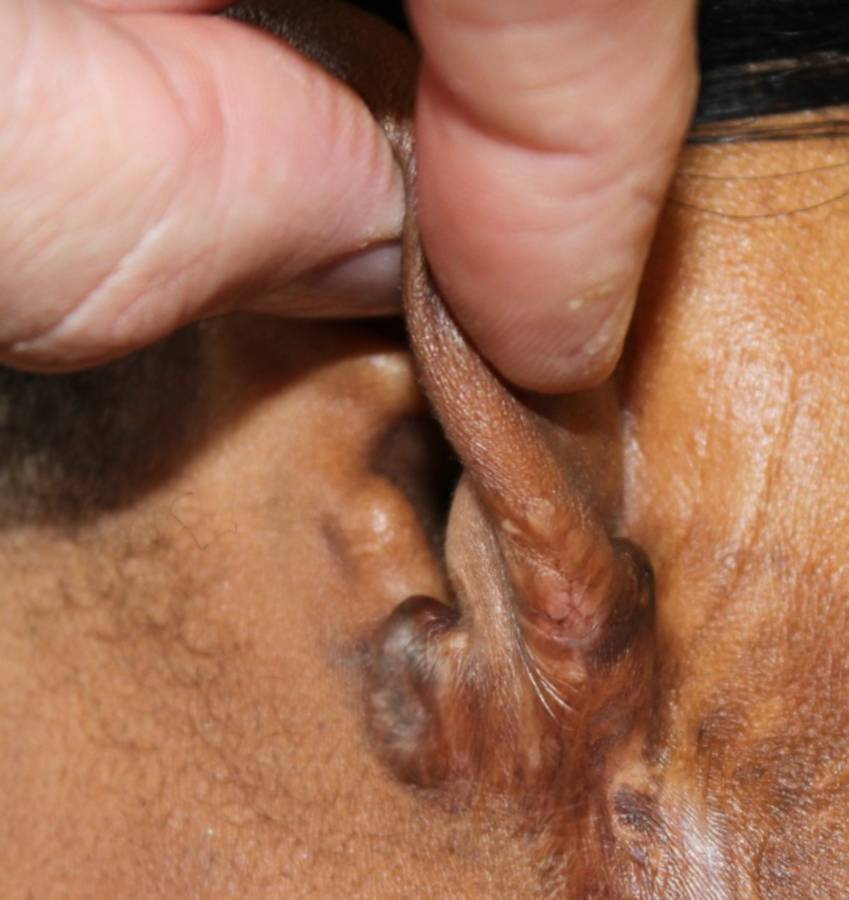
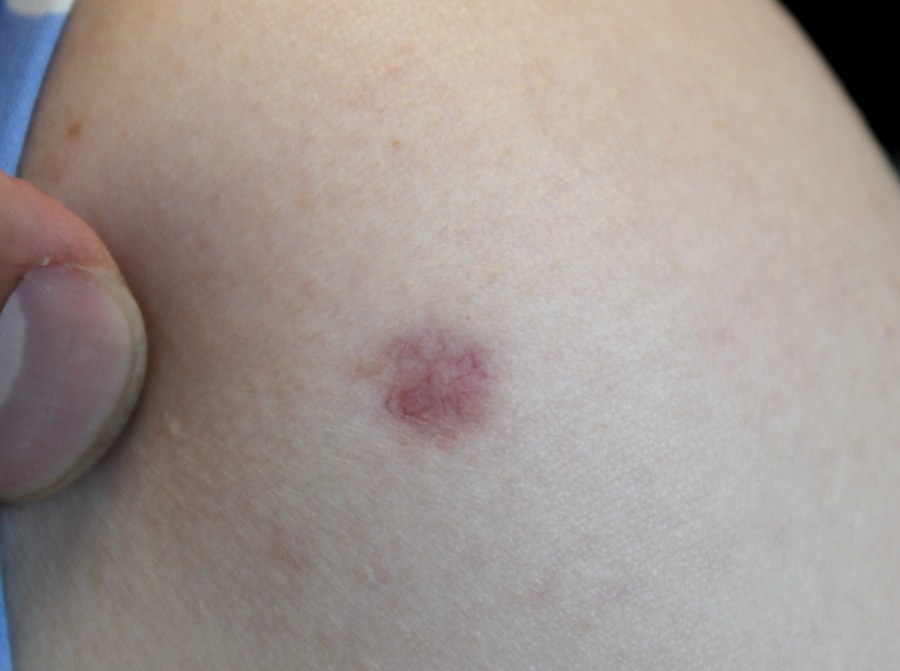
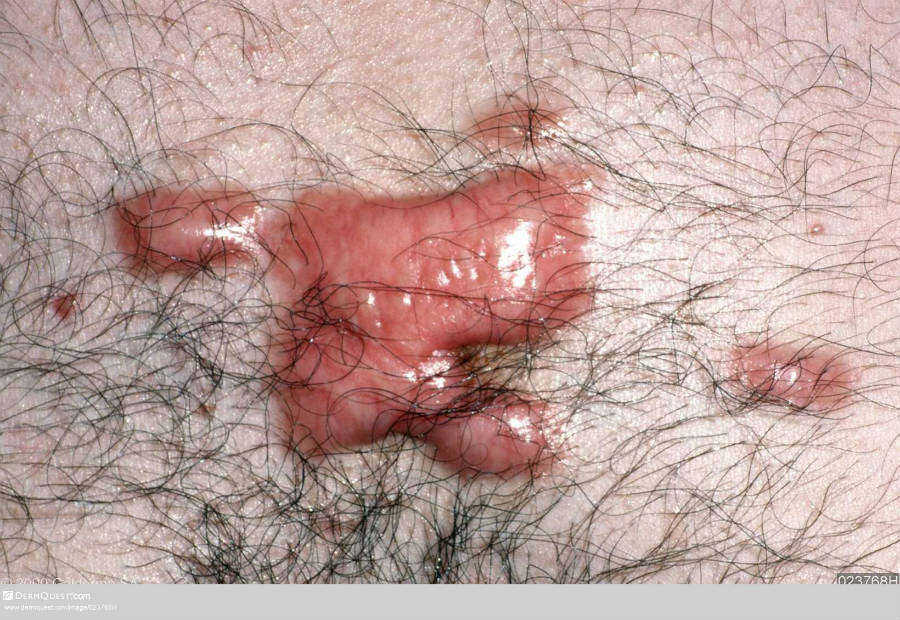
A firm, skin-coloured to red, plaque or nodule, which can take on a dumbbell shape
-
Size varies, some keloid scars can be very large
-
If the lesion appears atypical consider dermatofibrosarcoma protuberans
Clinical Images
Please refer to notes on image rights at bottom of the page with regards to individual image
ownership.
1
2
3
4
5
6
7
8
9
10
11
12
13
Management
Step 1: scar prevention
-
Avoid unnecessary skin surgery
-
When surgery is required and the patient has a higher risk of scarring:
-
The patient should be treated by a health professional who has had the necessary training and is able to perform skin surgery to a high standard
-
Silicone gel / sheets, used post operatively for several months will reduce scar formation in some patients
-
Acne - patients known to suffer from keloid scars and who develop even mild acne require prompt and effective treatment for their acne
Step 2: treatment of scars
-
Silicone gel / sheets
-
Some patients may benefit if silicone is used either as a preventative treatment or at a very early stage of scar development
-
Treatment is required for several months
-
Steroid treatments
- If used in the early days of scar formation, a potent or super-potent topical steroid eg Dermovate ® ointment applied thinly once daily (for several months) may be of benefit. Alternatively, consider steroid impregnated treatments - there are two types, both of which can be left on for up to 24 hours before reapplying:
- Haelan ® tape (fludroxycortide tape) - attached is a video demonstrating how to use the tape
- Betesil ® medicated plaster (betamethasone valerate 2.25mg) - attached is a video demonstrating how to use the plaster
Additional images
Disclaimer - the author PCDS cannot accept responsibility for any misleading or incorrect statements, and the management of individual patients remains the direct responsibility of the individual doctor. We do however hope that visitors to this site can contact us regarding comments that are considered misleading or incorrect so that we can continue to improve the site.
Image Rights - The PCDS would like to thank Dermatoweb, DermQuest (Galderma), and others who have contributed images. All named individuals and organisations maintain copyright for the relevant images.