Sjögren’s syndrome
LAST UPDATED: Jul 01, 2023
Introduction
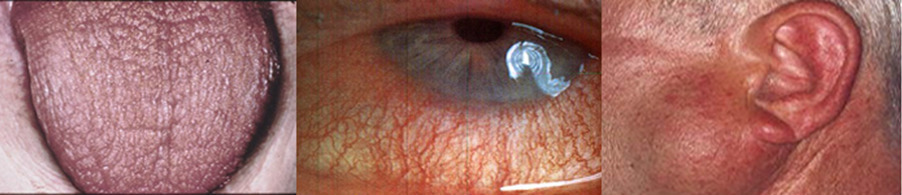
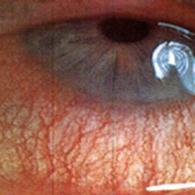
Sjögren's syndrome is a systemic chronic inflammatory disorder characterised by lymphocytic infiltrates in exocrine organs. Most individuals with Sjögren's syndrome present with sicca symptoms, such as dry eyes (keratoconjunctivitis sicca), dry mouth (xerostomia), and parotid gland enlargement. Cutaneous involvement occurs in approximately 50% of patients.
This chapter provides a brief overview and is set out as follows:
Aetiology
-
Primary Sjögren's syndrome occurs in the absence of an underlying condition
-
Secondary Sjögren's syndrome is associated with an underlying condition such as subacute cutaneous lupus erythematosus, systemic sclerosis, dermatomyositis, and rheumatoid arthritis
History
-
Primary Sjögren's syndrome is nine times more common in females than males
-
It can affect any age, but predominantly arises in the fourth to sixth decades
Clinical findings
-
Dry eyes (keratoconjunctivitis sicca), and dry mouth (xerostomia)
-
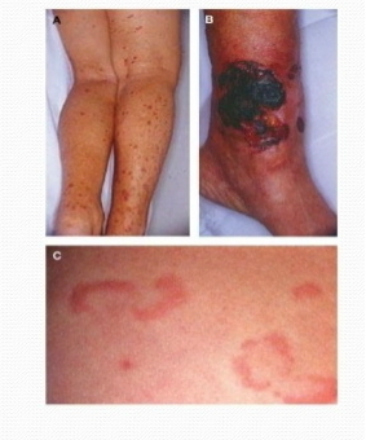
Cutaneous features can include:
-
Xerosis (dry skin)
-
Pruritus
-
Reduced sweating
-
Alopecia
-
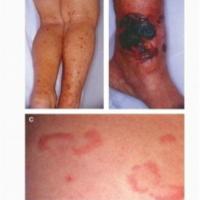
Annular erythema, including Sweet's-like lesions
-
Raynaud's phenomenon in 20% of patients
-
Cutaneous vasculitis
-
Non-cutaneous features
-
Up to 60% of patients will develop arthralgia or arthritis, which is usually non-destructive
-
Parotid gland enlargement
-
A dry cough
-
Systemic vasculitis
-
Associations
-
In secondary Sjögren's syndrome, the condition is associated with other connective tissue disorders
Clinical Images
Please refer to notes on image rights at bottom of the page with regards to individual image
ownership.
1
2
Investigations
-
Anti-Ro/SSA and anti-La/SSB antibodies are commonly positive. Refer to the chapter on investigations for more information. It is worth checking with your local pathology department as the tests performed may vary, and the spectrum of autoantibodies is continually evolving
-
Schirmer's test - measures eye moisture, which is significantly reduced in Sjögren's syndrome
-
Other tests occasionally performed include a biopsy of salivary glands in the mouth, parotid gland sialography, and salivary scintigraphy
Management
-
Patients with suspected Sjögren's syndrome should be referred to Secondary Care, usually a rheumatologist (refer to local pathways)
-
There is no cure for Sjögren's syndrome, and the mainstay of treatment for the dry eyes, dry mouth and dry skin is to minimise symptoms by replacing the reduced secretions - patients should also try to avoid medications with anticholinergic side effects eg tricyclic antidepressants
-
Calcium-channel blockers, eg Nifedepine, can be useful for Raynaud's phenomenon
-
Hydroxychloroquine has been found to be helpful in some people with skin and/or joint complaints
-
Systemic steroids and immunosuppressive drugs may be required for complications such as systemic vasculitis
Disclaimer - the author PCDS cannot accept responsibility for any misleading or incorrect statements, and the management of individual patients remains the direct responsibility of the individual doctor. We do however hope that visitors to this site can contact us regarding comments that are considered misleading or incorrect so that we can continue to improve the site.
Image Rights - The PCDS would like to thank Dermatoweb, DermQuest (Galderma), and others who have contributed images. All named individuals and organisations maintain copyright for the relevant images.