LAST UPDATED: Nov 19, 2021
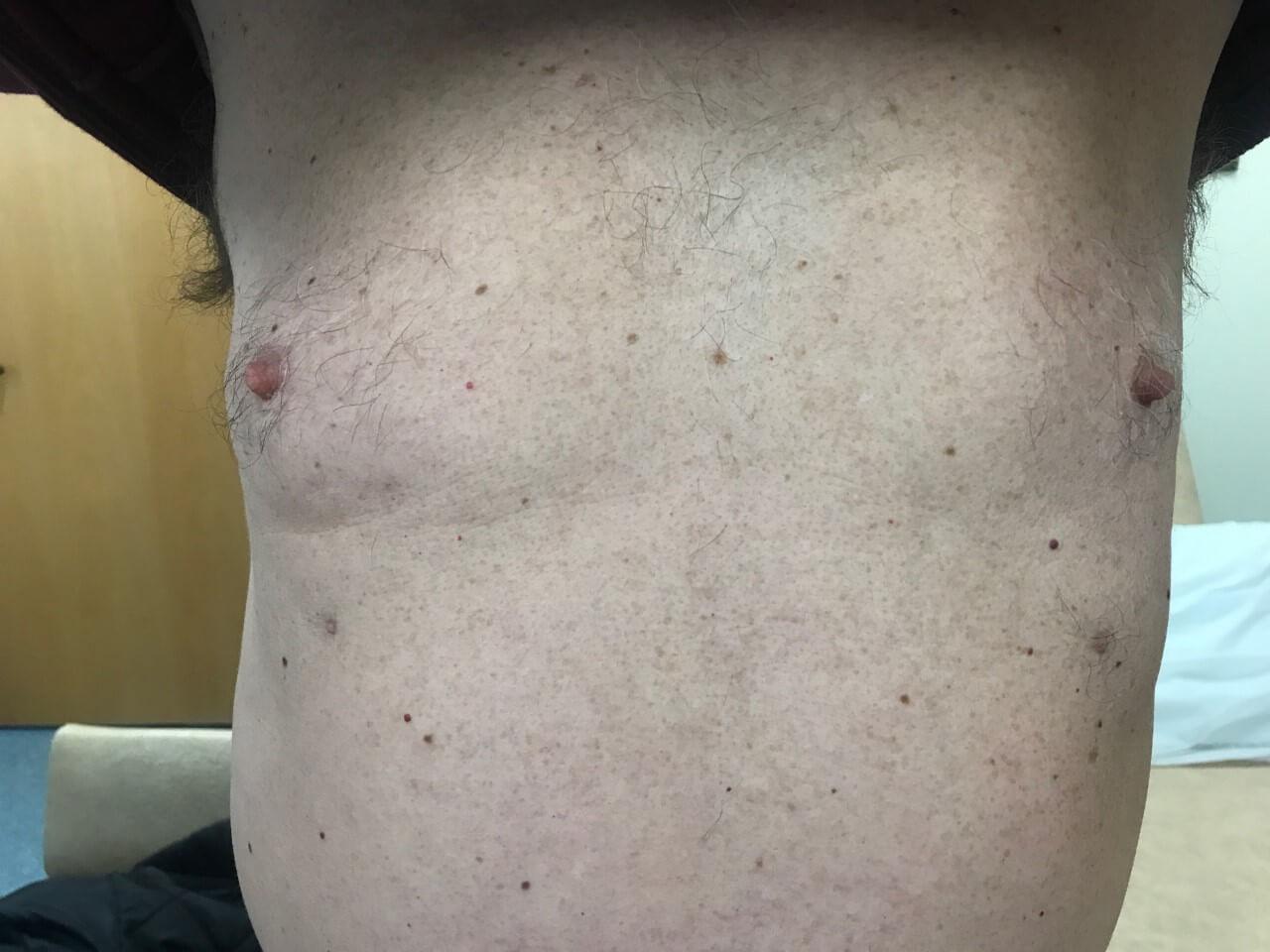
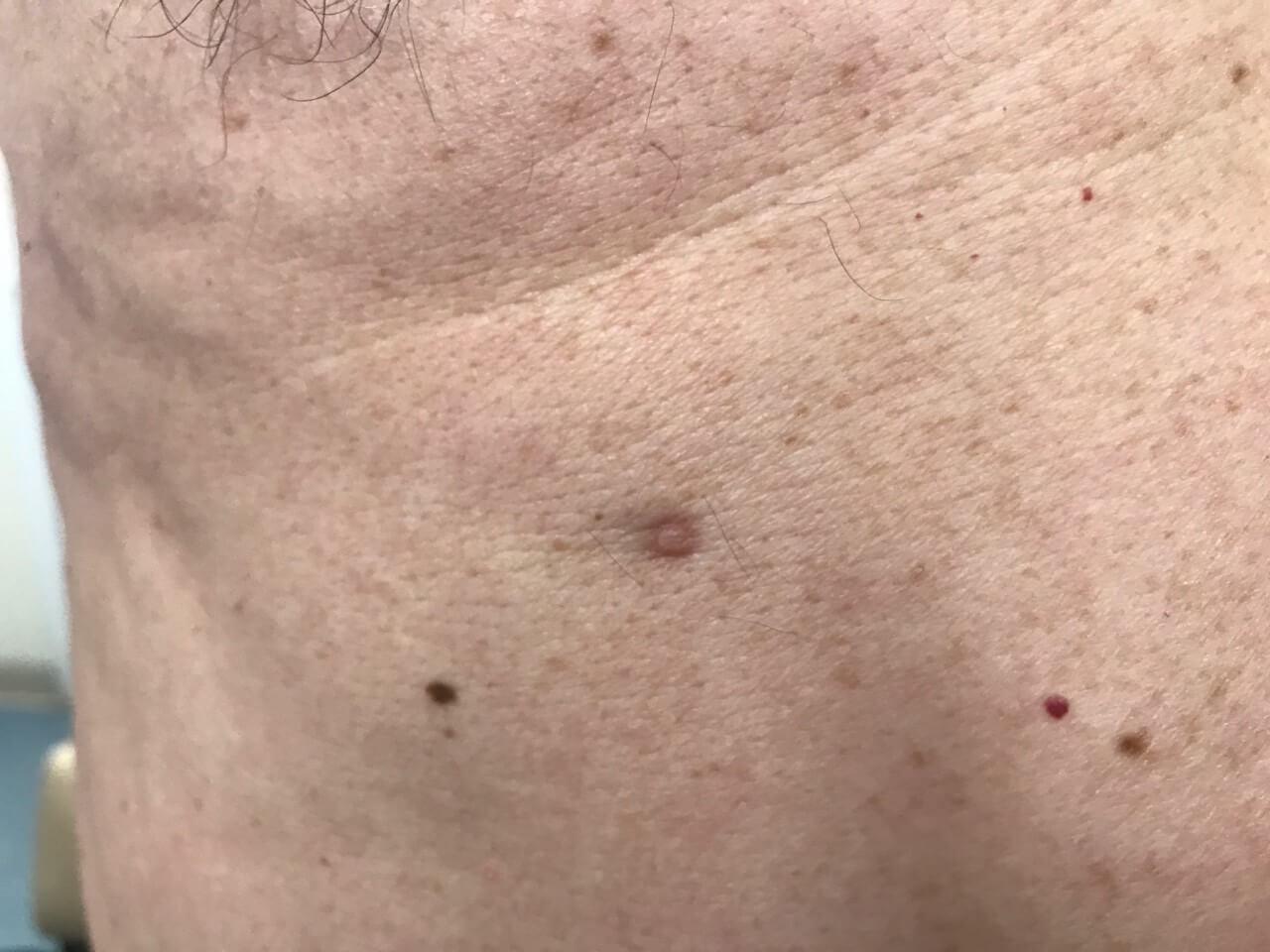
A supernumerary nipple is a common, minor malformation of mammary tissue resulting in an extra nipple/s, and/or associated tissue. Most supernumerary nipples do not cause symptoms or complications.
This chapter is set out as follows:
Please refer to notes on image rights at bottom of the page with regards to individual image ownership.
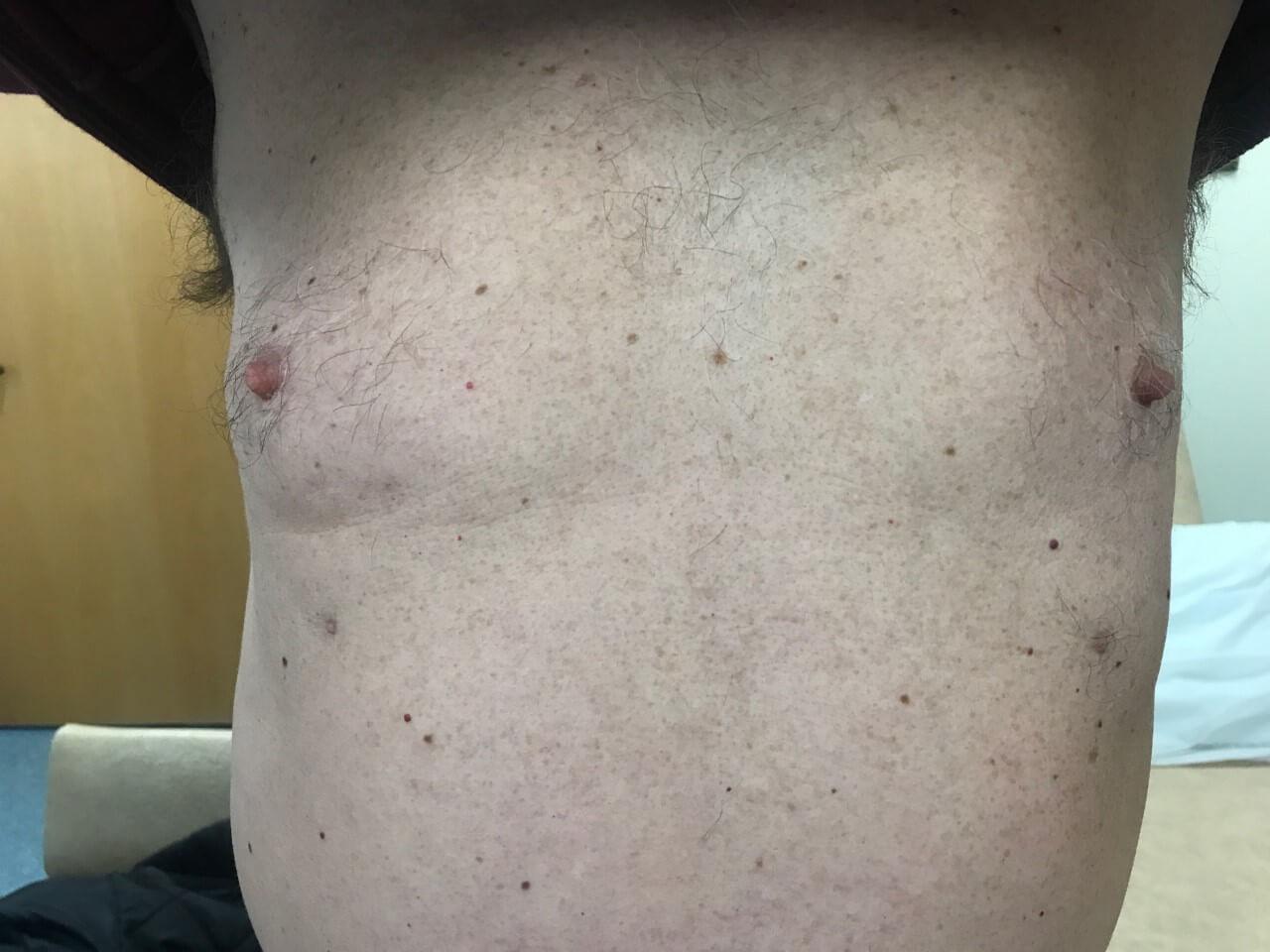
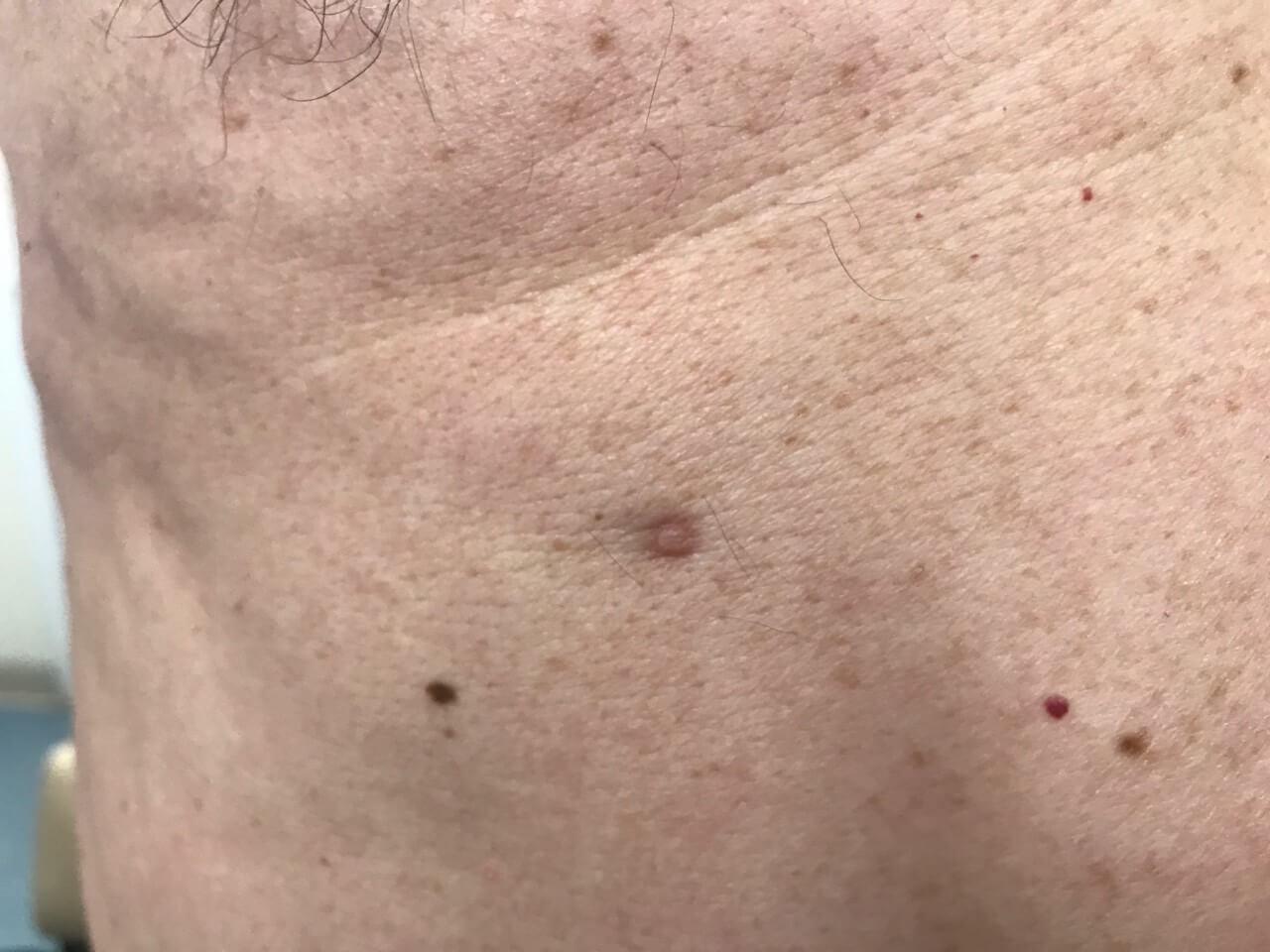
Most people do not need treatment. Removal via surgery or another technique may be considered for cosmetic purposes or if there are symptoms that cause discomfort, such as lactation or tenderness.
A thorough work-up for other malformations typically is not needed in a person with a supernumerary nipple who is otherwise healthy. However, a work-up may be recommended if a person has any of the following (refer to the Genetic and Rare Disease Information Centre for more information):
Supernumerary nipples can undergo similar disease processes to normal breast tissue, and patients with glandular tissue require physical exams and mammography at the frequency recommended for normal breast tissue.
Disclaimer - the author PCDS cannot accept responsibility for any misleading or incorrect statements, and the management of individual patients remains the direct responsibility of the individual doctor. We do however hope that visitors to this site can contact us regarding comments that are considered misleading or incorrect so that we can continue to improve the site.
Image Rights - The PCDS would like to thank Dermatoweb, DermQuest (Galderma), and others who have contributed images. All named individuals and organisations maintain copyright for the relevant images.
It is important for the PCDS to build its own image bank, as such we welcome original images from our readers, especially in skin of colour:
Please start typing below the word of any medical term that you do not understand.
The following pharmaceutical companies have had no involvement in the content of this website or in our conference programmes