Angiokeratoma

LAST UPDATED: Mar 26, 2026
Introduction

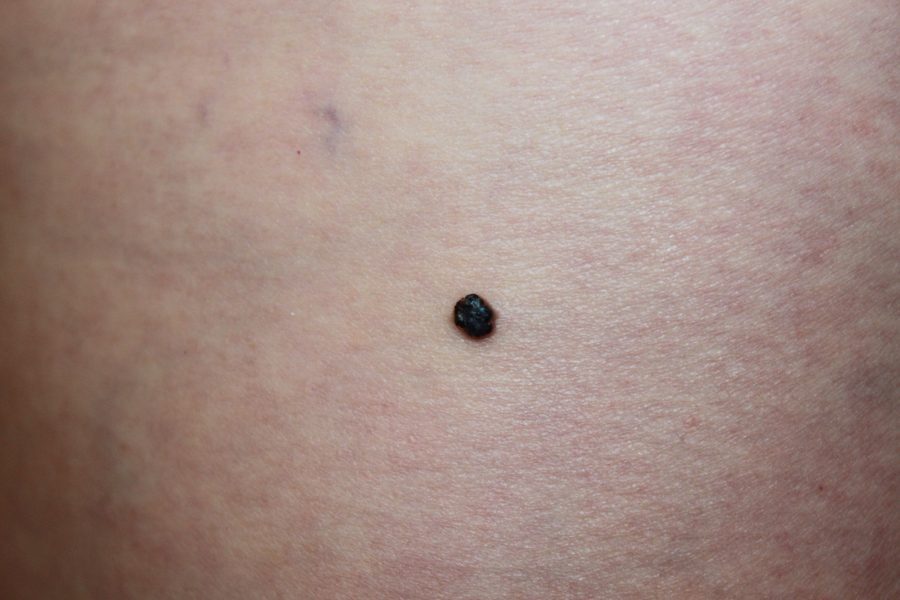
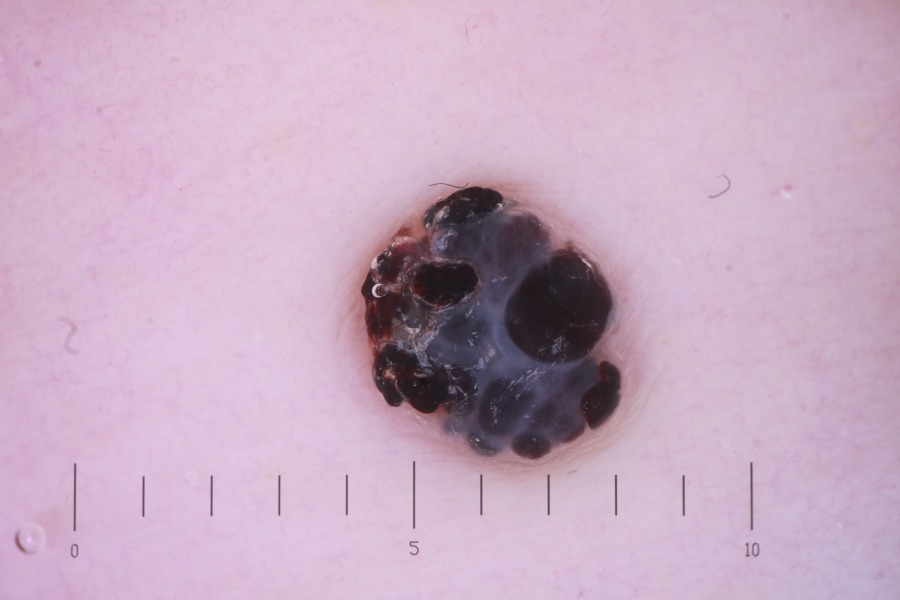
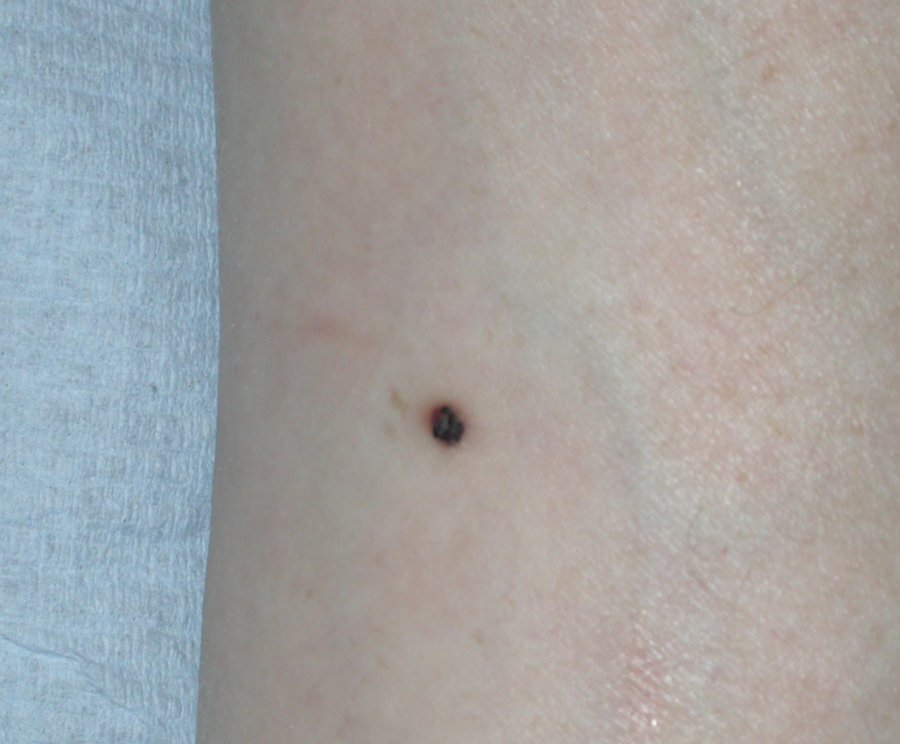
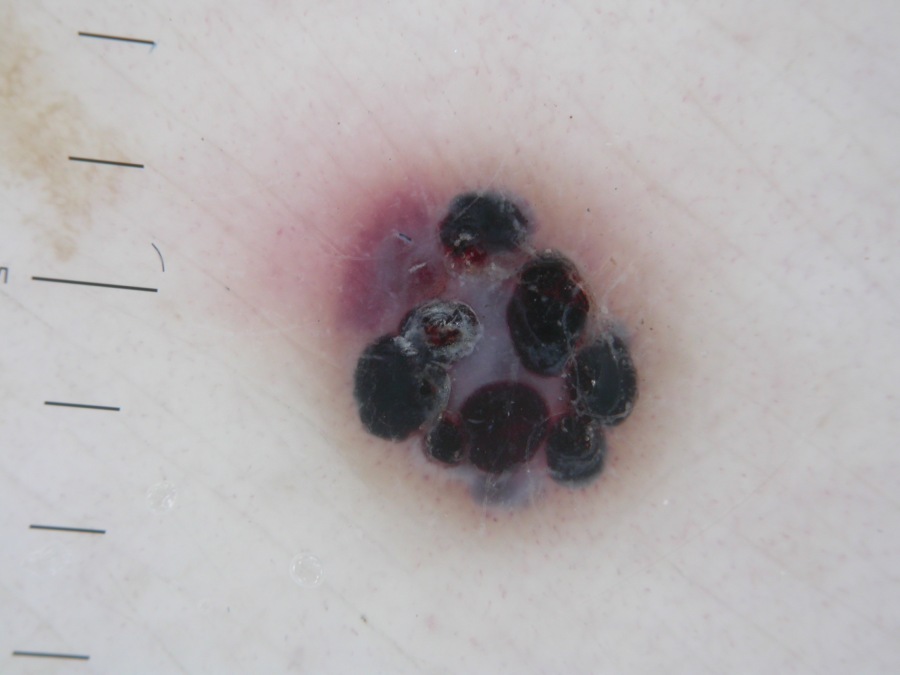
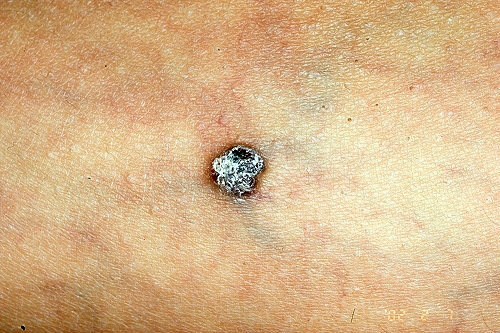
Angiokeratomas are benign (harmless) vascular proliferations, characterised histologically by a combination of dilated subepidermal vessels with epidermal acanthosis and hyperkeratosis. Angiokeratomas can present anywhere on the skin as solitary or multiple, deep red to blue-black papules or plaques. The hyperkeratosis (scaling or warty surface) is not always present or uniformly developed across all cases.

This chapter is set out as follows:


Clinical findings

At least eight different types of angiokeratoma have been described, most of which are described below. 

Sporadic angiokeratoma (hover over the underlined words for explanation of terminology) 

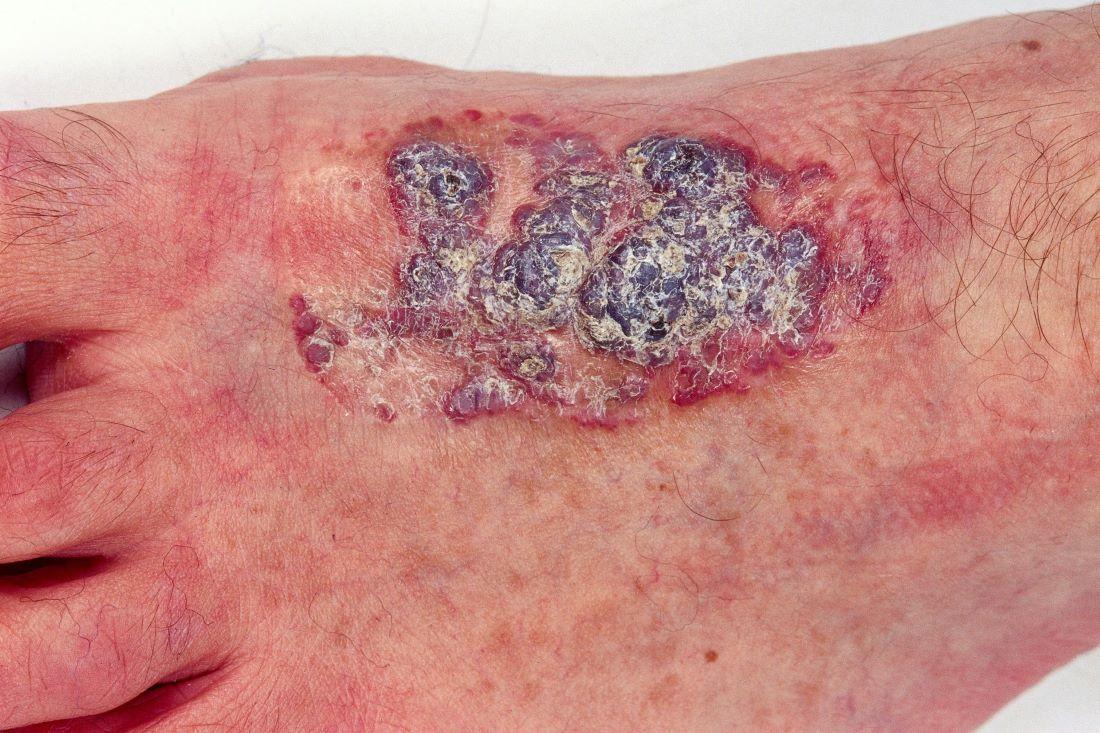
  • Common. Solitary lesions arising in adults, most commonly the legs
     
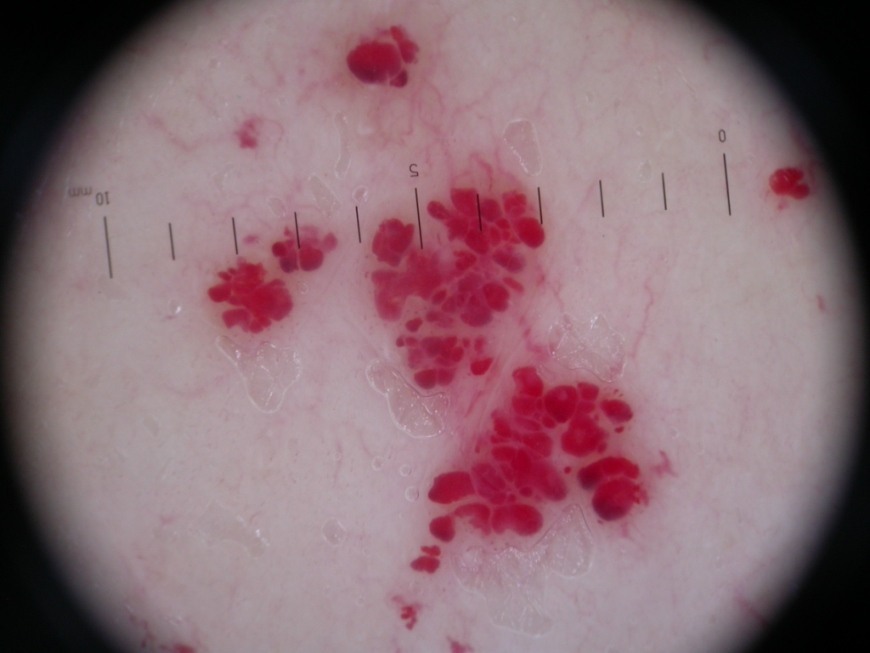
  • Dark lacunae are the most frequent dermoscopic findings. Other dermoscopic features can include a whitish veil, peripheral erythema, red lacunae, and haemorrhagic crusts
     
  • Rarely, multiple eruptive angiokeratomas arise secondary to a drug; Enoxaparin (a low molecular weight heparin) is the most commonly cited with onset typically within 1–2 weeks of initiating treatment

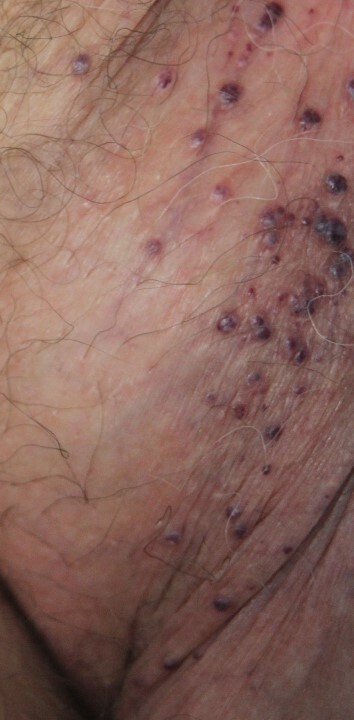
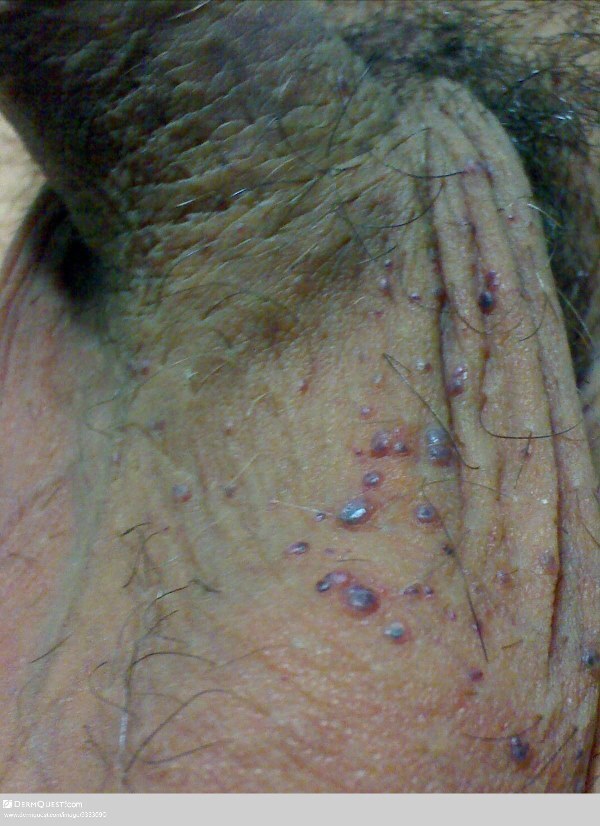
Angiokeratoma of Fordyce

  • Common. Male predominance, the incidence increases with age
     
  • The angiokeratomas affect the scrotum and vulva. Lesions often multiply and can bleed following trauma
     
  • Although rare in childhood, a subtype of penile angiokeratomas affects both children and adults; 20% have scrotal lesions

Angiokeratoma of Mibelli (AKM)

  • Rare. Mibelli was the first person to describe an angiokeratoma when in the late 19th century he characterised the lesion that now carries his name
     
  • AKM is inherited as autosomal dominant with variable penetrance. Females between the ages of 10 and 15 years are most commonly affected
     
  • AKM is often associated with ischaemia, as such angiokeratomas typically occur on the fingers, toes, and ears, and can be associated with perniosis and acrocyanosis. The elbows, knees, and breasts can be affected. Patients frequently complain of lesions bleeding easily with mild trauma

Angiokeratoma circumscriptum 

  • Rare. Predominately a congenital condition; however, there are reports of the lesion developing later in life. A female preponderance of 3:1
     
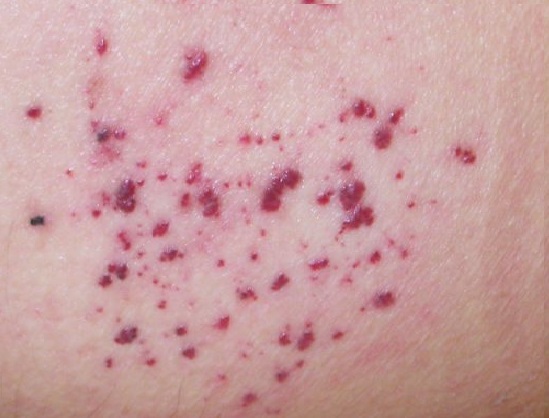
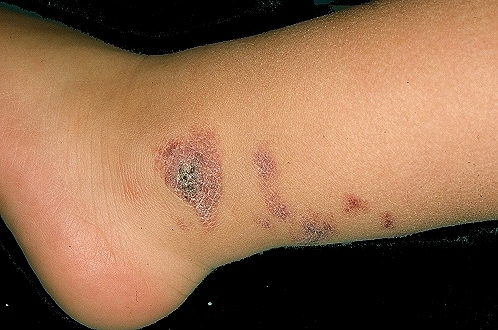
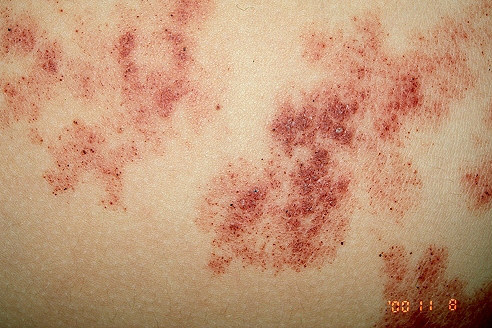
  • Typically presents with a cluster of angiokeratomas of one lower extremity, most commonly on the buttocks or thigh. Most commonly manifest as multiple erythematous macules. Over the years, the macules can develop into dark red or violaceous keratotic papules, which coalesce into plaques

Angiokeratoma coporis diffusum

  • Usually a dermatological hallmark of several rare inherited lysosomal conditions; occasionally no enzyme deficiency is detected
     
  • One of the most recognised conditions is Anderson-Fabry disease (syn. Fabry disease), a rare X-linked lysosomal storage disorder in which angiokeratomas are associated with periodic attacks of excruciating burning pain in the extremities, ophthalmological disorders, renal failure and severe cardiovascular events at a young age
     
  • The cutaneous eruptions of Anderson-Fabry disease usually appear before puberty and tend to occur in clusters; most numerous around the umbilicus, lower trunk, hips, buttocks, genitalia, and thigh
     
  • Early diagnosis and treatment with enzyme replacement therapy is essential. Unfortunately, only severe cases or cases in patients with a known family history of the disease tend to be diagnosed in childhood - some cases of Anderson-Fabry disease present without angiokeratoma corporis diffusum and with just a few angiokeratomas or no skin lesions at all

Clinical Images

Please refer to notes on image rights at bottom of the page with regards to individual image ownership.
Management

  • Angiokeratomas do not usually require biopsy unless there is diagnostic uncertainty
     
  • Lesions do not resolve spontaneously and tend to become more warty with time. Although treatment is not usually indicated; cautery, cryotherapy, and vascular lasers may be used to treat bleeding lesions, or multiple lesions for cosmetic reasons
     
  • Individuals (and families) suspected of having Anderson-Fabry disease require urgent referral 

Disclaimer - the author PCDS cannot accept responsibility for any misleading or incorrect statements, and the management of individual patients remains the direct responsibility of the individual doctor. We do however hope that visitors to this site can contact us regarding comments that are considered misleading or incorrect so that we can continue to improve the site.

Image Rights - The PCDS would like to thank Dermatoweb, DermQuest (Galderma), and others who have contributed images. All named individuals and organisations maintain copyright for the relevant images.

Quick Links

The following pharmaceutical companies have had no involvement in the content of this website or in our conference programmes


Almirall
Galderma
Glenmark
Johnson & Johnson
La Roche-Posay
LEO Pharma
Pierre Fabre
Schuco