Penile intraepithelial neoplasia (erythroplasia of Queyrat / Bowen’s disease of the penis / bowenoid papulosis)

LAST UPDATED: Sep 30, 2024

Introduction

Penile intraepithelial carcinoma (PeIN) has three morphological entities; erythroplasia of Queyrat, Bowen's disease of the penis (BDP) and bowenoid papulosis (BP); and two histopathological entities of undifferentiated and differentiated. 

This chapter is set out as follows:


Clinical findings

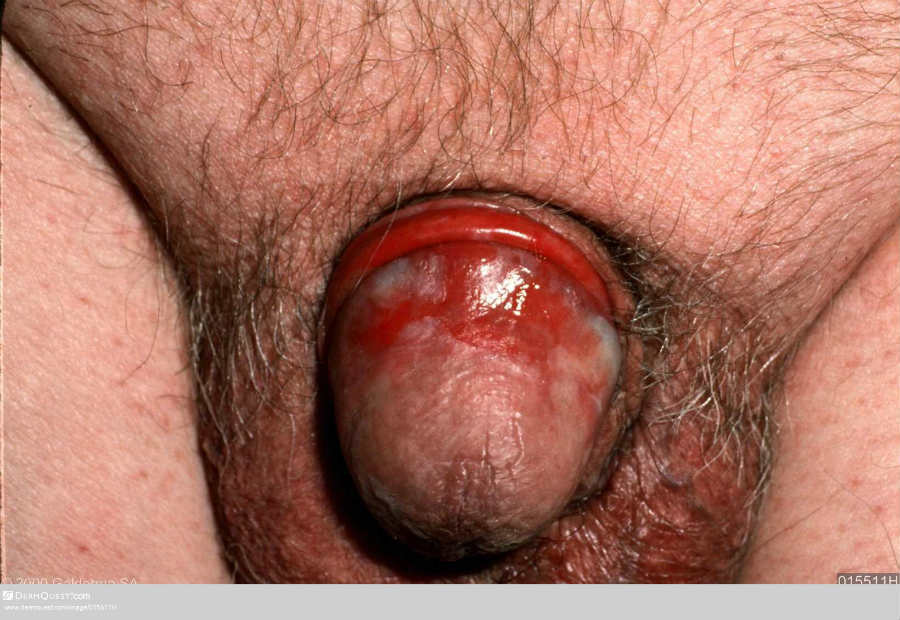
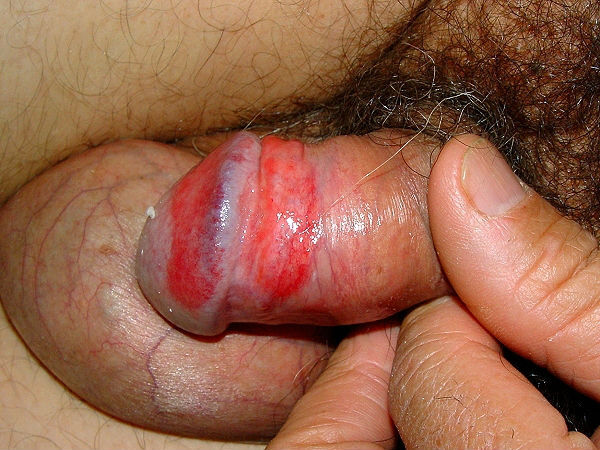
Erythroplasia of Queyrat
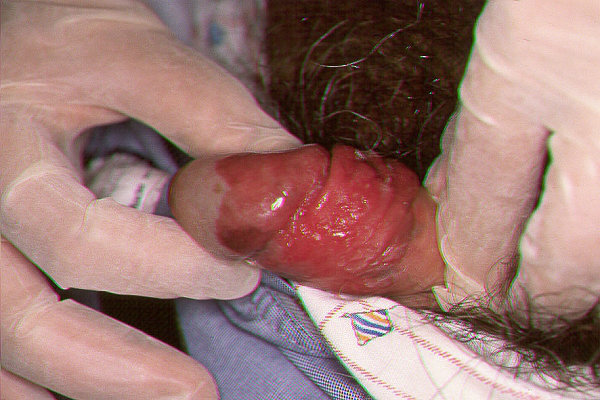
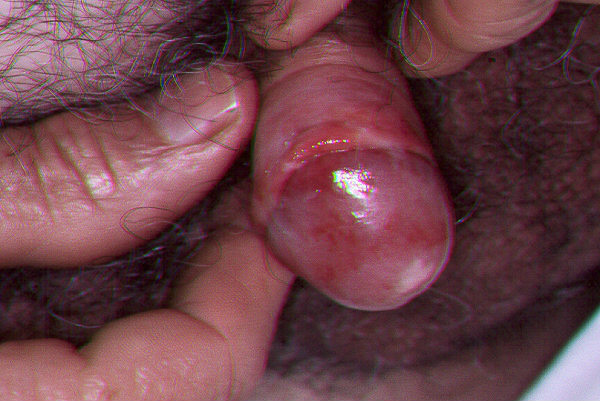
  • Single or multiple, non-tender, red, shiny patches/plaques of the ‘mucosal’ penis ie the glans and prepuce (foreskin) of the uncircumcised. Lesions tend to be more palpable than the glistening erythema of lichen sclerosus; the two can co-exist 
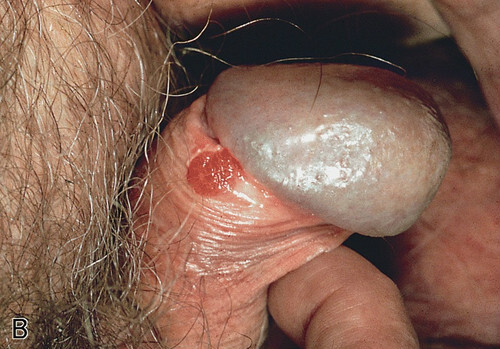
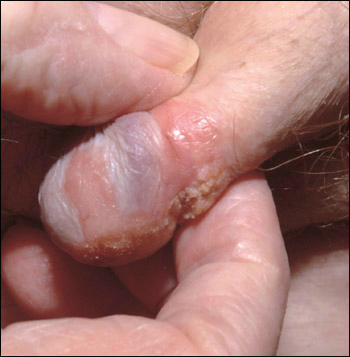
Bowen's disease of the penis (BDP)
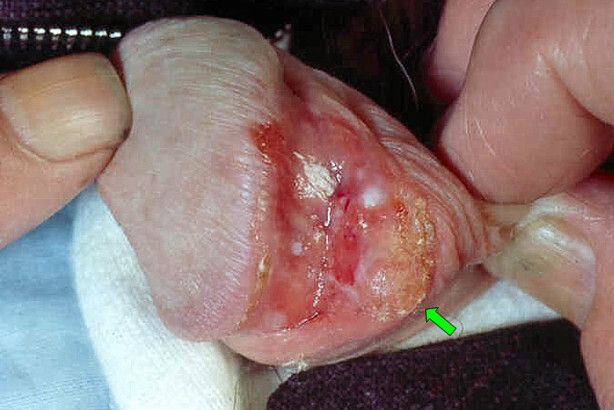
  • Red, or sometimes hyperpigmented, scaly patches or plaques of the keratinised penis. Lesions can occasionally have a warty or crusty appearance 
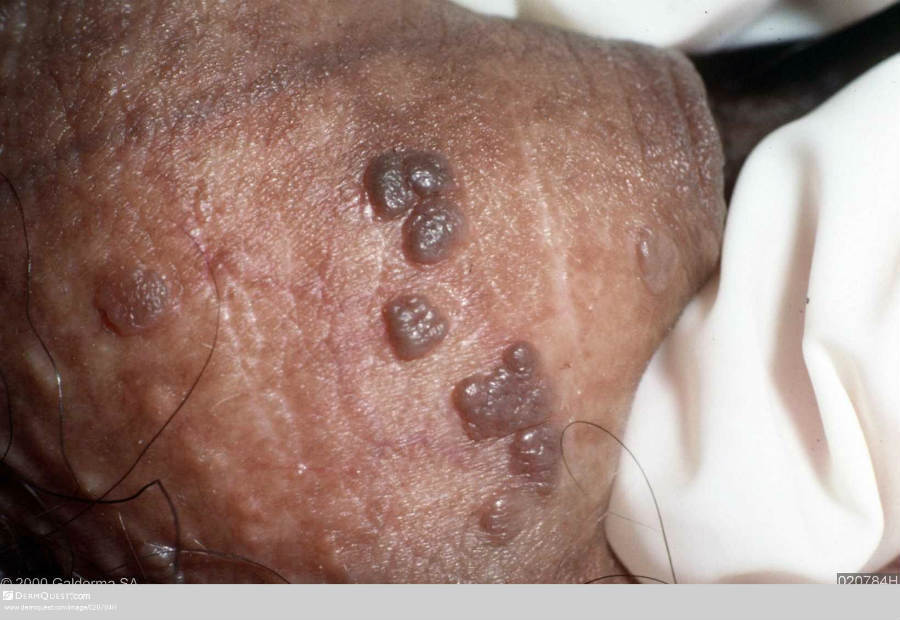
Bowenoid papulosis (BP)
  • Is associated with HPV (Human Papilloma Virus)
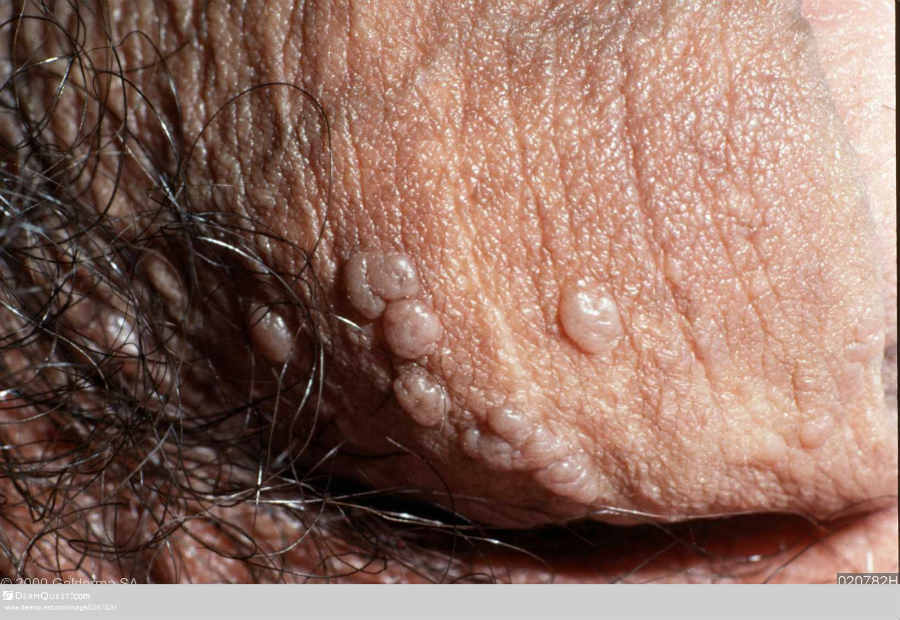
  • Multiple warty lesions, which are often pigmented in keratinised sites, and more numerous and more inflamed at mucosal sites
  • Tends to occur in younger sexually active men, as opposed to the lesions of erythroplasia of Queyrat and Bowen's disease that are usually seen in older men
  • Lesions tend to be less papillomatous, flatter-topped, more polymorphic, and more coalescent than common genital viral warts (condylomata acuminata)
Squamous cell carcinoma
  • There is often a long history of preceding pathology such as PeIN, lichen sclerosus, or ulcerative lichen planus (uncommon in men)
  • Irregular nodular and ulcerative morphology is found on examination. There can be discharge and/or bleeding
  • Unless treated promptly, the condition becomes mutilating and can metastasize

Clinical Images

Please refer to notes on image rights at bottom of the page with regards to individual image ownership.
Investigations

  • Both erythroplasia of Queyrat and Bowen's disease require urgent biopsy to exclude invasive squamous cell carcinoma
  • A biopsy is also needed to see if the changes are undifferentiated (HPV-related), or differentiated (lichen sclerosus-related)

Management

Erythroplasia of Queyrat and Bowen's disease of the penis

  • The risk of progression to invasive squamous cell carcinoma is cited at 10–33% with the risk being greatest for erythroplasia of Queyrat 
  • First-line treatment is circumcision. Any remaining areas can be treated as per Bowen's disease at other sites
  • In undifferentiated cases, the HPV vaccine is important aspect of management
  • If invasive carcinoma is suspected then an urgent referral (two-week wait) is required

Bowenoid papulosis

  • In the absence of other risk factors, especially immunosuppression, the risk of progression to invasive squamous carcinoma is believed to be very low 
  • Management is generally the same as for viral warts with topical therapies, cryosurgery, or curettage & cautery

Disclaimer - the author PCDS cannot accept responsibility for any misleading or incorrect statements, and the management of individual patients remains the direct responsibility of the individual doctor. We do however hope that visitors to this site can contact us regarding comments that are considered misleading or incorrect so that we can continue to improve the site.

Image Rights - The PCDS would like to thank Dermatoweb, DermQuest (Galderma), and others who have contributed images. All named individuals and organisations maintain copyright for the relevant images.

Quick Links

The following pharmaceutical companies have had no involvement in the content of this website or in our conference programmes


Almirall
Galderma
Glenmark
Johnson & Johnson
La Roche-Posay
LEO Pharma
Pierre Fabre
Schuco