Melasma (syn. chloasma)
LAST UPDATED: Jul 14, 2026
Introduction
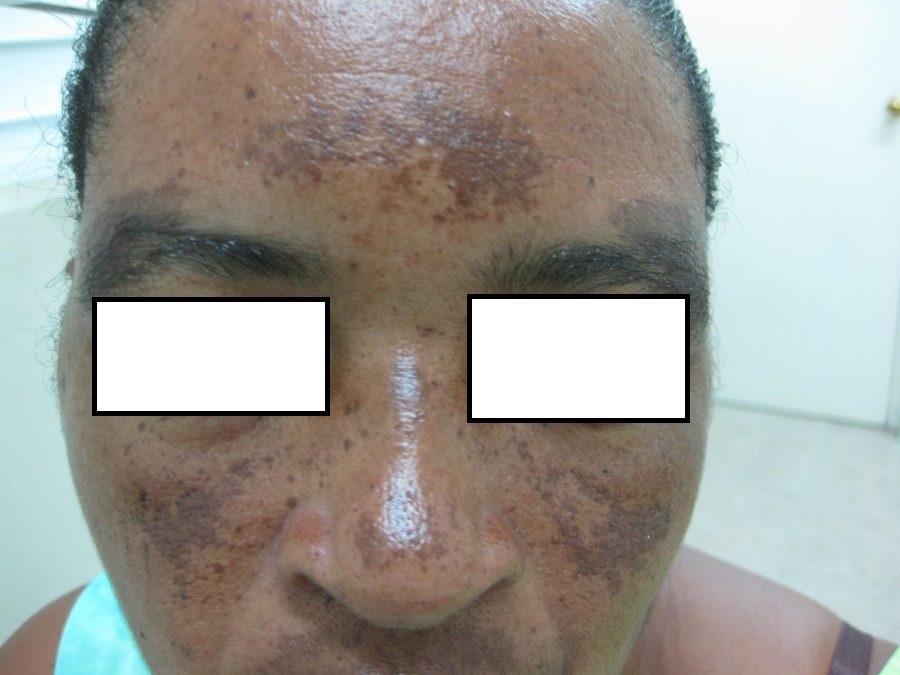
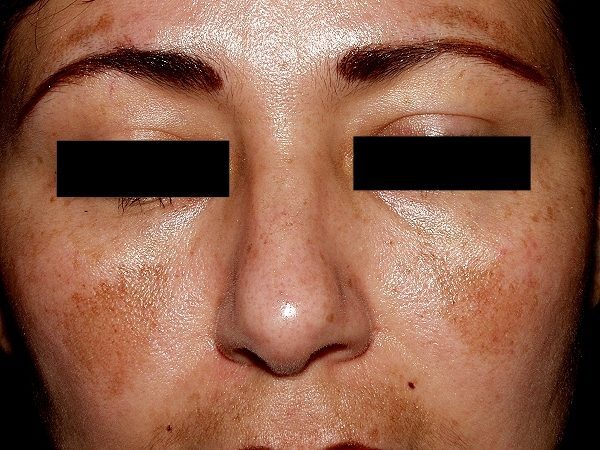
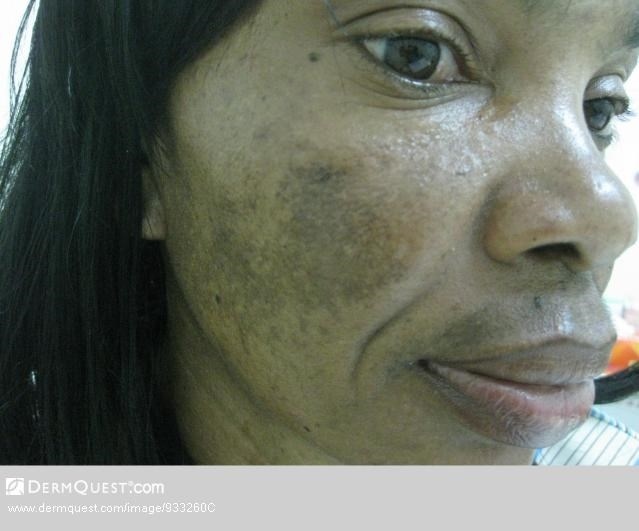
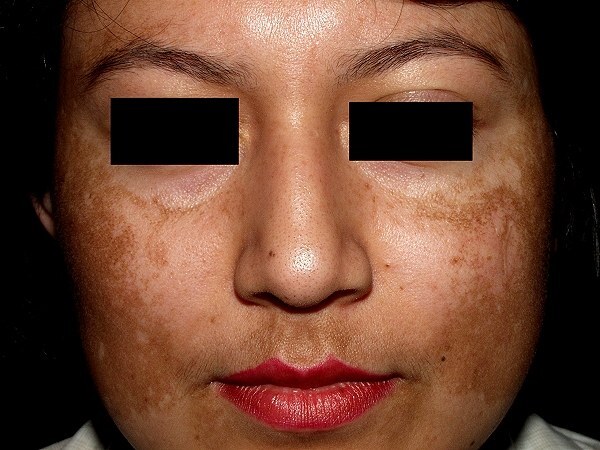
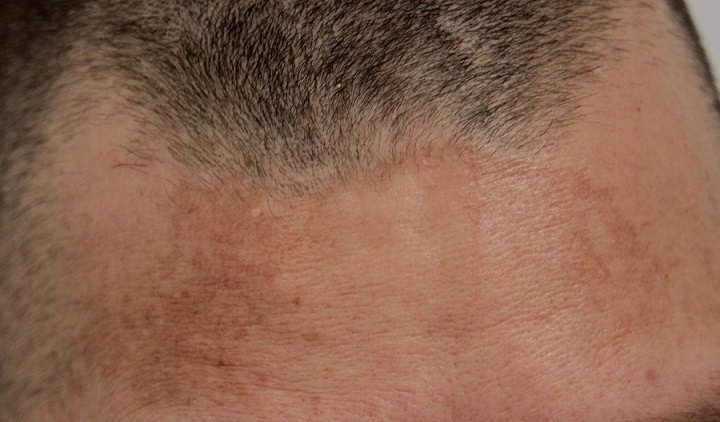
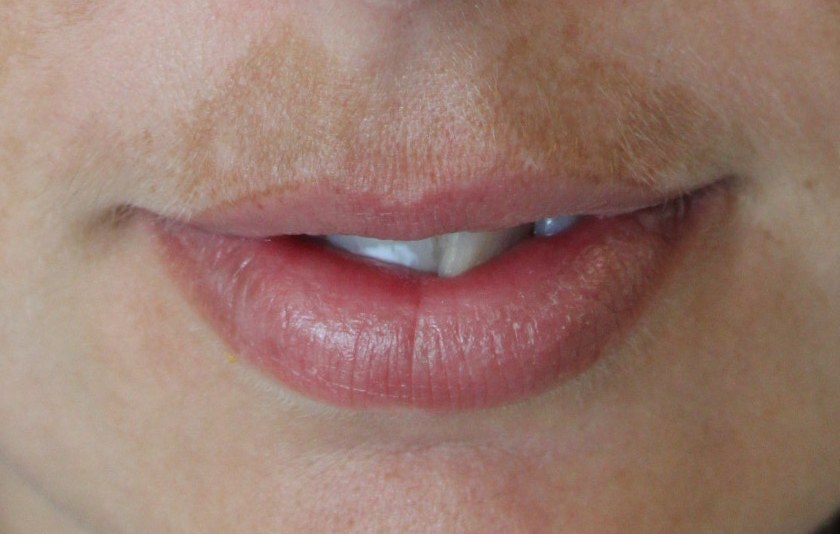
Melasma is the most common cause of facial hyperpigmentation and is characterised by symmetrical, blotchy, brownish pigmentation that becomes more pronounced after sun exposure.
This chapter is set out as follows:
Aetiology
-
The pigmentation is caused by the overproduction of melanin, which is taken up by the keratinocytes (epidermal melanosis) and/or deposited in the dermis (dermal melanosis)
-
The exact cause is unknown
-
There is a genetic predisposition with at least one-third of patients reporting other family members to be affected
- The most important exacerbating factor is UV radiation
- Hormonal imbalances, such as those found in pregnancy, or in those taking exogenous hormones can stimulate melanogenesis
History
-
Melasma predominantly affects skin types III and IV, particularly Latin Americans and those from the Middle East or Asia
-
90% of cases are female
-
It most commonly arises in the 3rd and 4th decades
Clinical findings
Distribution
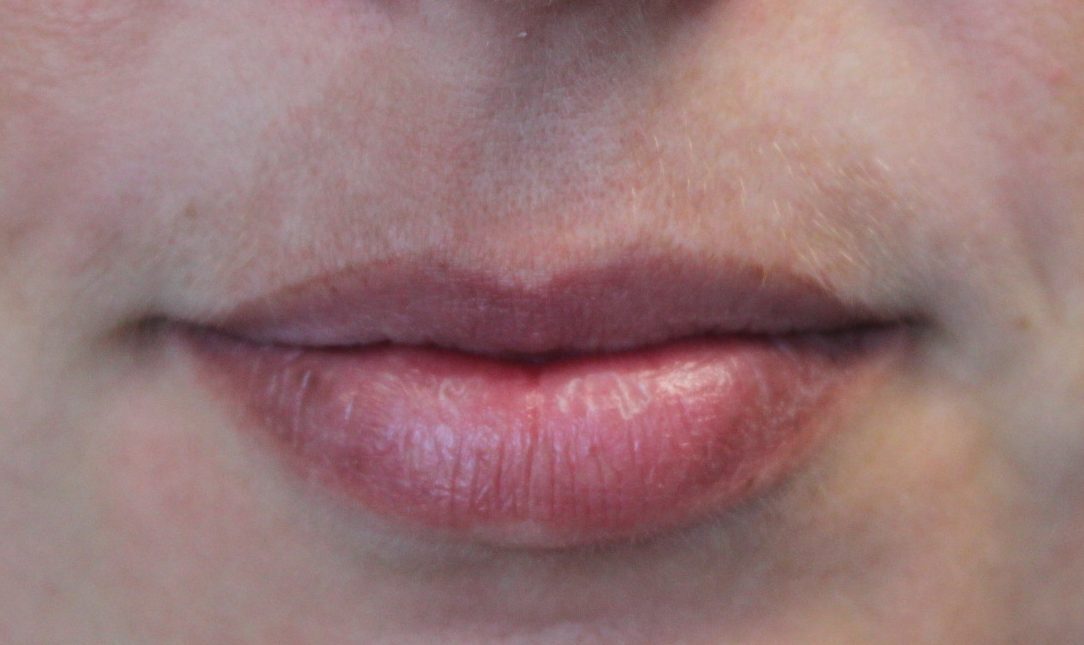
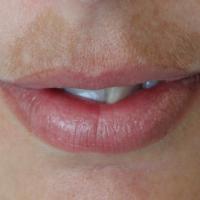
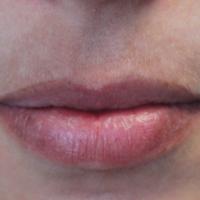
- Bilateral and frequently symmetrical involvement, most commonly centrofacial (forehead, cheeks, nose, upper lips), but can affect the lateral cheek or jawline. The forearms can also be affected
Morphology
- Wood's lamp examination can be helpful to identify the depth of the melanin pigmentation and determine the type of melasma (epidermal, dermal or mixed). Epidermal melasma normally appears brown (usually light brown in skin types 1&2) and shows enhanced colour contrast with Wood's lamp examination. Dermal melasma often appears slightly grey or bluish on gross examination and shows less colour contrast with Wood's lamp. Categorisation of the type of melasma is useful because it may help guide treatment options and patient expectations since dermal melasma is generally less responsive to therapy, especially to topical modalities
Other causes of facial hyperpigmentation
Clinical Images
Please refer to notes on image rights at bottom of the page with regards to individual image
ownership.
Management
General advice
- Although epidermal melasma is more likely to respond to topical therapies than dermal melasma, explain that all types of melasma can be difficult to treat, and recurrence in subsequent years is common
- Avoid/reduce the use of scented or deodorant soaps, toiletries and cosmetics as these may cause a phototoxic reaction that exacerbates matters
- Provide a patient information leaflet
Year-round UV protection
- Is the most important aspect of treatment
- Use shade and a broad-brimmed hat
- Make patients aware that light coming through glass and from electronic devices will also worsen melasma
- Sunscreen
- Use a mineral sunscreen, which protect against UVA, UVB, and visible light
- Sunscreen built into cosmetics will not suffice
- Use an SPF of 30 or more and with a 4/5 star UVA rating
- In terms of volume use a teaspoon amount to the head and neck several times a day
- Vitamin D supplements may be required
Exogenous hormones
- Changing to an alternative should only be considered if symptoms started / became significantly worse after an exogenous hormone (eg a contraceptive) was commenced. Any improvements are likely to take a considerable amount of time
Treatment in Primary Care
- Azelaic acid 20% cream used twice a day will help some patients, although often irritates the skin. To reduce irritation an emollient should be used regularly, and the azelaic acid commenced once a day for 3-4 days for the first week, and gradually increased up to twice every day (e.g. morning and evening) by week 4. If tolerated, the treatment can be continued for up to 12 weeks. If patients are not tolerating treatment at week 4 it should be discontinued as the irritation will not settle, and in skin of colour the irritation may worsen the pigmentation
- Topical 0.1% tretinoin cream also benefits some patients, but a long treatment duration (>24 weeks) is needed
- Eucerin Anti-Pigment Day Cream ® (non-NHS) may help some patients
- Oral tranexamic acid 250mg BD for 12 weeks has shown in trials to be beneficial in some patients; occasionally it can take up to six months for clinical improvement. The risk of thrombosis for most people is very low, however, tranexamic acid should be avoided where there is an increased risk of thrombosis (eg history of DVT, PE, recurrent miscarriage). Topical tranexamic acid has also been used with some success but can be hard to obtain. If symptoms improve with oral or topical treatment, but then recur, which is often the case, then consider retreating each year from early Spring
Specialist treatments: usually private (check local guidelines)
- One of the most widely used treatments is a combination of once-daily fluocinolone acetonide 0.01%, hydroquinone 4%, and tretinoin 0.05%, of which one brand is Pigmanorm ® cream. Pigmanorm ® cream is applied thinly once a day for an average of six-eight weeks, although if no improvement is noted after three months the treatment should be discontinued. Common adverse effects include erythema and scaling. The use of Pigmanorm ® cream has been found to result in improvement in up to 60-80% of those treated, and about 30% will achieve complete clearance
- Stronger chemical peels containing glycolic acid or trichloroacetic acid can be applied by those skilled in treating melasma (usually a dermatologist), however, they can provoke considerable inflammation
- Some patients may benefit from a Fraxel ® laser, although evidence for this is limited and patients will require a test area to be treated due to the risk of laser causing hyperpigmentation
- All patients enquiring about the treatments listed above must be informed of the following:
- Treatment is not always successful
- The stronger chemical peels, and in some cases Pigmanorm ®, can result in post-inflammatory hyperpigmentation (or occasionally hypopigmentation), which may be more obvious than the melasma
- Even in those that get a good result from treatment, pigmentation will often reappear on further exposure to sun over the coming years
Offer referral to a camouflage department
- Camouflage teams tend to be based in hospital outpatient departments, if this is not so contact your local dermatology department or Changing Faces
- Alternatively, patients may wish to use their own fake tan products
Additional images
1
2
Disclaimer - the author PCDS cannot accept responsibility for any misleading or incorrect statements, and the management of individual patients remains the direct responsibility of the individual doctor. We do however hope that visitors to this site can contact us regarding comments that are considered misleading or incorrect so that we can continue to improve the site.
Image Rights - The PCDS would like to thank Dermatoweb, DermQuest (Galderma), and others who have contributed images. All named individuals and organisations maintain copyright for the relevant images.