Pityriasis versicolor

LAST UPDATED: Jun 01, 2023

Patient Information Leaflet
Link: Pityriasis versicolor

https://www.pcds.org.uk/patient-info-leaflets/pityriasis-versicolor
Introduction

Pityriasis versicolor is a common infection of the skin caused by the yeast Pityrosporum ovale.

This chapter is set out as follows:


History

  • Age - rare in childhood, becomes commoner in the late teens with a peak in the early 20s. Uncommon in older patients
  • The rash often has an insidious onset and it may take months, or a sunny holiday, before it becomes noticed by the patient
  • It is asymptomatic or slightly itchy

Clinical findings

Distribution

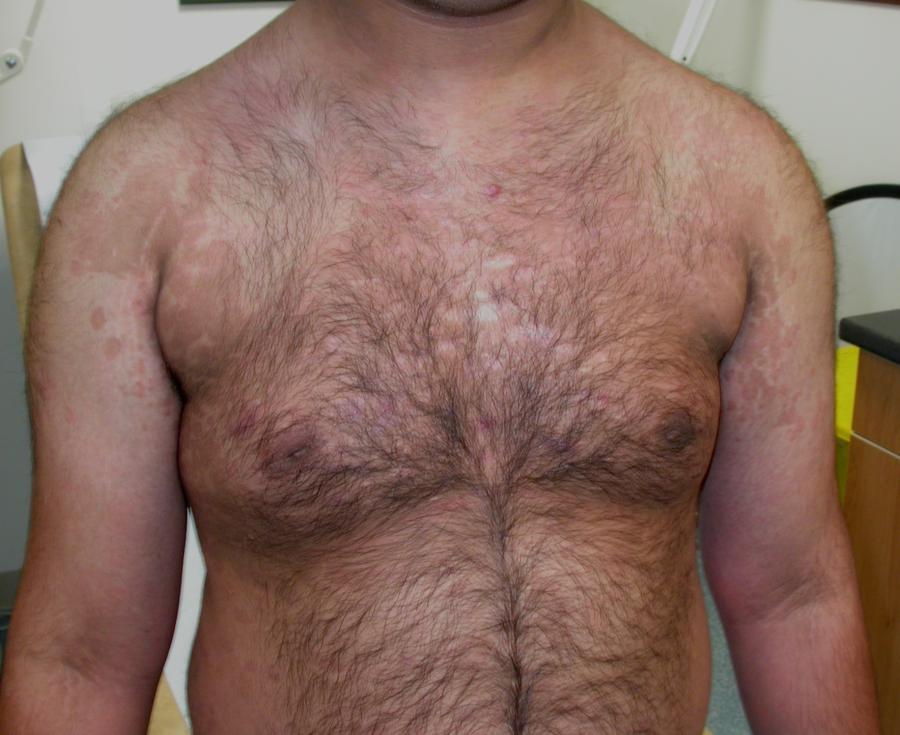
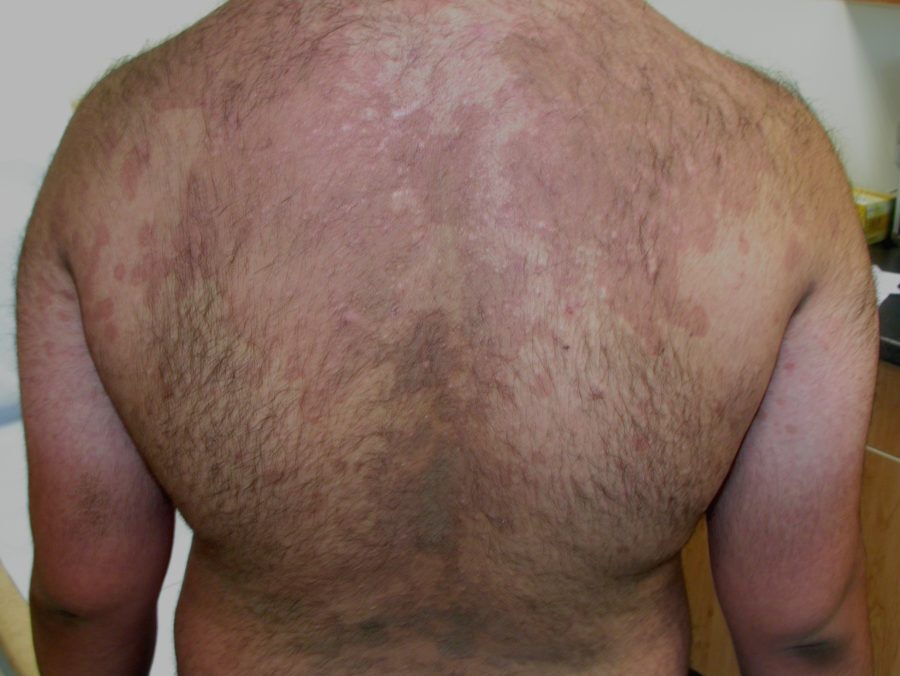
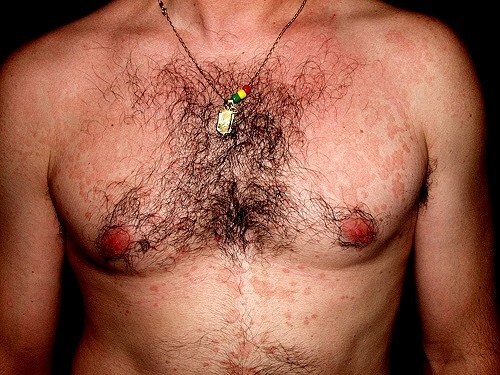
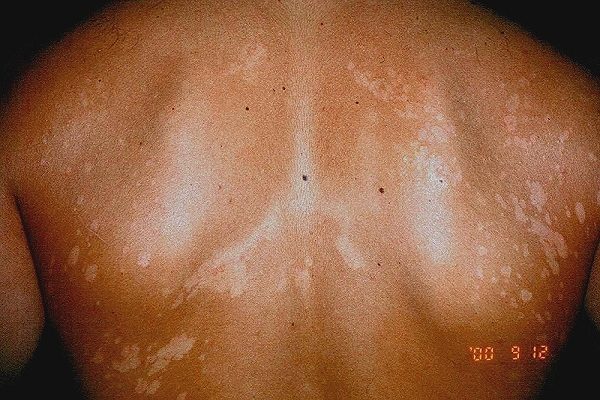
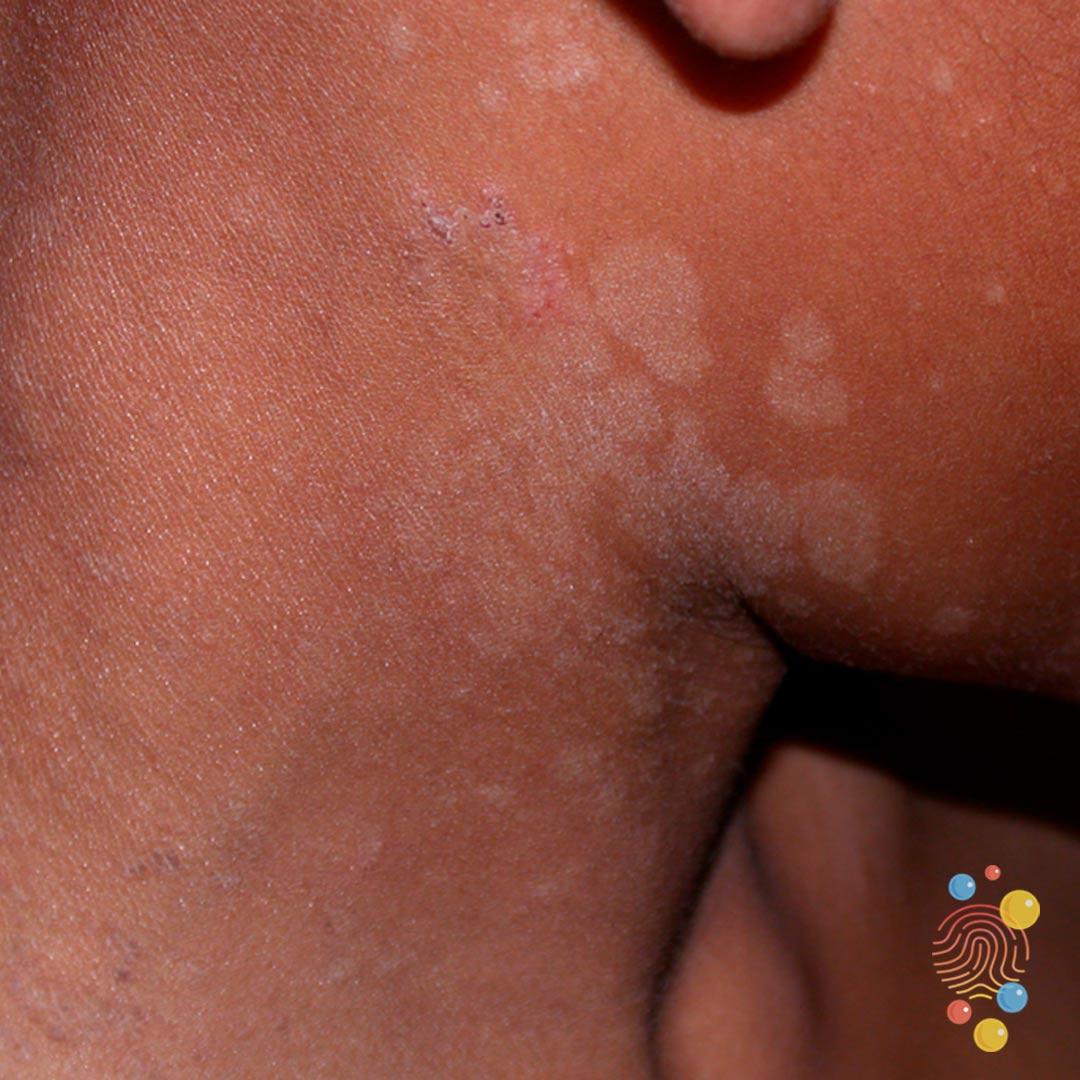
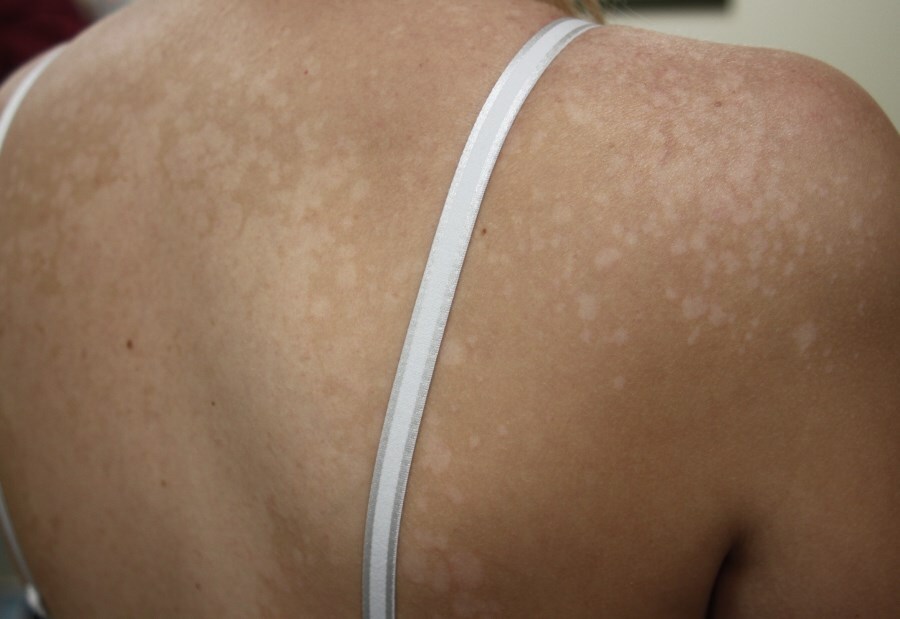
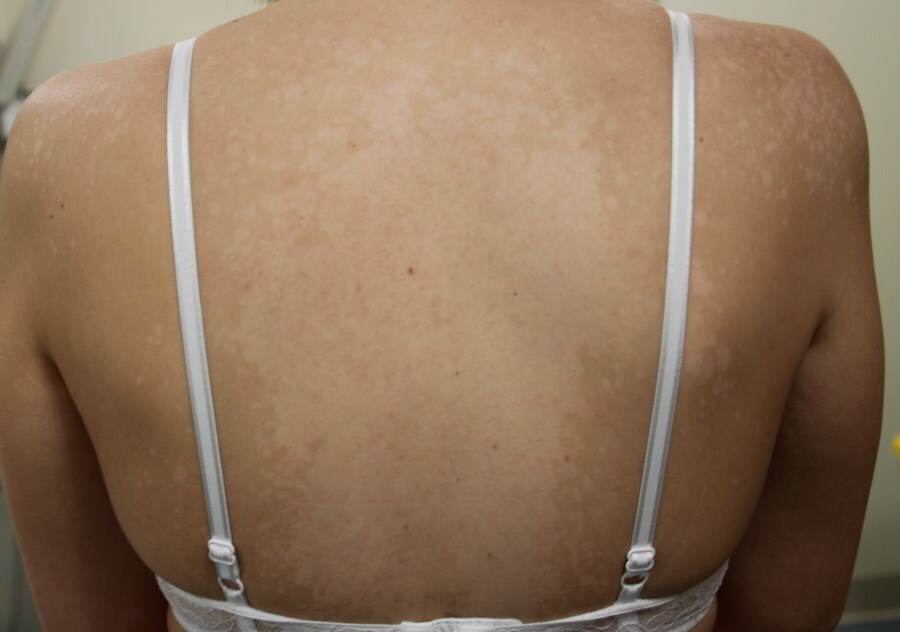
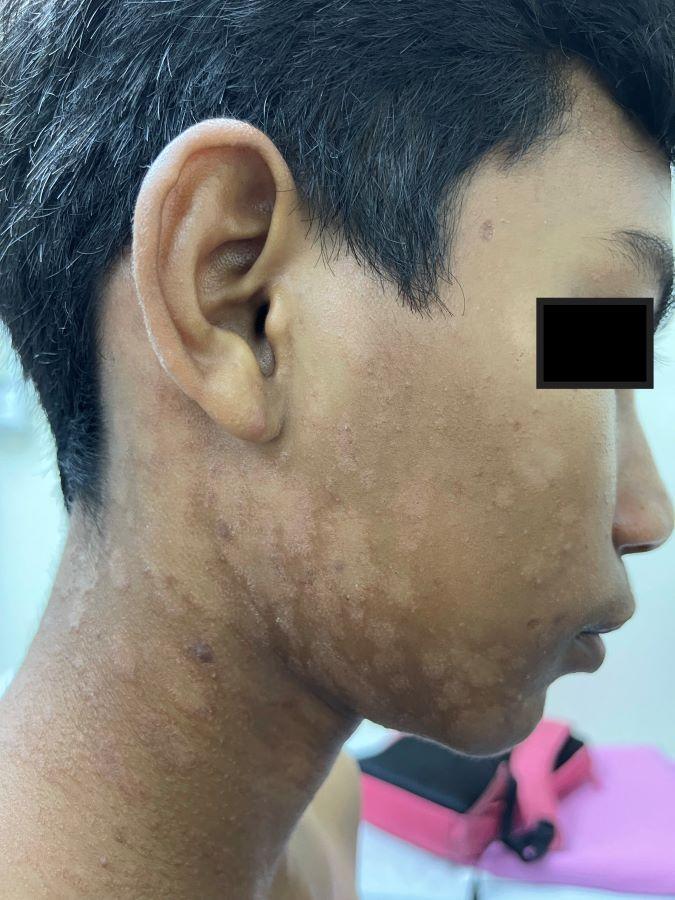
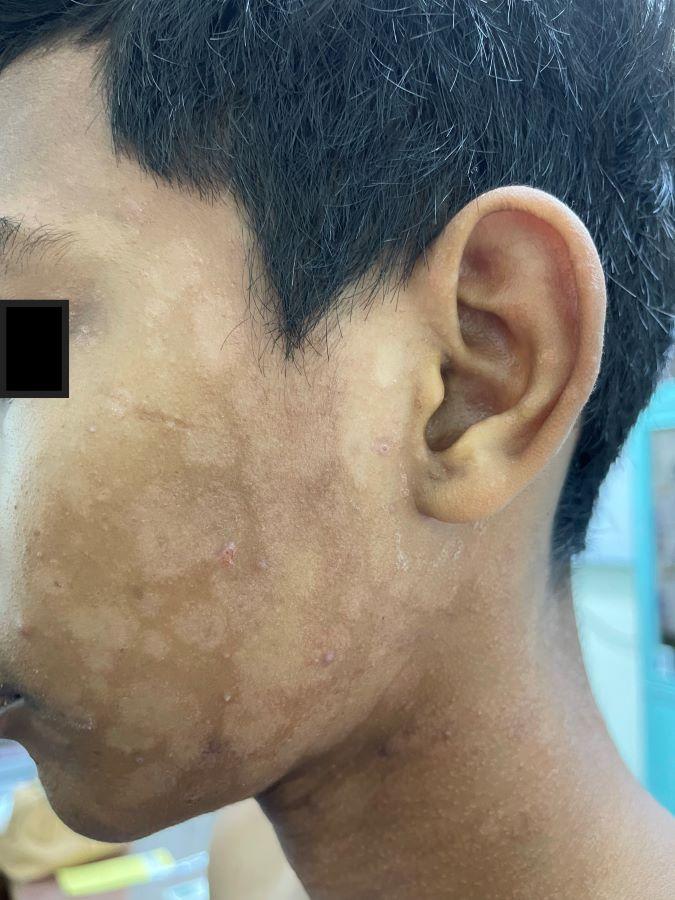
  • The site most commonly affected is the upper trunk, but there is often spread to the upper arms, neck and abdomen. Lesions in the axillae and groins and on the thighs and genitalia occur, and extension down the forearms on to the backs of the hands and into the popliteal fossae is by no means rare

Morphology 

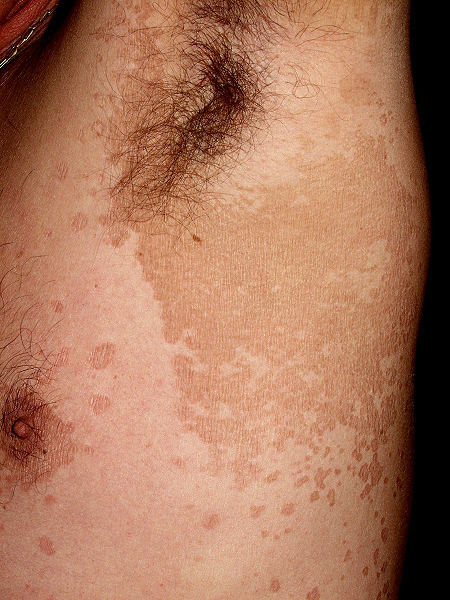
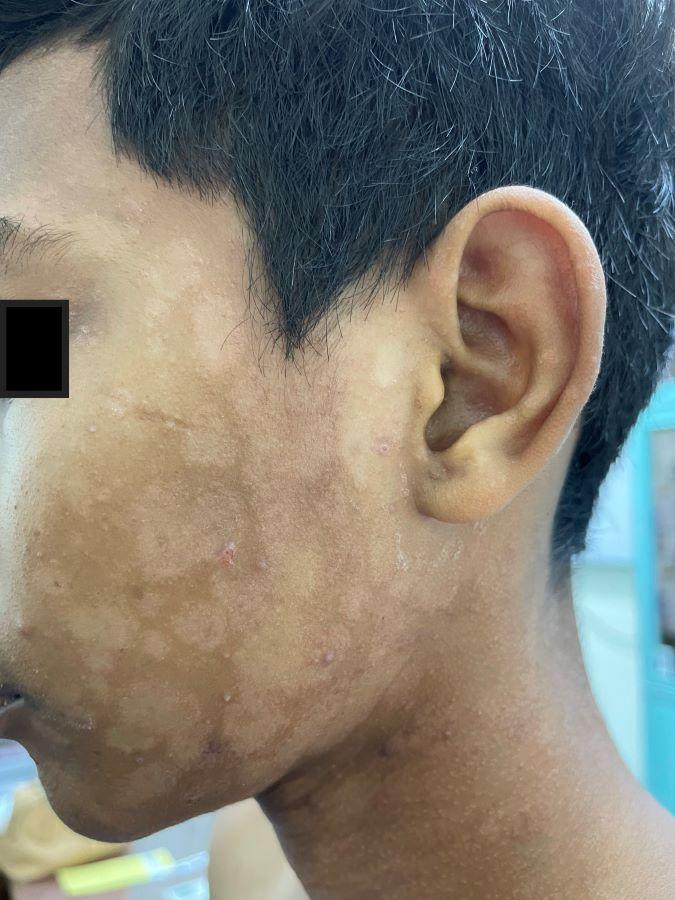
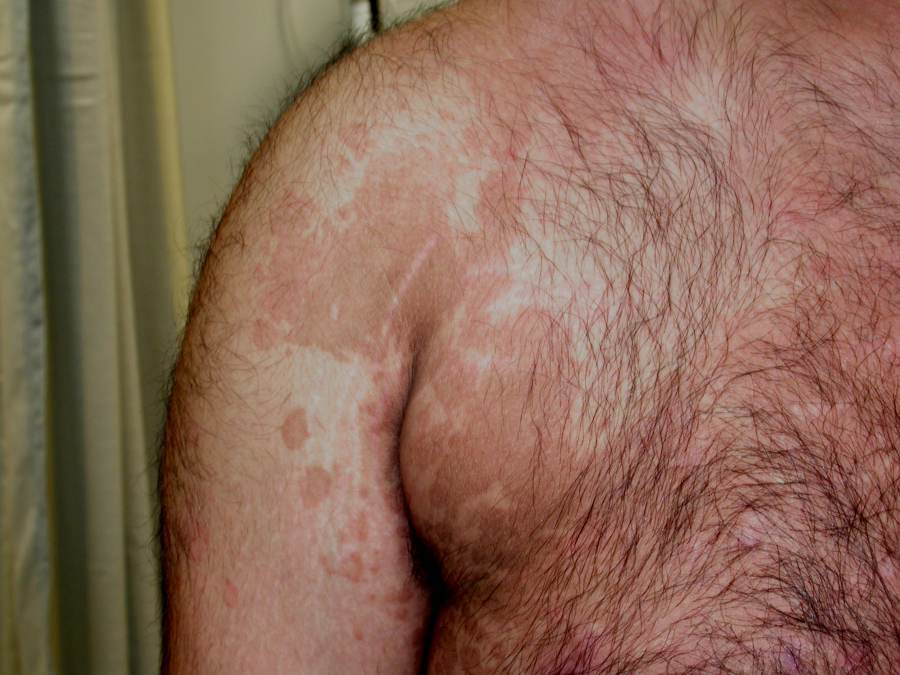
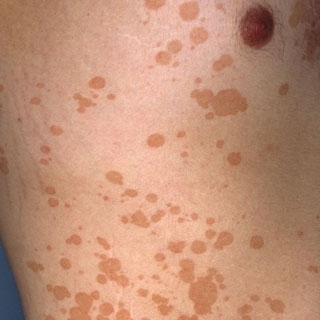
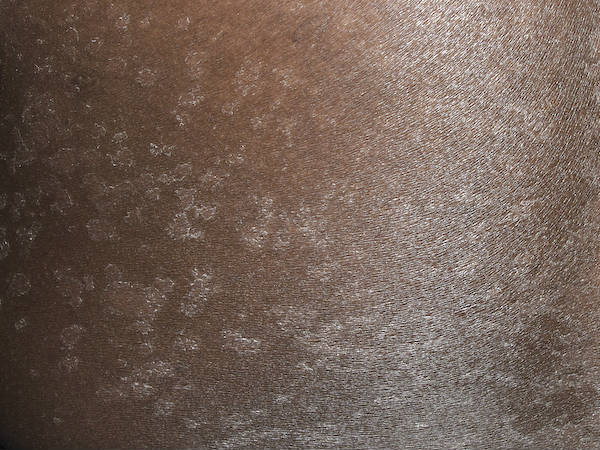
  • Typically, the eruption shows large confluent areas, scattered oval patches and outlying macules
  • Lesions can be fawn-coloured, paler than surrounding skin, or pink. Pale patches may be more common in darker skin 
  • Fine scale should be present. Where scaling is minimal, it may be emphasised by firm scraping or stretching of the skin
  • Wood's light - yellow / green fluorescence
  • One differential is Progressive macular hypomelanosis, which can appear similar although lacks scale and on Wood's light examination the hair follicles fluoresce with a red glow

Clinical Images

Please refer to notes on image rights at bottom of the page with regards to individual image ownership.
Management

Step 1: general

  • Refer to the top right of the page for a patient information leaflet available through a QR code or printable PDF

Step 2: medical treatment

  • Ketoconazole shampoo (Nizoral ®) - make in to a lather and leave on affected areas of skin for ten minutes before washing off. This should be done daily for five days
  • In widespread or resistant cases add in itraconazole (Sporanox ®) 200 mg daily for seven days 
  • Inform the patient that once the yeast has been eradicated the scale will disappear, however, warn patients that it will take several months for the skin colour to returns to its original state. On occasions the discoloration can be very persistent

Step 3: recurrent infections

  • In some patients pityriasis versicolor can be a recurrent problem and arises again when conditions are right for the Malassezia to proliferate. When this happens the rash will start again, or become more widespread and scaly if the skin had not had the time to revert back to its original state in the first instance
  • The same treatment can be given as in step 2, but once completed the patient should continue using the ketoconazole shampoo once every two to four weeks for approximately six months in order to try and prevent recurrence

Disclaimer - the author PCDS cannot accept responsibility for any misleading or incorrect statements, and the management of individual patients remains the direct responsibility of the individual doctor. We do however hope that visitors to this site can contact us regarding comments that are considered misleading or incorrect so that we can continue to improve the site.

Image Rights - The PCDS would like to thank Dermatoweb, DermQuest (Galderma), and others who have contributed images. All named individuals and organisations maintain copyright for the relevant images.

Quick Links

The following pharmaceutical companies have had no involvement in the content of this website or in our conference programmes


Almirall
Galderma
Glenmark
Johnson & Johnson
La Roche-Posay
LEO Pharma
Pierre Fabre
Schuco