
LAST UPDATED: Jan 31, 2025

https://www.pcds.org.uk/patient-info-leaflets/basal-cell-carcinoma
A basal cell carcinoma (BCC), sometimes referred to as a rodent ulcer, is the most common form of skin cancer. The most important facts to know about BCCs are that:
BCCs grow slowly (on average 2-4 mm a year) and are generally not painful or tender.
There are different types of BCCs, which can vary greatly in their appearance.


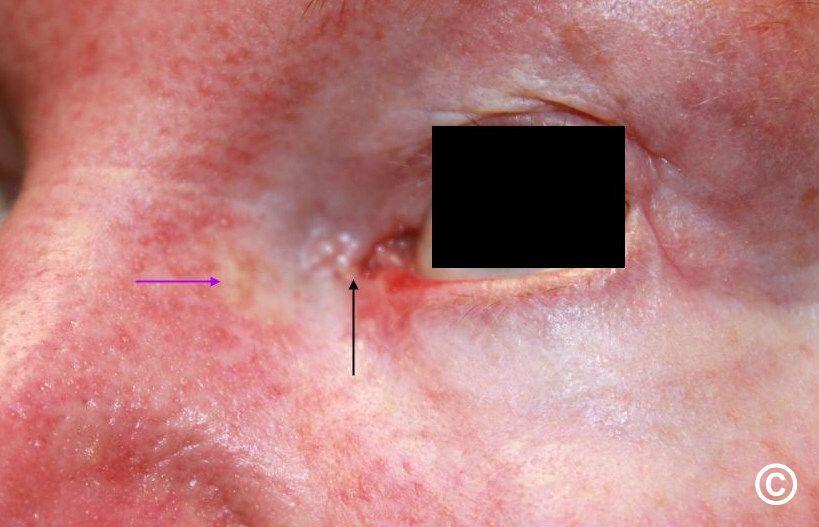
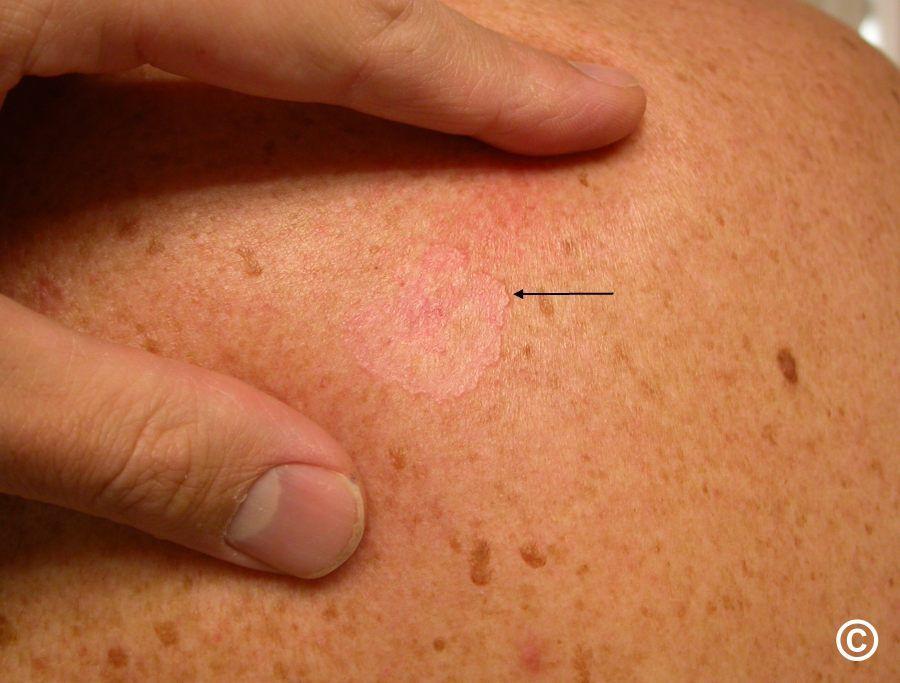
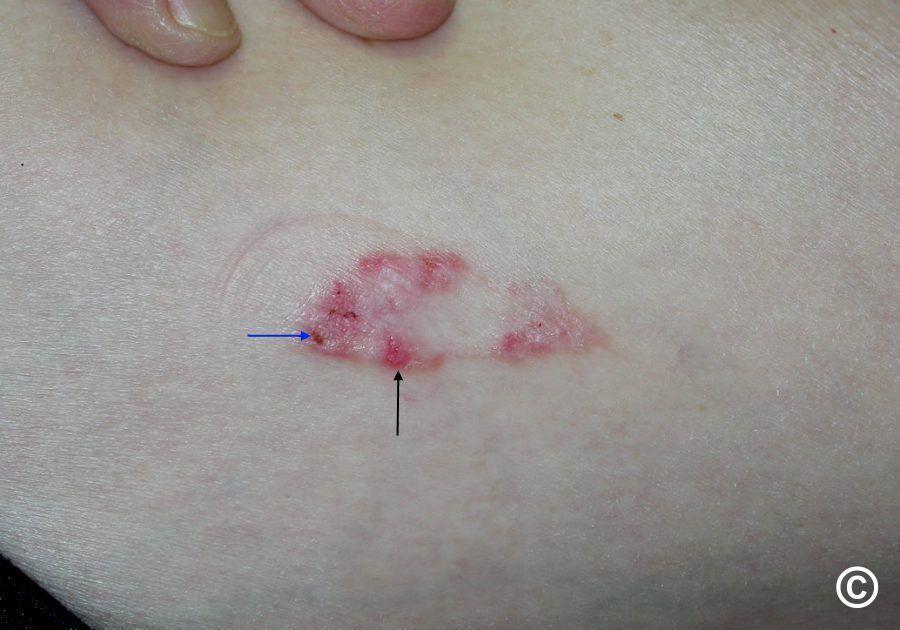
Skin cancer can have a significant psychological impact. If your skin cancer is affecting your mental health, you should discuss this with a health professional.
Most cases of BCC will be referred to a specialist, who will be either a Dermatologist, a GPwER / GPwSI in Dermatology (a GP who has also been trained in relevant areas of dermatology), or a plastic surgeon. Occasionally other specialists manage BCC.
Some low-risk cases of BCC (e.g. small BCCs not affecting the head or neck) may be managed by one of your local GPs.
The first appointment is most likely to be face-to-face (the person attends the clinics); occasionally the initial referral may be through teledermoscopy, where a picture of your skin lesion is sent to a specialist to advise the best course of action.
When you see a specialist it is important to ask for a full skin examination to check for other possible skin cancers.
In terms of treatment, this depends on various factors including type of BCC, size & site (where the BCC is found), and your general health.
Treatment options include:
It is important that you discuss treatment options with your specialist (or GP) and ask about anything that you do not understand.
Can basal cell carcinomas be cured
Yes, BCCs can be cured in almost every case, although treatment can be more complicated if the BCC has been neglected for a long time, or if it occurs in an awkward place to remove skin, such as close to the eye, nose, or ear.
No matter what treatment you have, there is always a small chance that a BCC can recur, so if you think it is starting to grow again after treatment you must report this to your GP/nurse, or specialist if still under their care.
If you, a family member, or friend have an undiagnosed skin condition; or you want to learn more about how to treat skin conditions, please view our short video on how to get the best from this website.
Disclaimer - the author PCDS cannot accept responsibility for any misleading or incorrect statements, and the management of individual patients remains the direct responsibility of the individual doctor. We do however hope that visitors to this site can contact us regarding comments that are considered misleading or incorrect so that we can continue to improve the site.
Image Rights - The PCDS would like to thank Dermatoweb, DermQuest (Galderma), and others who have contributed images. All named individuals and organisations maintain copyright for the relevant images.
The following pharmaceutical companies have had no involvement in the content of this website or in our conference programmes