LAST UPDATED: Jun 02, 2025

https://www.pcds.org.uk/patient-info-leaflets/hidradenitis-suppurativa
Hidradenitis suppurativa (HS), also called acne inversa, is a long-term condition in which there is inflammation (redness and swelling) of certain sweat glands. These glands are found mainly in the armpits, breasts, abdominal fold, groin, genital area, and buttocks. The inflammation causes painful lumps or boils that can leak pus and lead to scarring.
HS can have a significant psychological impact, and many patients suffer from anxiety, depression, and poor self-esteem.
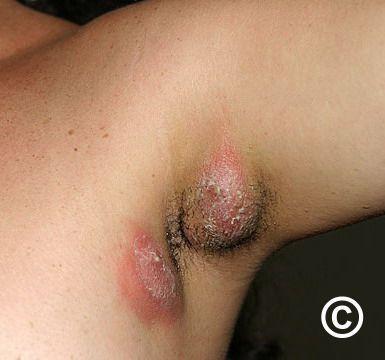

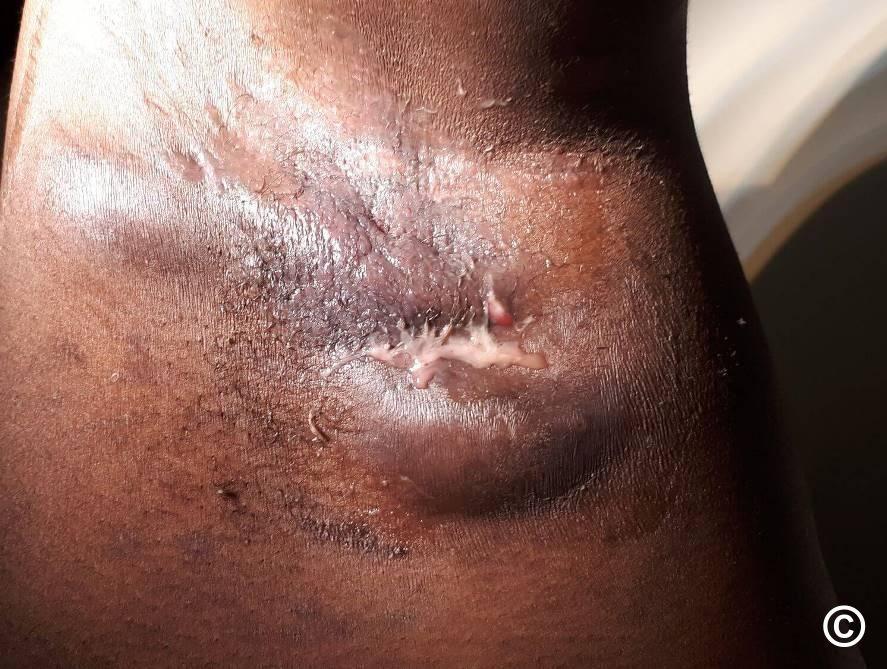
HS can affect anyone but is more common in women and in skin of colour.
HS causes painful boils often starting in early adulthood. Boils may cause problems with regular activities such as sitting or walking. Discharge of pus can be a problem and may require daily dressings.
Longer term HS leads to the development of tunnels under the skin and open wounds that are slow to heal and often result in scars.
The cause of HS is poorly understood. The processes involved include:
In approximately one third of cases someone else in the family is affected. HS is NOT caused by poor hygiene.
Treatment for HS is often long-term and should be started soon after the condition arises. Delay in starting treatment can lead to the HS being more difficult to treat in the long-term.
Ideally your healthcare professional should provide you with all of the following:
Other treatments sometimes used include metformin (a tablet normally used to treat diabetes), certain oral contraceptives and spironolactone in women.
When you visit your GP surgery ask them to look at the HS guidelines in the A-Z of Clinical Conditions at www.pcds.org.uk for detailed advice on treatment.
If you are overweight you will be advised on lifestyle changes to help lose weight, and you may be offered medication.
If your HS is not adequately controlled by the treatment provided by your Primary Healthcare professional, you will need to be referred to a specialist, usually a dermatologist in Secondary Care.
As well as the treatments already discussed, other medical treatments sometimes used include retinoids (vitamin A derived tablets) such as acitretin, dapsone, and biologic injections which help supress the immune system.
Surgical procedures may be considered for active areas of HS that have failed to respond to medical therapy. Healing can be slow after surgical procedures as the skin is normally left to heal itself.
If you, a family member, or friend have an undiagnosed skin condition; or you want to learn more about how to treat skin conditions, please view our short video on how to get the best from this website.
Disclaimer - the author PCDS cannot accept responsibility for any misleading or incorrect statements, and the management of individual patients remains the direct responsibility of the individual doctor. We do however hope that visitors to this site can contact us regarding comments that are considered misleading or incorrect so that we can continue to improve the site.
Image Rights - The PCDS would like to thank Dermatoweb, DermQuest (Galderma), and others who have contributed images. All named individuals and organisations maintain copyright for the relevant images.
The following pharmaceutical companies have had no involvement in the content of this website or in our conference programmes