LAST UPDATED: Jan 31, 2025

https://www.pcds.org.uk/patient-info-leaflets/lichen-simplex-lichen-simplex-chronicus
Lichen simplex is the name given to an itchy persistent rash caused by repeatedly scratching or rubbing the skin over a long period of time. Lichen simplex can affect any age group but is most common in adults. It is more common in women. It is unusual in children.
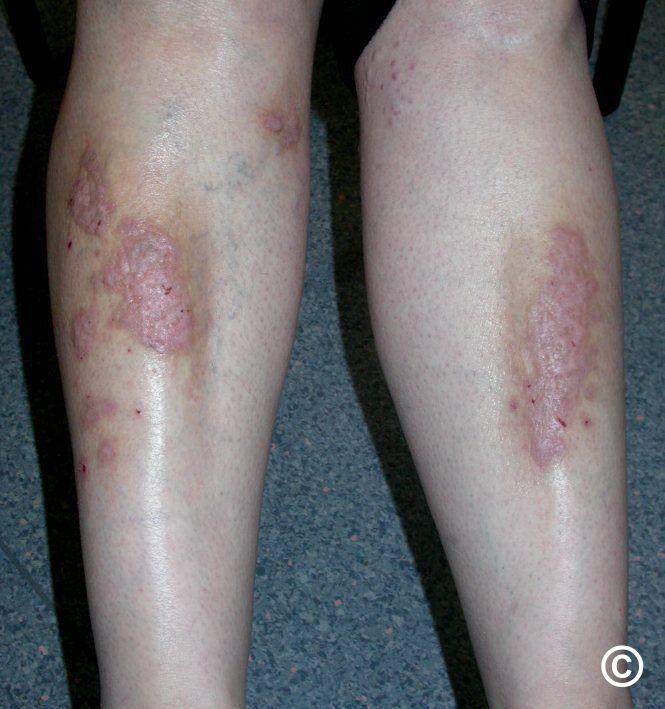

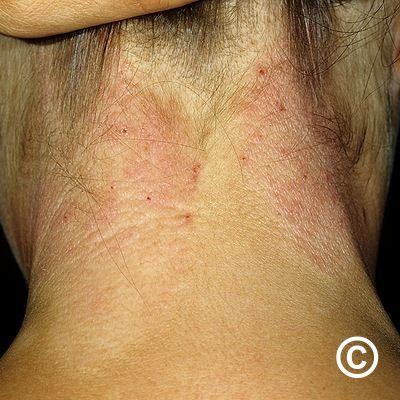
Lichen simplex arises as a result of long-term (chronic) scratching. Any itchy skin condition (e.g. eczema, psoriasis, and skin infections ) can lead to lichen simplex. As lichen simplex is intensely itchy, the skin is then scratched more (so called the ‘itch-scratch cycle’). Lichen simplex is more common in individuals who are stressed or anxious and who are prone to scratching.
It is not infectious (cannot be passed from one person to another) and is not hereditary (does not run in families).
There are several things you can do at home to help lichen simplex:
There are no specific tests to diagnose lichen simplex. Your healthcare professional might take a skin scraping to send a small sample to the laboratory to test for evidence of fungal infection.
Alongside the use of regular emollients, treatment options provided by your healthcare professional may include:
Lichen simplex can have a significant psychological impact and may affect many areas of daily life including work and personal relationships. The intense itch may affect your sleep. If your mental health is affected and having an impact on your quality of life, then you should discuss this with a health professional.
If the diagnosis is uncertain, or your symptoms are not controlled by treatments offered by your GP surgery, you may be referred to see a specialist. This may be a GPwER/GPwSI (a GP who has been trained in relevant areas of dermatology) or a dermatologist.
Occasionally, if the diagnosis is not certain, some patients may require a skin biopsy (a small sample of skin is taken under local anaesthetic, i.e. you are awake for the procedure).
Other treatments occasionally used by a specialist may include steroid injections into the affected areas of skin, as well as light treatment (phototherapy) or tablets which suppress the immune system.
Lichen simplex can be successfully treated, but can recur. Using moisturisers once to twice every day will reduce the likelihood of it returning.
Itchy skin conditions can understandably lead to behaviours such as scratching, rubbing, and/or picking as ways to try and cope. Eventually the behaviours can become habits. Habit reversal therapy is a treatment programme that offers a solution to the behaviour that has developed. Unfortunately, therapy is not widely available, however, if you have developed such a habit then ask a health professional to see if there are any local services providing habit reversal therapy; alternatively you can do a Google search. Patient information leaflet on habit reversal therapy can be found at https://www.atopicskindisease.com/categories/HR
This leaflet mentions ‘emollients’ (moisturisers). Pure petroleum emollients are flammable and should never be used near a naked flame. Non-paraffin-based emollients may also act as accelerants if they have a high oil content, so caution is advised with all topical treatments. Your hands may be slippery after applying a greasy moisturiser, so allow time for them to soak in before driving or operating machinery.
If you, a family member, or friend have an undiagnosed skin condition; or you want to learn more about how to treat skin conditions, please view our short video on how to get the best from this website.
Disclaimer - the author PCDS cannot accept responsibility for any misleading or incorrect statements, and the management of individual patients remains the direct responsibility of the individual doctor. We do however hope that visitors to this site can contact us regarding comments that are considered misleading or incorrect so that we can continue to improve the site.
Image Rights - The PCDS would like to thank Dermatoweb, DermQuest (Galderma), and others who have contributed images. All named individuals and organisations maintain copyright for the relevant images.
The following pharmaceutical companies have had no involvement in the content of this website or in our conference programmes