LAST UPDATED: Jan 31, 2025

https://www.pcds.org.uk/patient-info-leaflets/napkin-dermatitis-nappy-rash-napkin-eczema
Napkin dermatitis refers to inflammation of the skin around an infant’s bottom caused by irritation from urine and faeces. It is very common.
The skin under the nappy may appear red and raw, or sometimes dry or scaly. Usually the skin in the creases will be spared. Spots or blisters may also be present. It is likely to feel sore or itchy for the infant.
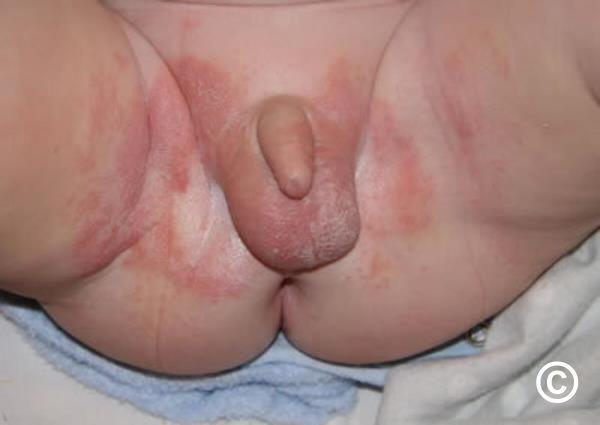
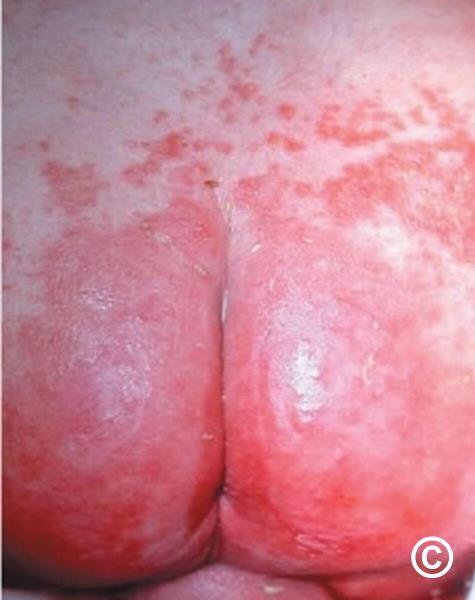
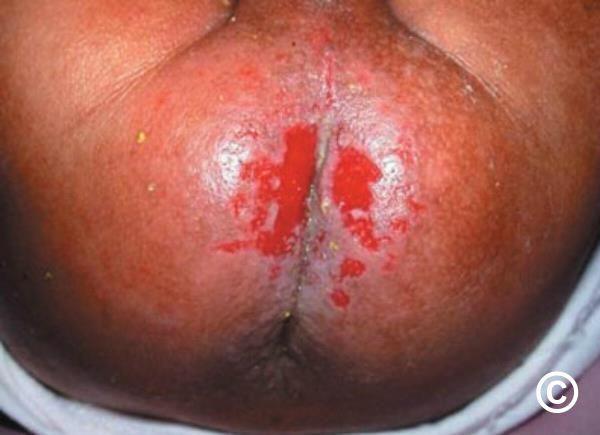
The main cause is skin irritation from contact with urine and faeces, particularly if prolonged. Rubbing or chafing from nappies can contribute to the irritation, as well as the use of baby wipes and soap/detergent. The inflamed skin can become infected with bacteria and/or fungus (“thrush”).
There are several things you can do at home to help prevent and manage napkin dermatitis:
If the above measures do not improve things, the rash spreads, the infant appears very uncomfortable or is unwell, make an appointment at your GP surgery.
You may be prescribed a steroid cream or antifungal cream (or a combination of both). Occasionally, a course of antibiotics may be required. Your GP/nurse may also take swabs from the skin.
If all the above measures fail to improve the napkin dermatitis, the infant may be referred to see a specialist to review the diagnosis and consider alternative treatments. The specialist may be either a Dermatologist or a GPwER in Dermatology (a GP who has also been trained in relevant areas of dermatology).
If you, a family member, or friend have an undiagnosed skin condition; or you want to learn more about how to treat skin conditions, please view our short video on how to get the best from this website.
Disclaimer - the author PCDS cannot accept responsibility for any misleading or incorrect statements, and the management of individual patients remains the direct responsibility of the individual doctor. We do however hope that visitors to this site can contact us regarding comments that are considered misleading or incorrect so that we can continue to improve the site.
Image Rights - The PCDS would like to thank Dermatoweb, DermQuest (Galderma), and others who have contributed images. All named individuals and organisations maintain copyright for the relevant images.
The following pharmaceutical companies have had no involvement in the content of this website or in our conference programmes