LAST UPDATED: Jan 31, 2025

https://www.pcds.org.uk/patient-info-leaflets/seborrhoeic-eczema
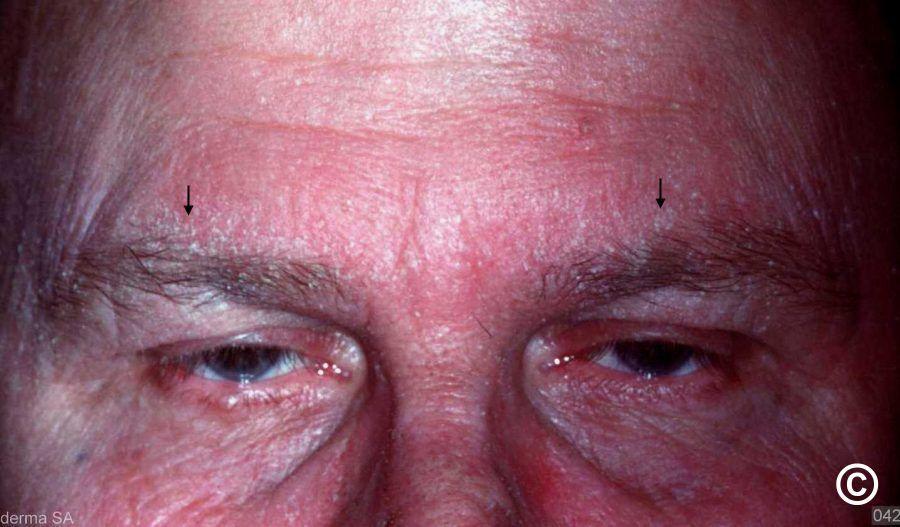
Seborrhoeic eczema (also known as seborrhoeic dermatitis) is a common condition causing dandruff and a red scaly rash on the central face and upper body. It can start at any time after puberty. Babies can also get a short-lived type of seborrhoeic eczema in the scalp (cradle cap) and nappy area, which usually clears after a few months.
The symptoms of seborrhoeic eczema vary from person to person, and usually include two or more of the following:


While the exact cause of seborrhoeic eczema is not known, it is thought to be triggered by an overgrowth of a harmless yeast called Malassezia that lives on the skin, or by the skin’s immune reaction to this yeast. This is different from the yeasts that cause thrush or those that are present in foods. Seborrhoeic eczema cannot be passed on to other people (i.e. it is not contagious).
Emotional stress is likely to aggravate the condition. If seborrhoeic eczema is more severe or unresponsive to treatment, it may suggest the person is immunosuppressed (has a weakened immune system). Several things including HIV infection, or certain medications, can weaken the immune system. Seborrhoeic eczema is also more common in people with Parkinson’s disease. A lack of cleanliness does not cause seborrhoeic eczema.
Although there is no cure for seborrhoeic eczema, there is much that can be done to help. If your eczema is not responding to the measures described above, then make an appointment to see a health professional.
The following link provides details on specific treatments.
Seborrhoeic eczema can have a significant psychological impact and may affect many areas of daily life including work and personal relationships. If seborrhoeic eczema is affecting your mental health, you should discuss this with a health professional.
The following groups of people may need to be referred to a specialist, who will be either a Dermatologist or a GPwER in Dermatology (a GP who has also been trained in relevant areas of dermatology):
The appointment may be face-to-face (the person attends the clinic), or a video call (teledermatology).
This leaflet mentions ‘emollients’ (moisturisers). Pure petroleum emollients are flammable and should never be used near a naked flame. Non-paraffin-based emollients may also act as accelerants if they have a high oil content, so caution is advised with all topical treatments.
Your hands may be slippery after applying a greasy moisturiser, so allow time for them to soak in before driving or operating machinery.
If you, a family member, or friend have an undiagnosed skin condition; or you want to learn more about how to treat skin conditions, please view our short video on how to get the best from this website.
Disclaimer - the author PCDS cannot accept responsibility for any misleading or incorrect statements, and the management of individual patients remains the direct responsibility of the individual doctor. We do however hope that visitors to this site can contact us regarding comments that are considered misleading or incorrect so that we can continue to improve the site.
Image Rights - The PCDS would like to thank Dermatoweb, DermQuest (Galderma), and others who have contributed images. All named individuals and organisations maintain copyright for the relevant images.
The following pharmaceutical companies have had no involvement in the content of this website or in our conference programmes