Body lice (syn. pediculosis corporis)
LAST UPDATED: Jul 09, 2021
Introduction
Body lice are caused by the parasitic insect Pediculus humanus corporis.
This chapter is set out as follows:
Aetiology
-
Infestation with body lice is uncommon in comparison to head lice. It is more common in the developing world
-
Body lice tend to infest people in extreme states of poverty or personal neglect, particularly when unwashed and wearing the same clothing for long periods of time
-
The risk of catching body lice is increased in close, crowded living situations. Shared bedding, clothing and / or towels, as well as very close contact with a person infested with lice can be the cause of body lice spreading
History
-
In most infected individuals, itching is the principal complaint
Clinical findings
-
Body lice can be found anywhere on the body but tend to avoid the scalp, except at the margin
-
The body is often covered in excoriations and there may be secondary bacterial infections
-
Hyperpigmentation can occur in those chronically infected, this is possibly post-inflammatory in nature
-
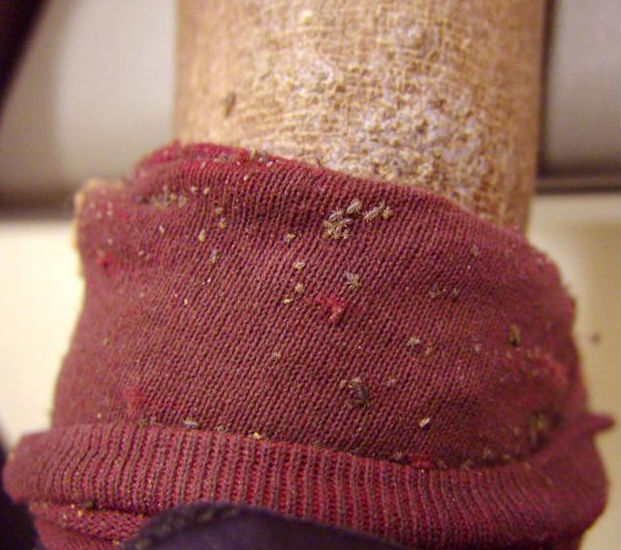
Lice and eggs should be sought in the clothing - body lice are slightly longer than pubic lice and measure about 3-4 mm in diameter
Clinical Images
Please refer to notes on image rights at bottom of the page with regards to individual image
ownership.
1
Management
-
Because body lice mainly live in clothing and bedding (and sometimes towels), applying treatment to the skin is less important. The main treatment is directed at destroying the nits and lice in clothing and linen. This can be achieved by laundering in hot water (at least 130°F), ironing with a hot iron, drying in a hot dryer or dry cleaning
-
In dealing with large numbers of infected individuals, insecticide sprays have been used to treat clothing
-
Treating the body infested with lice is not usually necessary although if the infestation is widespread and covers much of the body, insecticides used in the treatment of head lice may also be used in the treatment of body lice - refer to the chapter Pediculosis capitis
Disclaimer - the author PCDS cannot accept responsibility for any misleading or incorrect statements, and the management of individual patients remains the direct responsibility of the individual doctor. We do however hope that visitors to this site can contact us regarding comments that are considered misleading or incorrect so that we can continue to improve the site.
Image Rights - The PCDS would like to thank Dermatoweb, DermQuest (Galderma), and others who have contributed images. All named individuals and organisations maintain copyright for the relevant images.