Epidermolysis bullosa
LAST UPDATED: Nov 11, 2025
Introduction
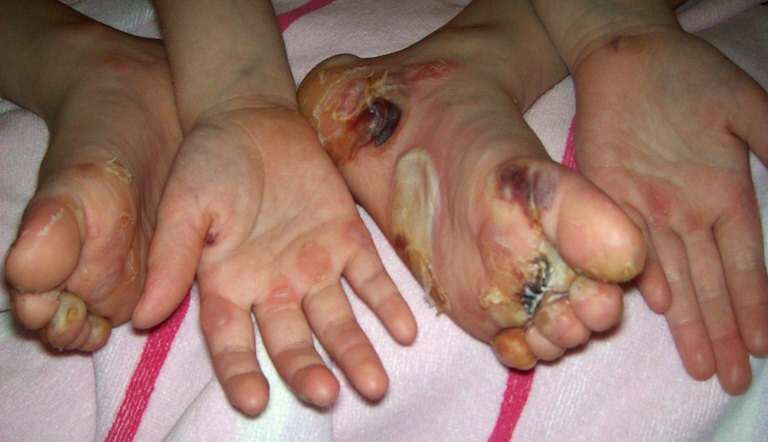
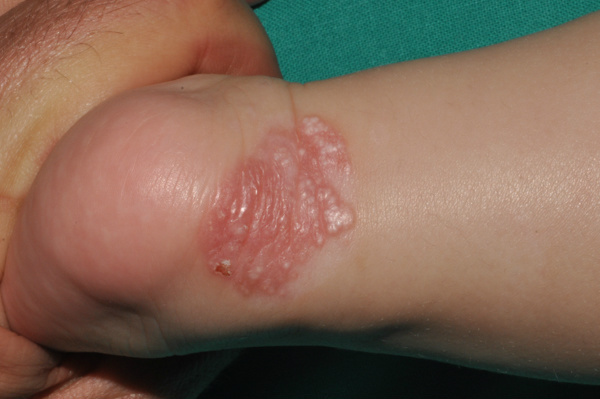
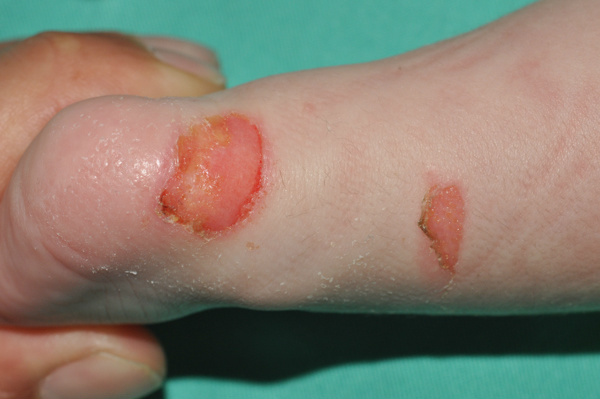
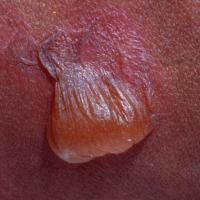
Epidermolysis bullosa (EB), also commonly known as butterfly skin, comprises a group of genetically determined skin fragility conditions characterised by blistering of the skin and mucosae following mild mechanical trauma.
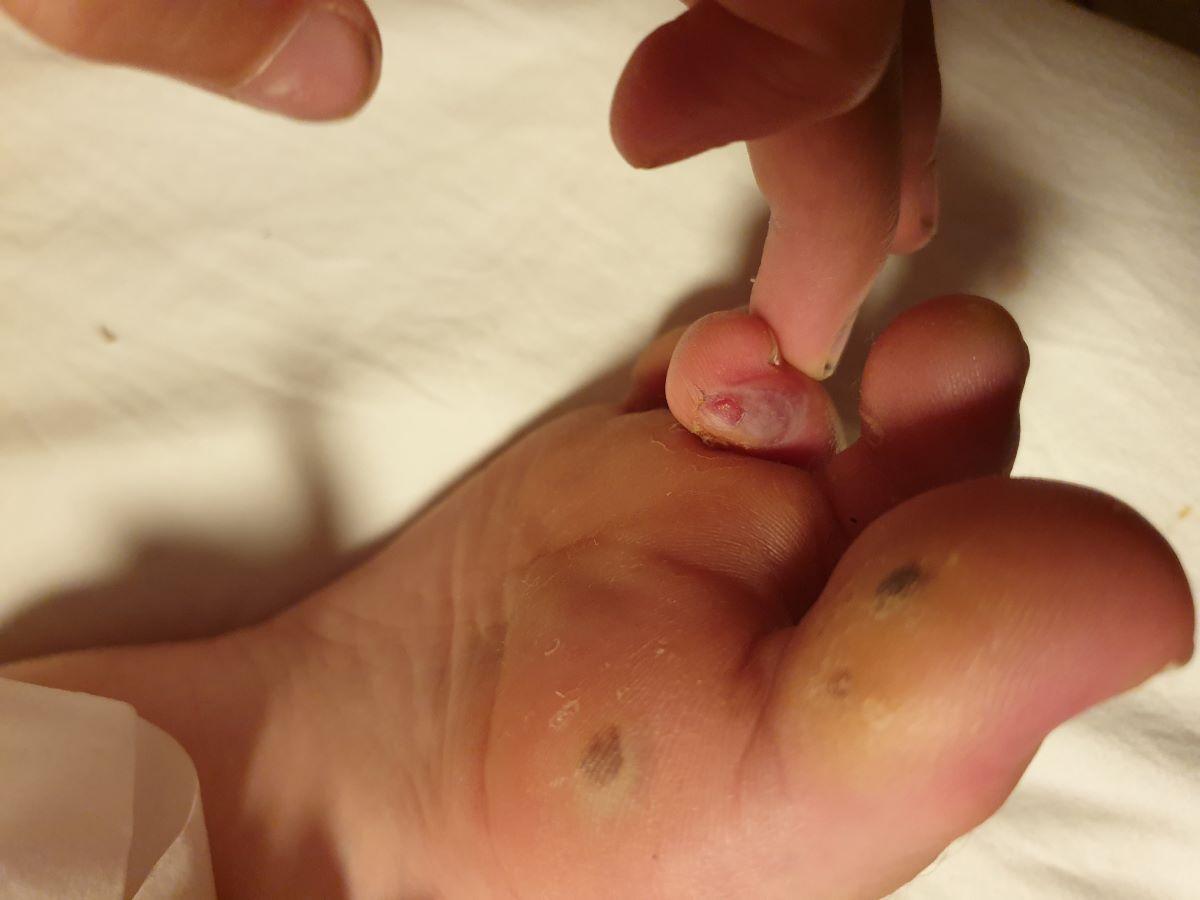
The four major groups of EB are: EB simplex, junctional EB, dystrophic EB, and kindler EB. In many patients the condition arises at an early age, and can be severe, but occasionally EB presents in young adults, and with much more subtle features such as foot blisters or nail changes making it more difficult to diagnose.
This chapter provides an overview in to what is an uncommon and complex group of conditions and is set out as below. It does not consider epidermolysis bullosa acquisita (EBA), a rare immunobullous condition, which is discussed in a related chapter.
Aetiology
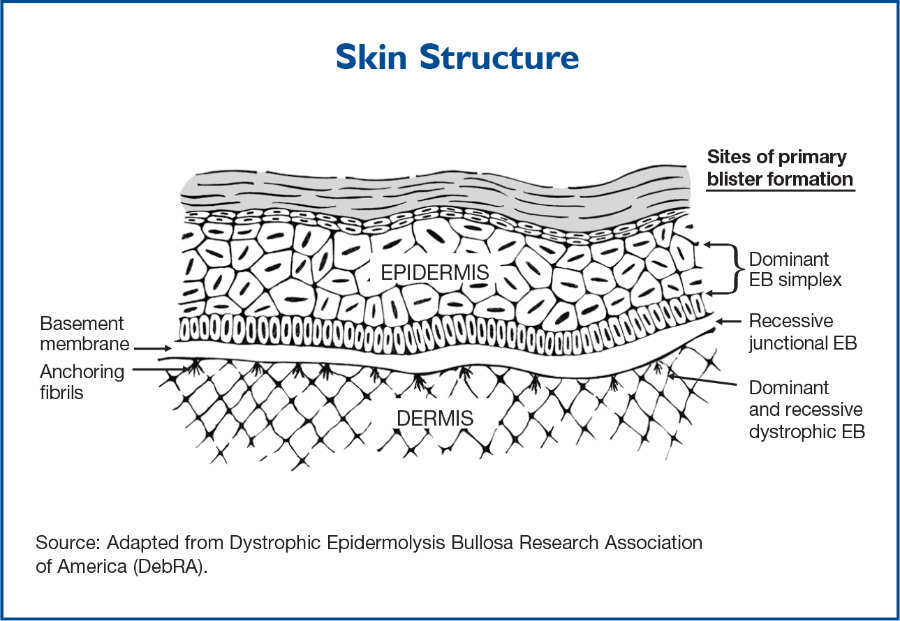
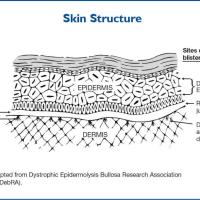
EB is an inherited condition. In autosomal dominant EB, only one abnormal gene is needed to express the condition ie one parent needs to carry the EB gene. On the other hand, autosomal recessive inherited EB requires two EB genes ie one from each parent. If a person has one recessive EB gene paired with a normal gene they are called a carrier and will not develop the condition. There are four main types of EB, which are described below. The condition is classified according to where in the various layers of skin the blistering takes place.
Epidermolysis bullosa simplex (EBS)
- Blistering occurs in the epidermis
- This is the most common type of EB, accounting for 70% of cases, and tends to be milder than the other types
Junctional epidermolysis bullosa (JEB)
- Blistering occurs at the basement membrane zone
- JEB accounts for around 5% of cases and is usually considered the most severe type of EB
Dystrophic epidermolysis bullosa (DEB)
- Blistering occurs below the basement membrane zone in the upper part of the dermis
- DEB accounts for around 25% of cases
Kindler epidermolysis bullosa (KEB)
- A very rare form of EB (less than 1% of cases)
- Caused by mutations in the FERMT1 gene that leads to non-functional or deficient Kindlin-1 protein
- Fragility can occur at multiple levels of the skin (intra-lamina lucida and sub-lamina densa)
History
- Males and females are equally affected
- EB usually occurs at birth or shortly after. Occasionally symptoms of EB at birth are less severe and less apparent and it is not until the child is older or reaches adulthood before it is detected
- Important general points include age of onset; size, frequency, and location of blisters; possible inciting factors; prior diagnostic attempts; prior therapies; and extent of pain or pruritus
- A systemic enquiry that can be associated with different epidermolysis bullosa subtypes includes alteration of growth or development and evidence of mucosal involvement, including oral, nasopharyngeal, ocular, genitourinary, GI, or respiratory symptoms. A family history of blistering conditions is an important finding to identify EB type
Clinical findings
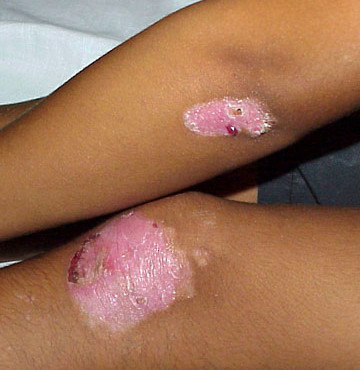
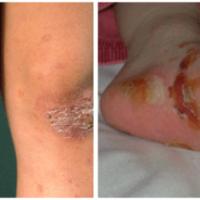
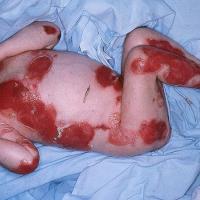
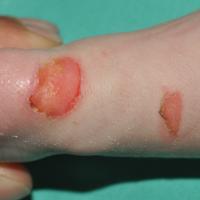
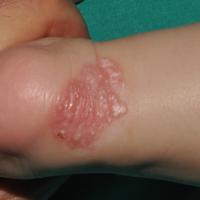
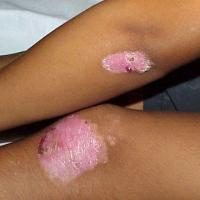
The hallmark cutaneous features of inherited EB are:
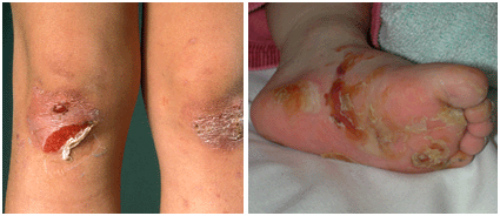
- Mechanically fragile skin and easy inducibility of blisters or erosions - this can affect skin on the outside of the body and also, with certain types of EB, the inside including the mouth, gums and oesophagus
- Some or all of the following:
- Milia
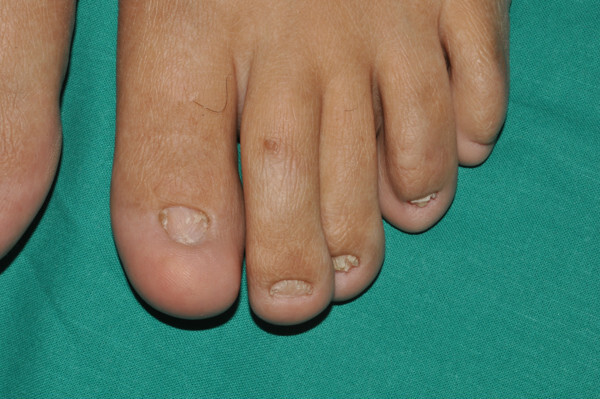
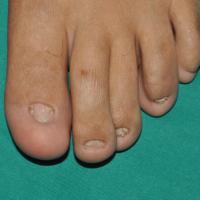
- Nail dystrophy or absence
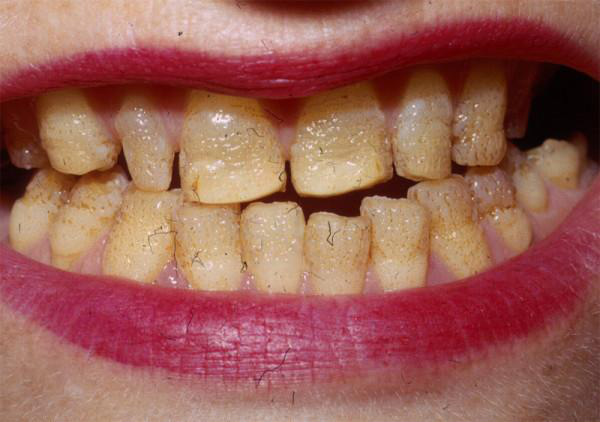
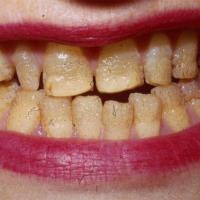
- Dental problems such as tooth decay
- Scarring (usually atrophic)
- Additionally useful findings, if present, include exuberant granulation tissue, localised or confluent keratoderma of the palms and soles, and altered pigmentation. Infrequently seen and extremely non-specific cutaneous findings include decreased or absent hair, albopapuloid lesions (flesh-colored or hypopigmented papules, usually arising on the lower trunk), and hypo / hyperhidrosis
From the four main groups of EB there at least 30 different types. Symptoms vary considerably from one type to another as highlighted by the features of even a small number of EB types as described below.
Localised epidermolysis bullosa simplex
- Is the most common form of epidermolysis bullosa simplex (EBS)
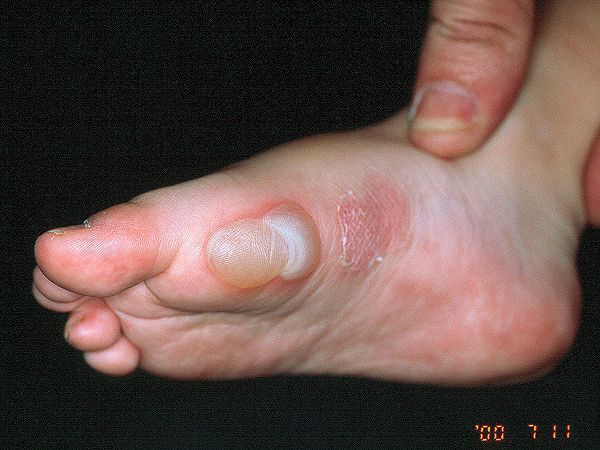
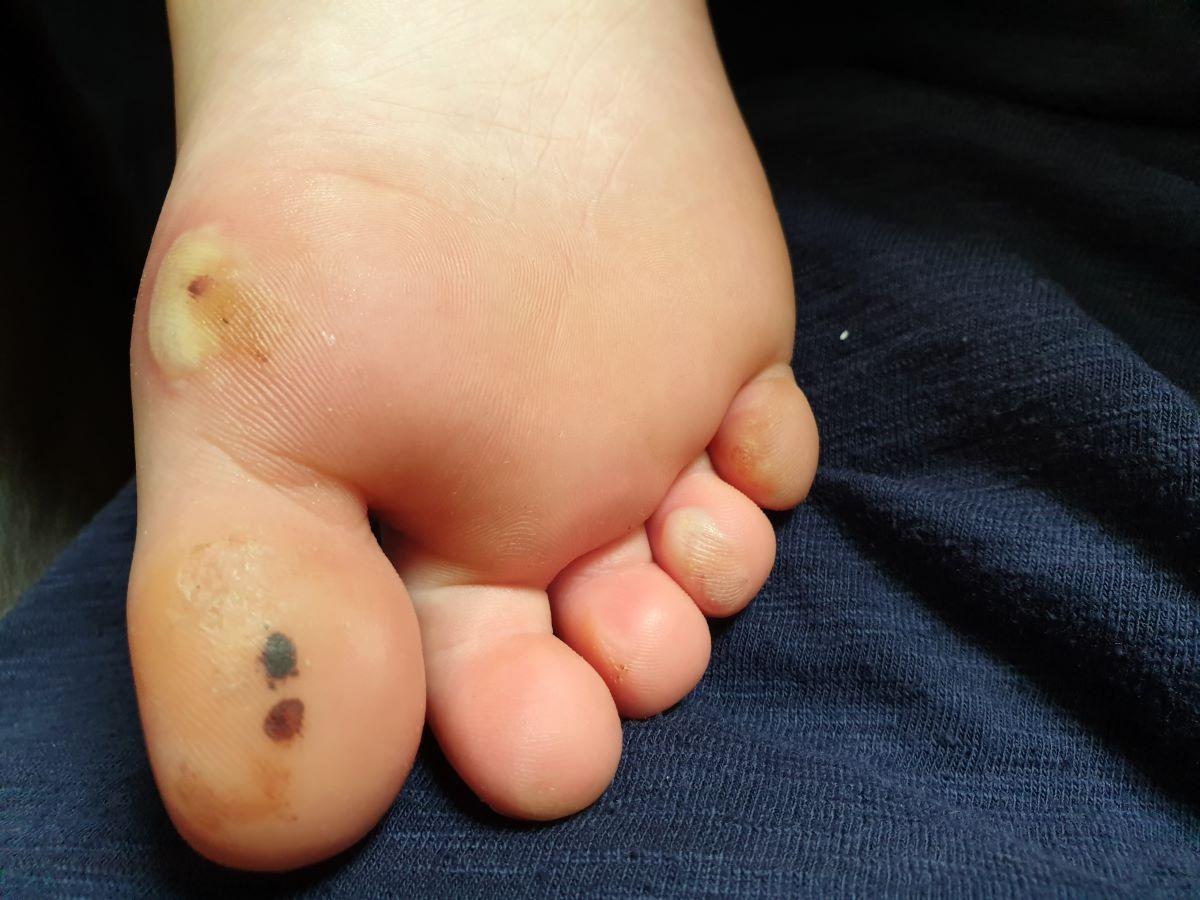
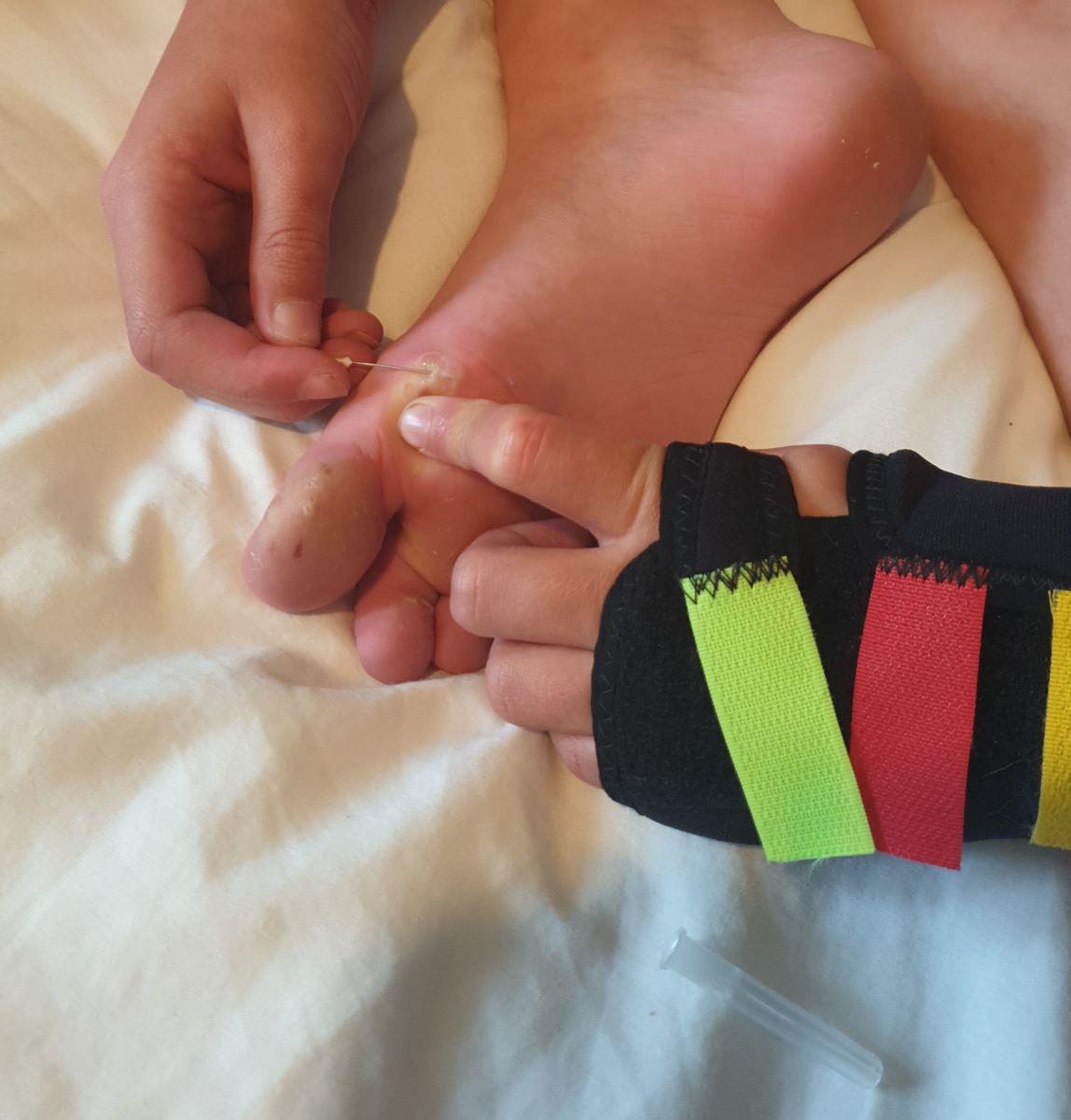
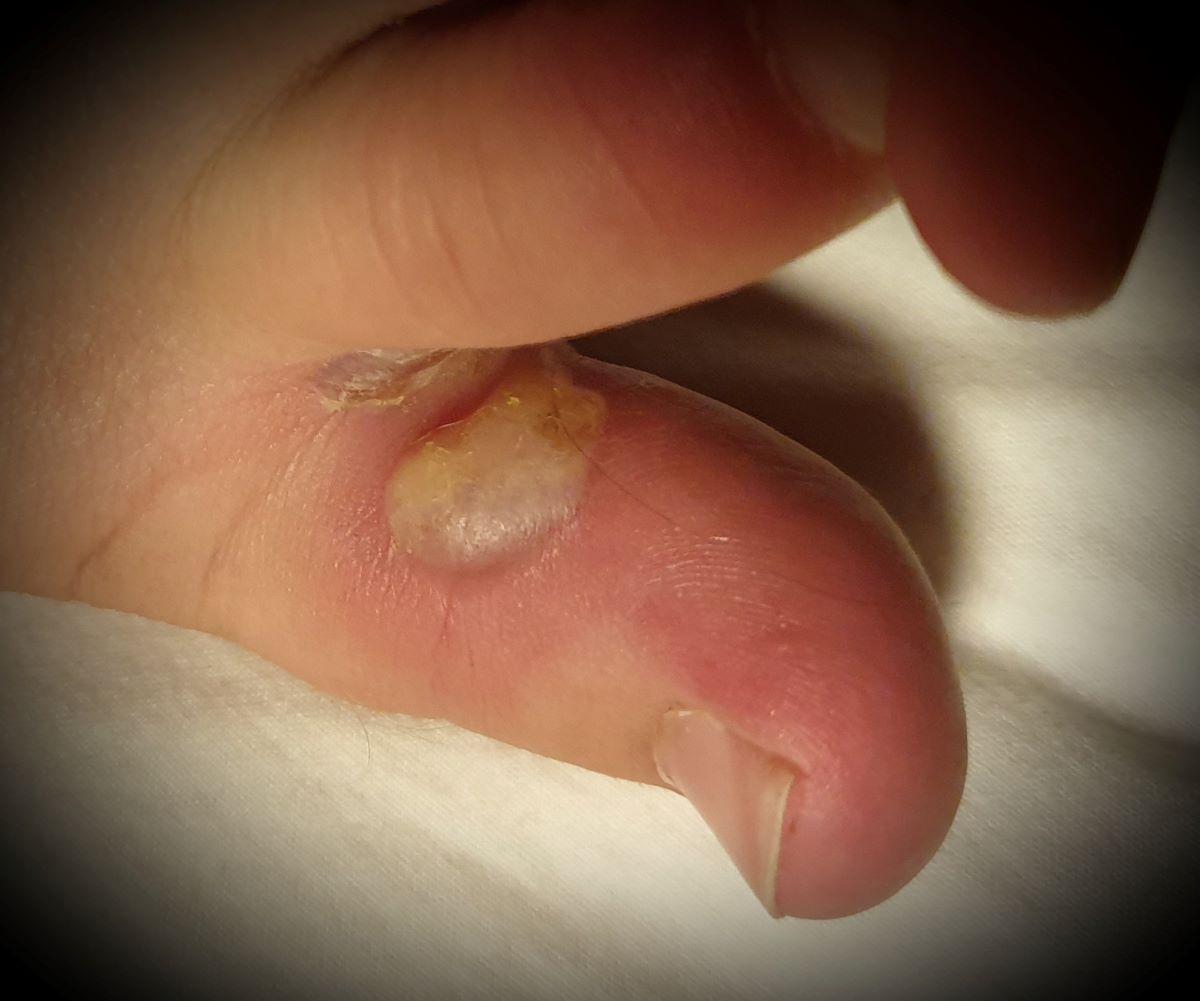
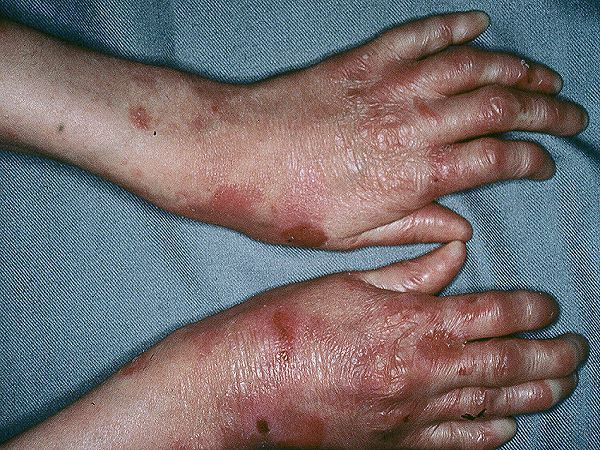
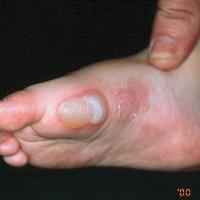
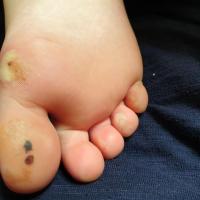
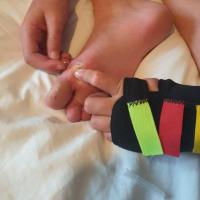
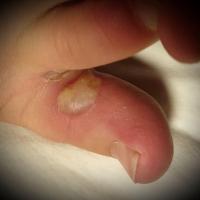
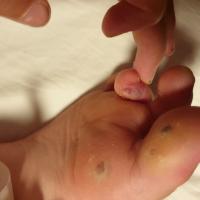
- It is characterised by painful blisters on the palms of the hands and/or soles of the feet that develop after mild or moderate physical activity, such as walking, gardening or playing sport
- Symptoms usually become apparent during early childhood, although less severe may go undiagnosed until early adult life
- Hyperhidrosis of the feet is common
- The blisters usually heal without significant scarring or milia
Non-Herlitz junctional epidermolysis bullosa
- Is the most common, and least severe form of junctional epidermolysis bullosa (JEB)
- As with all forms of JEB, it is usually apparent at birth
- It causes widespread blistering of the skin and mucous membranes
- Blistering of the scalp is common and may lead to scarring and permanent hair loss
- The presence of enamel hypoplasia, manifested as localised or more extensive thimble-like pitting of some or all of the tooth surfaces, is found across all types of JEB. It is therefore an extremely useful clinical finding, although it cannot be used as a diagnostic tool until after the primary teeth have erupted
- Other symptoms of non-Herlitz JEB include long-term injuries to the skin and underlying tissue, especially of the lower legs, scarring of the skin, and deformity or loss of fingernails and toenails
Dominant dystrophic epidermolysis bullosa (DDEB)
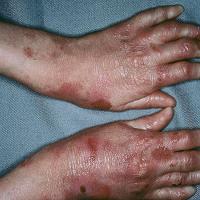
- The prototypic DDEB patient has generalised blistering at birth which, with time, is associated with mila, atrophic (or less commonly, hypertrophic) scarring and nail dystrophy. Nails may be lost altogether
- The skin is generally less fragile than in other forms of dystrophic EB, blisters usually follow sharp knocks or glancing blows rather than mild friction
- Recurrent esophageal blistering and erosions, leading to progressive dysphagia secondary to esophageal stricture formation, is common. The mouth is also often affected, which can make eating or cleaning teeth painful
- There are a number of variants including pretibial DDEB, which, as the name implies, almost exclusively involves the anterior lower legs. Individual lesions, which tend to be papular or plaque-like, are often somewhat violaceous, suggesting the clinical diagnosis of lichen planus. Bullae and scarring are also present. Dystrophy of both fingernails and toenails is characteristic
Autosomal recessive dystrophic epidermolysis bullosa, Hallopeau-Siemens type (RDEB-HS)
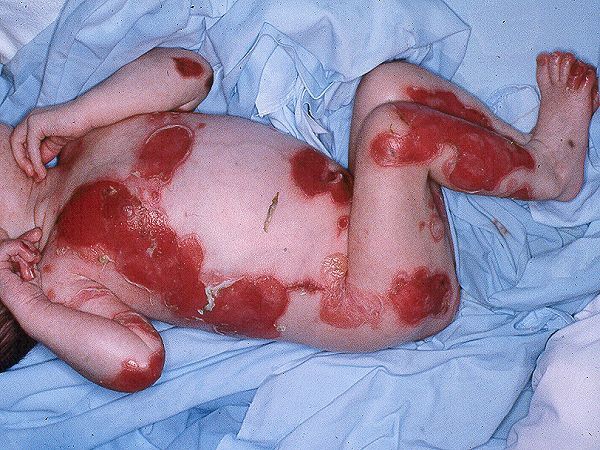
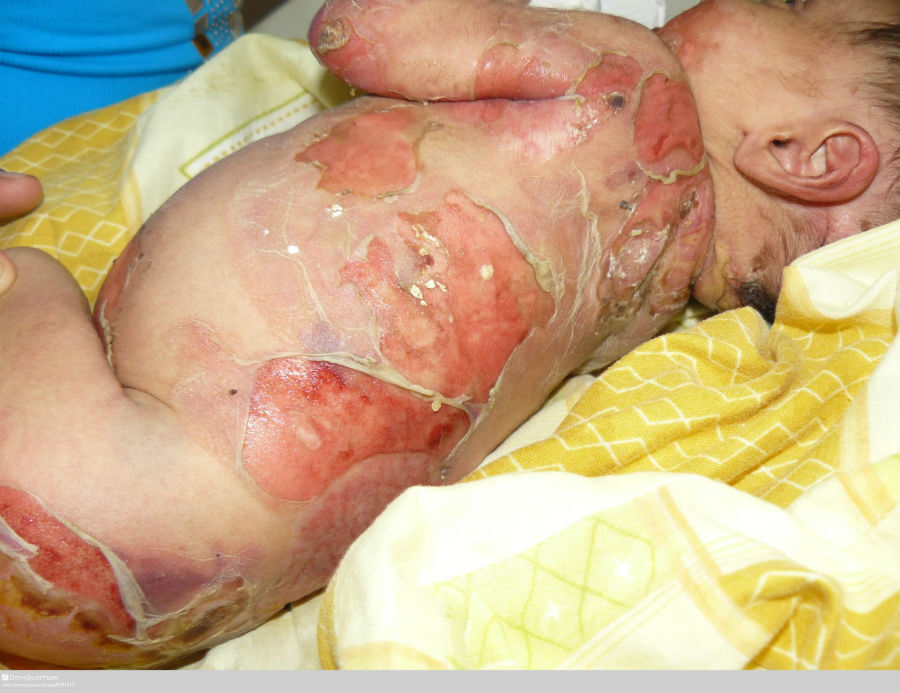
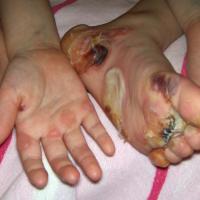
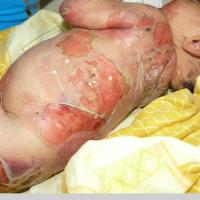
- Affected infants are typically born with widespread blistering and areas of missing skin, often caused by trauma during birth
- Most often, blisters are present over the whole body and affect mucous membranes such as the moist lining of the mouth and digestive tract. As the blisters heal, they result in severe scarring. Scarring in the mouth and esophagus can make it difficult to chew and swallow food, leading to chronic malnutrition and slow growth
- Additional complications of progressive scarring can include fusion of the fingers and toes, loss of fingernails and toenails, joint deformities (contractures) that restrict movement, and eye inflammation leading to vision loss
- Additionally, young adults with the classic form of dystrophic epidermolysis bullosa have a very high risk of developing squamous cell carcinoma, which tends to be unusually aggressive and is often life-threatening
Clinical Images
Please refer to notes on image rights at bottom of the page with regards to individual image
ownership.
1
2
3
4
5
6
7
8
9
10
11
12
13
14
15
16
17
Investigations
-
Each major EB type is diagnosed by determination of the ultrastructural level within which blisters develop following minor traction to the skin. Subtypes are then defined on the basis of mode of transmission, immunohistochemical and electron microscopic findings, and clinical phenotype
Management
- Patients with suspected EB should be referred to a dermatologist to diagnose the condition and refer to one of the four NHS EB healthcare centres of excellence or the Scottish EB healthcare service
- Specialist centres for children and young adults
- Adults
- There are currently no cures for EB. There is however one approved drug treatment in the UK; Filsuvez® is approved to help heal partial-thickness wounds in patients aged 6 months+ with DEB and JEB. Other EB treatment is symptomatic, the primary aim is to protect the skin and stop blister formation, promote healing and prevent complications. Because EB can affect so many different parts of the body a multidisciplinary team approach is usually required
Other resources
- DEBRA is the patient support organisation for people in the UK directly affected by any form of inherited EB or acquired EB, known as epidermolysis bullosa acquisita (EBA). Family members, carers, healthcare professionals and researchers working in the field of EB, can also join DEBRA as a member for free. Benefits of DEBRA membership include nationwide access to their EB Community Support Team, financial support and benefits advice, EB information and resources, respite breaks, and opportunities to connect with the EB community. For more information please use the following link Become a DEBRA member
- Notable resources within the DEBRA website include:
Disclaimer - the author PCDS cannot accept responsibility for any misleading or incorrect statements, and the management of individual patients remains the direct responsibility of the individual doctor. We do however hope that visitors to this site can contact us regarding comments that are considered misleading or incorrect so that we can continue to improve the site.
Image Rights - The PCDS would like to thank Dermatoweb, DermQuest (Galderma), and others who have contributed images. All named individuals and organisations maintain copyright for the relevant images.