Middlesbrough Specialist Skin Service
DATE OF DOCUMENT: Feb 01, 2021
Background information
Teesside (population 672,000) is a conurbation around Middlesbrough on the River Tees in North East England which also includes Billingham, Redcar, Stockton-on-Tees and Thornaby. It is a centre for heavy industry, although the number of people employed has declined and the area has higher than the national average levels of deprivation.
Middlesbrough is served by the James Cook University Hospital (JCUH), a teaching hospital. JCUH works as a hub and spoke model, acting as the hub with three spokes in the hospitals at Hartlepool, North Tees and Northallerton, all of which are served by the same departments of Dermatology and Plastic Surgery.
The Middlesbrough Specialist Skin Service (MISSS) is a community GPwER led team, which was set up in 2003 to work alongside the local Secondary Care services of Dermatology and Plastic Surgery, to help manage the long waiting times faced by patients with skin conditions across Teesside.
Premises
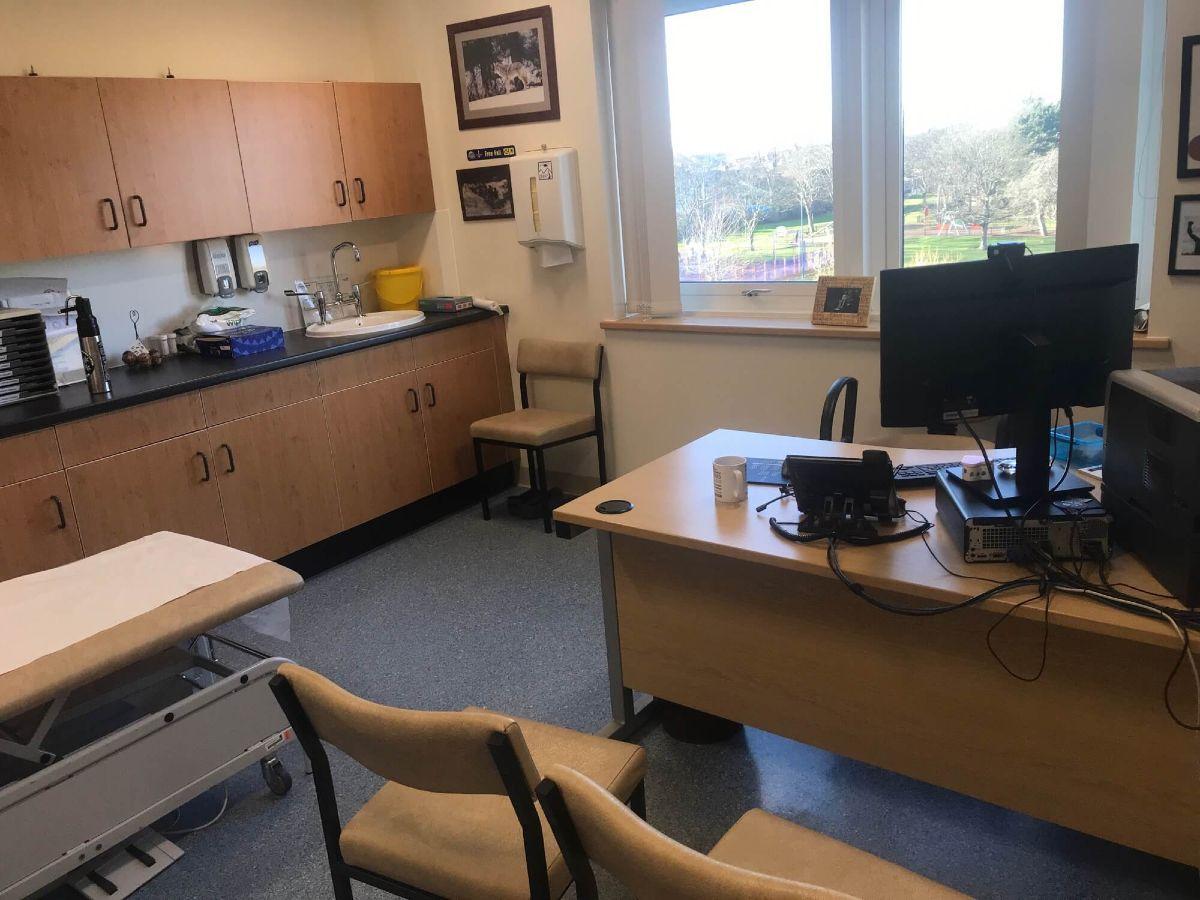
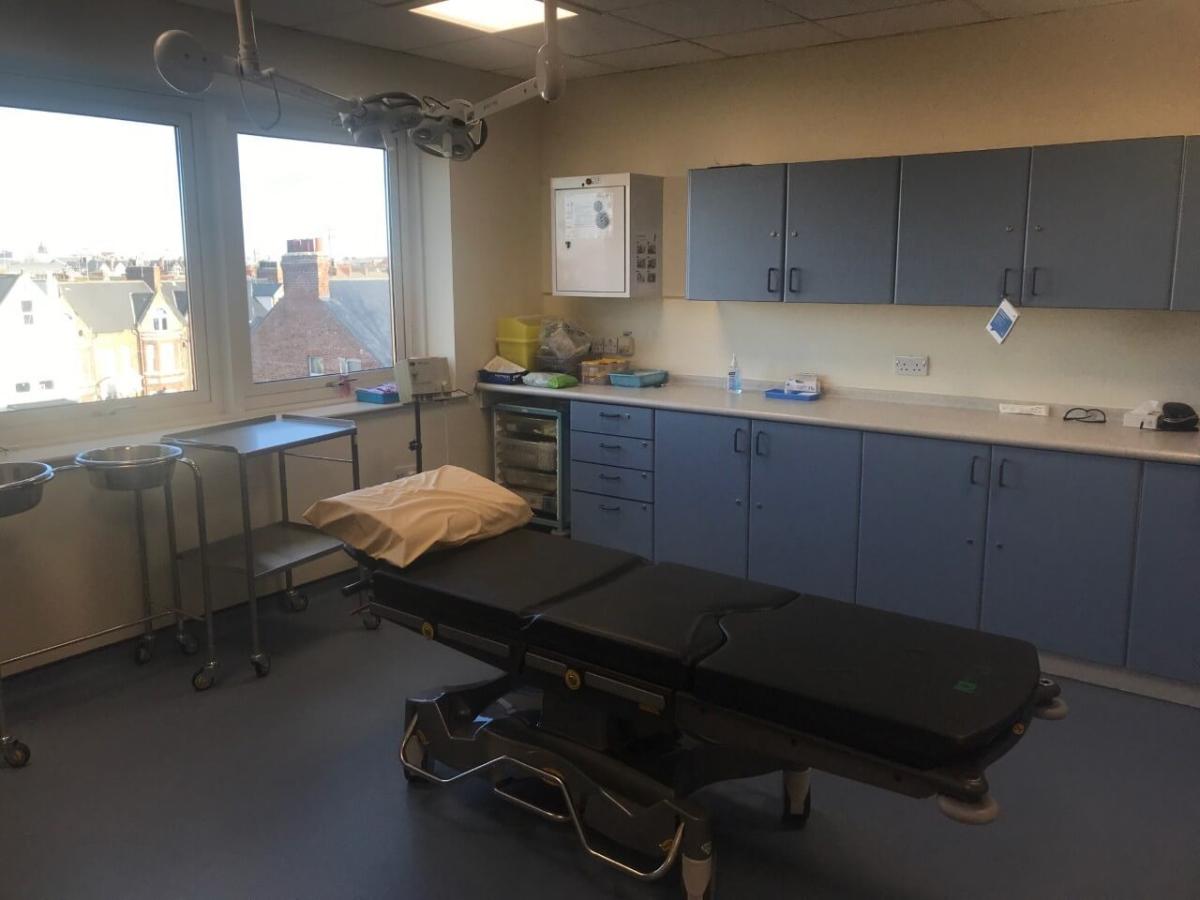
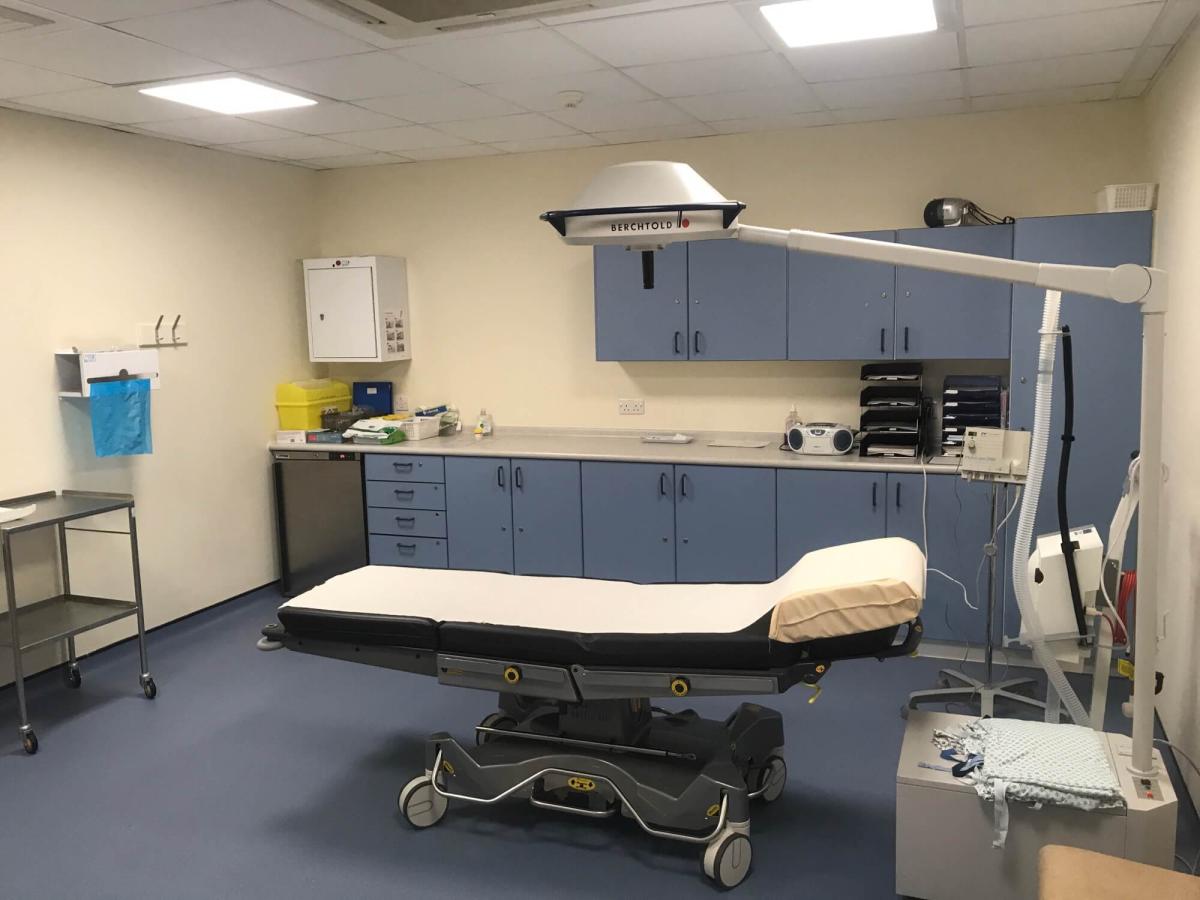
MISSS is based in a purpose-built treatment centre in the community that is part of a larger facility hosting other specialist community services, a GP surgery and radiology. The premises close to Middlesbrough Town Centre, is very accessible and has good parking facilities, which are free. Facilities include a high standard of consulting rooms, treatment rooms and two minor surgery theatres. The service is paper free with a fully computerised appointment system and patient records.
Staff members and roles
- GPwERs – there are 3 GPwERs, with two more in training. The 5 members provide 11 clinic sessions (including the training supervised sessions) covering medical dermatology and skin lesion management, in addition to 8 sessions with consultant colleagues, predominantly focusing on the 2-week wait clinics
- Nursing staff
- Support the GPwERs in their medical dermatology clinics and in the surgical lists with a dedicated theatre scrub nurse and circulating nurse
- Consult new patients (under supervision) with skin lesions
- Undertake procedures - skin biopsy list for all punch biopsies, curettes and shave excisions, cryosurgery, photodynamic therapy
- Assist in triage of referrals
- The nursing bands/hours are: band 6 -10 hrs / band 5 - 26 hrs / band 2 - 24 hrs / band 7 - 37.5 split between Secondary care and managerial
- Admin staff – the service is supported by typists and Choose & Book administrators. The bands are: band 3 - 37.5 hrs / Typist Band 2 - 37.5 hrs / receptionist Band 2 - 37.5 hrs
Services provided
- Skin lesion diagnosis (excluding 2-week waits)
- Surgical management of BCC of the trunk , as well as appropriate BCC on the head and neck
- Non-surgical management of pre-cancerous lesions and superficial BCC using topical treatments and photodynamic therapy
- Diagnosis of medical skin conditions
- The management of moderate inflammatory dermatosis
- Management of acne including the use of isotretinoin
- Surgical management of appropriate benign lumps and bumps
Attached is a copy of the initial contract between the PCT and the various community services - this is outdated but some aspects of this may be useful to those looking to set up new services.
Integration with Secondary Care
The MISSS has always worked closely with Secondary Care, a relationship that has strengthened over the years. The MISSS is now part of the community directorate that forms part of the local hospital group, the South Tees Hospitals NHS Foundation Trust, of which James Cook University Hospital (JCUH) is the primary site. Consultants at JCUH trained up the lead GPwER, who in turn is now training up other GPwERs. Both the lead GPwER and the community lead nurse are member of the dermatology directorate, which meets monthly.
Other examples of integration:
- The lead GPwER has a weekly medical dermatology clinic in the outpatient department at JCUH, into which more complex community patients are transferred. This hospital-based clinic is a standard dermatology outpatient setting with phototherapy, Dermojet and prescribes the likes of methotrexate, ciclosporin and the biologics
- A monthly clinical meeting at JCUH for the review of complex cases with both histology and clinical review – patients from the MISSS, and the hospital departments come along to this meeting
- Email advice
- Joint teaching
- Skin cancer roles - see bottom of page
Referral pathways
Skin Matters
In addition to the community and secondary care services described there is also a private provider of dermatology and plastics services. Rather than acting separately, a local group known as Skin Matters was set up to explore local challenges, the group comprised members of the CCG, a GP, a GPwER, a dermatologist, a plastic surgeon, and a cancer nurse specialist. Some of the key areas identified were:
- The risk that separate referral pathways could potentially generate additional referrals
- Not all referrals get to the correct health care professional first time around eg severe inflammatory skin conditions should not be managed by the community, the plastic surgeons were not experts in lesion recognition (including dermoscopy) and the local dermatology department had more expertise in medical dermatology than skin surgery
- As a result of the above the Skin Matters group put into place the following:
- A single point of entry for all skin referrals (medical dermatology, lesion diagnosis and surgery), which is run by a non-clinical team (with appropriate clinical support)
- A referral proforma for both medical dermatology and non-2WW skin lesions/surgery were developed (attached as highlighted)
- The form asks referrers to tick the most appropriate category, eg a lesion needing diagnosis as opposed to a lesion where the referrer feels the lesion is likely to be a BCC. The different providers and departments within are mapped to each category, so for example only those departments highly skilled in dermoscopy become a choice for the patient in the lesion diagnosis category. The patient is then given the choices
- 2-week wait – see below
Advice and Guidance (A&G) / Teledermatology
- The team (Primary and Secondary Care) have not been sold by the idea that teledermatology is the solution, such that every single referral requires an image, for a number of reasons:
- The team is about to roll out a measured teledermatology program based on the following principle:
- Most GPs/nurse practitioners have very limited training in dermatology (the average medical student gets 6 days), yet up to 30% of GP consultations have some element of skin in them - this results in high referral rates
- To deliver an educational program (once every 2 months) for one 'dermatology lead' per practice or hopefully per PCN. This is to focus on common medical dermatology conditions and skin lesions. The program will be open to any other primary care health professional wanting to be involved
- In terms of skin lesions it will include the clinical recognition of BCC, SCC and melanoma, and the clinicodermoscopic recognition of common benign lesions ie seborrhoeic keratoses, dermatofibromas, angiomas and sebaveous gland hyplerplasia - a clinical tool has been developed to assist in lesion recognition
- Within each PCN (or practice) a greater number of patients with skin conditions will be directed though the dermatology lead who will have several choices:
- No action - reassure
- Management suitable for within the practice / PCN using the guidelines at www.pcds.org.uk
- When a referral is needed - to refer directly using the forms already in place
- If there is uncertainty:
- Medical dermatology - A&G to the consultant dermatology team
- Skin lesions - teledermoscopy thorugh the community dermatology team (who are highly experienced in skin cancer and work in the 2WW clinic)
Outcomes (eg waiting times, audit)
- The waiting lists for both Secondary Care dermatology services and plastic surgery remain very much lower than they were and many more patients are getting to the right health professional at the first appointment
Educational activities
- The team has recently delivered 2 educational meetings for all local GPs in time-out sessions
- A new educational program as highlighted above in the section 'Skin Matters'
Other roles provided by the team
- The team has been involved in advising on the dermatology formulary for GPs including advising on emollients
- Skin cancer - given the high-levels of experience in skin cancer, one of the GPwERs act as the Dermatology Joint Lead in Skin Cancer & Skin Surgery along with one of the consultant Dermatologists. In total 3 of the GPwERs work in the 2-week wait clinics with consultant colleagues, and have helped develop a 2-WW referral proforma and a clinic proforma. These clinics are held at the MISSS, which has better surgical facilities than Dermatology outpatients