Birthmarks - an overview
LAST UPDATED: Apr 02, 2026
Acknowledgements: This chapter was written by Professor Veronica Kinsler (Consultant Paediatric Dermatologist, Paediatric Dermatology Dept, Great Ormond St Hospital for Children NHS Trust, London)
Introduction
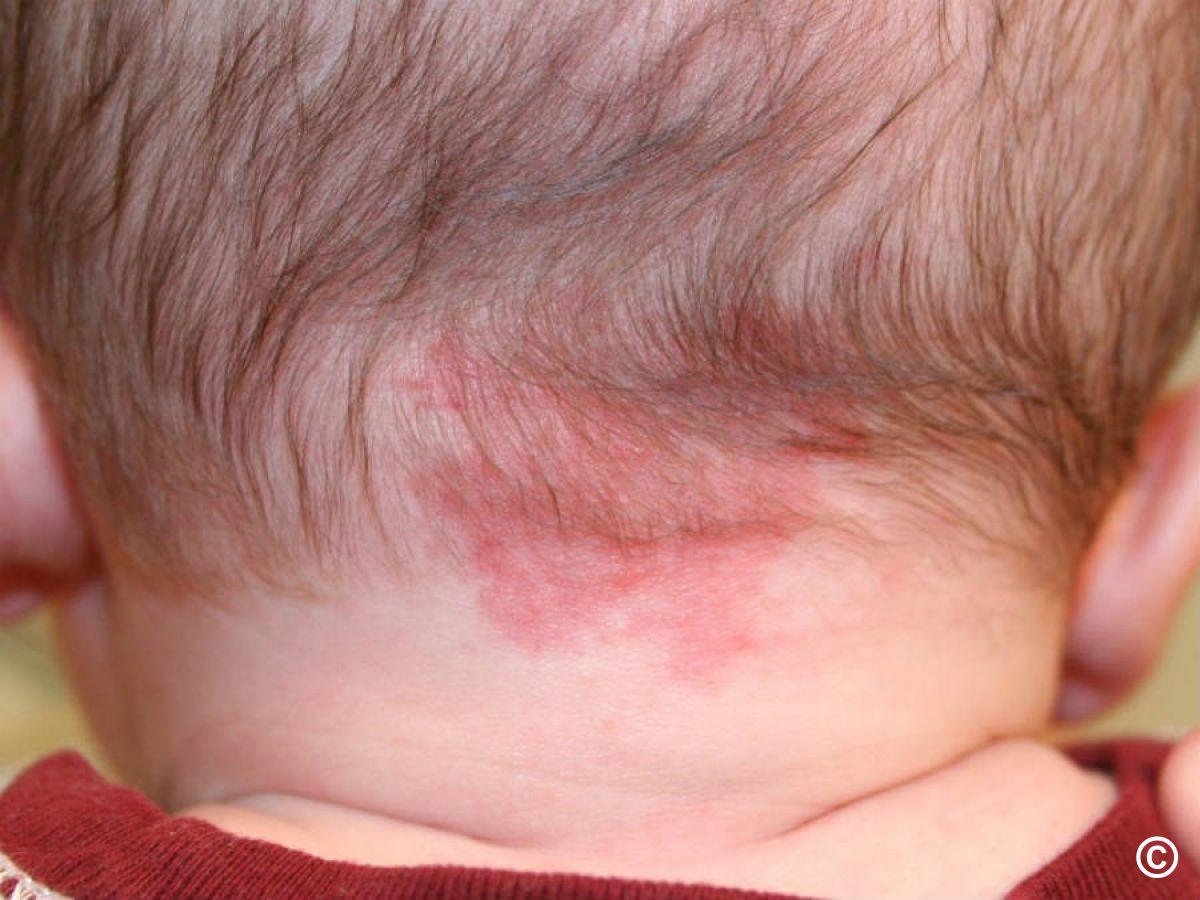
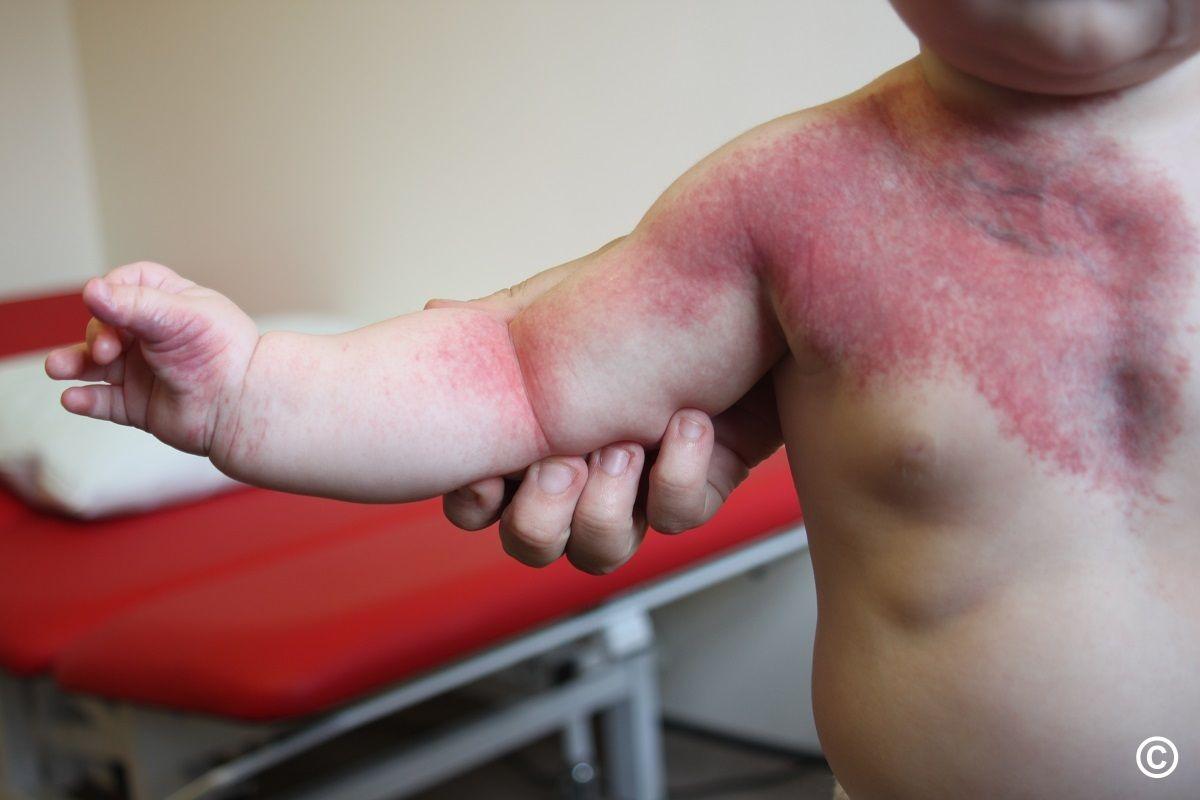
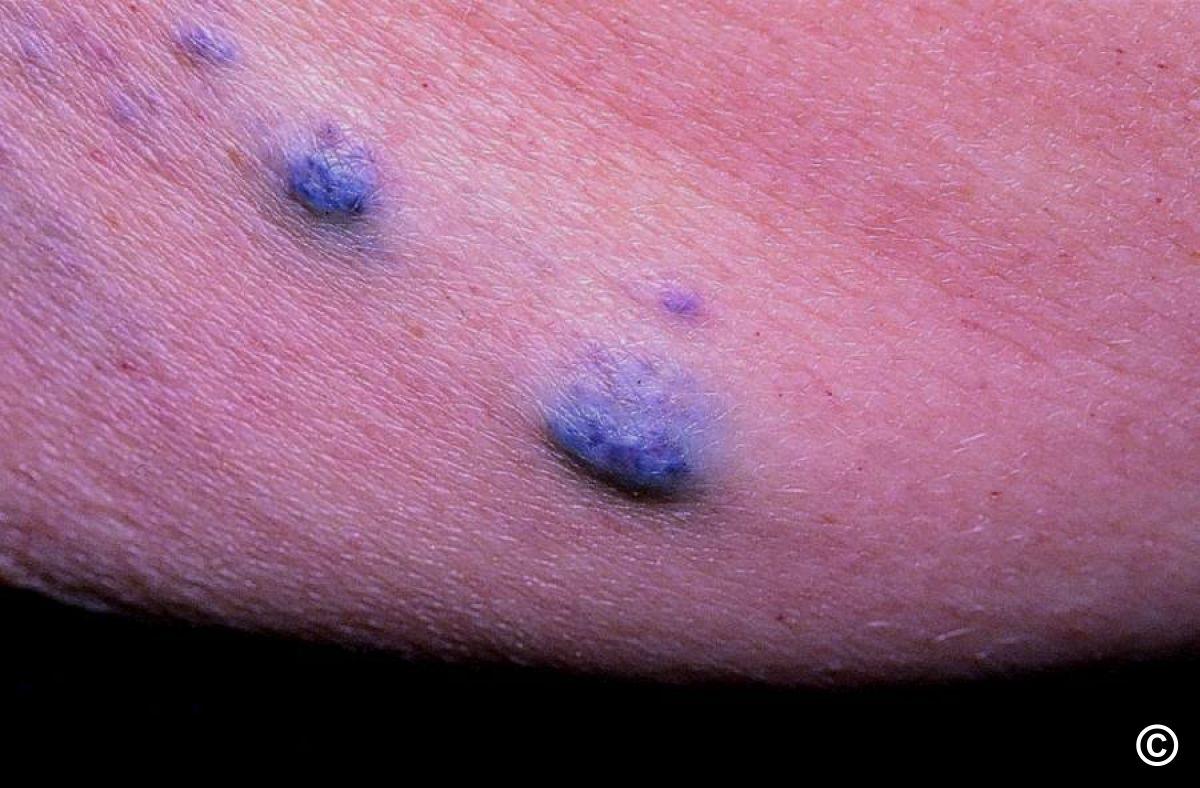
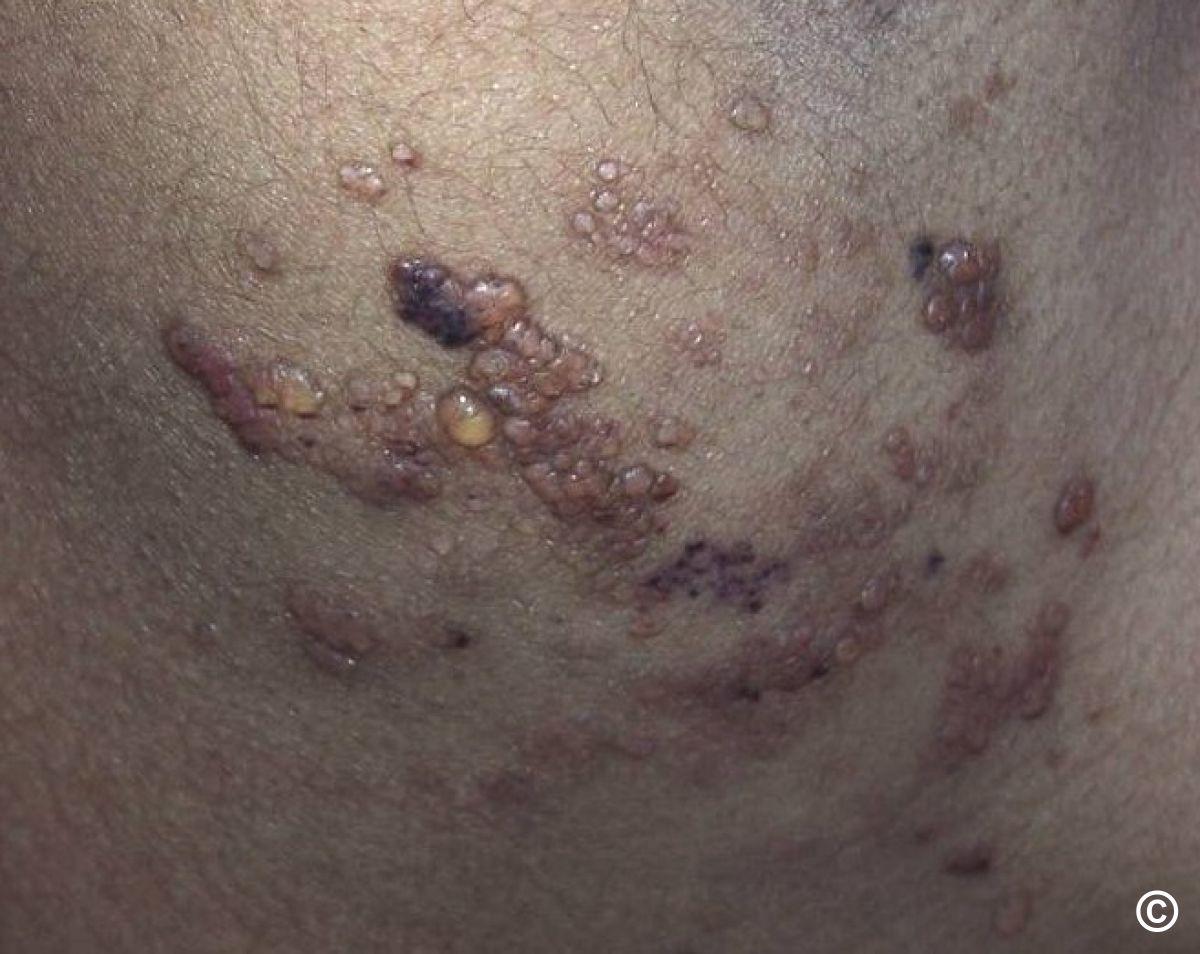
The topic of birthmarks is large, and they cannot really be considered as a homogeneous group. If however, we exclude the very common and self-resolving types, infantile haemangiomas (otherwise known as strawberry naevi) and dermal melanocytosis limited to the lumbosacral area (previously known as Mongolian blue spots), we are left with a more homogeneous group in terms of aetiology - these remaining sporadic birthmarks are usually caused by a genetic mutation occurring to the developing embryo or foetus in utero, and this results in the phenomenon of mosaicism. Birthmarks arising because of this mechanism include all vascular malformations (capillary, venous, lymphatic, arteriovenous and all mixtures thereof), congenital naevi of different types (melanocytic, epidermal, connective tissue) and altered pigmentation (increased or decreased).
Aetiology
- Sporadic birthmarks of these types are usually caused by a genetic mutation occurring to the developing embryo or foetus in utero. These mutations are currently understood to arise completely by chance, not due to something the parents did or did not do. As a result they can arise in all populations and both sexes, although there are relatively limited data on incidence. The mutation occurs in one cell during development, but all the daughter cells which come from that originally mutated cell will carry the same change. As a result, a part of the baby will have a pathogenic mutation, while the rest will not
- Depending on when the mutation arises during development, there may be more or less of the individual affected. Depending on how pluripotent or multipotent the mutated cells is, the individual may or may not have other systems/organs of the body affected. For example, mutations which arise later in development are more likely only to cause one birthmark and for it to be an isolated non-syndromic finding. For mutations which arise earlier in development, there are more likely to be multiple areas of birthmark, and in some conditions also involvement of other organs, although this is not always the case
Clinical findings
- The clinical findings vary with the type of birthmark
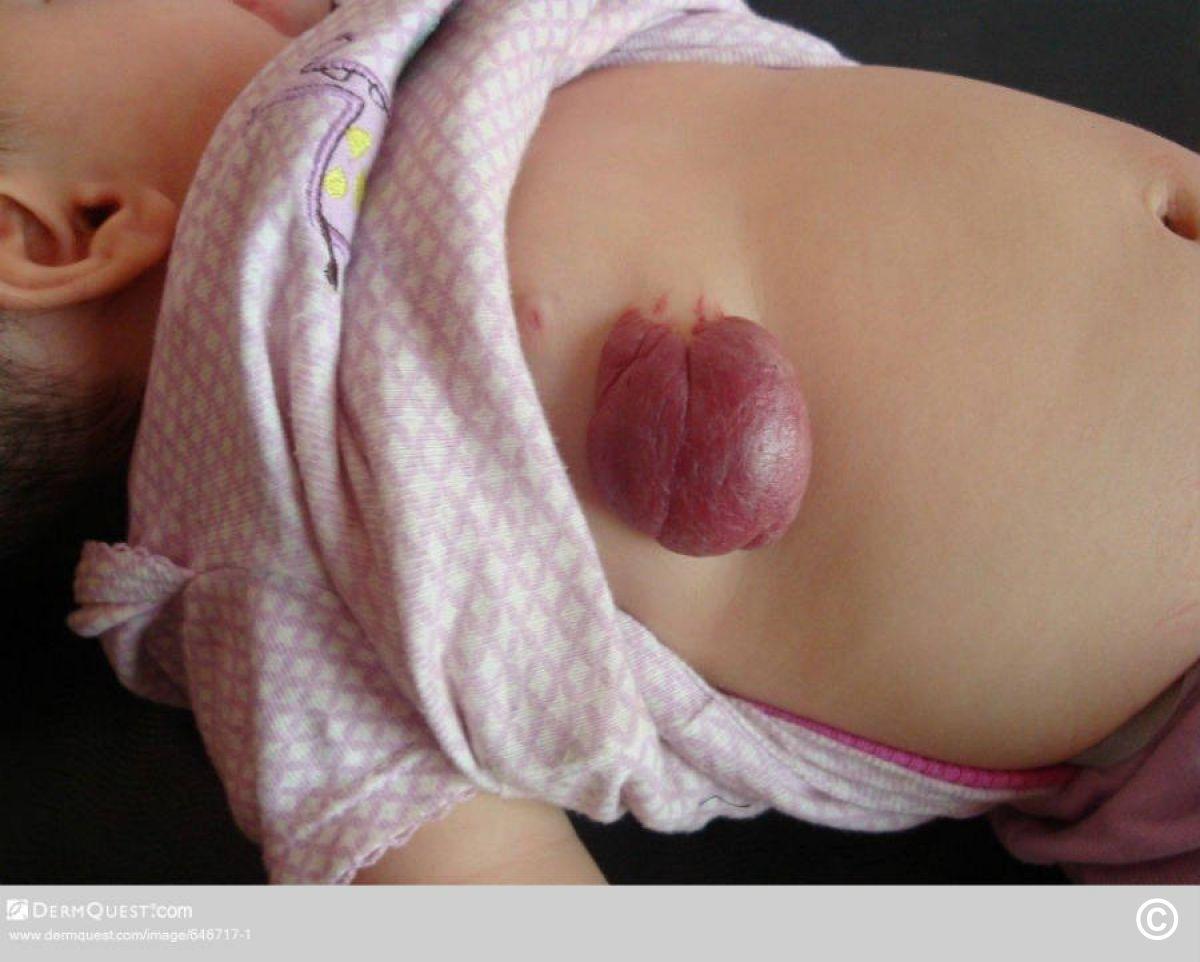
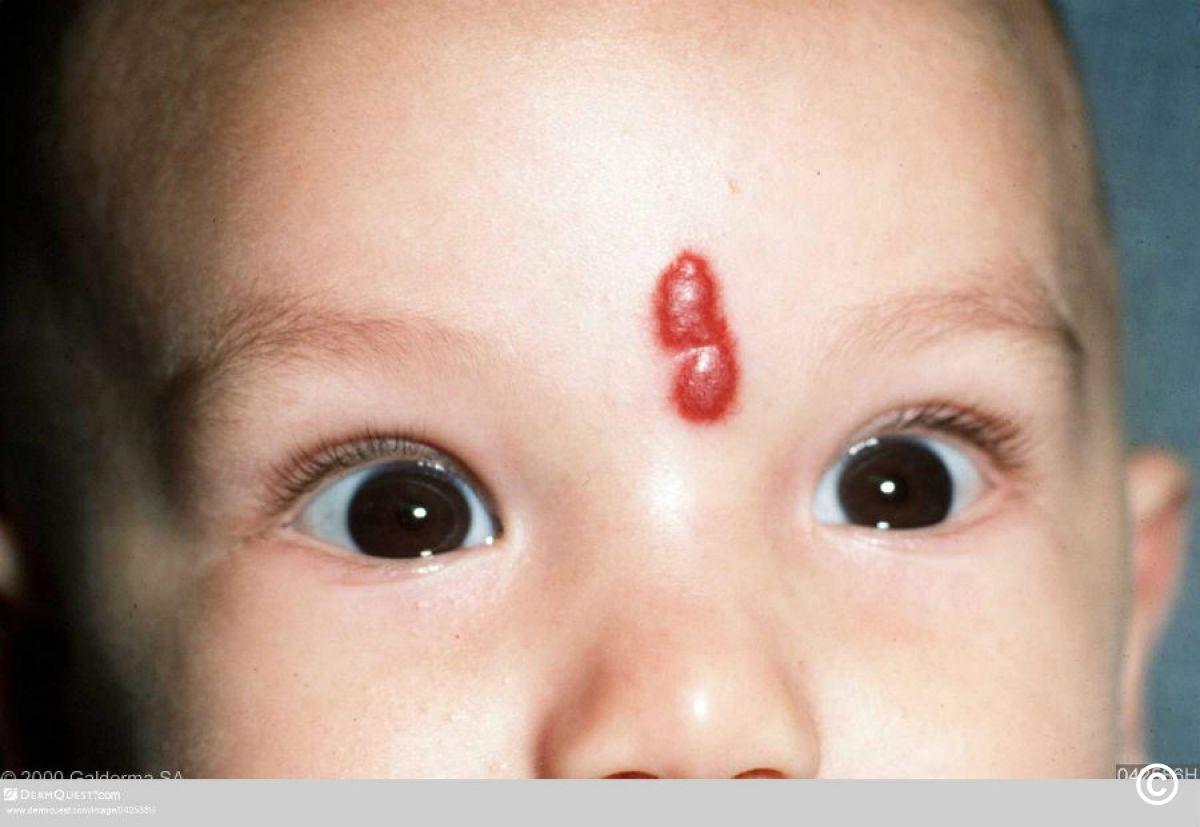
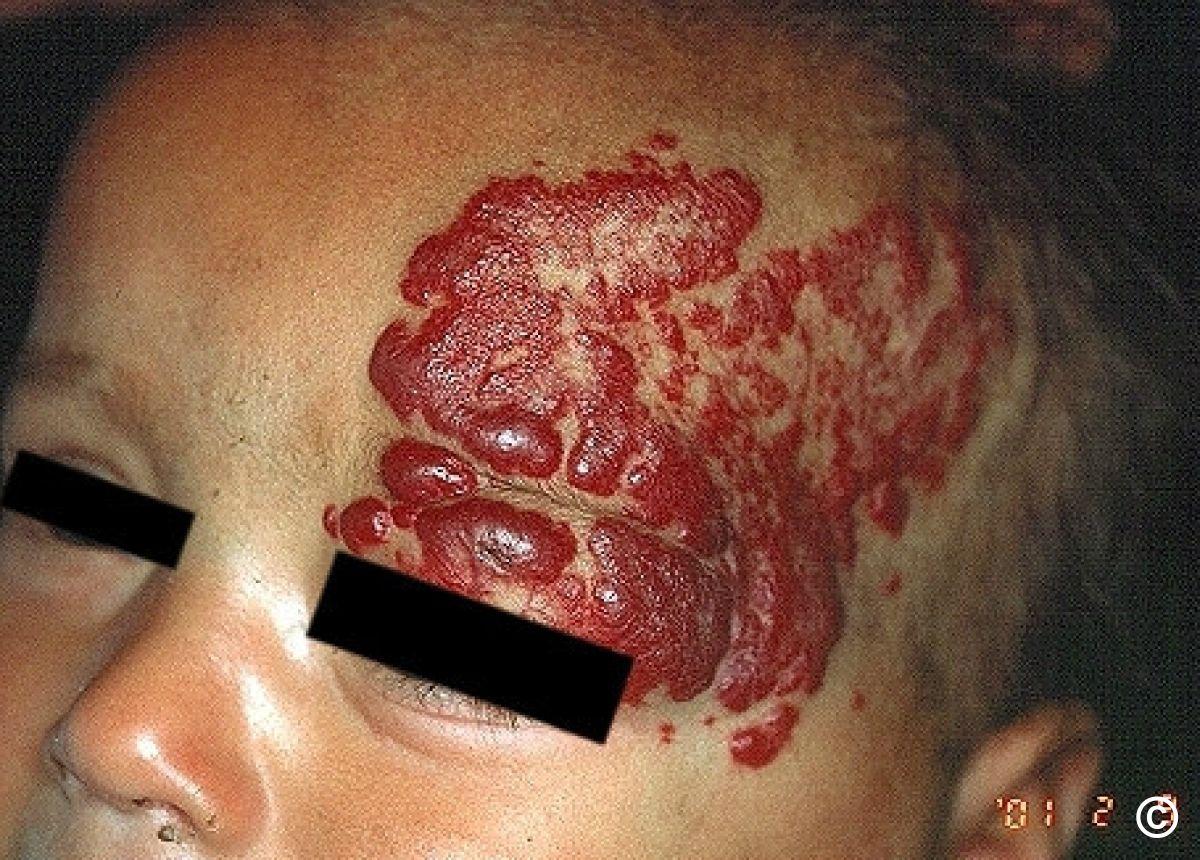
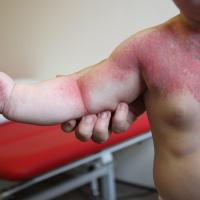
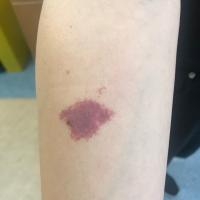
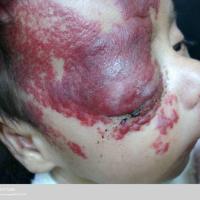
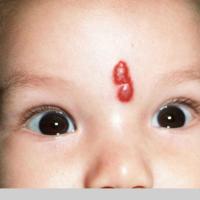
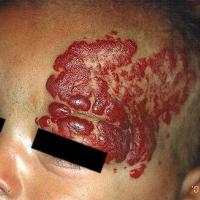
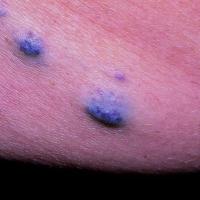
- For vascular lesions it is critical to differentiate infantile haemangioma from all other types. This almost always has a classical history of not being present at birth, or if present as a very subtle mark, with appearance and/or sudden growth from around week two of life until up to 1 year (maximum growth usually in the first 6 months). These then stabilise and gradually regress. These may need treatment if the infantile haemangioma has grown or is likely to grow into or within an important structure (e.g. eye, nose, mouth, genitalia etc). If the vascular lesion does not have that classic history, even if it looks very much like what you think is an infantile haemangioma, always refer it for an opinion, as there are many mimics of IH. For any vascular birthmark remember to examine the whole cardiovascular system. The chapter Vascular anomalies provides a classification of vascular lesions, both congenital and acquired
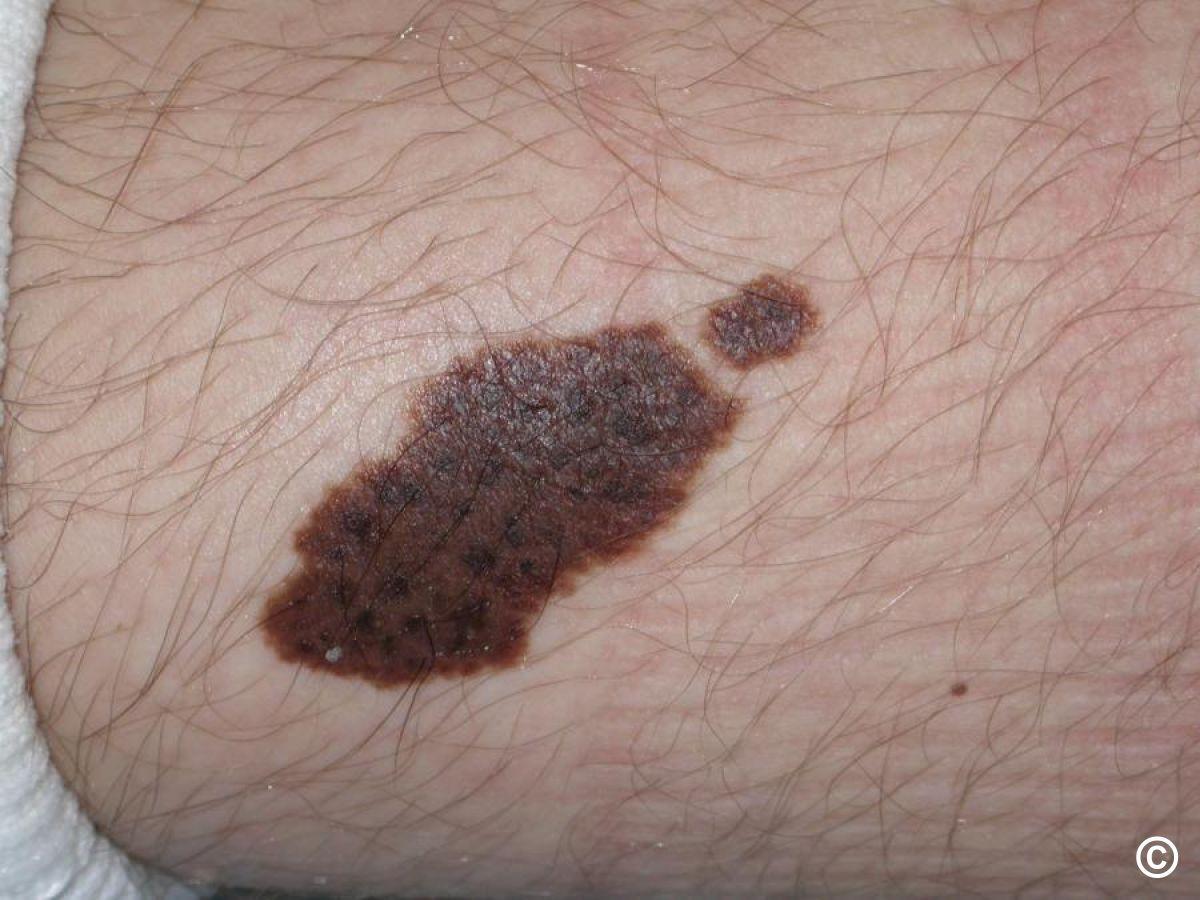
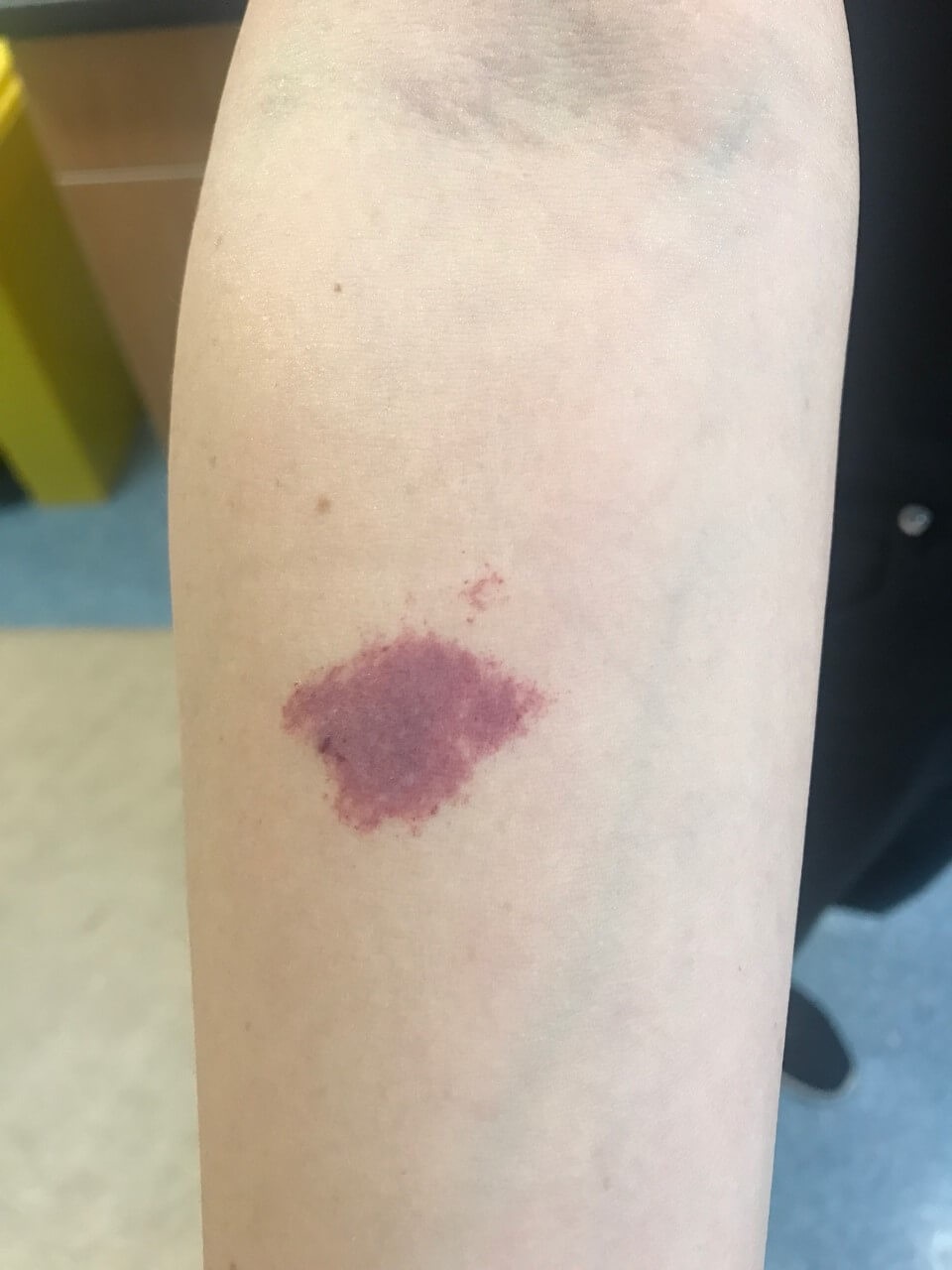
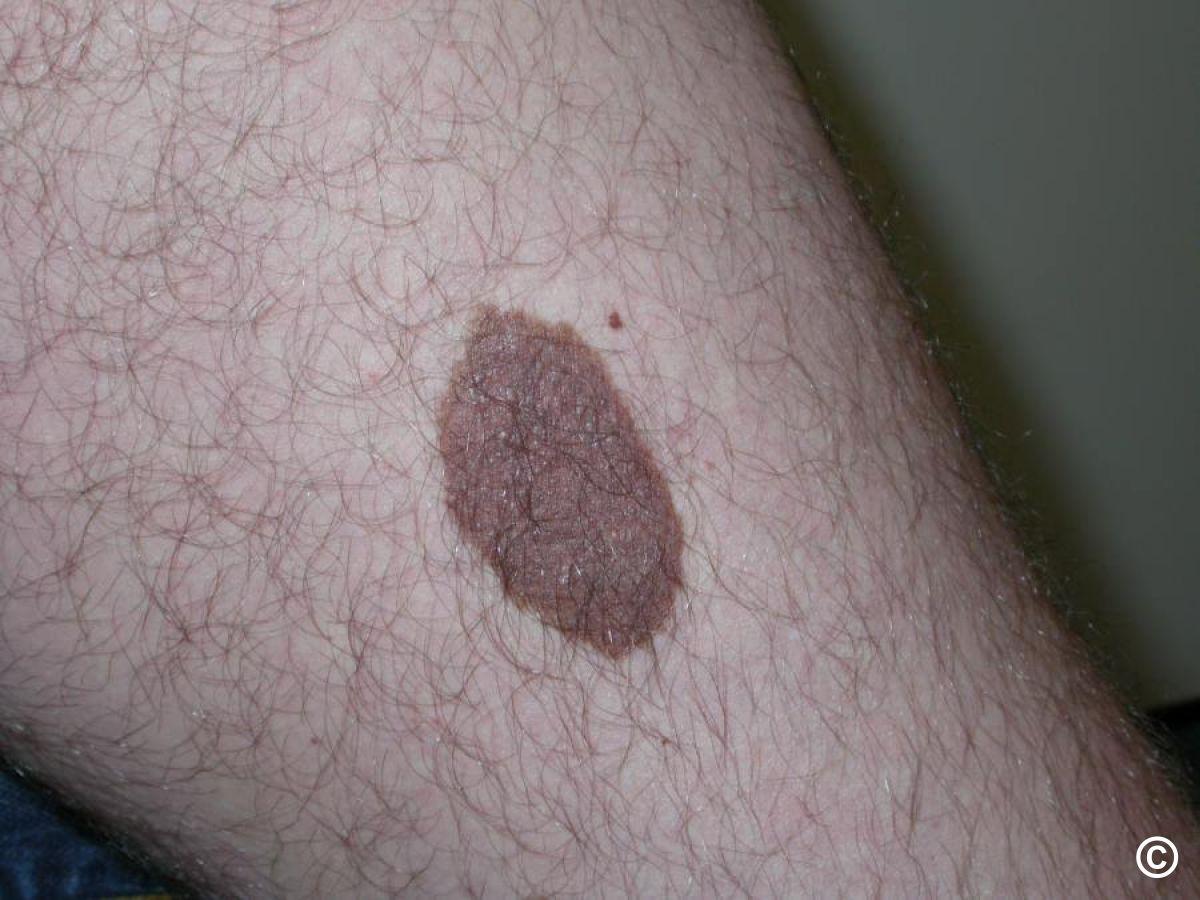
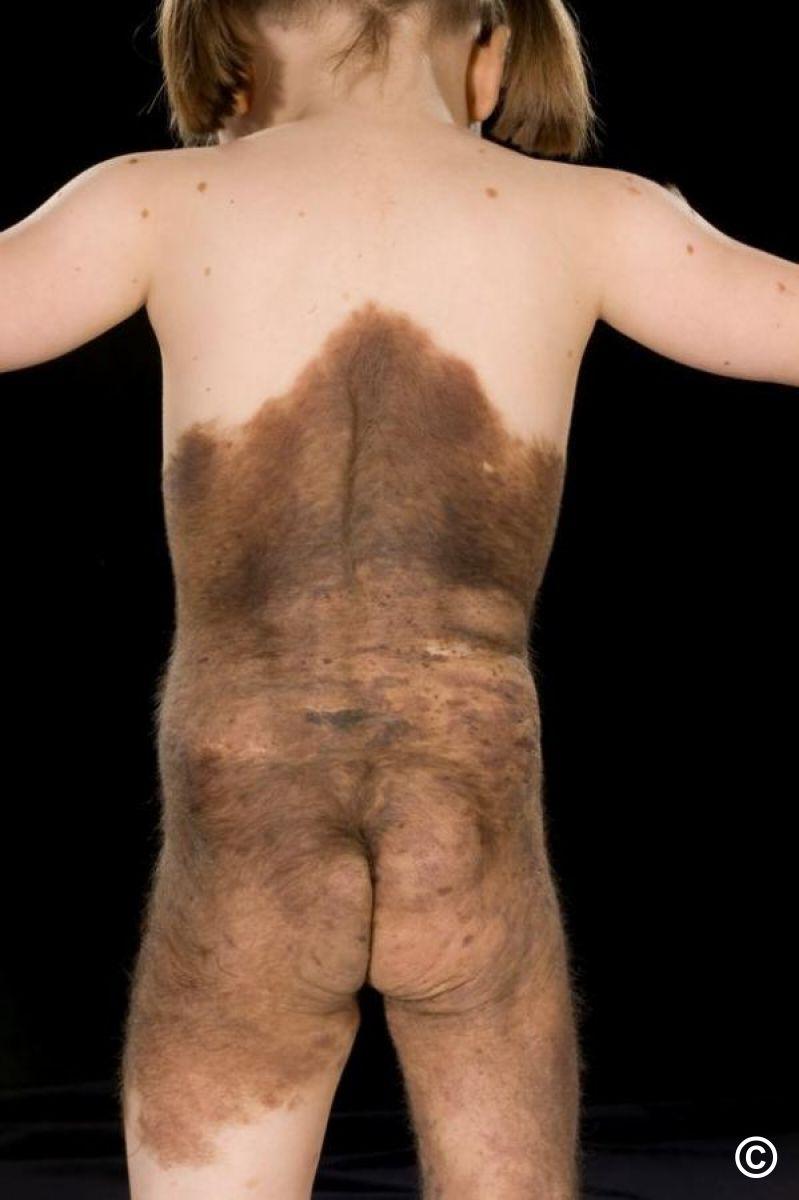
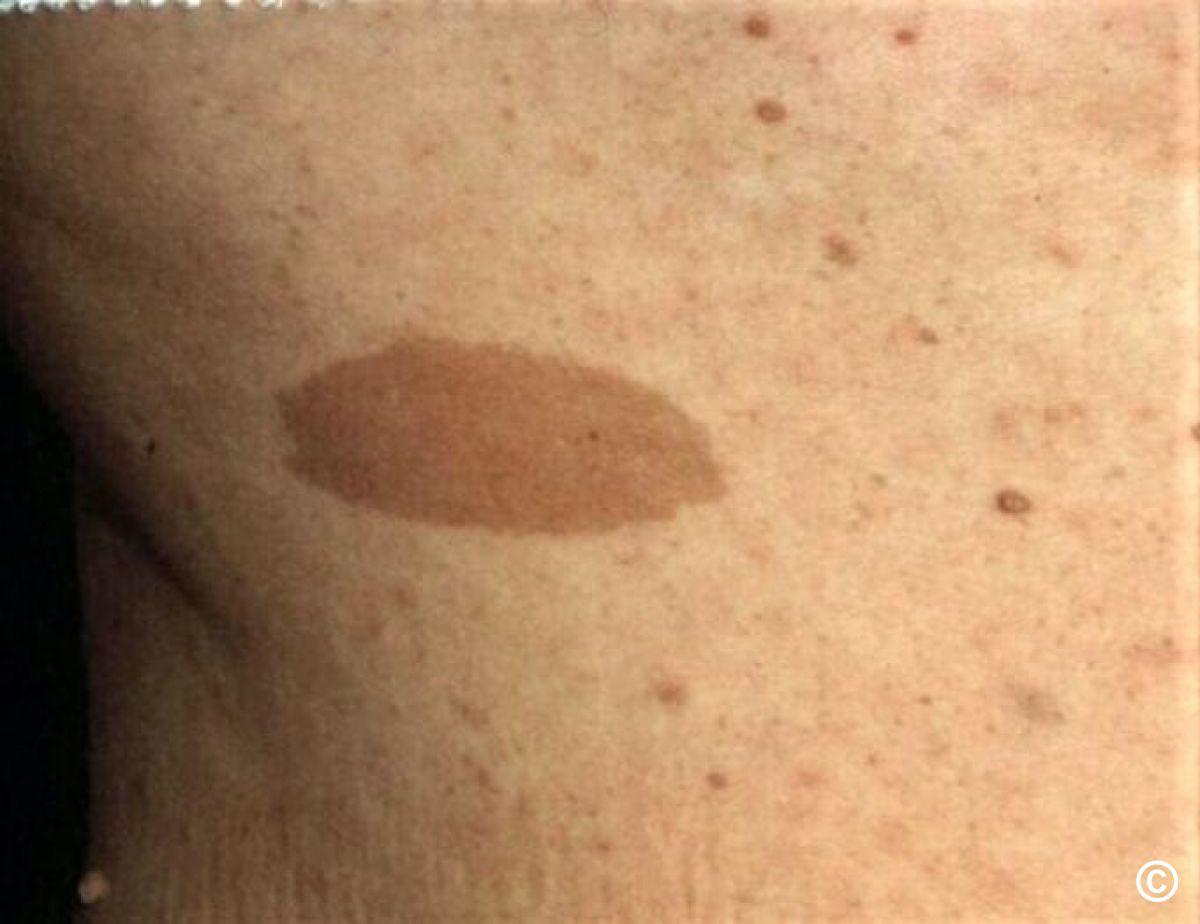
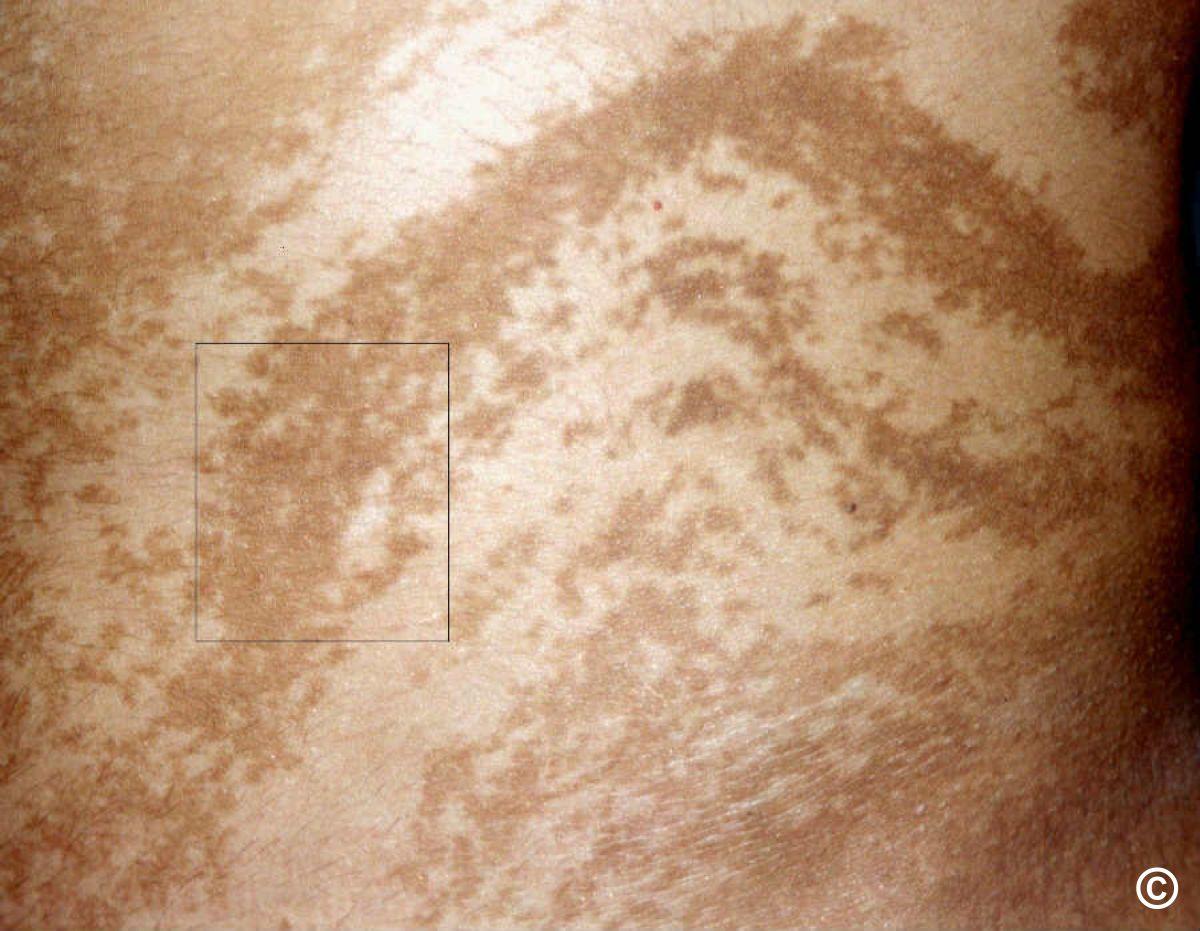
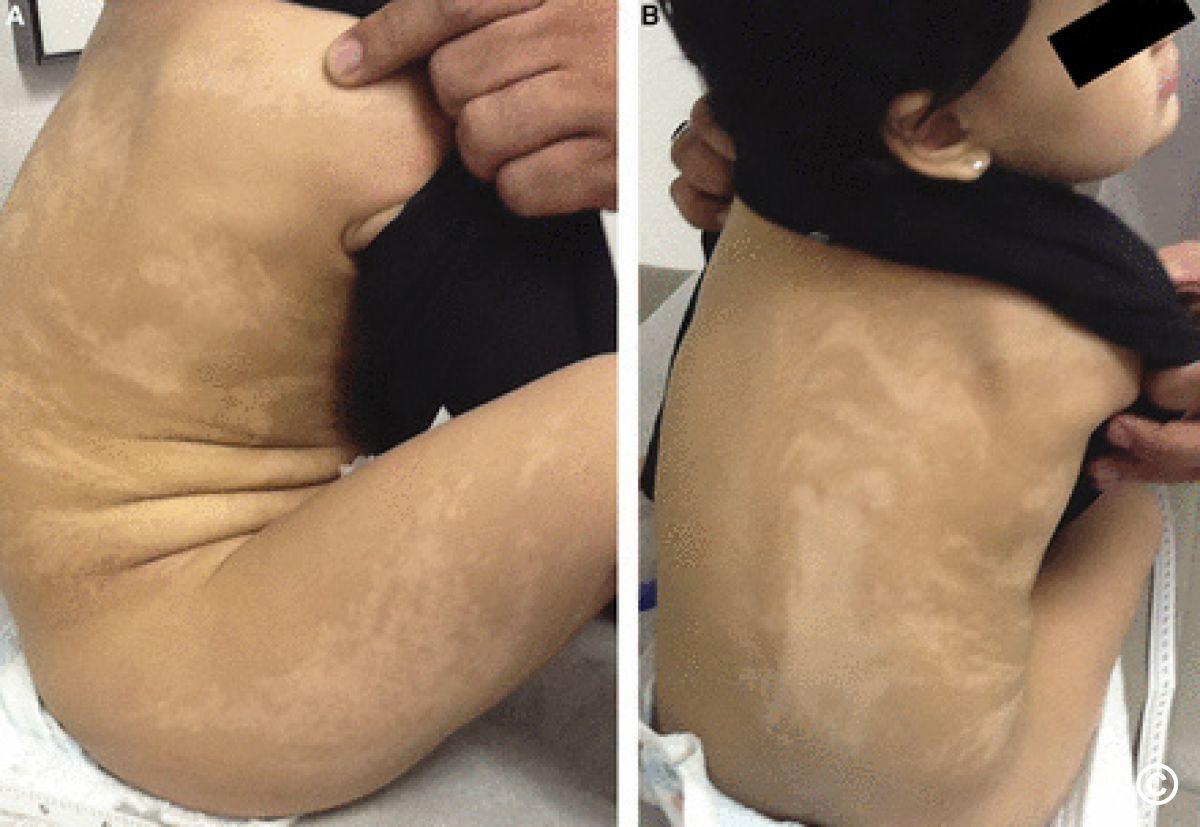
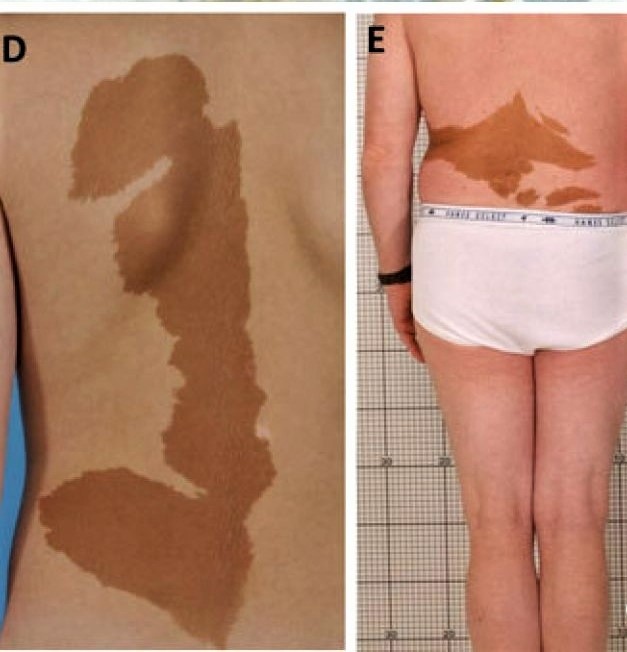
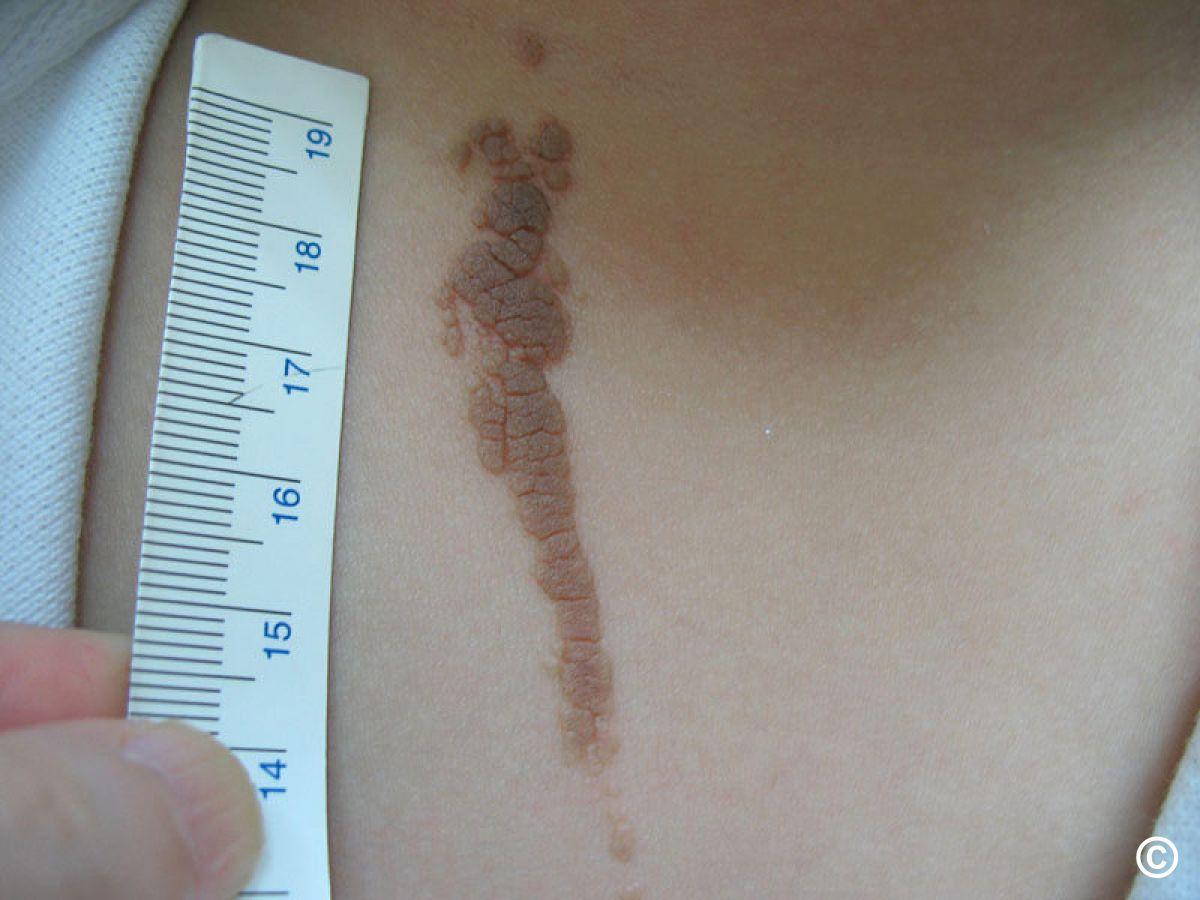
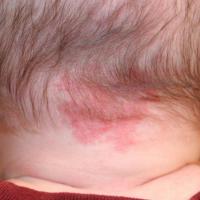
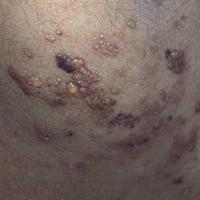
- For pigmentary lesions it is helpful to differentiate between entirely flat lesions (macular, either hyper- or hypo- or depigmented) and those which are raised (which are likely to be types of naevi). Description of the distribution and pattern of these lesions can also be very helpful, for example whether something is Blaschkolinear, or quadrilaterals with midline cut-offs, or circular/ovoid. Most importantly however is to examine not only the skin but the whole child for signs of abnormalities elsewhere
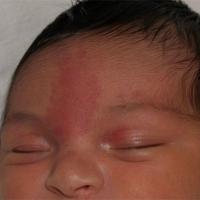
Clinical Images
Please refer to notes on image rights at bottom of the page with regards to individual image
ownership.
1
2
3
4
5
6
7
8
9
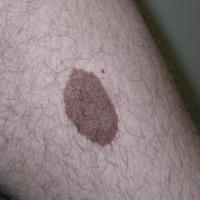
10
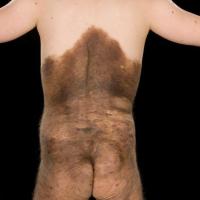
11
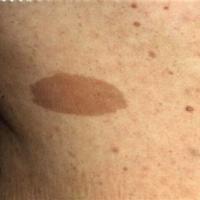
12
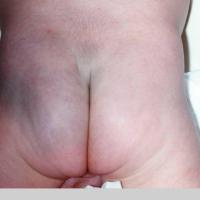
13
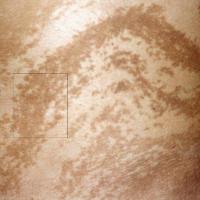
14
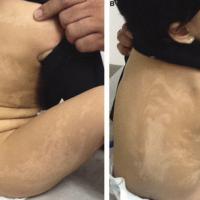
15
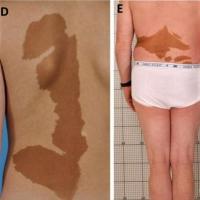
16
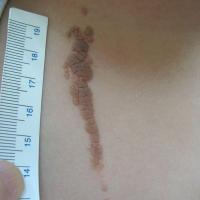
17
Investigations
- Investigations depend on the type of birthmark, and within a particular type there are different rules for which investigations to undertake. Where guidelines exist on investigations these have recently been summarised in this open access paper
Management
Vascular lesions
- A few key things not to miss in the first few days of life - same day opinion required:
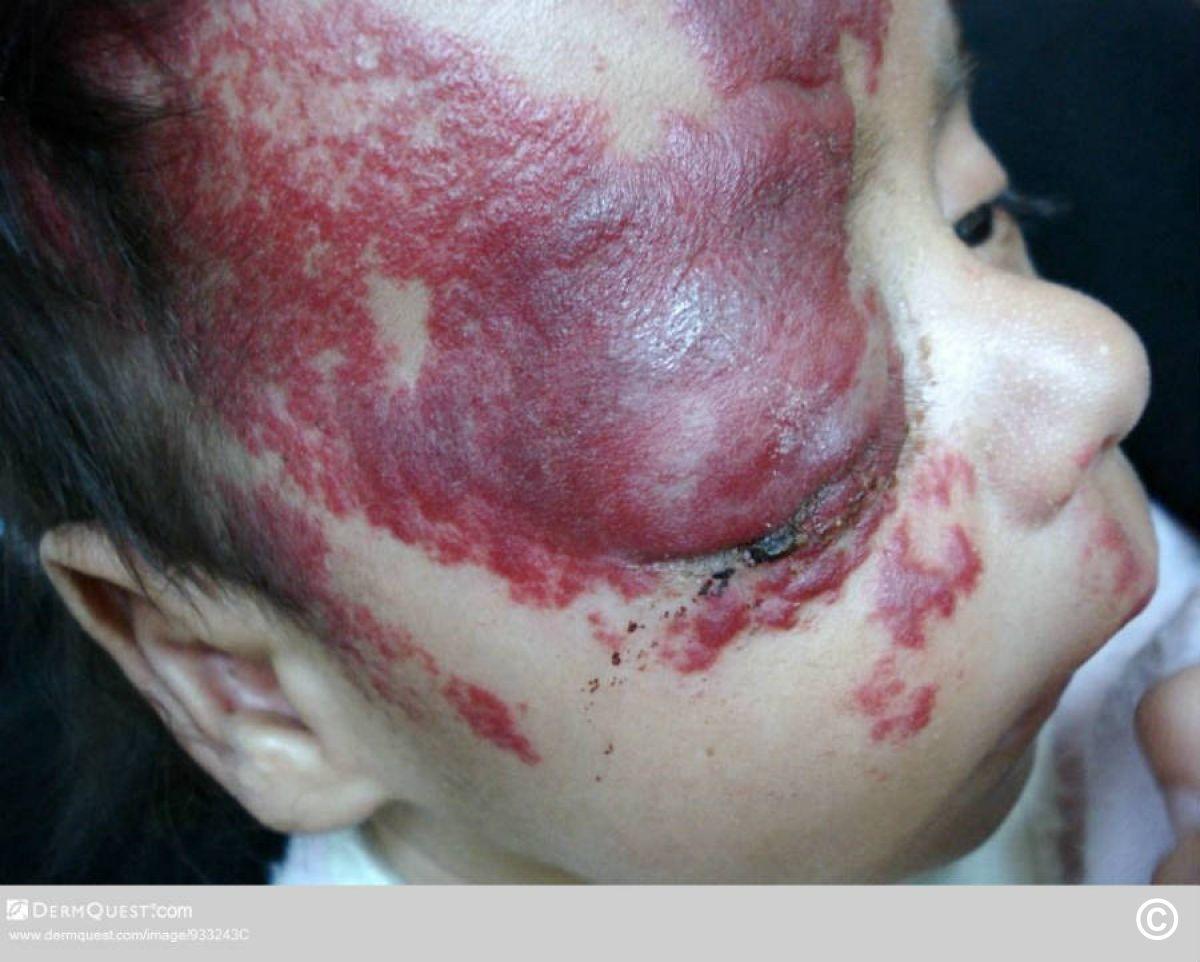
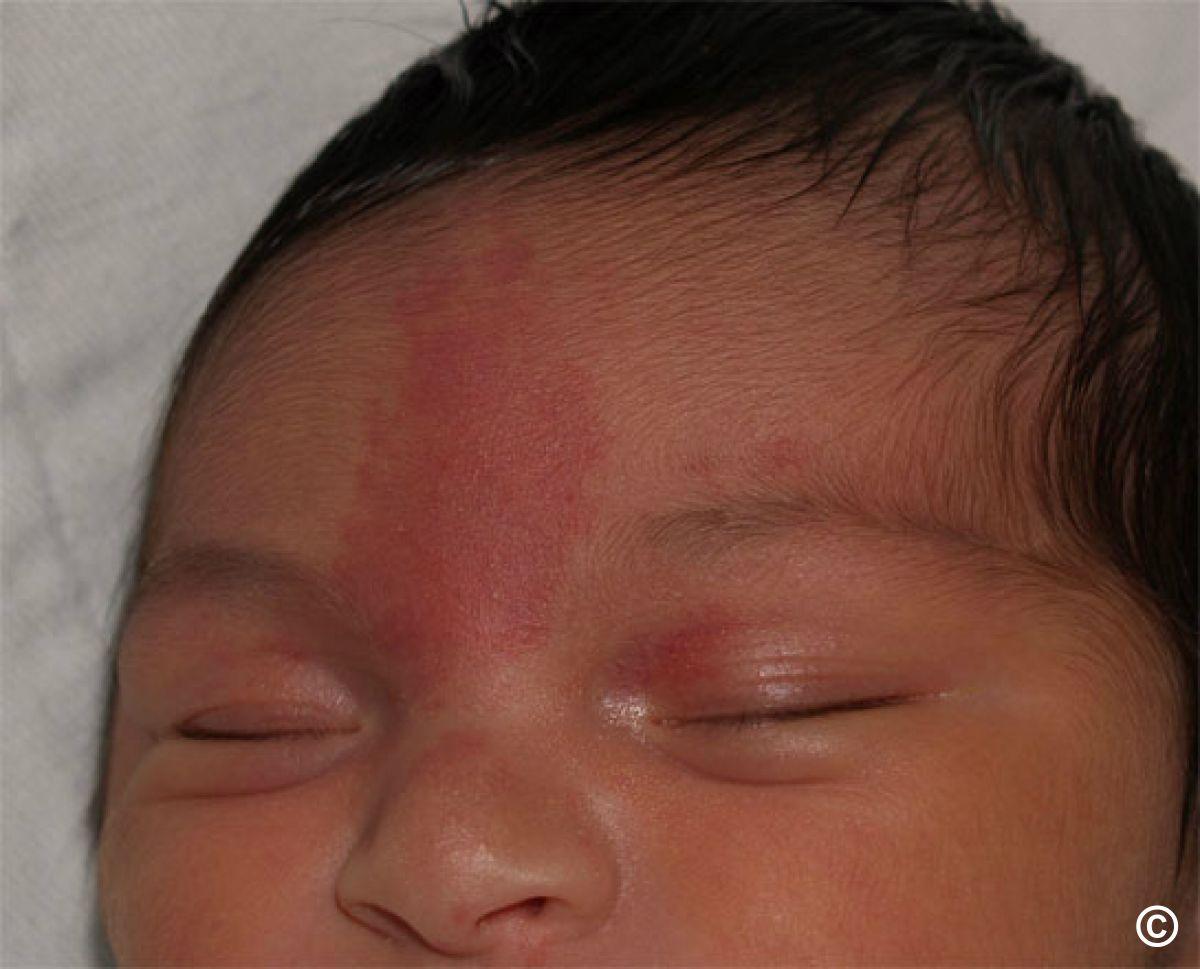
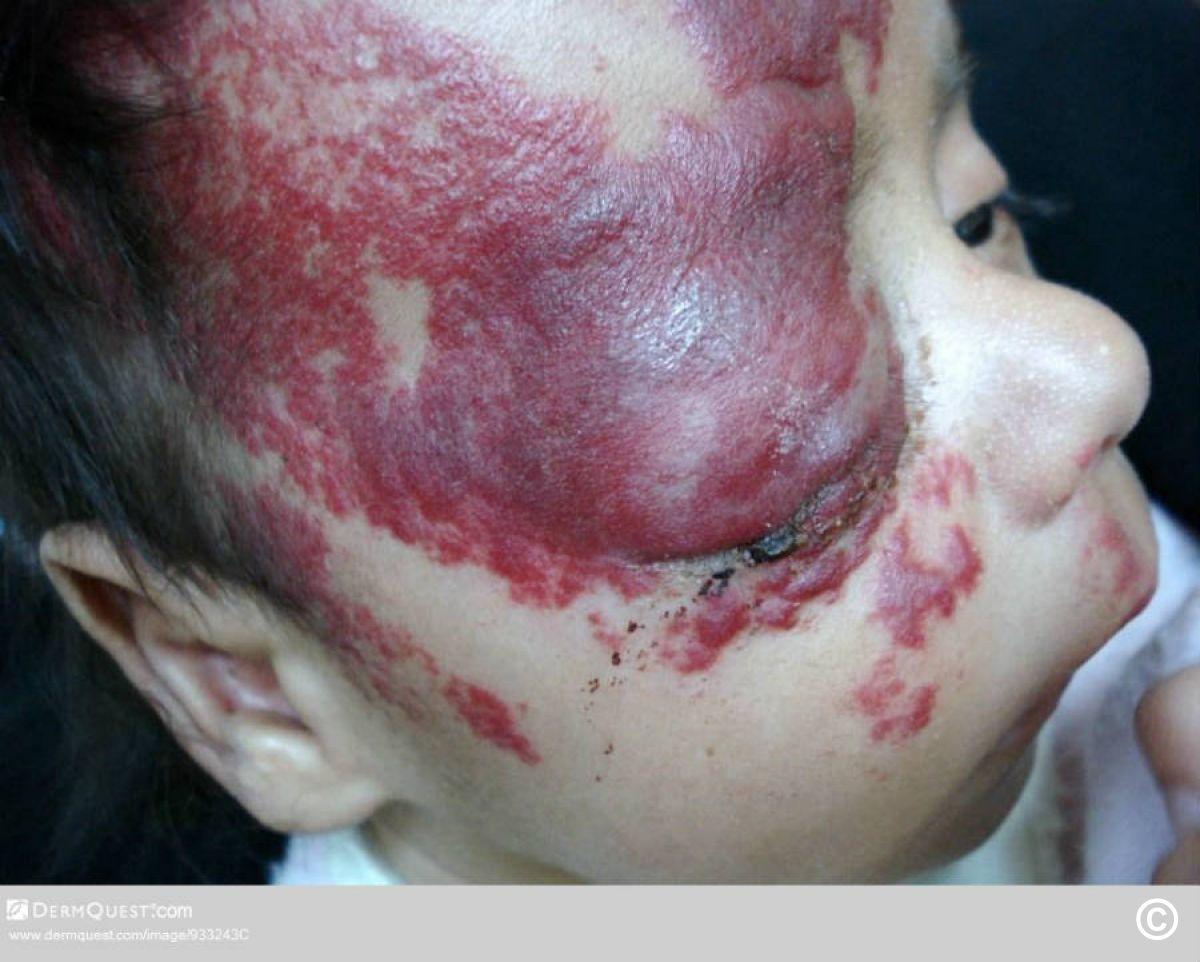
- Capillary malformations which affect the forehead (excluding typical salmon patches), including the upper eyelid and anything above a line that can be drawn from the eye to the top of the ear. These children require an urgent ophthalmology opinion to look for glaucoma which can be congenital and lead to loss of sight. Also, any birthmark which seems to involve the eye itself, or to traverse the eye, should be referred for an urgent ophthalmology opinion
- Vascular or lipomatous birthmarks across the bottom of the spine can sometimes be associated with underlying abnormalities of the spinal cord, requiring an urgent opinion. Lesions under the chin can have laryngeal and other systemic involvement, and scalp lesions can be associated with intracranial complications
- Infantile haemangiomas that have grown or are likely to grow into or within an important structure such as the eye, nose, mouth, and genitalia
- Arteriovenous malformations (AVMs) - these are rare, fast-flowing vascular lesions with direct connection of arterial and venous vessels. Most cutaneous AVMs occur in the head and neck region, especially the cheek, becoming clinically apparent sometime between birth and adolescence. Lesions are palpable, feel warmer than the surrounding skin, can be pulsatile, and may have an audible bruit
In general, children with multiple and/or extensive vascular lesions are best referred. For more detail, refer to the related chapters:
Pigmented / hypopigmented lesions
- For the reasons cited below it is advisable as a general rule to refer cases of large, multiple (three or more), or atypical looking (eg in a Blaschkoid distribution) birthmarks, to a Paediatric Dermatologist to direct further investigation and management:
- This is a rapidly evolving field and the guidelines for who to investigate change regularly
- Some birthmarks may be associated with CNS abnormalities irrespective of the physical location of the birthmark - for example children with multiple congenital melanocytic naevi (more than one at birth, any size or site) should be referred for MRI of the brain and whole spine, and associated abnormalities are not associated with the site of the birthmarks
- Inherited mutations - the sporadic birthmarks caused by genetic events in utero are not by definition inherited from parents, so should have a very low (never zero) risk of reoccurrence in another sibling in the family. However, there is sometimes the possibility of the affected individual passing on the genetic mutation to their own offspring, and if this happens it will be to the whole of the offspring, in a heterozygous germline state. Therefore, even if an individual with birthmarks is well, in some cases (depending on the type of birthmark and the individual’s own mutation) there is a risk of having children with a genetic disease because of the mosaicism. A Paediatric Dermatologist or Clinical Geneticist with a knowledge of mosaicism will be able to advise on this. This does obviously not apply for self-resolving birthmarks such as infantile haemangioma or others not due to genetic mutations
- For more detail refer to the related chapters:
Referral not required
Examples include:
- Typical salmon patches
- Uncomplicated infantile haemangiomas
- Small-moderate sized congenital melanocytic naevi
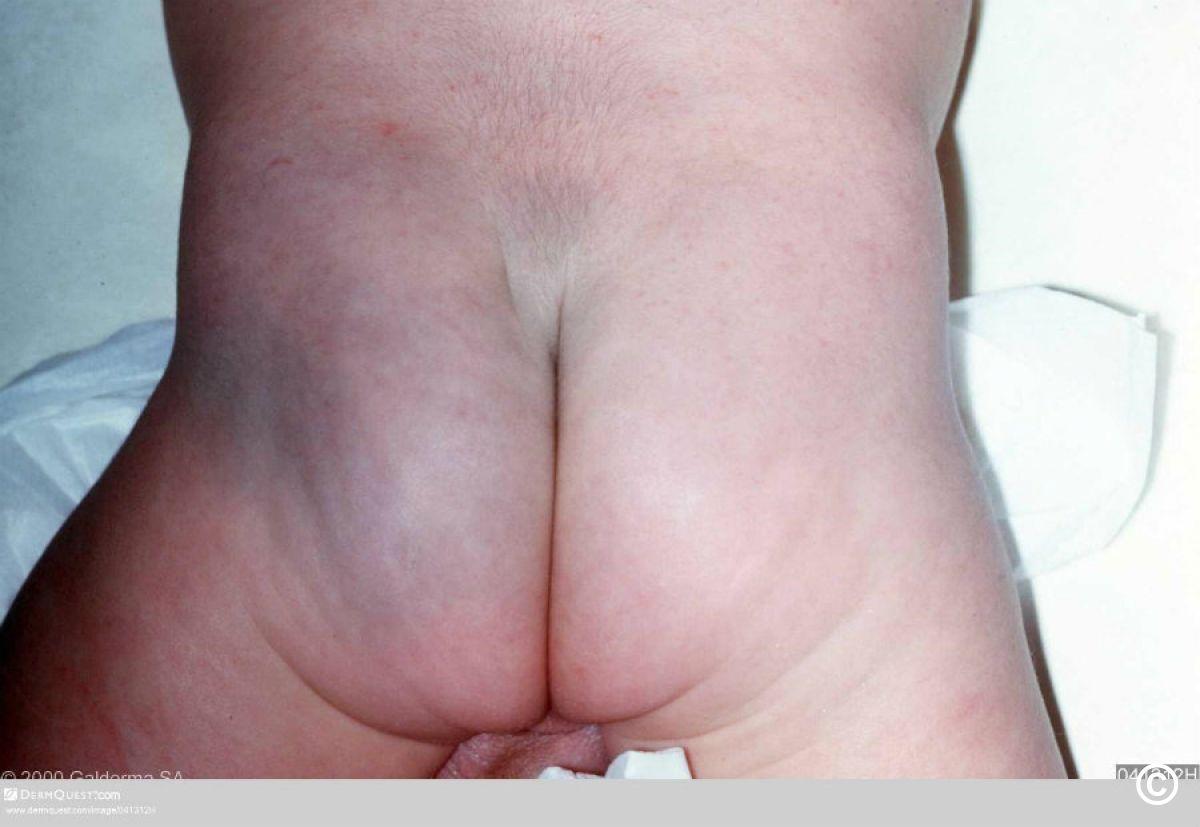
- Congenital dermal melanocytosis confined to the buttocks / lumbo-sacral skin
Other resources
Disclaimer - the author PCDS cannot accept responsibility for any misleading or incorrect statements, and the management of individual patients remains the direct responsibility of the individual doctor. We do however hope that visitors to this site can contact us regarding comments that are considered misleading or incorrect so that we can continue to improve the site.
Image Rights - The PCDS would like to thank Dermatoweb, DermQuest (Galderma), and others who have contributed images. All named individuals and organisations maintain copyright for the relevant images.