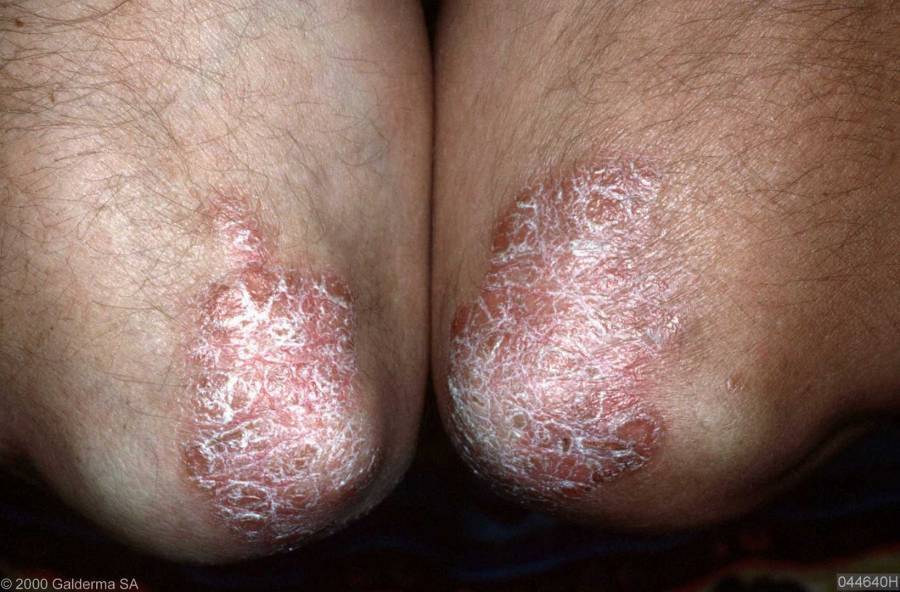
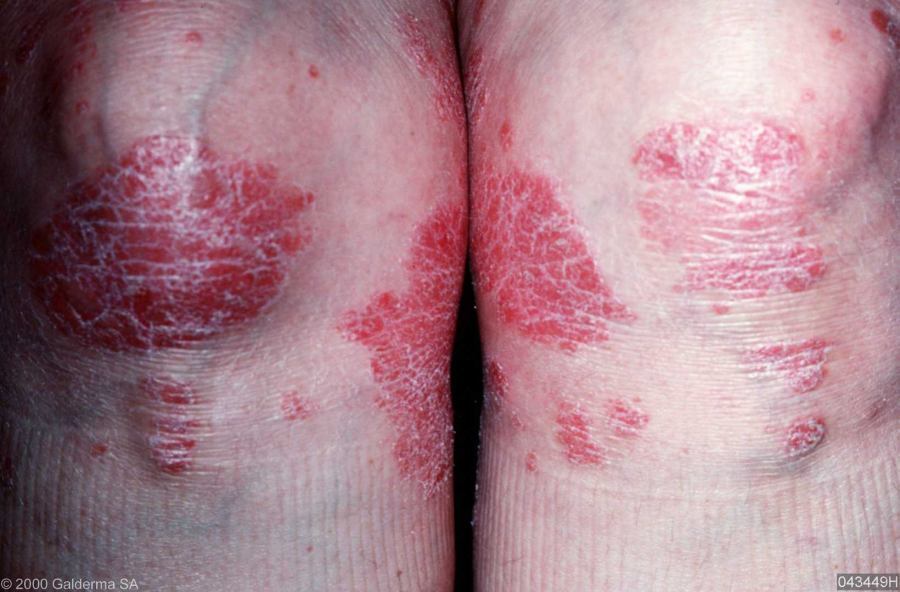
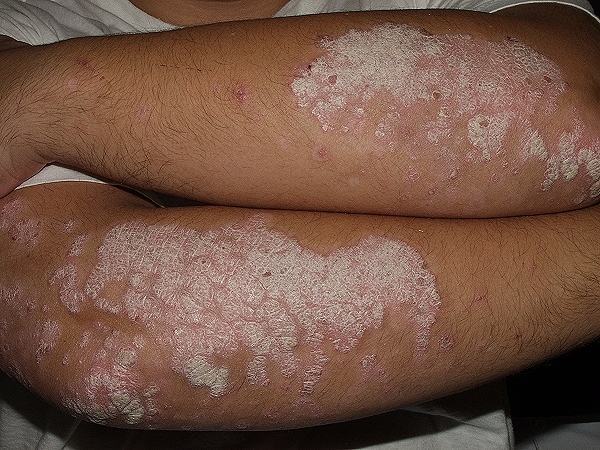
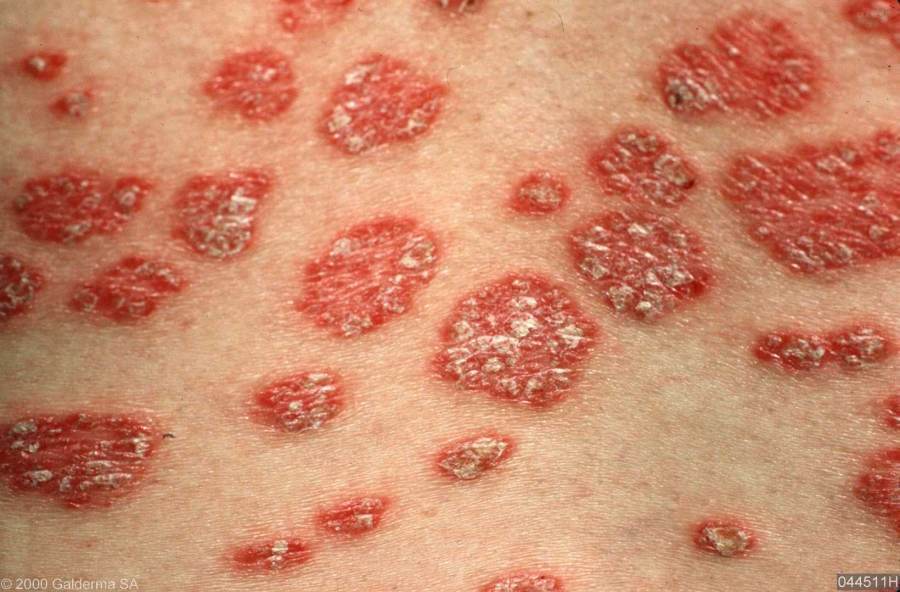
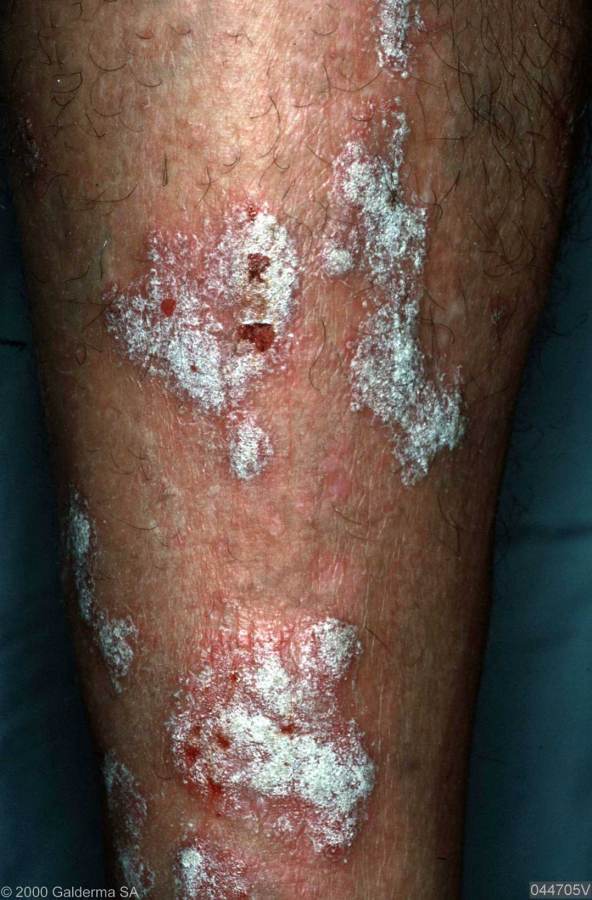
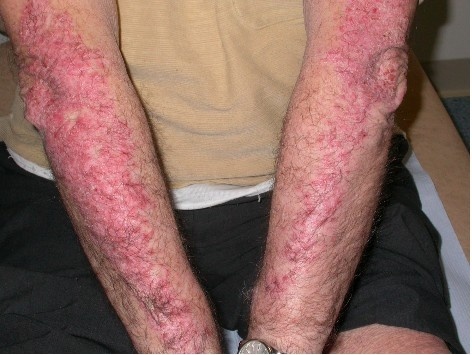
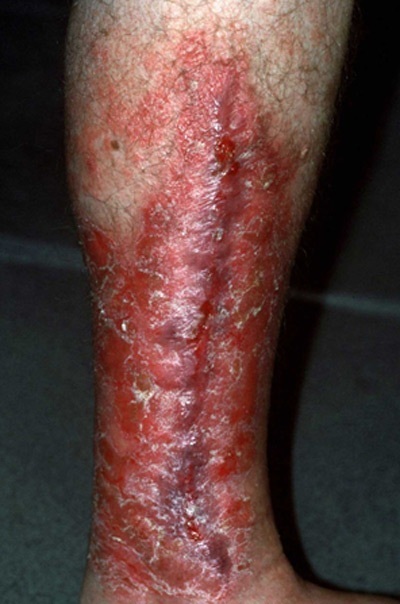
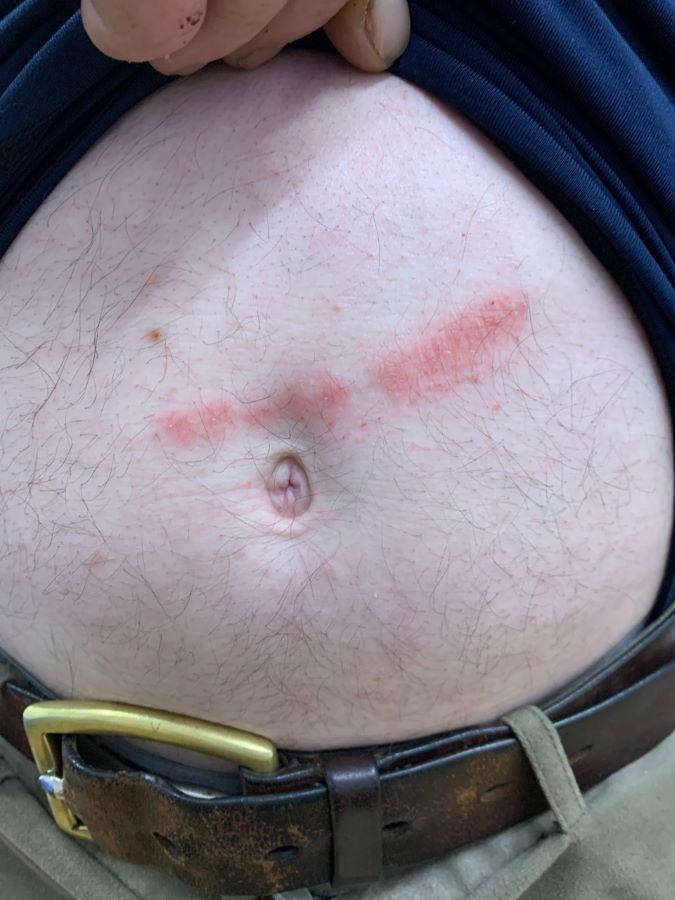
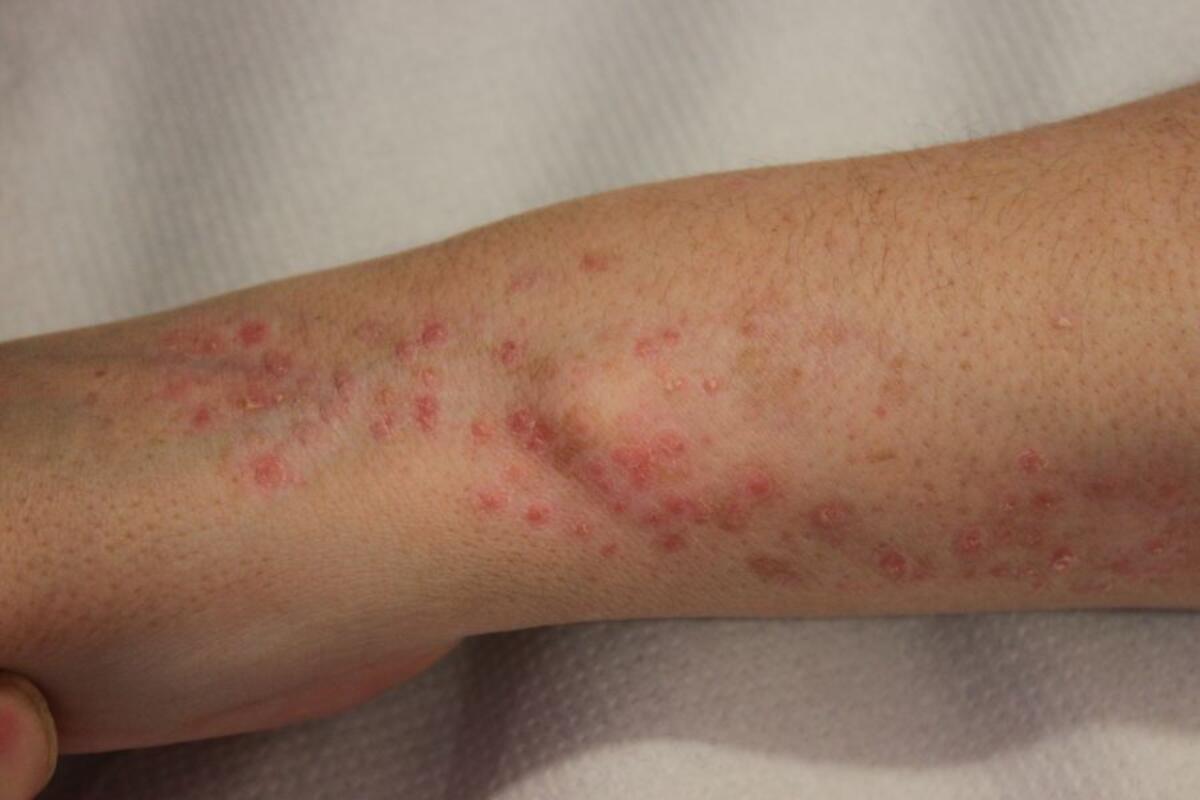
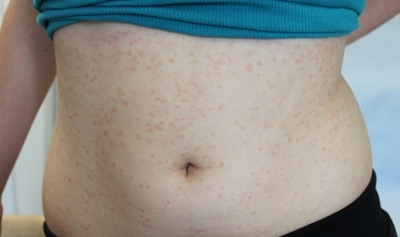
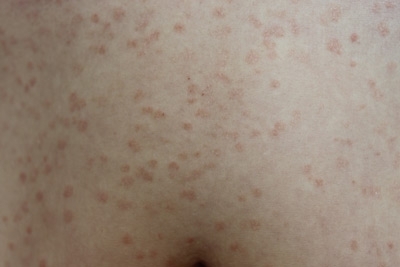
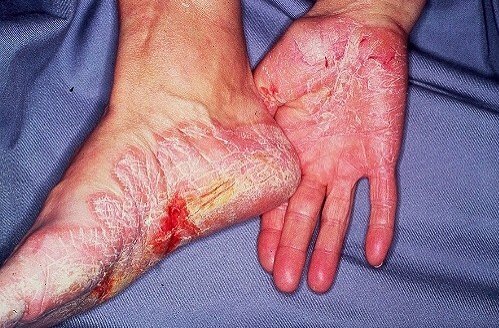
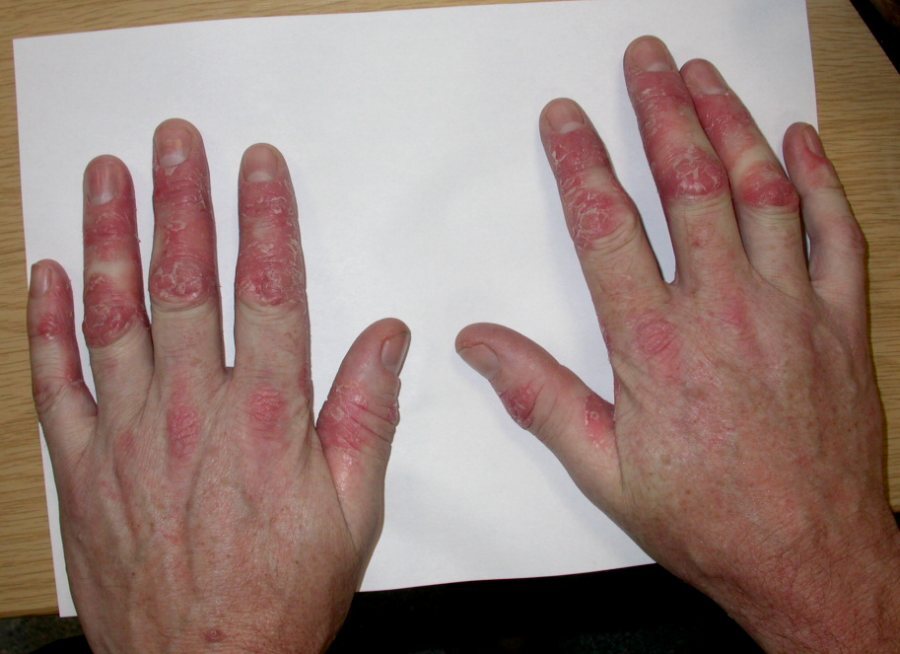
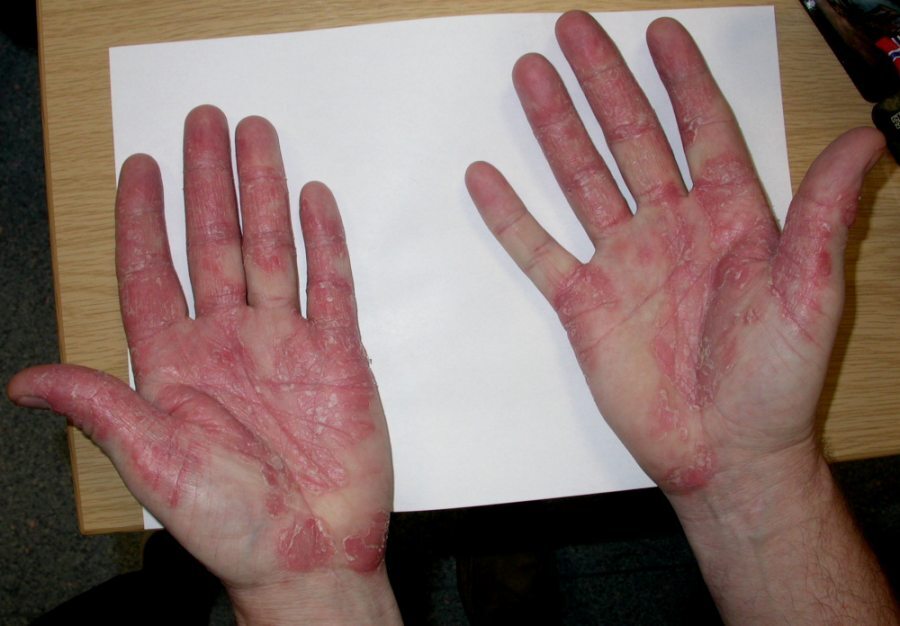
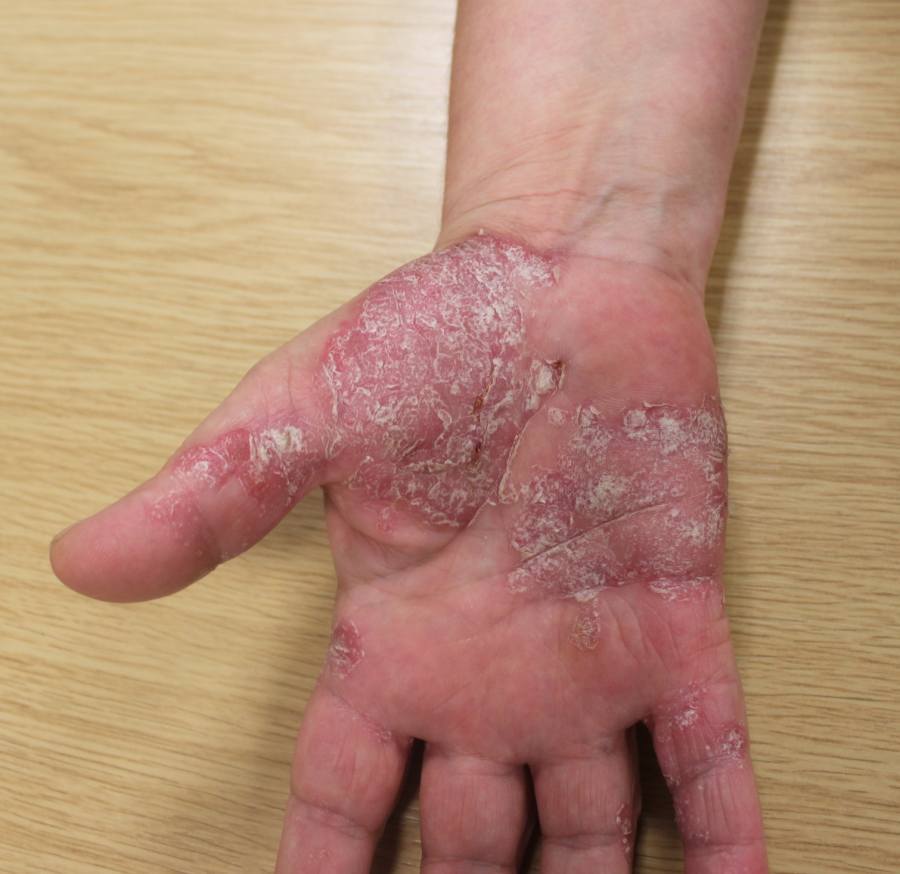
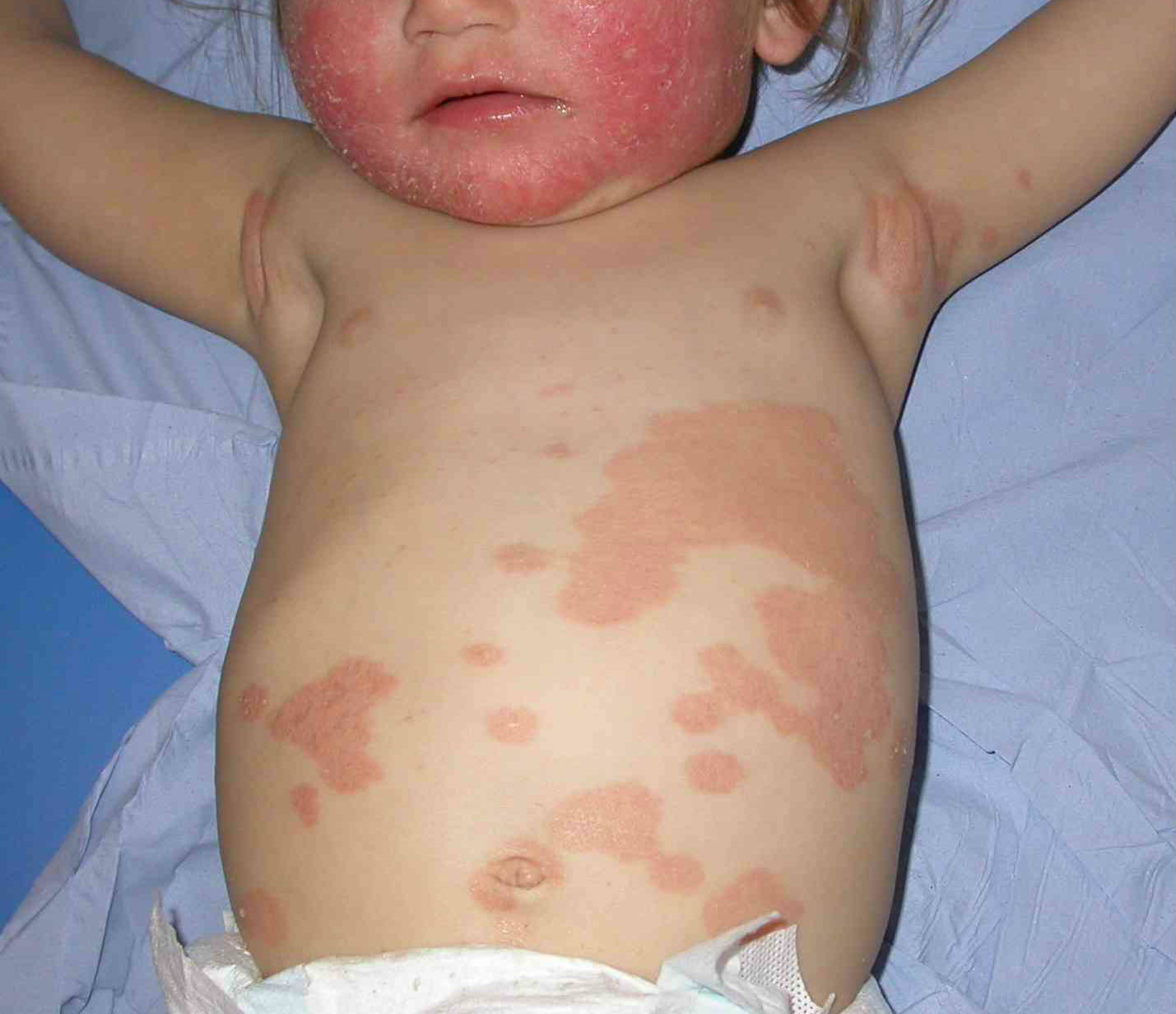
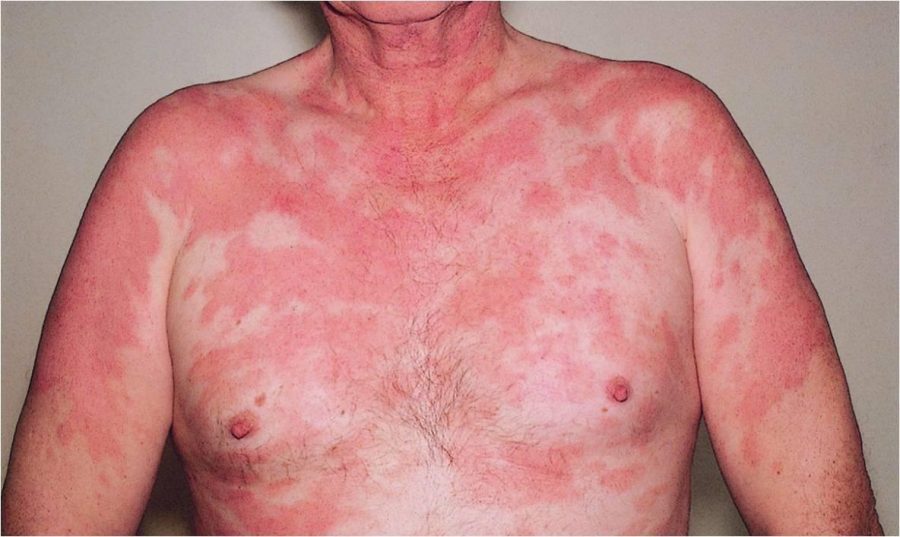
Psoriasis is a common, genetically determined, inflammatory and proliferative disorder of the skin, the most characteristic lesions consisting of chronic, sharply demarcated, dull-red, scaly plaques, particularly on the extensor prominences and in the scalp. Morphological variants are common. An assessment of any patient with psoriasis should include disease severity, the impact of disease on physical, psychological and social well-being, whether they have psoriatic arthritis, and targeting modifiable risk factors for cardiovascular disease.
This chapter provides an overview of psoriasis and chronic plaque psoriasis, and is set out as follows:
It is uncommon in certain populations such as oriental people, native American Indians and West Africans
Both sexes are equally affected
Pathophysiology
Recent research suggests that psoriasis is an autoimmune disease
Abnormally large numbers of T-cells trigger the release of cytokines in the skin causing the inflammation, redness, itching and flaky skin patches characteristic of psoriasis
Aetiology
Genetic factors are important, especially in the younger age group - a family history is present in 40-50% of cases and up to 75% if onset is before age 20
There is a high concordance in monozygotic twins and lesser (15-20%) in dizygotic twins
Lifetime risk - 4% if no family history, 28% if one parent affected, 65% if both parents affected
Triggers
Stress - is strongly associated with psoriasis
Alcohol - heavy drinking is more common in patients with psoriasis. Excessive alcohol may have a direct effect on psoriasis, in addition, reduced compliance with treatment is likely to exacerbate symptoms
Smoking - is a risk for both palmoplantar pustulosis and chronic plaque psoriasis
Trauma - psoriasis can occur at the site of skin injury (Köebner phenomenon)
Streptococcal infection, especially of the throat is well known to provoke guttate psoriasis
Severe or recalcitrant psoriasis is an identified HIV indicator condition
Drugs - a wide range of drugs are said to aggravate psoriasis. The most notable associations include lithium, certain anti-malarials such as hydroxychloroquine, terbinafine, beta-blockers, TNF-inhibitors, and interferons
Pregnancy - if psoriasis alters it is more likely to improve in pregnancy but get worse postpartum
Sunlight - although sunlight is generally beneficial, a small minority have symptoms provoked by strong sunlight
History
Skin
Psoriasis may develop at any age although it most frequently presents in young adults as well as in the sixth and seventh decades
It is generally asymptomatic although some patients experience itch
Psoriatic arthropathy
Recent studies suggest that the prevalence of psoriatic arthritis in patients with psoriasis may be up to 30%
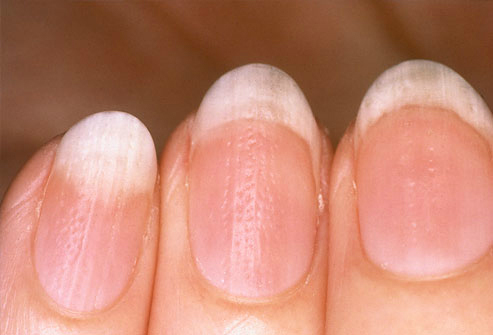
There is a strong link with nail disease
All patients should be assessed for psoriatic arthropathy (for example by using the PEST score) at the time of diagnosis of psoriasis, and then annually - early intervention can reduce joint damage. Refer to related chapter on Psoriatic arthritis for more information
Clinical findings
Distribution of plaques
Symmetrical
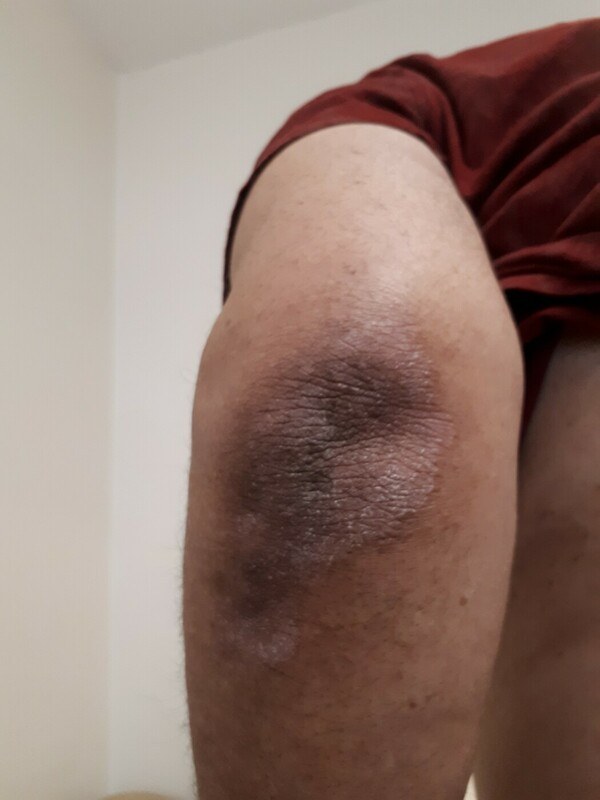
Extensor surfaces or can be widespread
Morphology
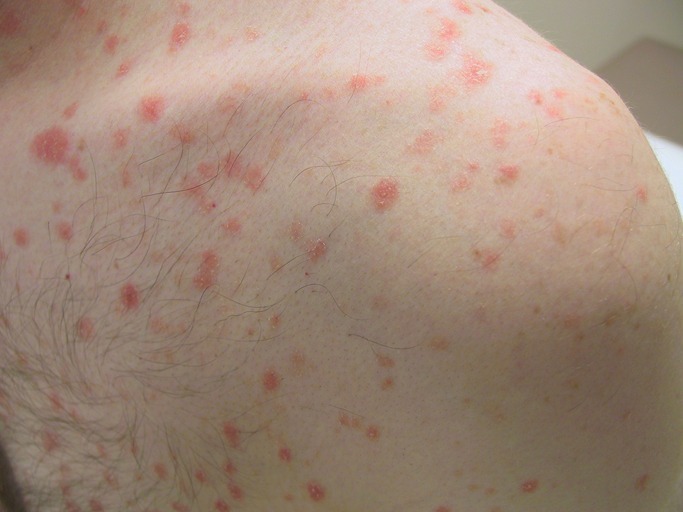
Most cases of chronic plaque psoriasis are described as large plaque psoriasis or small plaque psoriasis
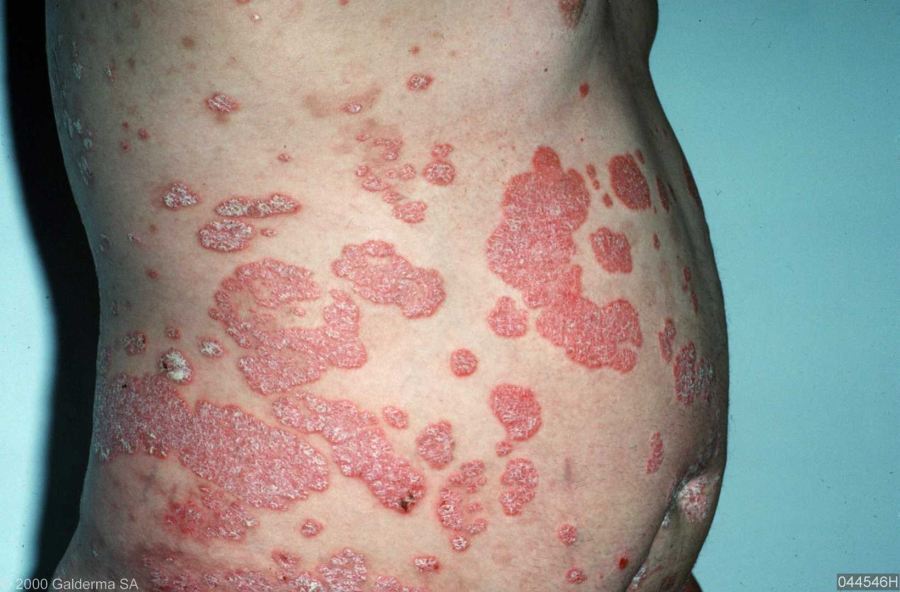
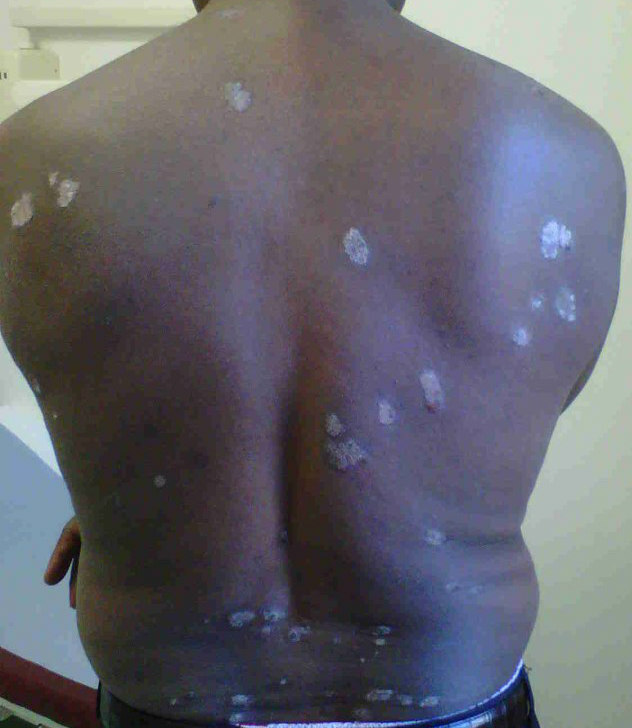
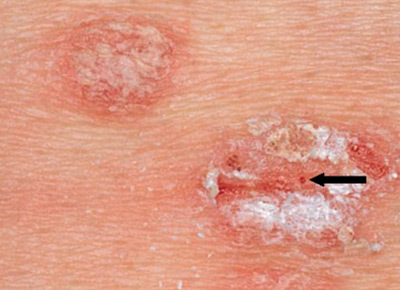
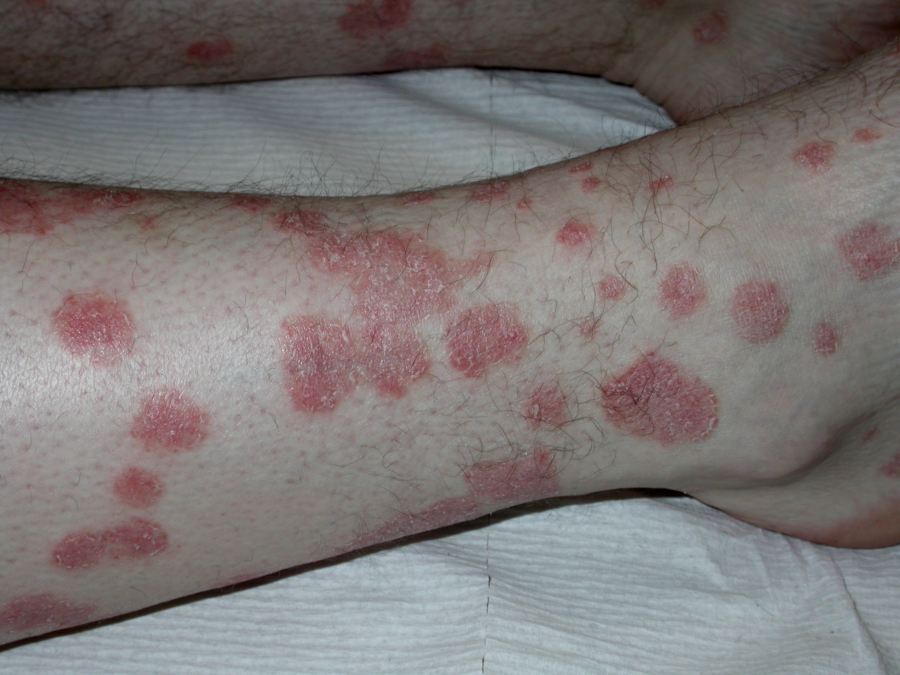
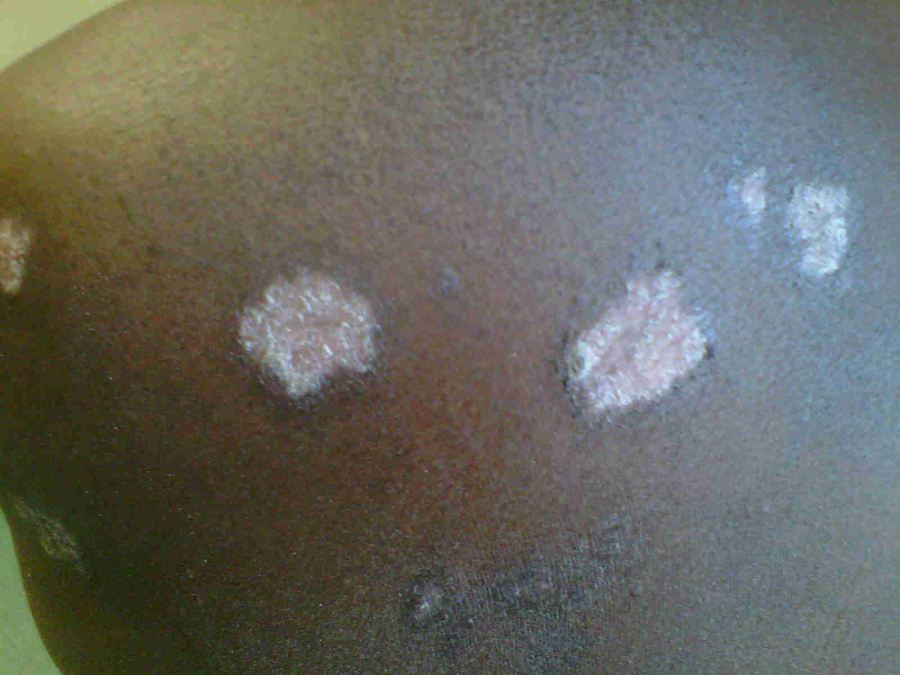
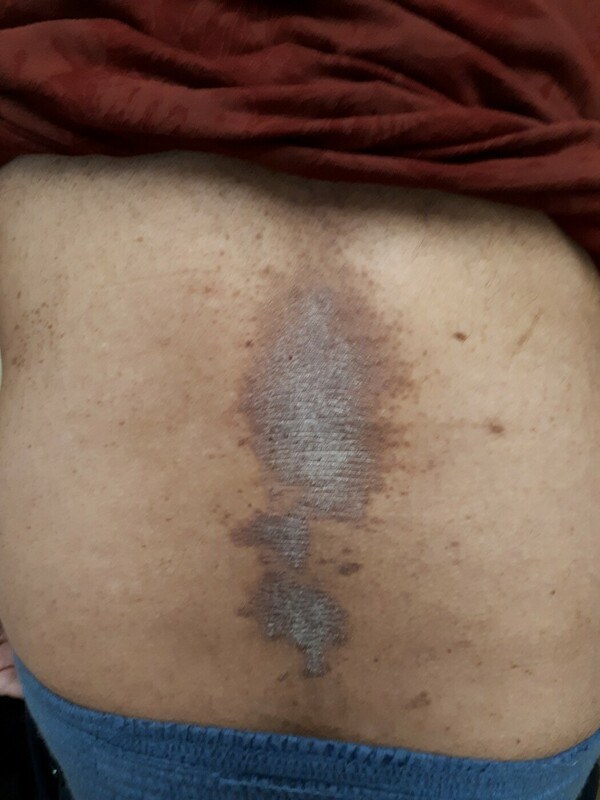
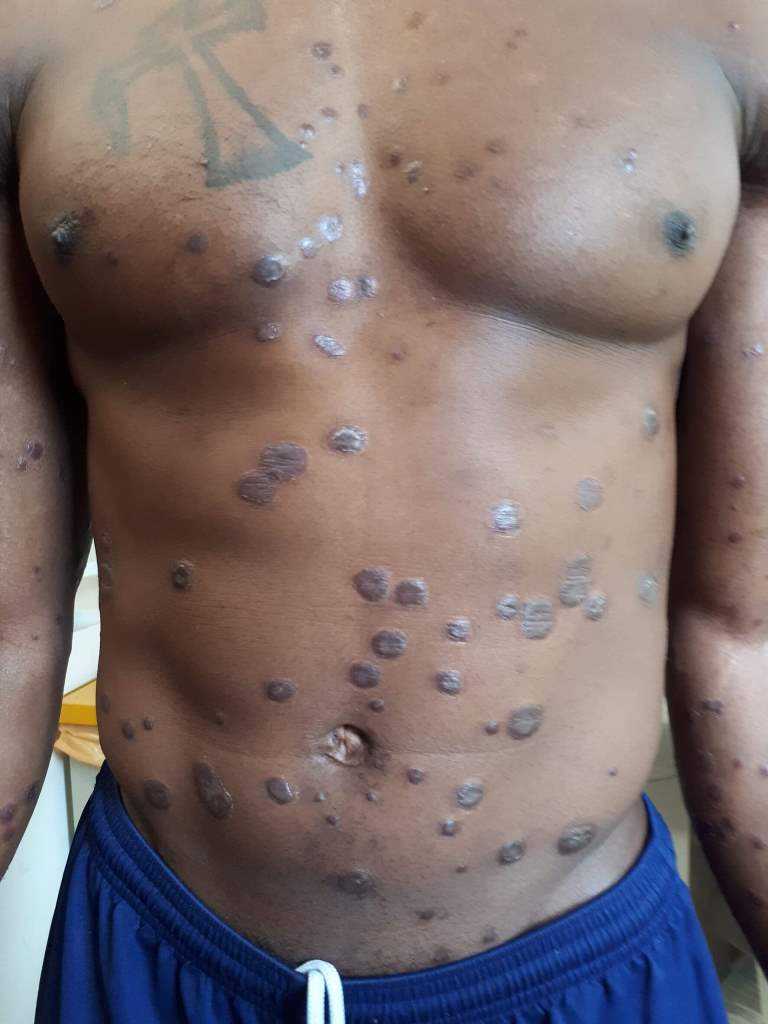
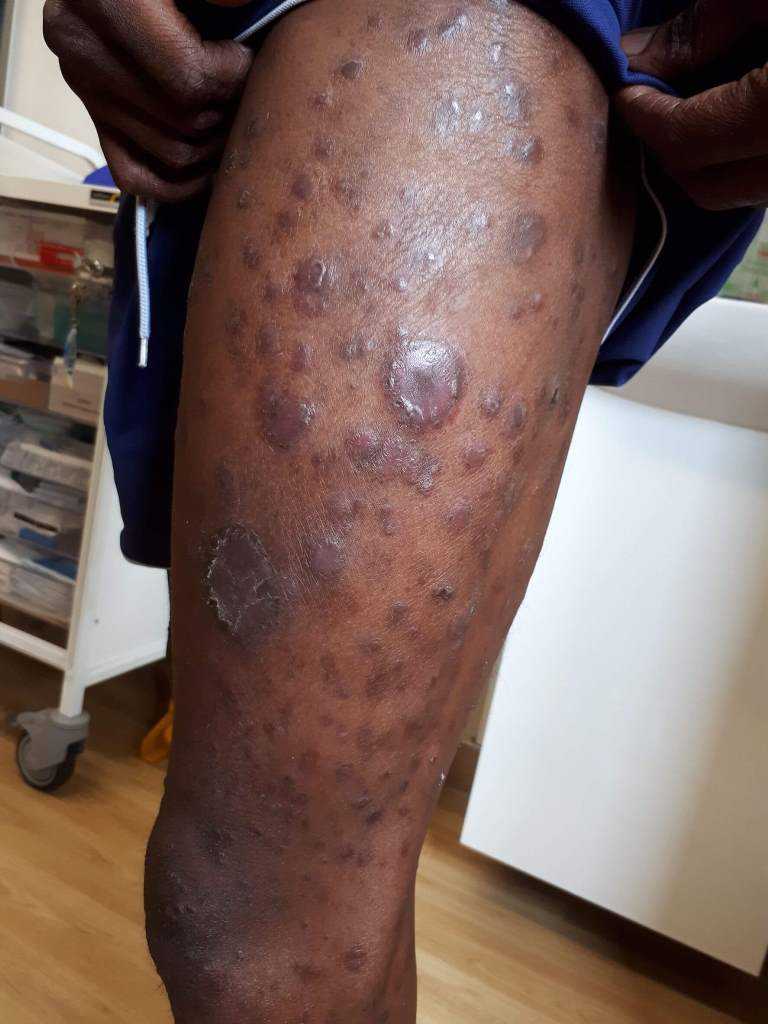
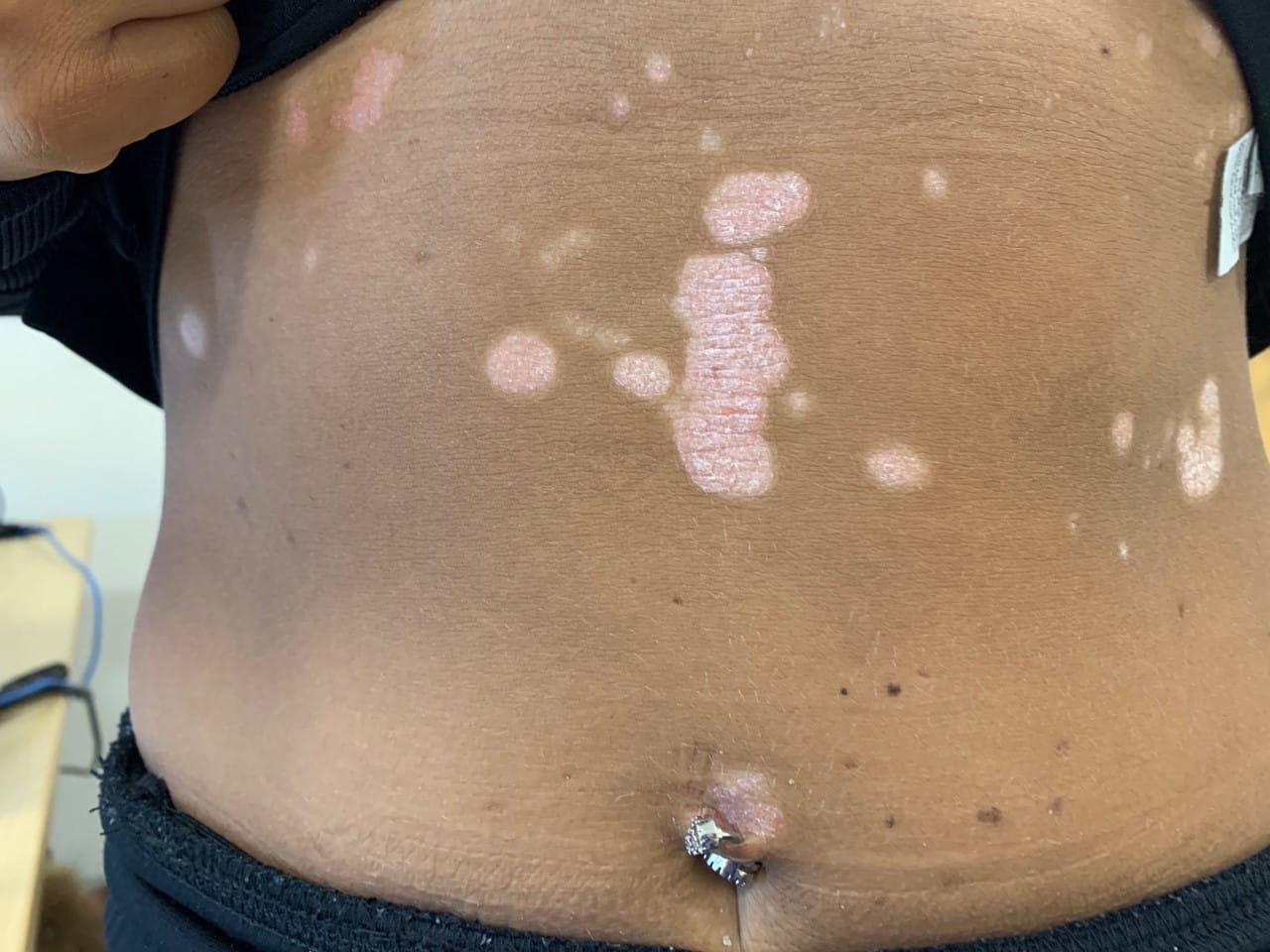
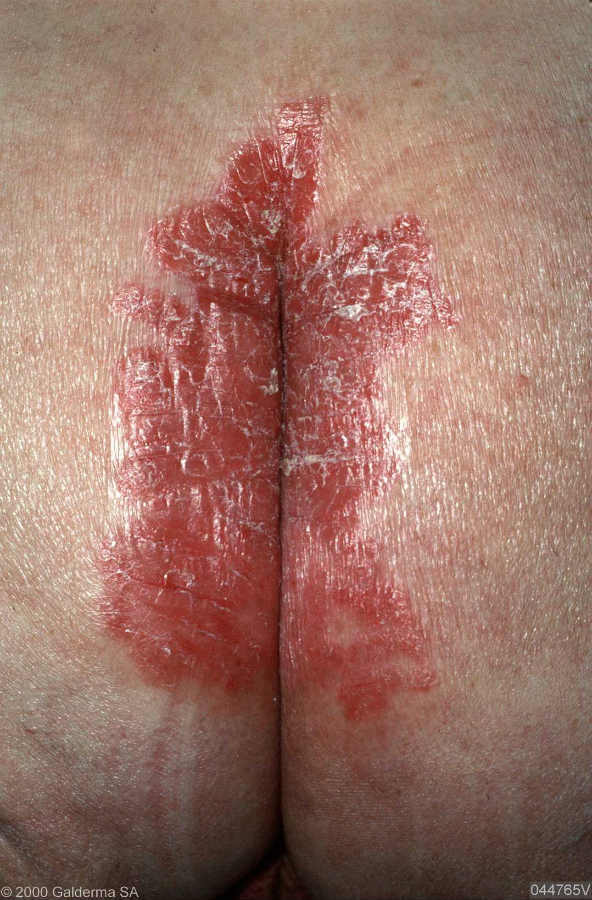
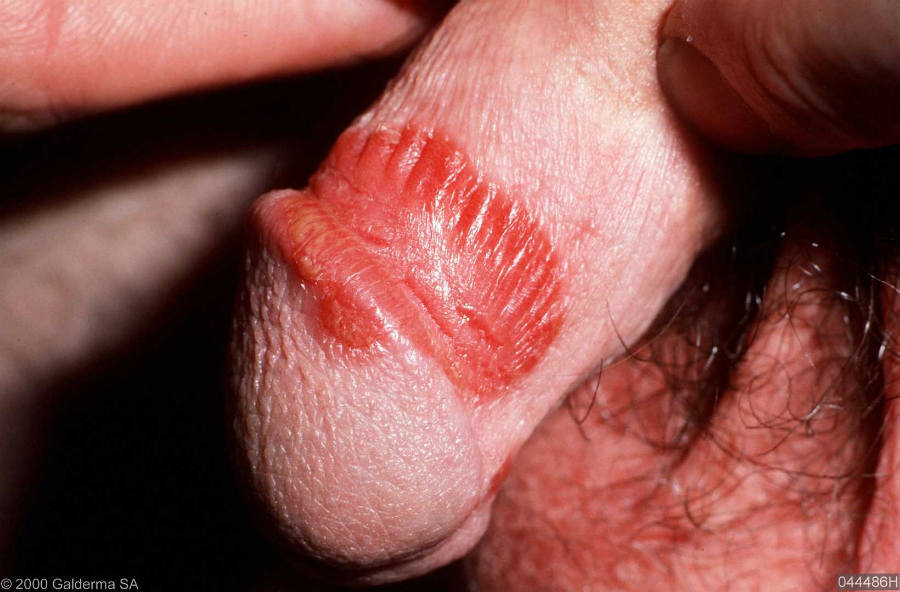
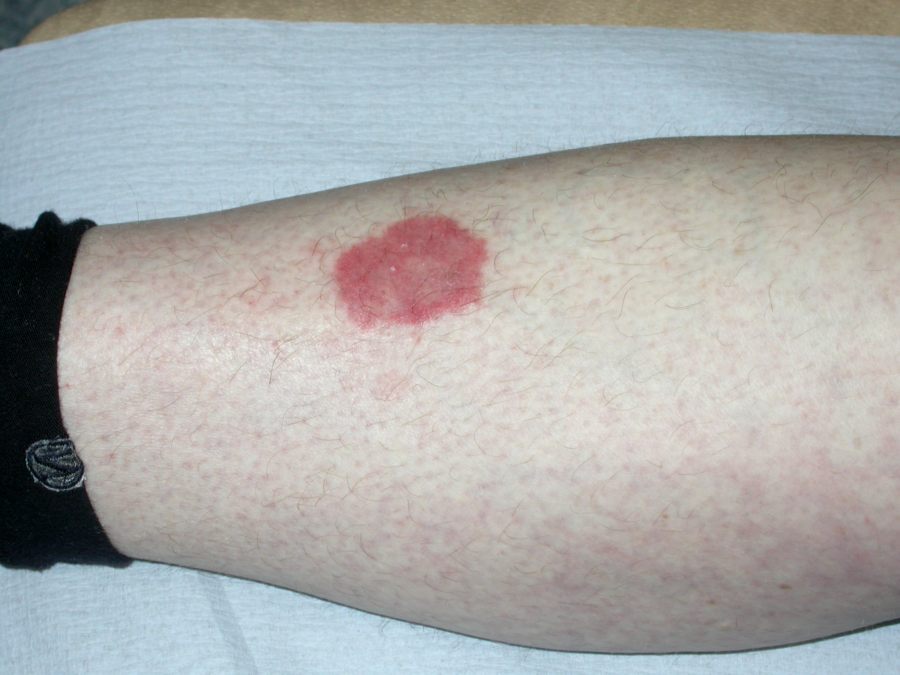
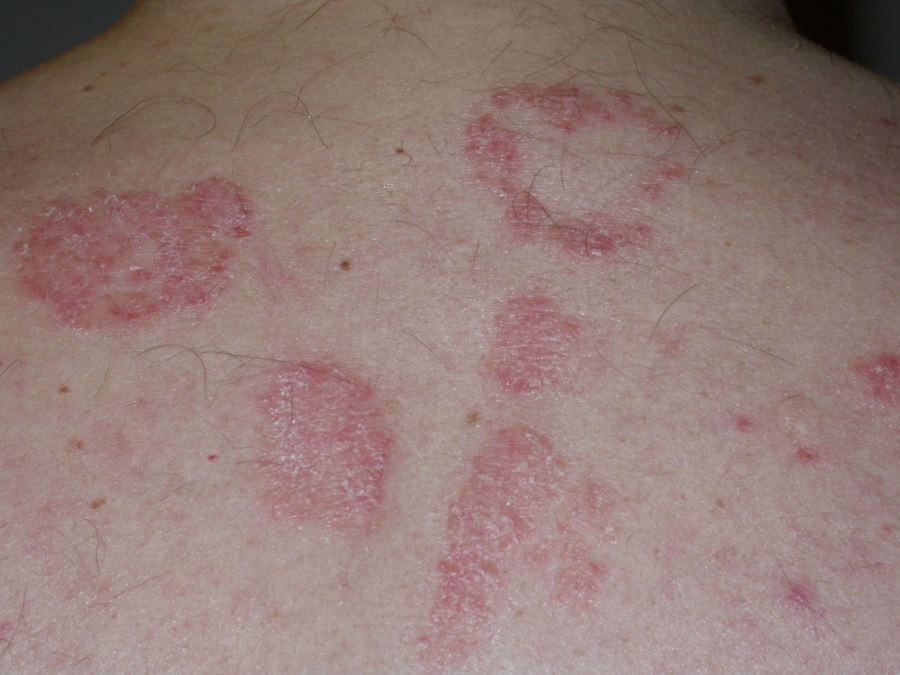
Plaques are ruby-red, and well-defined with a silvery (or grey in skin of colour) surface scale. The plaques can join together to involve very extensive areas of the skin particularly on the trunk and limbs
Auspitz sign - when adherent psoriatic scales are scraped or picked off pinpoint bleeding, known as the Auspitz sign, may occur from capillaries which undulate vertically throughout the thickened psoriatic skin
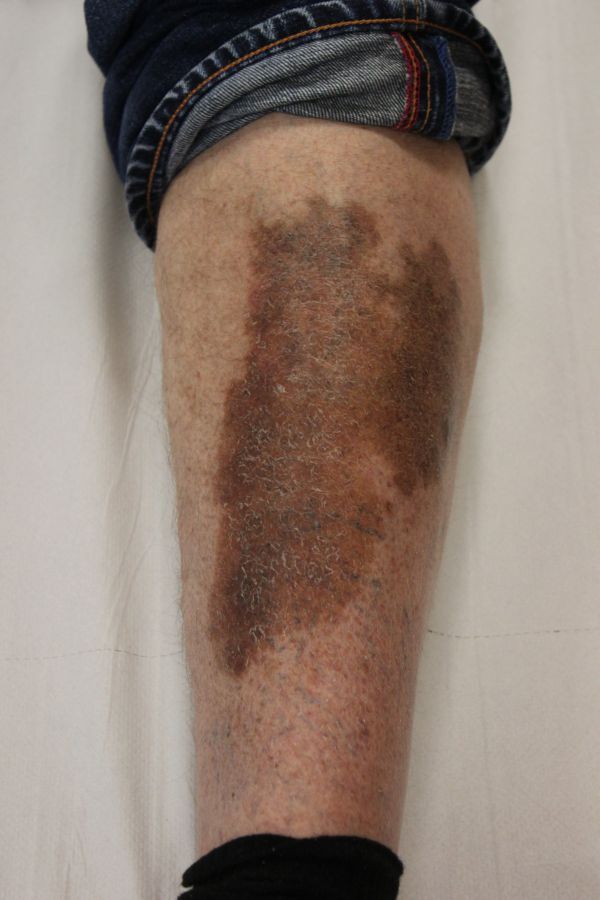
Lesions on lower legs may be less typical
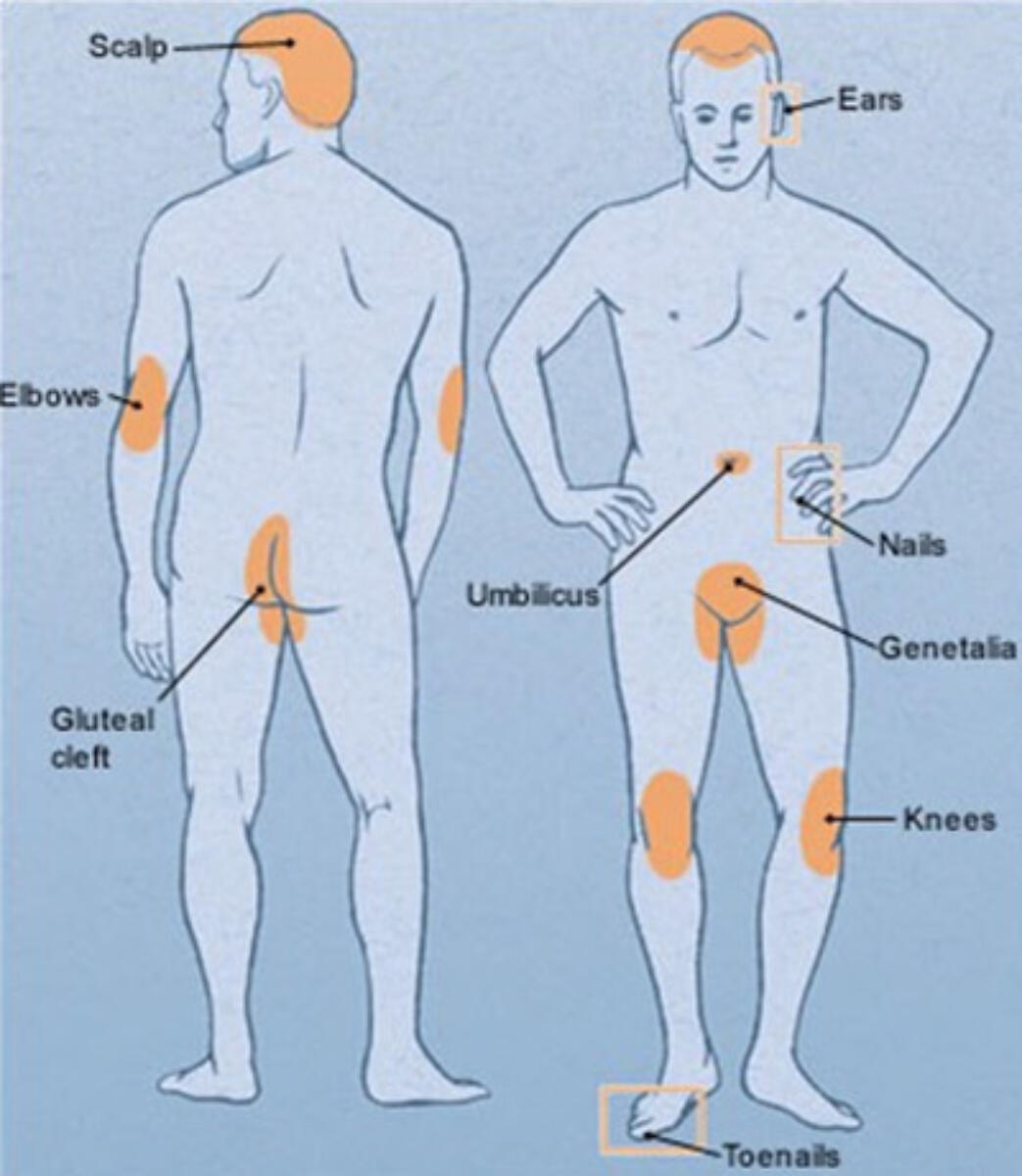
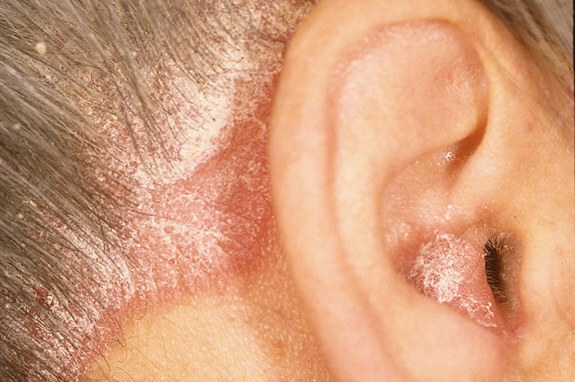
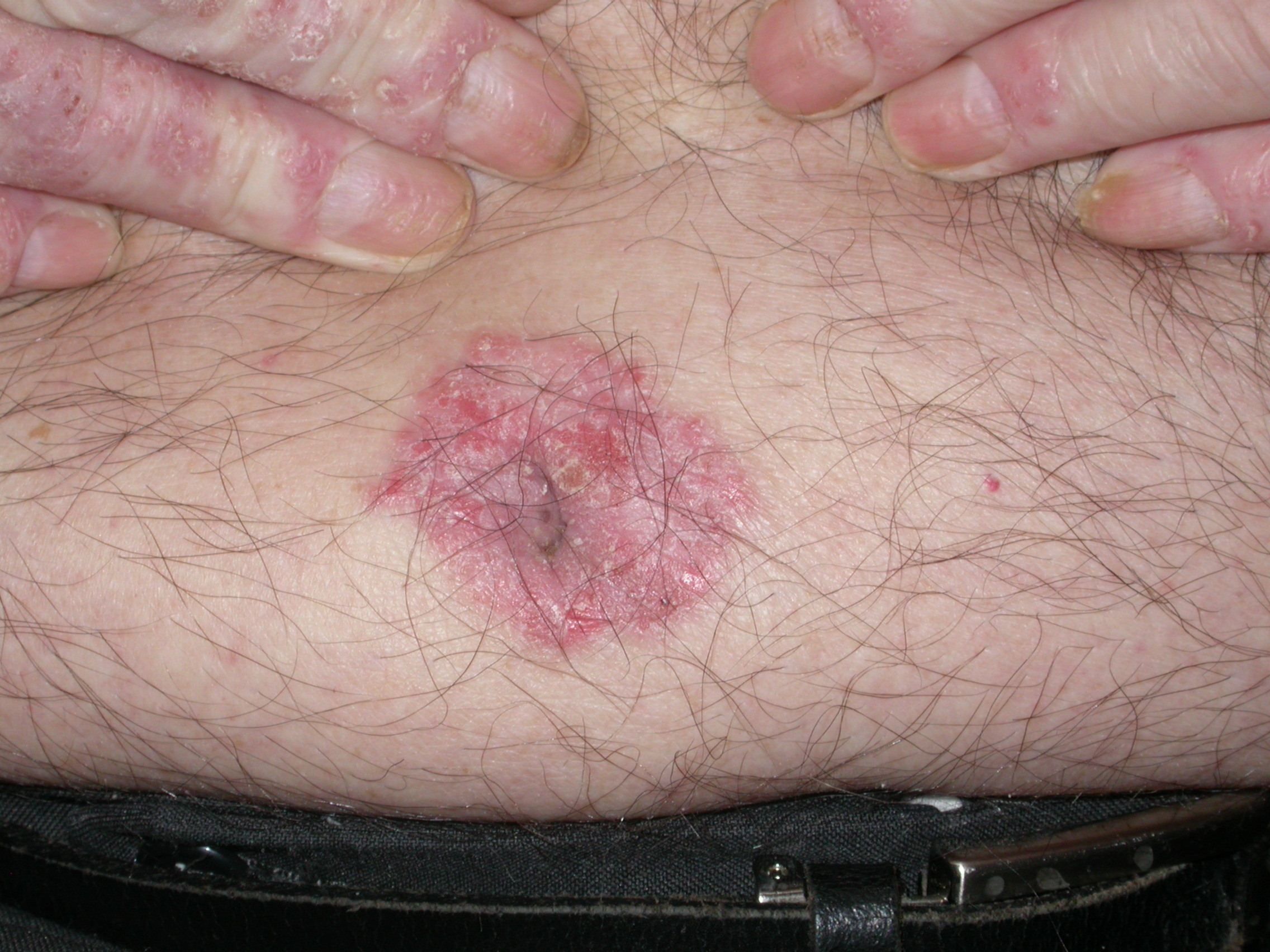
Other affected sites:
Refer to image 1 for commonly affected sites
Clinical Images
Please refer to notes on image rights at bottom of the page with regards to individual image
ownership.
1
2
3
4
5
6
7
8
9
10
11
12
13
14
15
16
17
18
19
20
21
22
23
24
25
26
27
28
29
30
31
32
33
34
35
36
37
38
Investigations
Severe or recalcitrant psoriasis is an identified HIV indicator condition. Early diagnosis improves treatment outcomes and reduces the risk of transmission to other people. NICE guidance and British HIV Association guidance recommends an HIV test in the following cases:
New onset of severe psoriasis
Unusual or atypical presentations of psoriasis
Not responding to treatment as one would expect - if there is a tendency for no or minimal response to standard treatments, then the clinician needs to think of other underlying causes that make the condition 'recalcitrant', such as HIV
There is a good evidence pointing to an association between psoriasis and CVD. The risk appears greater in cases of severe psoriasis, and also in patients with psoriatic arthritis
It is important that healthcare professionals working with psoriasis patients including in cardiology, dermatology and general practice, need to target modifiable risk factors and have a lower threshold for investigating patients with cardiovascular symptoms
Step 3: emollients
Prescribe copious emollients - these make the skin more comfortable and reduce the amount of scale
The active treatments below should be used for psoriasis flare-ups until the plaques are controlled, with a treatment holiday between flare-ups when the use of regular emollients should be still be encouraged
Step 4: active topical treatments
Standard plaques
Many GP and GPwER use calcipotriol and betamethasone (potent steroid) combination products first-line to encourage a rapid improvement and hence adherence in chronic plaque psoriasis: NB here our advice differs from the NICE psoriasis guideline which suggests starting with its individual components.
The combination product Enstilar ® foam is often considered a first line option for chronic plaque psoriasis on the body and the scalp -patients should be advised to shake the can well before application, and warned that the product is flammable. Other options include Wynzora cream ®(preferred by some patients as it is less greasy), Dovobet gel ®, and Dovobet ointment ®. Appropriate quantities (i.e. 2 x 60g) should be prescribed
Such therapy should be discontinued when the skin feels smooth even though still looking pink-red. Some patients benefit from Enstilar ®twice weeklymaintenance therapy until the next flare, when the frequency of application should be increased to once a day
Dovobet gel ® may also be considered for the scalp, and can also be used on the body if preferred to other formulations
In patients presenting with lesions that have very thick scale it may be necessary to use de-scaling agents prior to commencing the treatments referred to above. One such treatment is 5% salicylic acid in yellow soft paraffin applied BD until the scale thins - this can be very expensive if dispensed in the community, and there is often substantial variations in cost across different pharmacies. The combination of a potent steroid with salicylic acid (Diprosalic Ointment ®) is a useful addition for moderately scaly lesions. On the scalp, sebco or cocois ointments can be used for descaling - for more detail about management of scalp psoriasis, please see the chapter Psoriasis: scalp psoriasis.
Thinner areas of skin
Products containing betamethasone (a potent steroid) are best avoided on areas of thin skin eg the face, flexures, and the genitalia. Care also needs to be given when treating long-term plaques on the shins.
Tacrolimus 0.1% ointment OD-BD is often effective for the face - refer to the chapter Psoriasis: facial psoriasis
Calcitriol (Silkis ®) may be more acceptable on the flexures and genitalia since Calcipotriol (Dovonex ®) can be irritant especially on these sensitive areas. Calcitriol can also be used on the genitalia. A moderate potency topical steroid such as Eumovate cream ® can also be used for flares at these sites - refer to the chapter Psoriasis: Flexural and Genital
Tar preparations (eg Exorex lotion ®) may be preferable for large thin plaques such as for longer-term use on the shins, or used more generally in patients presenting with very large numbers of small plaques, where it is often difficult to treat lesions individually with a steroid product
Other treatments options include:
Dithranol preparations remain the most effective topical treatments especially for solitary plaques but patient acceptability limits their use as dithranol can be very messy and can leave the treated areas more deeply pigmented for some time after the treatment is complete. Please see the attached patient information leaflet on how to use dithranol preparations (of note Dithrocream ® has been discontinued)
Step 5: second line treatments
Patients with moderate-severe psoriasis at the onset, and those who fail to respond adequately to topical treatments such be referred for consideration of second line treatments, which include:
Phototherapy - most patients receive narrow band UVB known as TL-01 therapy. UVA therapy by way of PUVA is sometimes used. There is a maximum dose of light therapy that a patient may receive in a life time to limit the risks of skin cancer, this is especially the case in Caucasian patients. In skin of colour, phototherapy can sometimes aggravate psoriasis causing hyperpigmentation
Ciclosporin - acts quickly. It is an immunosuppressive agent and so is best used in younger patients who have not already received light therapy. The main risks are of hypertension and renal damage, which limit how long the treatment can be given for. It can be used in three-monthly pulses to extend its use
Methotrexate - is still one of the most effective treatments and it can also help some patients with psoriatic arthritis. The main risks are liver damage and bone marrow suppression which can occur in the early stages of treatment - patients should be advised to report immediately for a FBC if they have a sore throat or other signs of infection. Methotrexate cannot be used in pregnancy
Acitretin - is one of the mildest but safest treatments. It can be particularly useful in hyperkeratotic hand / foot psoriasis. Acitretin is highly teratogenic and pregnancy needs to be avoided while on acitretin and for two years after, for this reason it is generally avoided in women of child bearing age
Others drugs include the fumarates, Apremilast, and hydroxyurea
Step 6: biologics and biosimilars
Are used for both psoriasis and psoriatic arthritis. They work by interfering with specific components of the autoimmune response. Unlike general immunosuppressants that suppress the entire immune system, biologics fight more selectively and target only those chemicals involved in causing psoriasis
There is an increasing list of such drugs - the evidence around which treatment is best for any given patient is ever-evolving
While the biologics and biosimilars are effective for many patients with moderate-severe psoriasis, their long-term effects are as yet unknown and so they are used only in accordance with NICE guidelines, which means that they are reserved for patients who have been treated with second-line treatments (step 5), and where these have either been ineffective or not tolerated
Other resources
Psoriasis decision aid - this project was initiated and funded by Bristol Myers Squibb. This shared decision aid is for patients who have been diagnosed with psoriasis, when talking to their healthcare professionals. The decision on what to prescribe lies with the relevant healthcare professional at all times. This shared decision aid has been endorsed by The Primary Care Dermatology Society (PCDS)
Disclaimer - the author PCDS cannot accept responsibility for any misleading or incorrect statements, and the management of individual patients remains the direct responsibility of the individual doctor. We do however hope that visitors to this site can contact us regarding comments that are considered misleading or incorrect so that we can continue to improve the site.
Image Rights - The PCDS would like to thank Dermatoweb, DermQuest (Galderma), and others who have contributed images. All named individuals and organisations maintain copyright for the relevant images.