Pregnancy related skin conditions - an overview
LAST UPDATED: Mar 23, 2025
Introduction
There are many skin conditions that can be affected by pregnancy, and a smaller number that are specific to pregnancy, the most significant of which is pemphigoid gestationis.
This chapter provides an overview of pregnancy related skin conditions and is set out as follows:
Clinical findings
Physiological changes of pregnancy
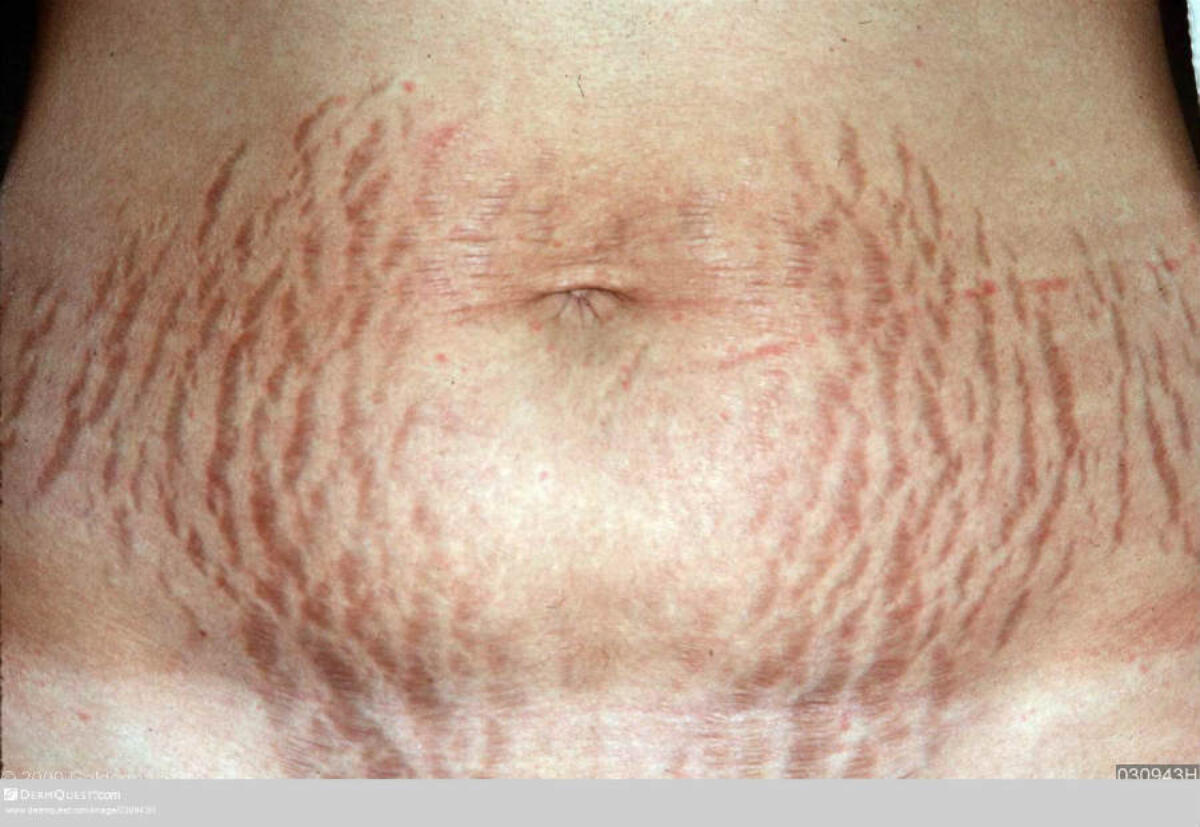
- Striae gravidum (stretch marks)
- Increased skin pigmentation
- Darkening of the areola, nipple and genital skin
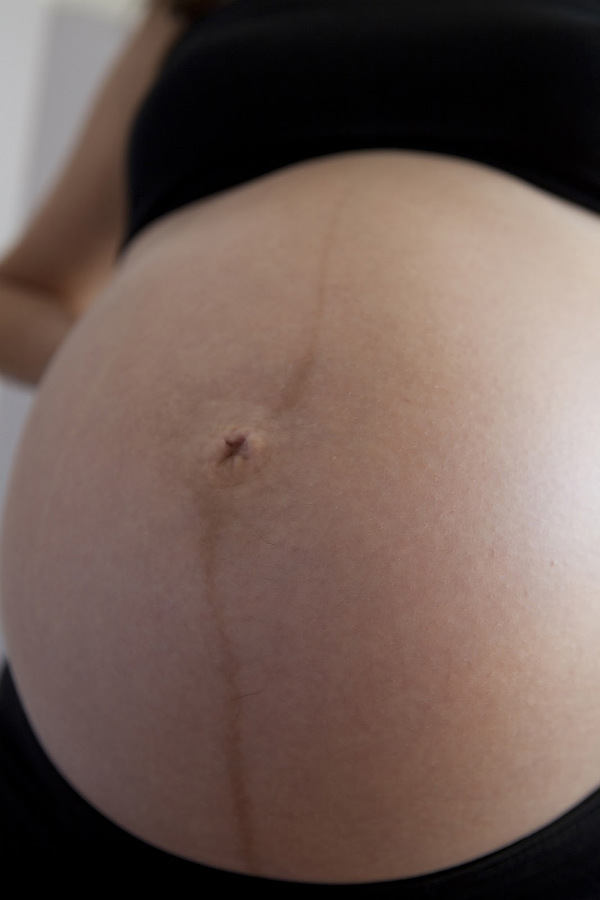
- Linear nigra - darkening of a vertical band of skin down the midline of the abdomen
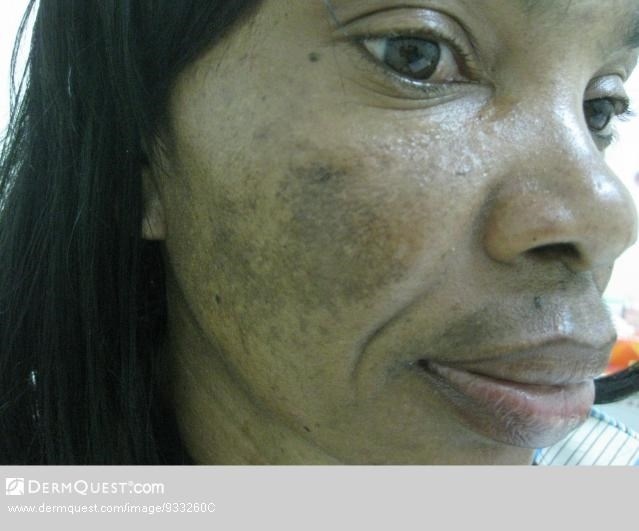
- Melasma (syn. chloasma) - in approximately 70% of women, especially those of dark complexion, increased facial pigmentation occurs during the second half of pregnancy
- Many women note an increase in the size, activity and number of melanocytic naevi
- Vascular changes
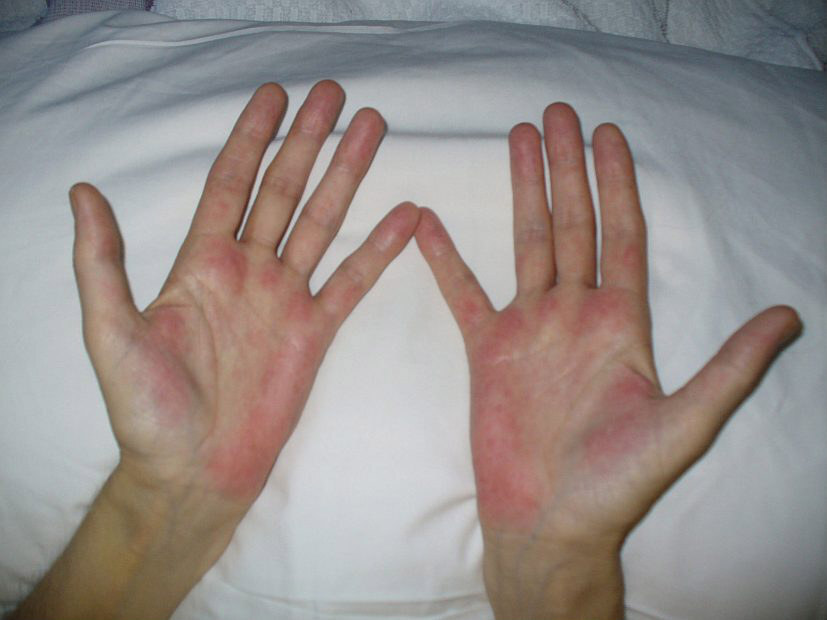
- Palmar erythema, increased redness of the palms, affects 70% of white women and 30% of black women
- Increased numbers of telangiectases, which tend to disappear postpartum
- Varicose veins and haemorrhoids are more common
- Telogen effluvium (acute) - rapid generalised hair loss. Affects some women a number of months after childbirth
Dermatological conditions modified by pregnancy
- Atopic eczema - may worsen, improve or stay the same
- Psoriasis - on balance psoriasis is likely to improve during pregnancy with relapse postpartum. Generalised pustular psoriasis is more common in pregnancy
- Acne - often improves in late pregnancy
- Perioral dermatitis - more common in pregnancy
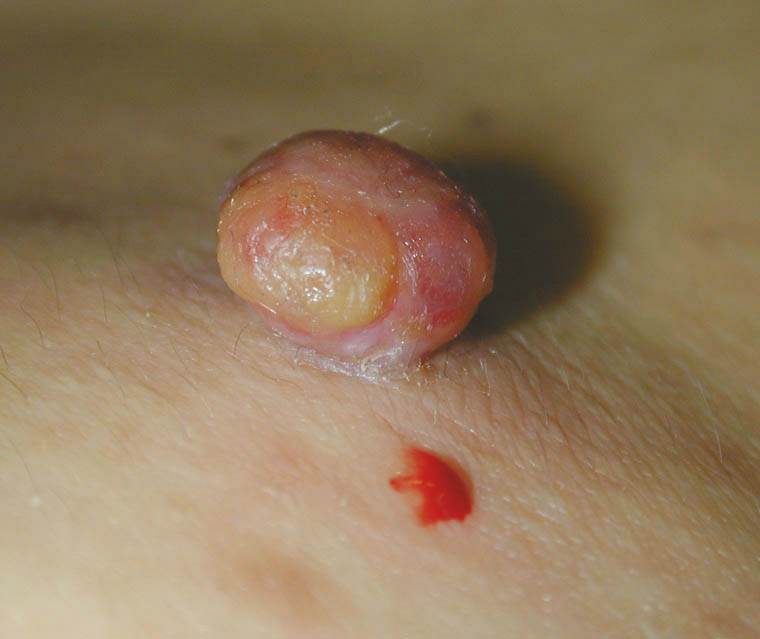
- Pyogenic granuloma - more common in pregnancy
- Lupus erythematosus - cutaneous lupus does not appear to be affected. Exacerbations of systemic lupus erythematosus can be serious, and can affect the foetus (neonatal lupus)
Dermatological conditions specific to pregnancy
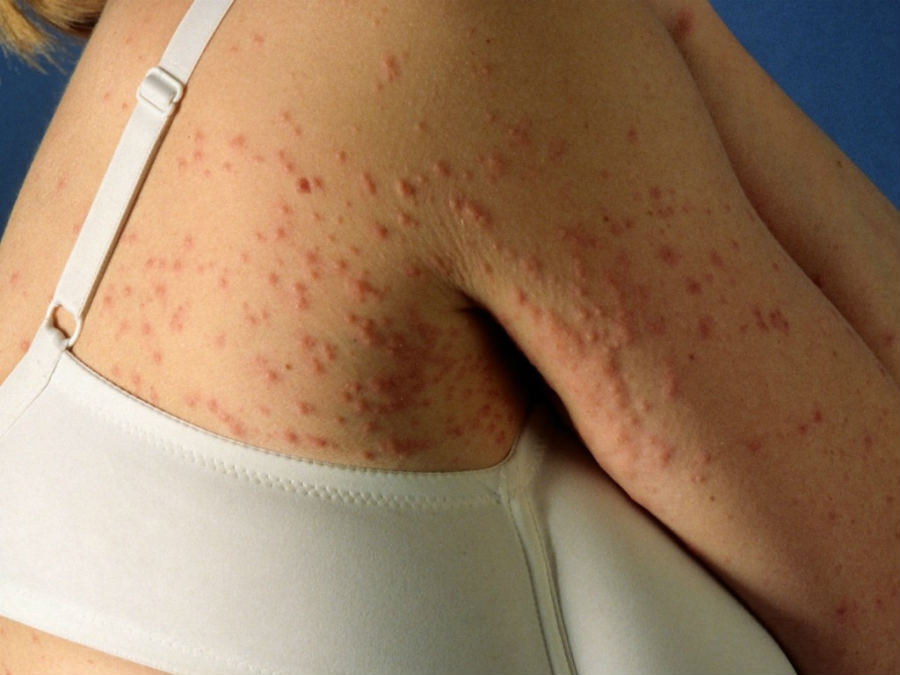
Atopic eruption of pregnancy (AEP)
- The most common
- 20% have a personal history of eczema; there is often a family history of atopy
- History - presents in the 1st or 2nd trimester with itch
- Distribution - predominantly the limbs and abdomen
- Morphology - discreet papules and patches. Rarely, patients can become erythrodermic with widespread erythema
- Treatment is conservative with emollients and topical corticosteroids. The itch tends to improve soon after childbirth, but the rash may persist longer
- The foetus is unaffected
Intrahepatic cholestasis of pregnancy (ICP)
- History - presents in the 2nd or 3rd trimester with itch, initially on the palms & soles, and then widespread
- Clinical features - while excoriations (scratch marks) may be noted, there is no erythema or other skin change
- Investigations - LFTs and serum bile acids; LFTs can be normal
- Management - untreated, it is associated with a high-risk of stillbirth, premature birth, and perinatal complications. Some patients require treatment with ursodeoxycholic acid; labour is induced at 38 weeks
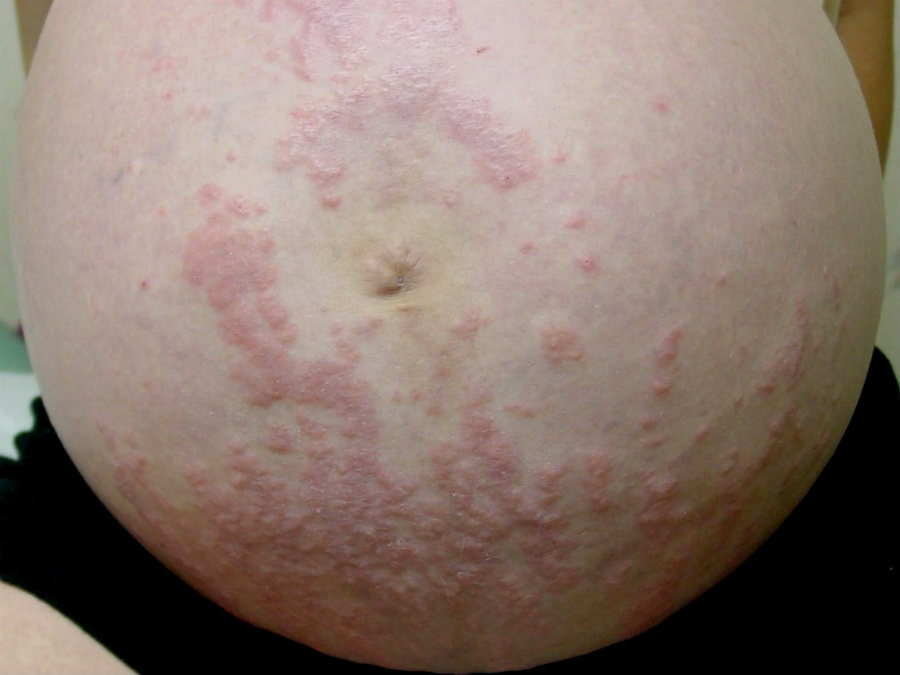
Polymorphic eruption of pregnancy (syn. Pruritic Urticated Papules and Plaques of Pregnancy ie PUPPP)
- History - most cases begin in the 3rd trimester, especially the last five weeks
- Distribution - in the stretch marks around the umbilicus, which itself is frequently spared. The rash spreads to involve the buttocks and thighs, and sometimes the arms and legs. Lesions on or above the breasts are rare
- Morphology - urticated papules and plaques
- Refer to the related chapter Polymorphic eruption of pregnancy for more information
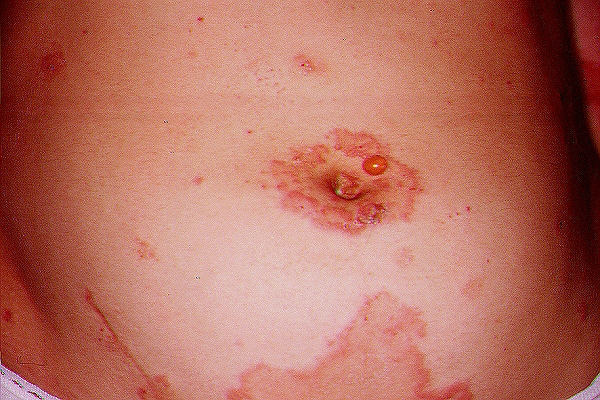
Pemphigoid gestationis (syn. pemphigoid of pregnancy)
- 11% associated with Graves' disease; there may be a family history of autoimmune conditions
- History - may arise at any time between four weeks gestation and five weeks postpartum, with the majority presenting in the 2nd and 3rd trimesters
- Distribution - lesions arise characteristically around the umbilicus. Within days to weeks the rash spreads to other parts of the body including the trunk, back, buttock, and arms. The face, scalp, palms, soles, and mucous membranes are usually unaffected
- Morphology - the rash usually arises as urticated papules, plaques, vesicles, target lesions, and annular wheals. This is followed by the development of vesicles and large, tense blisters
- Symptoms may quieten in later stages of pregnancy but can flare badly afterwards
- PG is recurrent in 50-70% of cases and can skip pregnancies
- Refer to the related chapter Pemphigoid gestationis for more information
Clinical Images
Please refer to notes on image rights at bottom of the page with regards to individual image
ownership.
Management
- Of note:
- The maximum recommended total dose of topical steroids in pregnancy is 300 g
- Both loratadine and cetirizine are believed to be safe in pregnancy and while breast feeding
- For patients requiring phototherapy, the dose of folic acid supplements needs to be increased
Other resources
- The EADV (European Academy of Dermatology and Venereology) provides good patient information leaflets on pregnancy-related skin conditions
Disclaimer - the author PCDS cannot accept responsibility for any misleading or incorrect statements, and the management of individual patients remains the direct responsibility of the individual doctor. We do however hope that visitors to this site can contact us regarding comments that are considered misleading or incorrect so that we can continue to improve the site.
Image Rights - The PCDS would like to thank Dermatoweb, DermQuest (Galderma), and others who have contributed images. All named individuals and organisations maintain copyright for the relevant images.